| Author |
 Replies: 11 / Views: 975 Replies: 11 / Views: 975 |
|
|
Pillar Of The Community
United States
1164 Posts |
|
|
Check out these bargains I made this past week! cover 1. Scott HK 393 pair on a 2nd class airmail advertising cover. $2 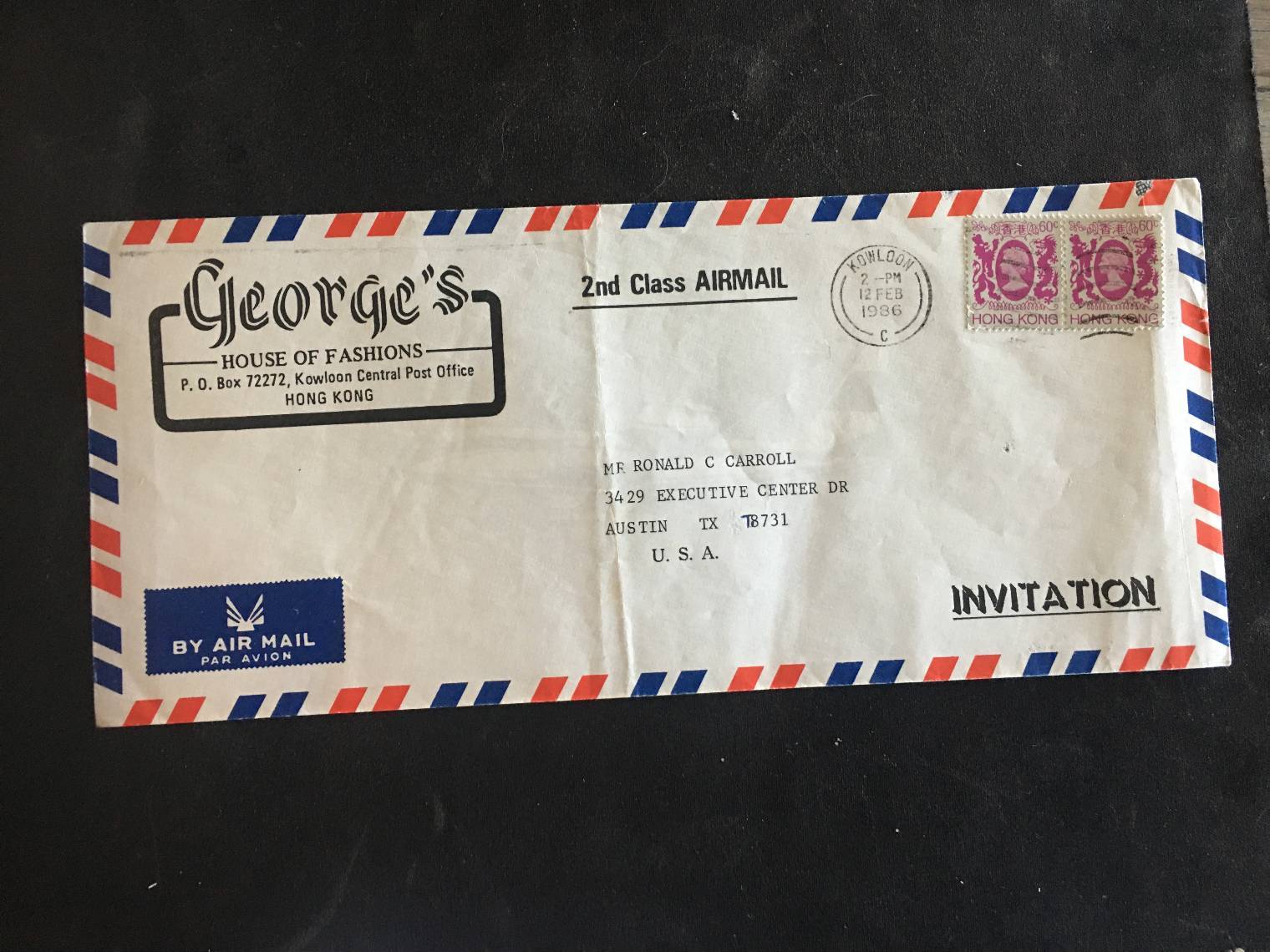 cover 2. Scott 809 and 803 on postcard $2 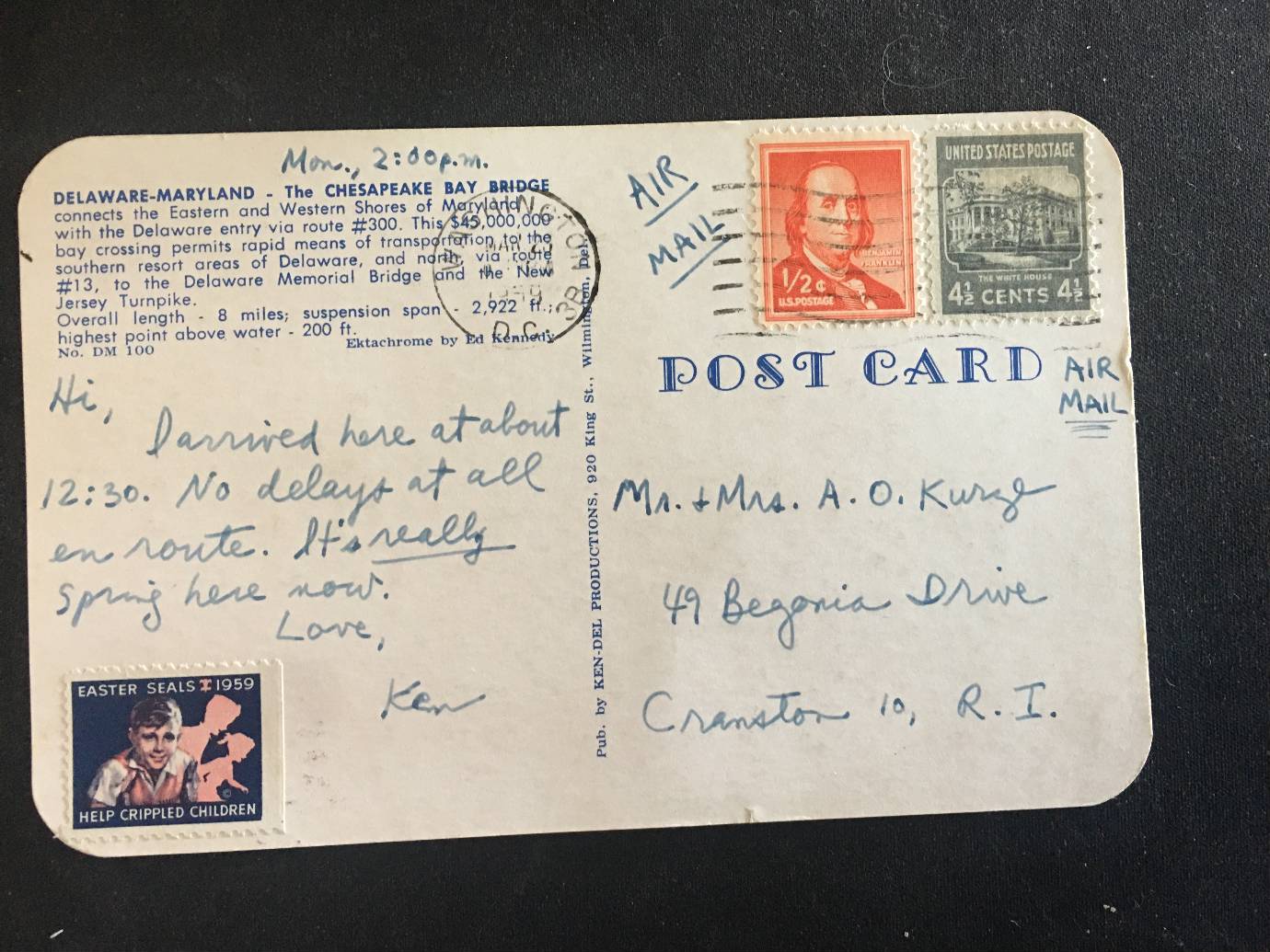 cover 3. Scott 444 partial paste up coil on a franklin motor car advertising cover $5 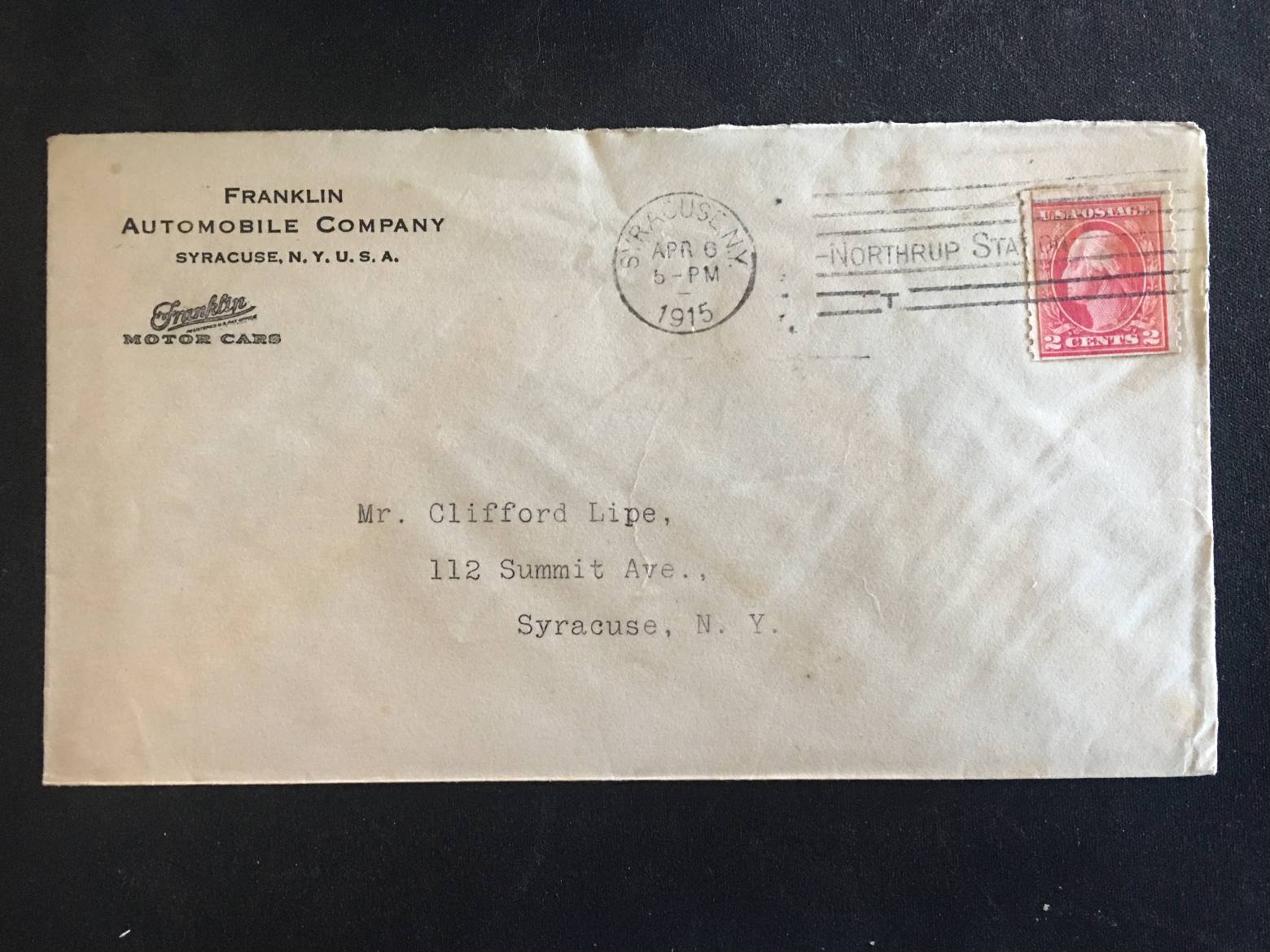 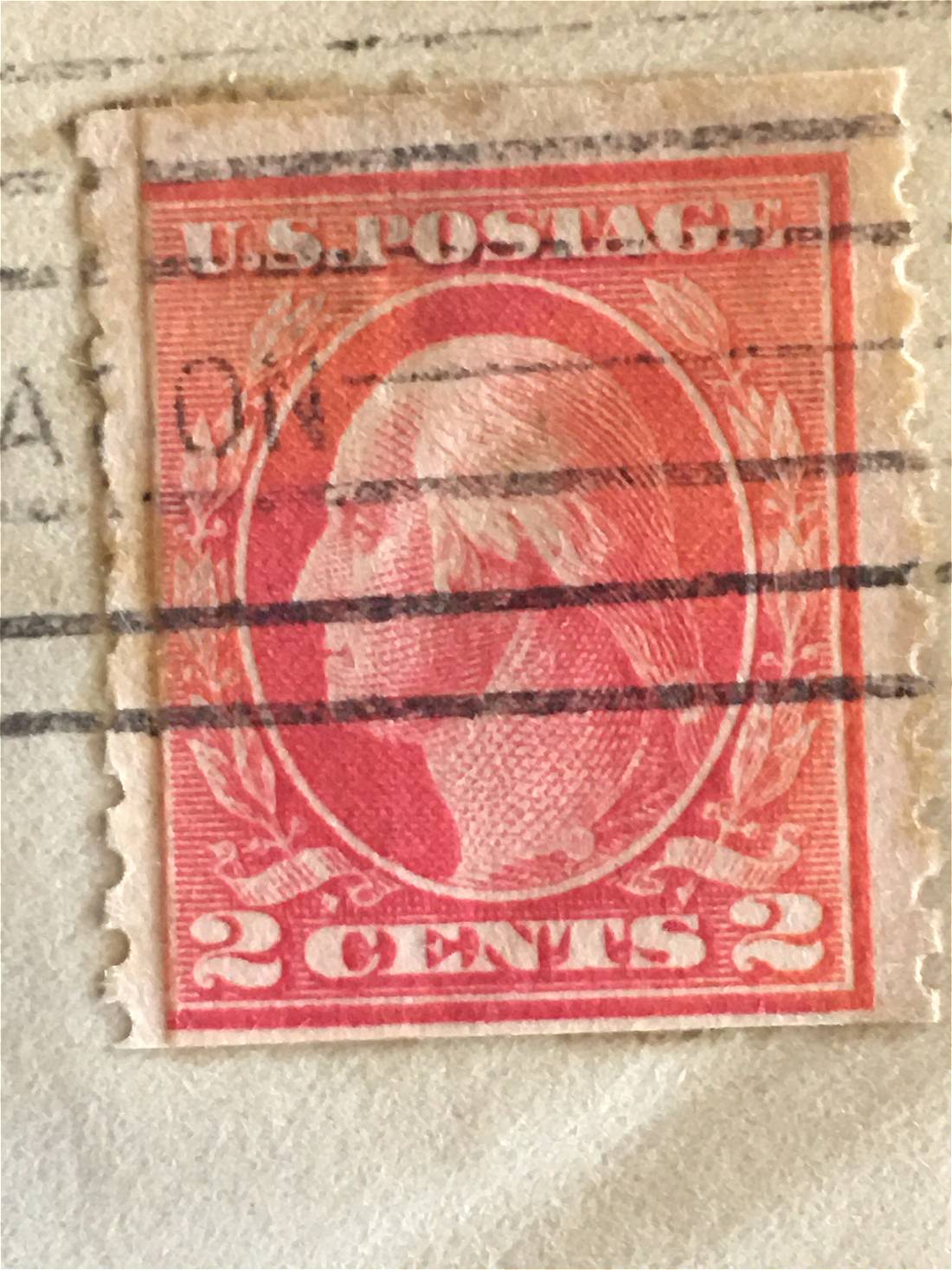 Cover 4. Scott 353 on a post card, large margins! $2 what a find! 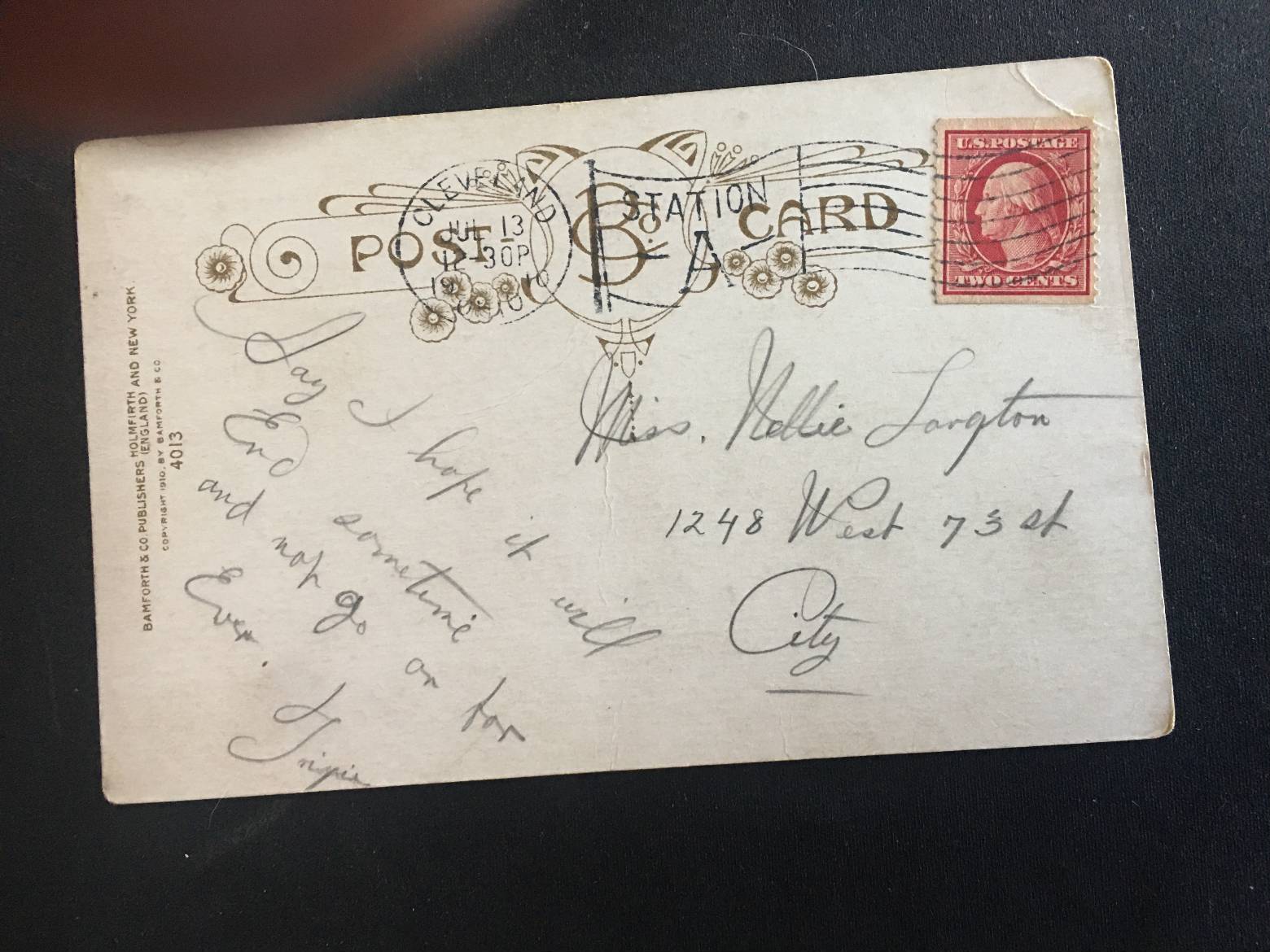 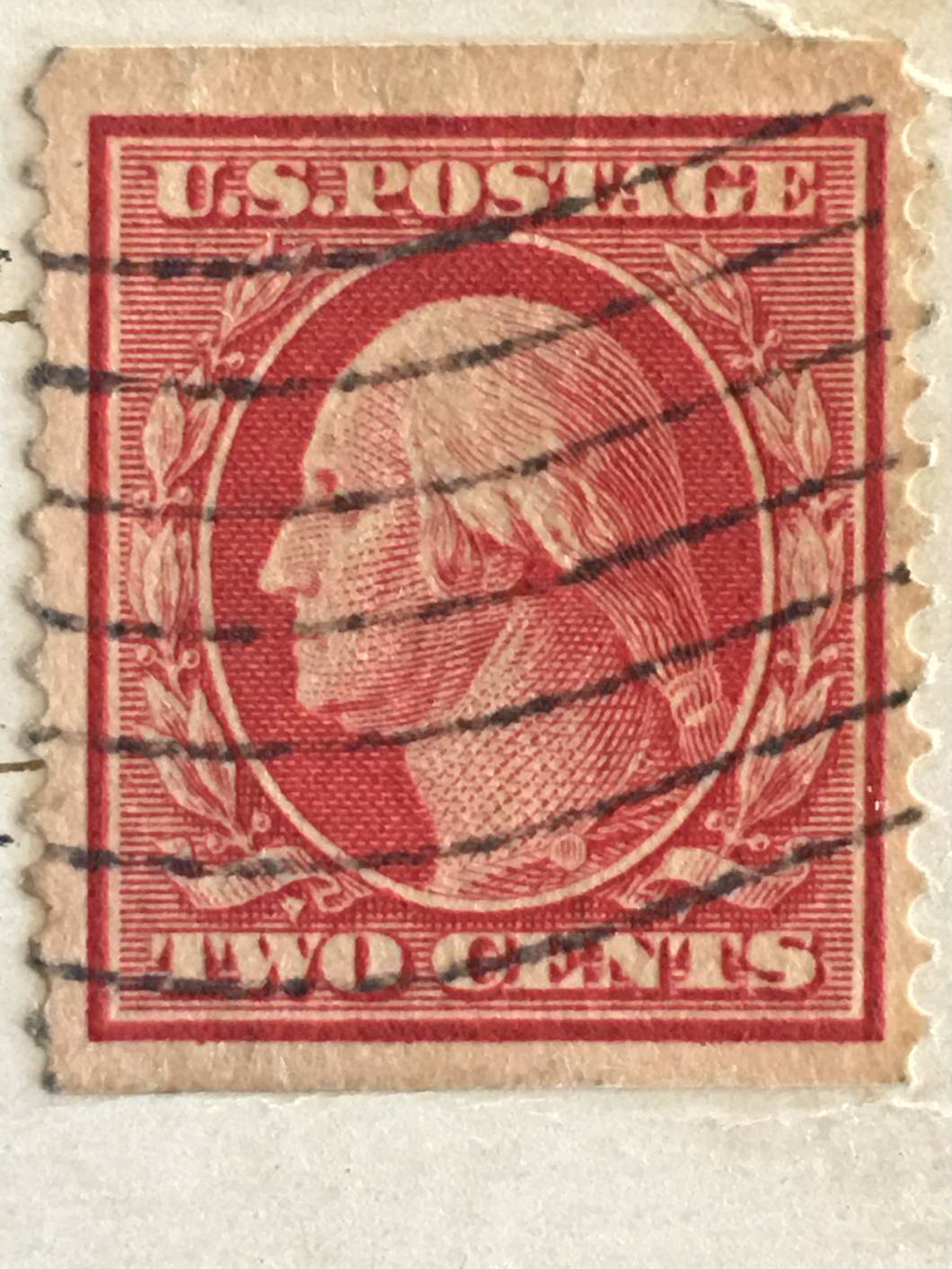 |
|
Send note to Staff
|
Michael Darabaris |
|
|
|
|
Valued Member
United Kingdom
202 Posts |
|
|
I love a bargain, but for those of us who are unaware of the nuances of collecting Hong Kong or USA - or indeed anything about collecting either country like me - could you explain why they are bargains please |
Send note to Staff 
|
|
|
Pillar Of The Community
United States
1164 Posts |
|
|
These were purchased either, way under catalogue value and or are tough to find especially in great shape on cover.
cover 1 tough to find a pair on an advertising cover at that rate.
cover 2 these prexies on a postcard, paying the correct rate not very common
cover 3 very hard to find this coil but a partial paste up on cover even harder $57+
cover 4 this stamp in great shape with large margins on cover, a super find $375+ |
|
Send note to Staff
|
Michael Darabaris |
|
|
Valued Member
United Kingdom
202 Posts |
|
|
Valued Member
Switzerland
495 Posts |
|
|
As with many single coils I see labeled as rare, why are the top and bottom edges clearly not parallel on your 344? Or is this really bad lense distortion of your cheap camera lense? I can't figure how it would be an effect of pasting coils together... |
|
Send note to Staff
|
|
|
Pillar Of The Community
United States
1164 Posts |
|
|
the left side right along the left edge of the stamp border you will see the paper is glued along that edge. On the these earlier coils the edges weren't always parallel especially at the joining of the strips. |
|
Send note to Staff
|
Michael Darabaris |
|
|
Valued Member
Switzerland
495 Posts |
|
|
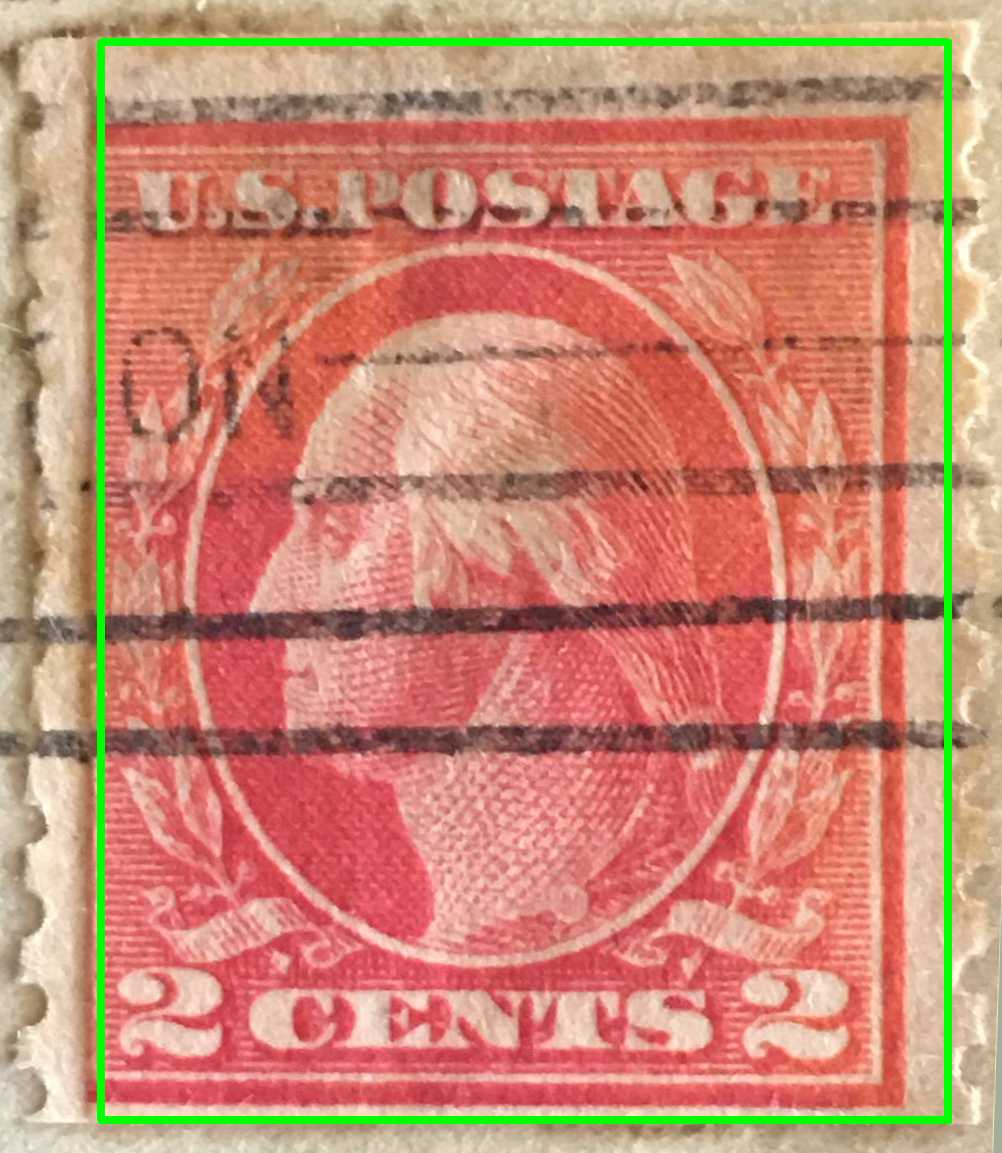 The green rectangle shows the bottom stamp edge is parallel, while the top stamp edge slants way upwards. That is not an effect of splicing together short coil rolls. My guess is splicing short coil rolls together never lead to exactly parallel pieces (since it was made by hand) but an angled splicing would lead to both edges being slanted in parallel. |
|
Send note to Staff
|
|
|
Valued Member
United States
154 Posts |
|
|
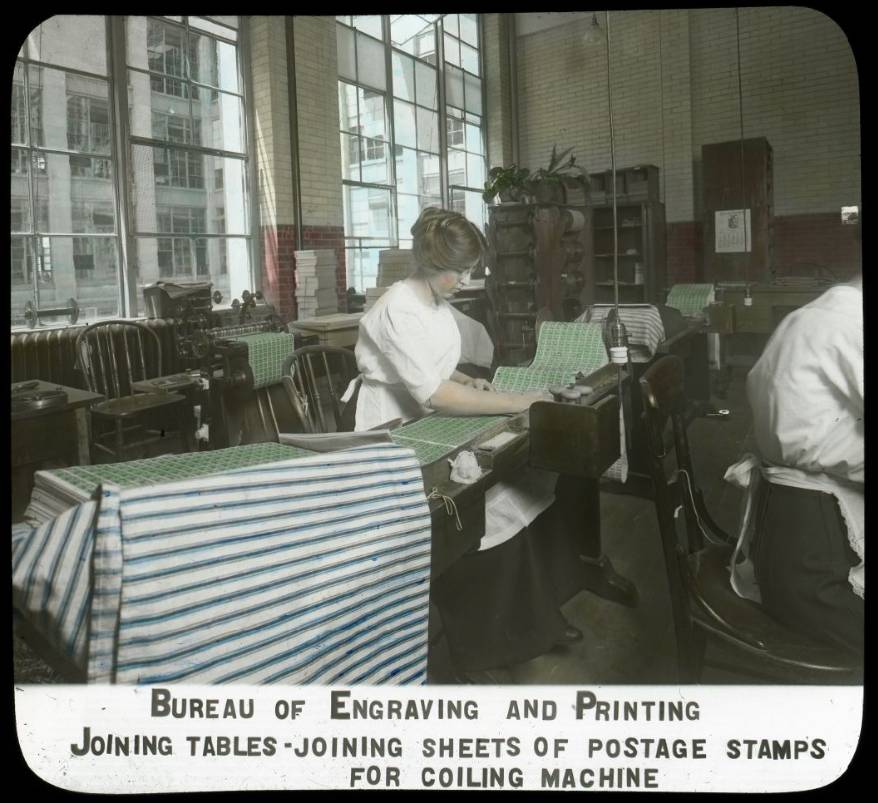
I am not commenting here as an expert by any means on these early flat plate coils from the Bureau of Engraving and Printing. But it seems it would make more sense to paste together the few imperforate sheets and then feed that through the perforator where the slitting into coil strips also occurred, as opposed to trying to handle the tiny ends of slitted strips in pasting one at end of another.
If my assumption is right, then any non parallel result would only be a matter of the inked impression versus a slit edge, not the top and bottom slits (cuts) themselves. (Again, I am just wondering out loud.)
(corrected "flat press" to "flat plate") |
|
Send note to Staff
|
| Edited by stampsOnMail - 04/17/2024 8:51 pm |
|
|
Pillar Of The Community
United States
1164 Posts |
|
|
Here is the definition of a paste up pair and how it was created. "The production of the first coil stamps, dating in the United States from 1908, began with the flat-plate-press printing of normal stamp sheets which contained the standard 400 images. The sheets were then gummed, perforated in one direction only, and cut in the other direction into twenty strips consisting of twenty stamps apiece. Strips would subsequently be pasted together to produce coils of 500 or 1000 stamps.[1] At each join, the paper from the end of one strip would overlap the beginning of the next (the overlap is termed a "paste-up tab"). A pair of stamps that straddles the join is known as a paste-up pair." |
|
Send note to Staff
|
Michael Darabaris |
|
|
Pillar Of The Community
United States
1164 Posts |
|
|
Valued Member
Switzerland
495 Posts |
|
|
Pillar Of The Community
United States
1164 Posts |
|
|
SO I think you are correct Drkohler. the last format for flat plate printing evolved to "Auto-Wound" production process. this comes from the video: The Production of Washington and Franklin Flat Plate Coils 1909-1915 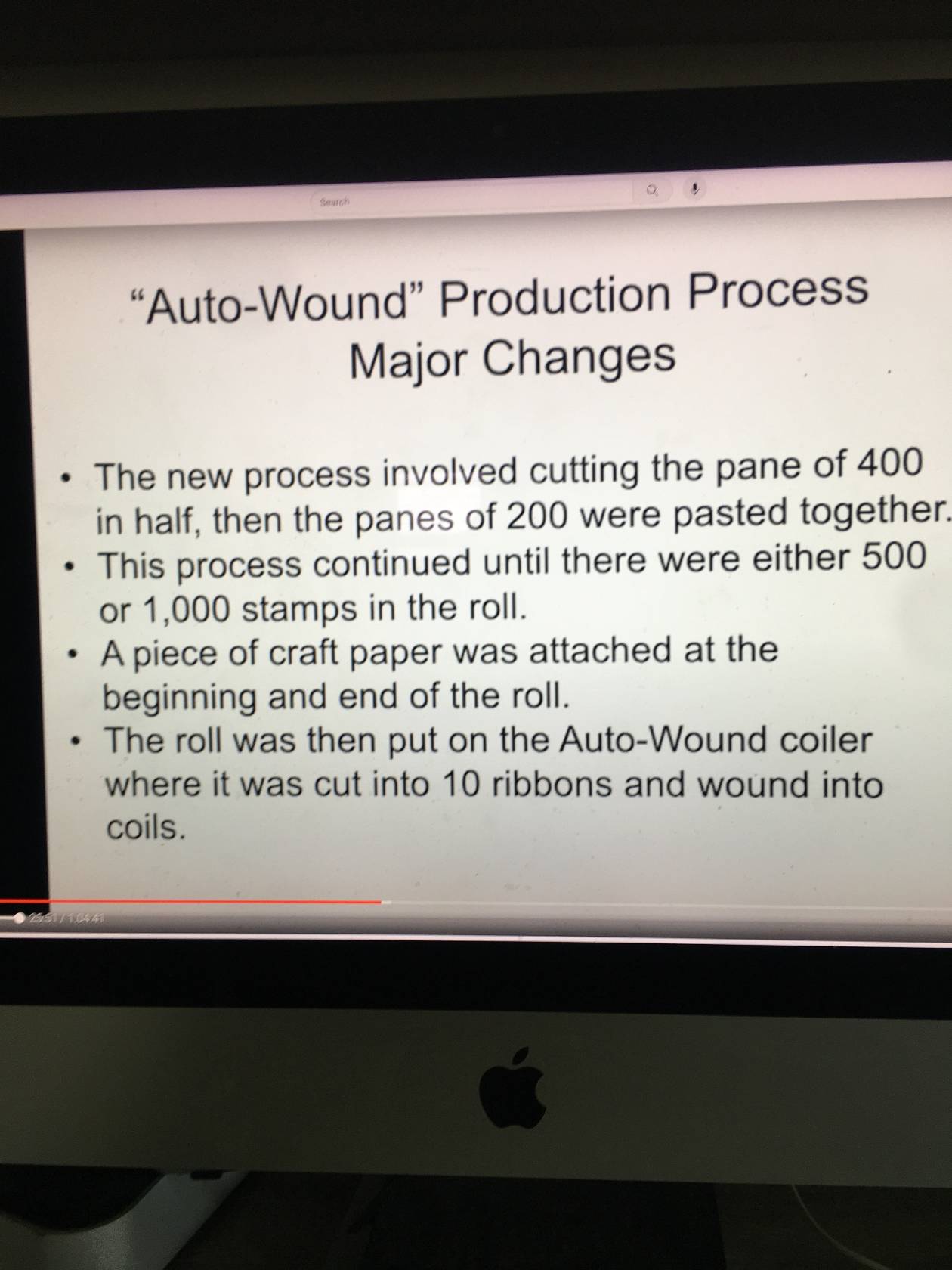 So this is stamp Scott 444, flat plate stamp TY I has perf 10, 25 mm wide coil strip pasted up on the left |
|
Send note to Staff
|
Michael Darabaris |
|
| |
Replies: 11 / Views: 975 |
|




 Posted 04/15/2024 6:33 pm