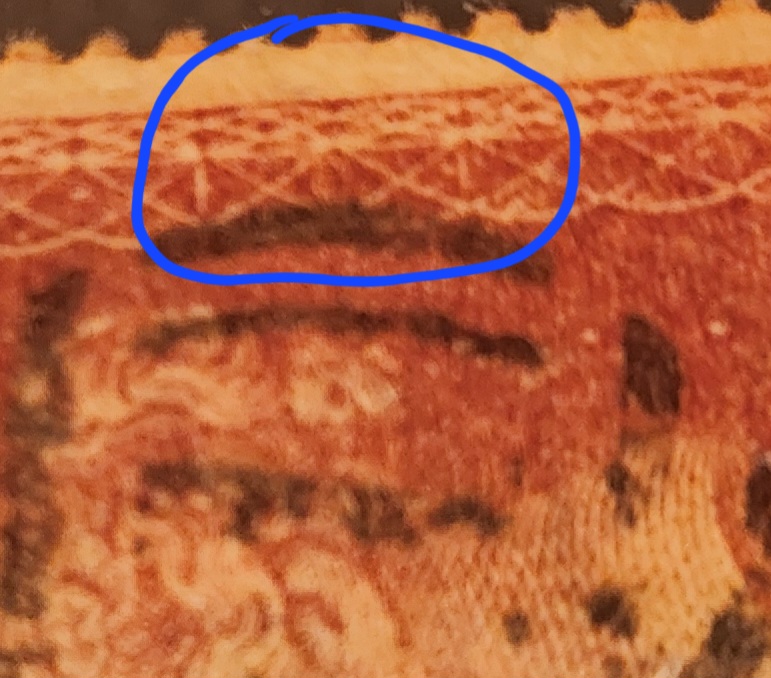
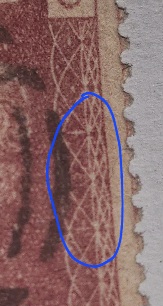
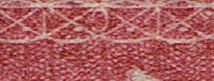
Here is a picture of a similar stamp that shows the position of the plate number in the white boxes. Yours certainly is 10*. I think 101 is correct, but your picture is not clear enough to be sure.
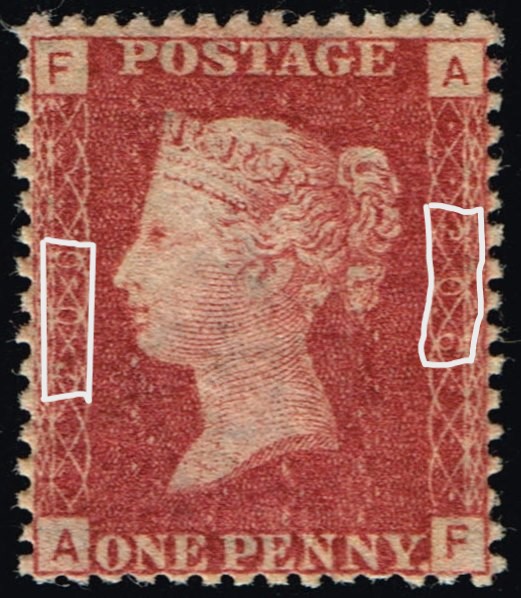
A sheet was made up of 240 stamps in 20 rows of 12 stamps (a shilling a row, twenty shillings making a pound). The letters in the bottom corners identify the position (AA, AB, ..., AL, ..., TA, ..., TL). So, yours is not 'BO' but 'OB.' The 'O' at left is the 15th row. The 'B' at right is the second column. Your stamp is from r 15 / c 2.
The Post Office thought that giving each stamp a different combination of letters would make life difficult for forgers. The public would recognise multiples with the same letters as forgeries. At first, only the bottom corners had letters. Then the Post Office got worried people would use the bottom part that had not been obliterated of one used stamp with the top that had not been obliterated of any other used stamp. To make that more difficult, they added the letters in reverse order to the top corners.





 Posted 06/02/2024 3:28 pm