| Author |
 Replies: 28 / Views: 4,962 Replies: 28 / Views: 4,962 |
|
|
|
Pillar Of The Community
United States
4189 Posts |
|
|
Notes, often in pen, on booklet covers
Notes on tabs or sides of booklet panes
Arrows pointing to stamps on covers
Novels written on covers
Notes on backs of stamps, especially wrong catalog numbers |
Send note to Staff 
|
|
|
Bedrock Of The Community
United States
10870 Posts |
|
|
There will always be shades that are going to be unlisted. No catalog will ever be close to perfect in this area of collecting. The size increase alone makes it impossible. Plus the problems of getting all the data, and seeing everyone of them to attempt to actually name them all remotely accurately. |
|
Send note to Staff
|
|
|
Valued Member
United States
81 Posts |
|
|
Quote:
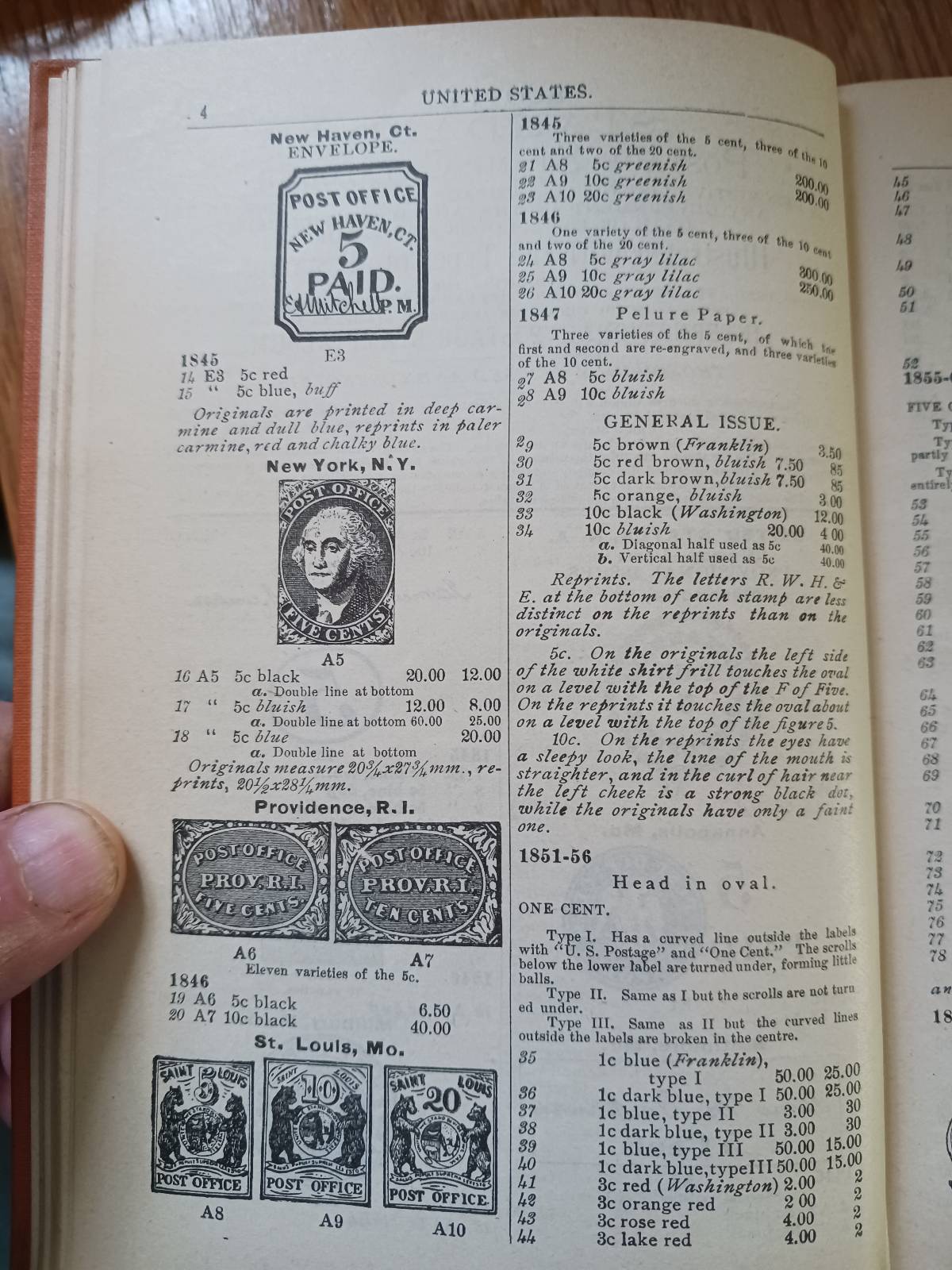
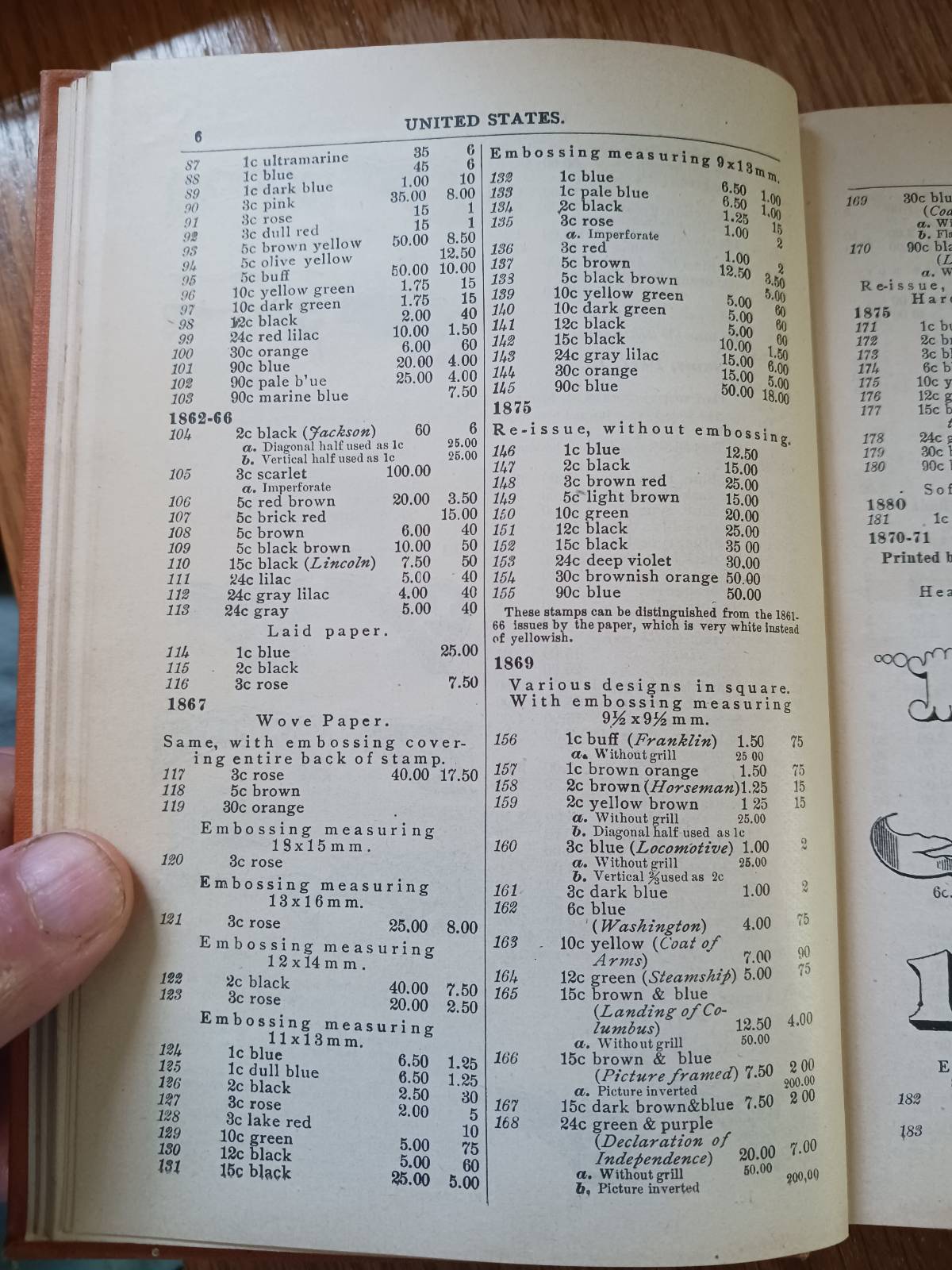
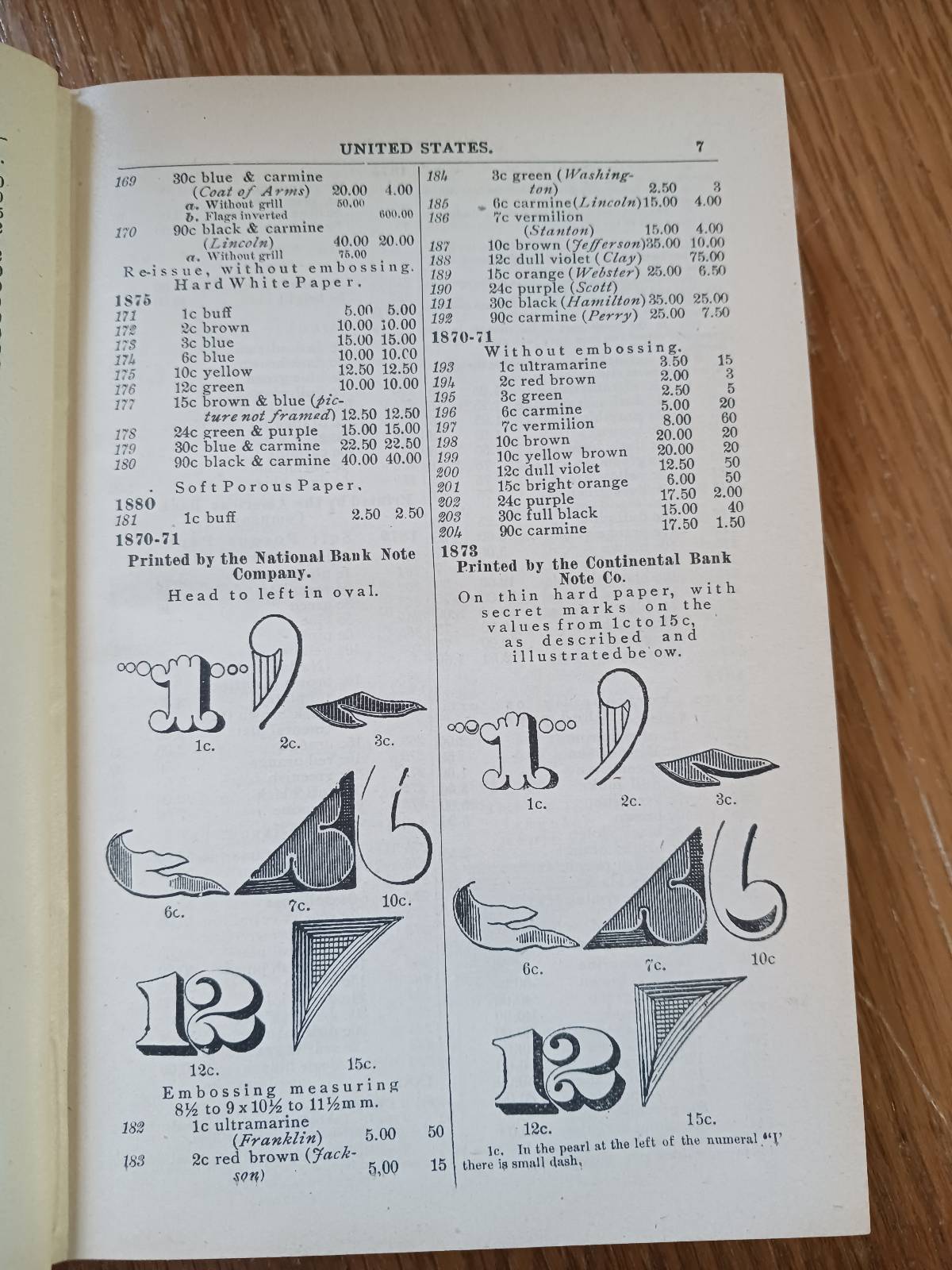
Since when are stamps reprinted as souvenirs with no postal purpose and sometimes even without adhesive considered "stamps" which deserve different catalogue numbers? Yup, we take only two steps into the US catalog before we encounter precisely this situation. We start with 1847 (two items), time travel to 1875 (the reproductions, 2 items), then jump back to 1851. But there must have been a reason for this approach to the catalog numbering when they were first assigned, right or wrong as it may have been back then, right or wrong as it might be today. Finding out the answer would make for a nice little research project. Or we could just complain about it (which in some ways is easier and more entertaining).  |
|
Send note to Staff
|
|
|
Bedrock Of The Community
United States
10870 Posts |
|
|
Quote:
Since when are stamps reprinted as souvenirs with no postal purpose and sometimes even without adhesive considered "stamps" which deserve different catalogue numbers? Since they were officially produced by the government. All the special printings and re-issues were officially produced, and so are listed. |
|
Send note to Staff
|
|
|
Valued Member
United States
81 Posts |
|
|
@revcollector, makes sense, but I think there must be more too it. No. 3 & 4 weren't valid for postage yet they show up in the Postage section. Same with the 1851 reprints (and many others). Then there are card proof sets (1875 and onward) but they're listed in the Proof section. So do you know what the critical criterion was for determining how reprints/repros (etc.) were allocated? |
|
Send note to Staff
|
|
|
Valued Member
United States
305 Posts |
|
|
I gave up on the Scott National album for the nineteenth century and switched to Vario pages.
At least I can collect and display what interests me, and not feel obliged to fill up an album.
I can limit my collection of the 1851 issue to one stamp of each design.
I don't need to get bogged down in sorting out which printer did which banknote stamp.
Specialists can keep the grills.
I can insert carriers and locals in their proper chronological order, and include Confederate stamps with those of the Union. |
|
Send note to Staff
|
|
|
Pillar Of The Community
United States
939 Posts |
|
|
Valued Member
United States
81 Posts |
|
|
Valued Member
United States
81 Posts |
|
|
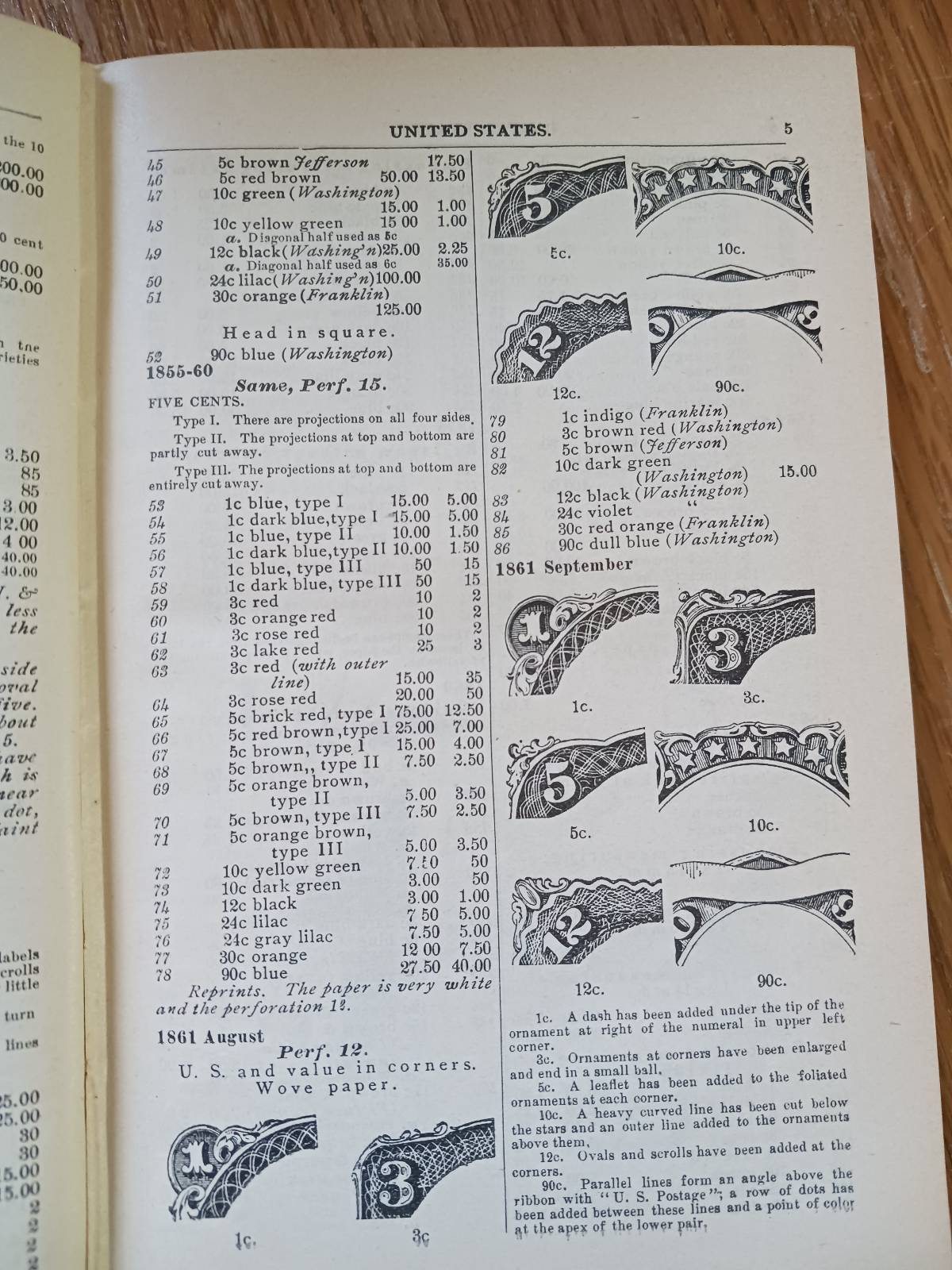
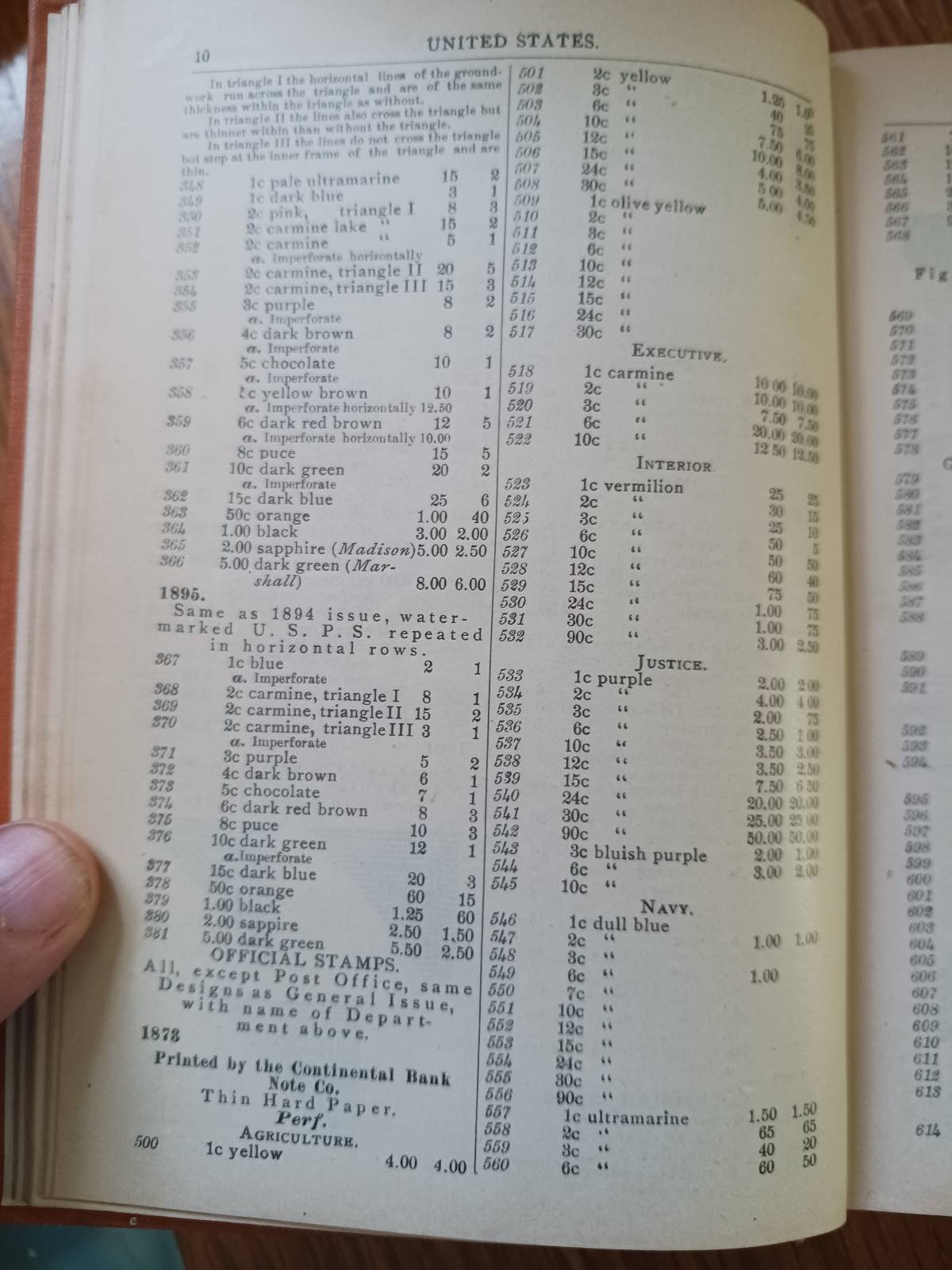
On the topic of seeing the Scott catalog adapt and change... Page 5 is particularly interesting because the listings for the "August" issue of the 1861s would only have been a year or two old at that point. It was in 1896 that John Luff introduced the notions of August and September issues into the collective collector's consciousness. Those notions were debunked in 1930s and 40s, but it took forever for Scott to delist the "August" items from the postage stamp section and move them to the essay & trial color proof section where they belong. |
|
Send note to Staff
|
|
|
Bedrock Of The Community
United States
10870 Posts |
|
|
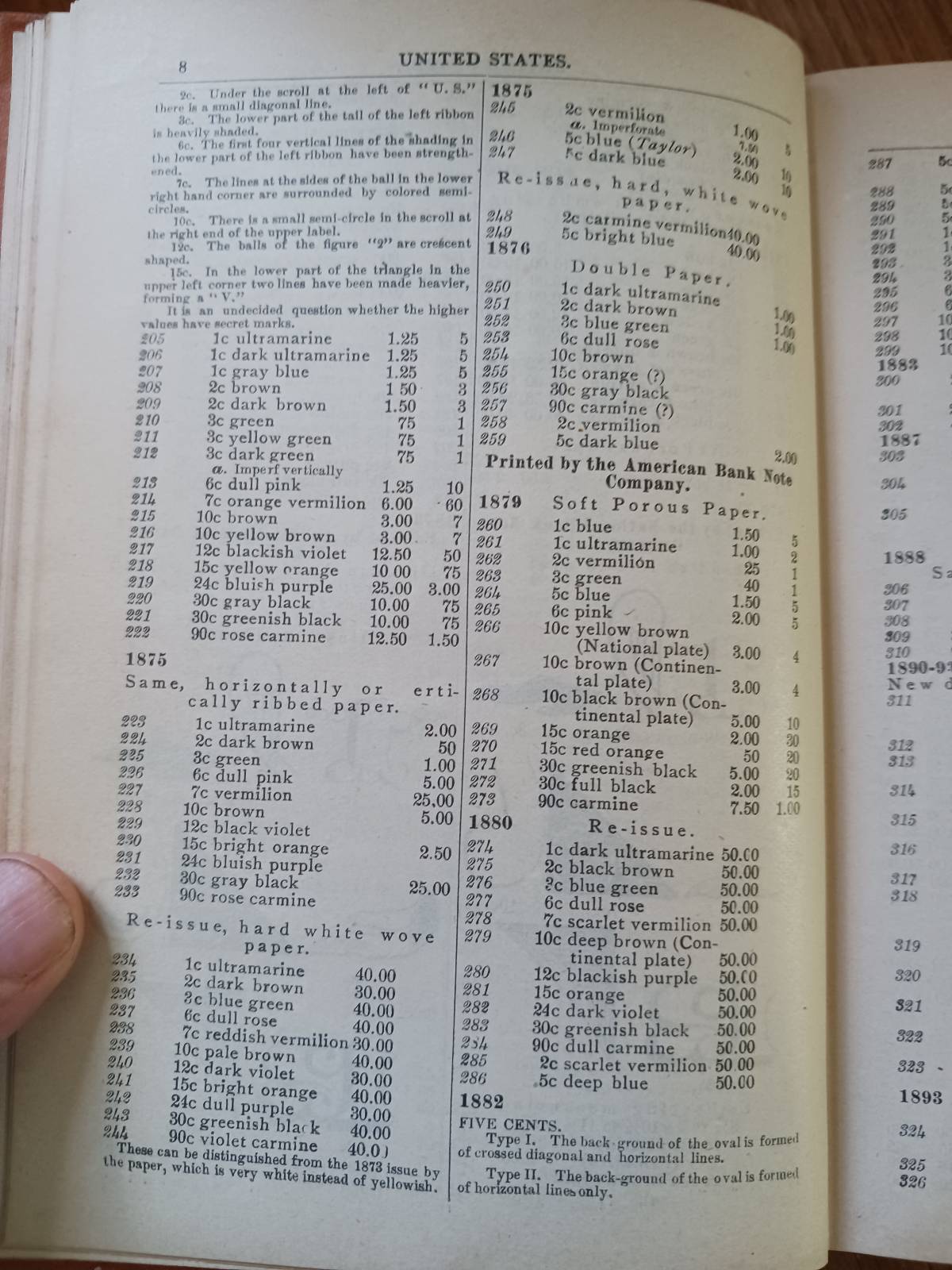
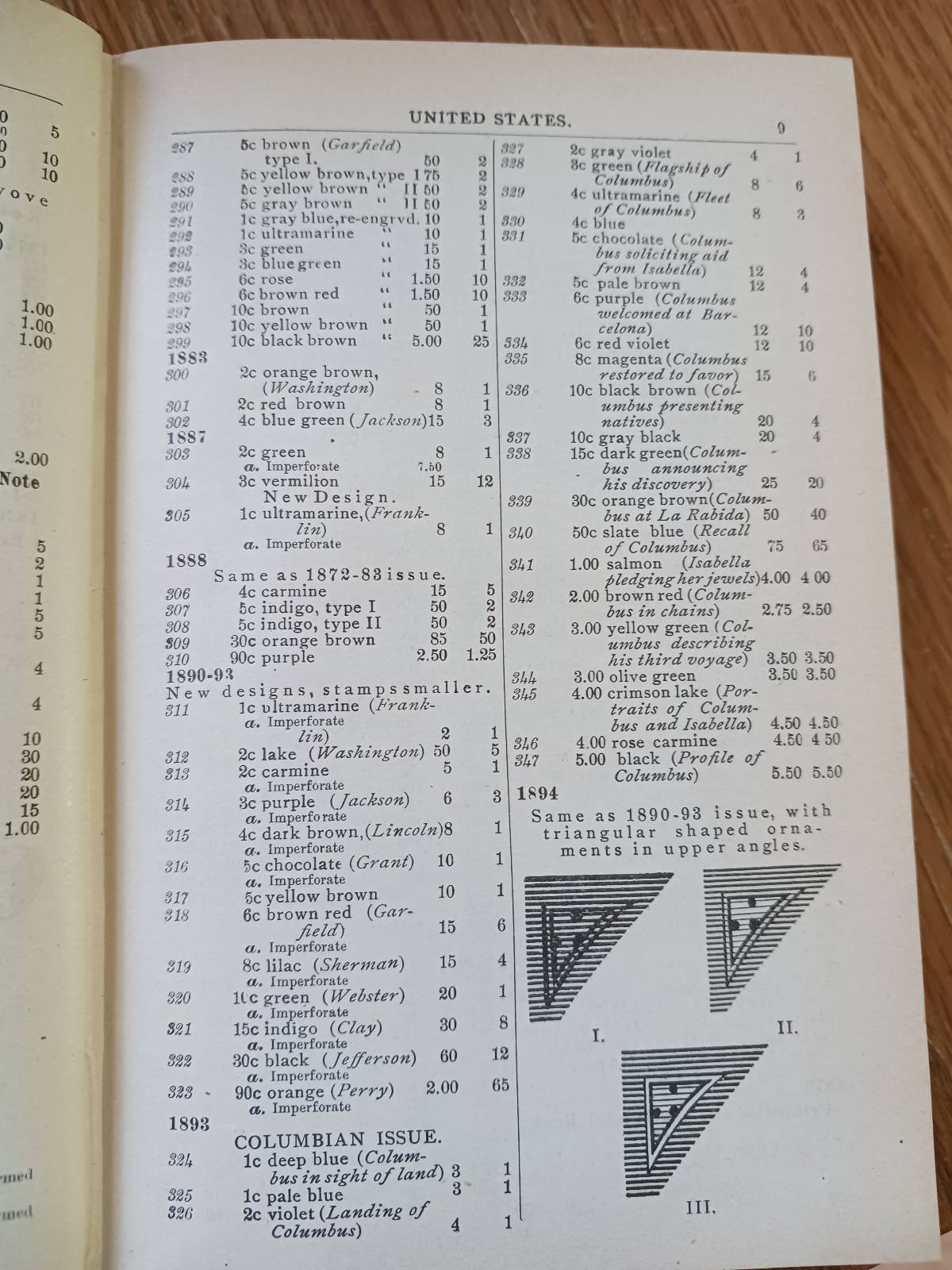
The numbering system used in 1898 was changed to the current system in 1940.
Proofs are very different from special printings and re-issues,created for a totally different purpose, which is why they are listed separately.. |
|
Send note to Staff
|
| Edited by revcollector - 06/09/2024 6:30 pm |
|
|
Valued Member
United States
81 Posts |
|
|
Inspired by the discussion in this thread, myself and a colleague (also a SCF member) reviewed the nature of the special printings of 1875 and the P4 card proof sets of 1879 and later.
In short, both sets were produced for "philatelic enjoyment" or even "philatelic fulfillment," if you will. The 1875 reprints were produced specifically for "stamp gatherers," as the POD characterized them, and were available for purchase. The 1879 and later card proof sets were "favor proofs" which could be obtained without charge courtesy of your Congressman. In the late 1930s and 40s, Brazer wrote about Congressmen giving away P4 proof sets "in the same manner as they now distribute garden seeds and were quite popular."
As the "philatelic enjoyment" aspect is common to both, in that respect there was no difference in purpose.
One aspect of the 1875 program was to make available copies of older stamps, particularly #1, #2, and the stamps of 1851-60, which were unavailable because they had been demonetized. Another was to generate copies for a display of US postage stamps at the 1876 Centennial Exhibition, although documentation in support of this popular notion is surprisingly thin.
A cleaner way to distinguish them from actual postage stamps in the catalog would be to have a separate "Special Printings" section, just like proofs are listed separately. Then US collectors, especially newbies, wouldn't have to puzzle over why the catalog jumps from 1847 to 1875 to 1851 within a matter of 5 listings.
That the P4 plate proofs are allocated to the Essay & Proof section of the catalog makes sense given that they weren't produced for purposes of imitating the form of issued stamps. But if we consider that for both sets, the government was catering to people's enjoyment or appreciation of stamps, then there was really no difference in purpose.
[Edited for clarity & accuracy] |
|
Send note to Staff
|
| Edited by PhilaFactor - 06/13/2024 11:55 pm |
|
|
Pillar Of The Community
Netherlands
6647 Posts |
|
|
Quote:
Also agreed about early Scott catalogue listings. They are a mess. This was apparently done way back then when Scott was both a dealer and a catalogue publisher to create as many "different" stamps as possible to profit from more stamps to sell. So, yes, a "conflict of interest." Plus, in the early days of stamp collecting there just weren't enough stamps to collect, so collectors collected everything possible such as cut squares and various other "stamps" no longer part of a standard collection, so why not have even more to sell? The emphasis was clearly not on listing only clearly different stamps.
British stamps also suffer from the same silly compulsive need to list every conceivable type of the same stamp as if it deserved a different catalogue number. Ever spent time with the Stanley Gibbons Great Britain catalogue? Ho - ly Smokes! Welcome to eyestrain and a headache. So it's not just Scott that does this. The Scott Specialized U.S. catalogue really does need an overhaul. I am not sure what that part of British stamps is based on. The SG numbering shows most of the specialised items have been added later. Most varieties only are listed in the specialised catalogues that are of later dates. It appears that you are projecting current specialised listings on early collecting habits. 'Shades' did not really take off until King Edward VII and even more so with King George V. The number of listed shades for Victoria issues is quite limited where there is a wide range in existence. The depth of the listings for the Jubilees is extremely basic when compared to those from the ensuing reigns. The number of shades from the Jubilee issues onwards with Hendon certificates is enormous compared to those listed by SG and dates to more recent decades, not to the early days of collecting. SG has clearly stated its policy on listing shades. There is no intention to follow the 'Hendon' shades. The Penny Red listings in the Concise that have their own catalogue numbers is very limited compared to the more recent specialised listing that builds also on more recent studies. These stamps did undergo a lot of changes that were intentional and are not 'as many "different" stamps as possible.' |
|
Send note to Staff
|
|
|
Valued Member
30 Posts |
|
|
Scott (now Amos) should list color number equivalents to a standard like the "Standard Colors Used in U.S. Government Procurement". It's absurd that even some certifying authorities will sometimes disagree on a color! https://ams-std-595-color.com/ |
|
Send note to Staff
|
|
|
Replies: 28 / Views: 4,962 |
|



 Posted 06/08/2024 08:10 am