| Author |
 Replies: 19 / Views: 1,698 Replies: 19 / Views: 1,698 |
|
Valued Member
Switzerland
81 Posts |
|
|
|
|
Valued Member
Switzerland
81 Posts |
|
|
Valued Member
Switzerland
81 Posts |
|
|
Pillar Of The Community
United States
4193 Posts |
|
|
Moderator

United States
5109 Posts |
|
|
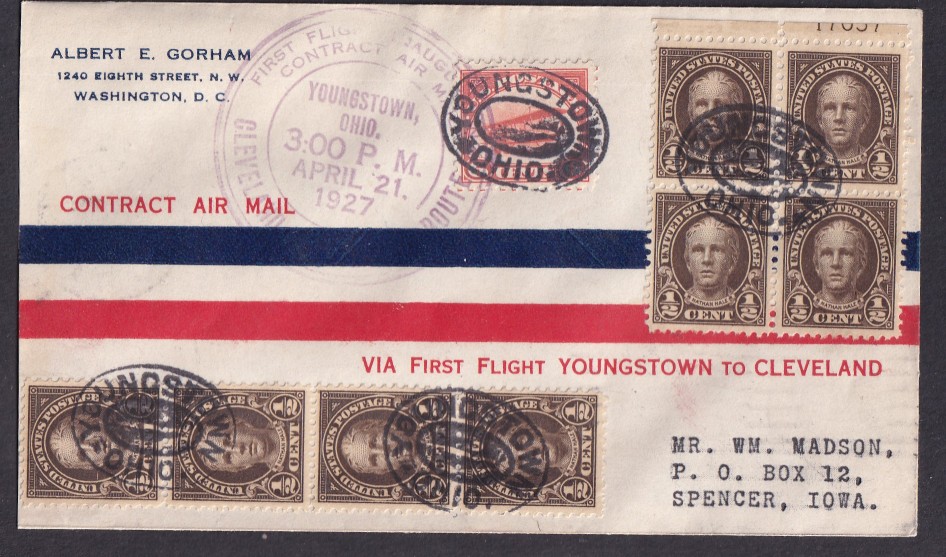
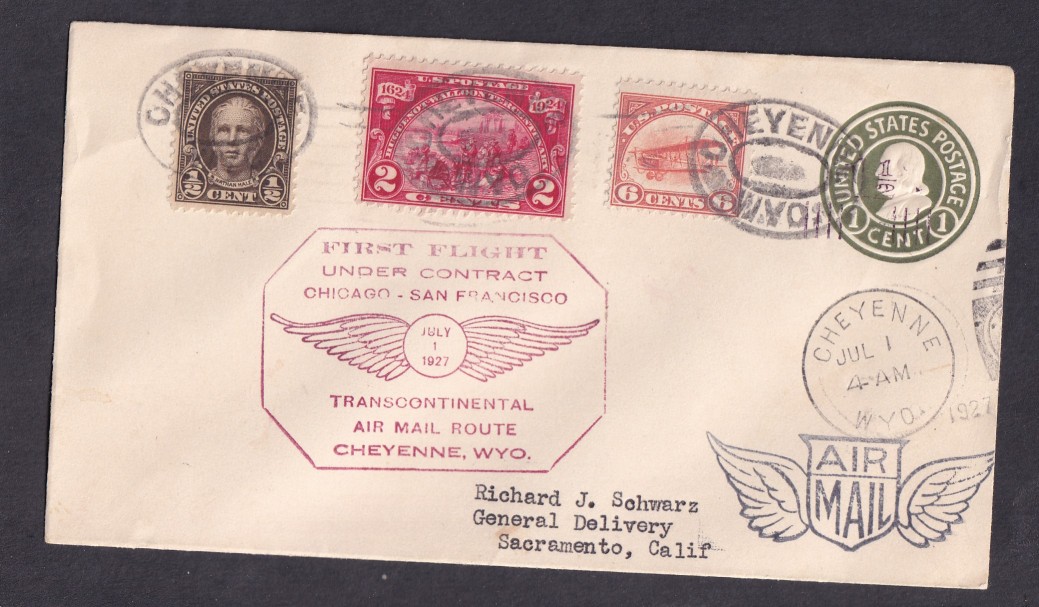
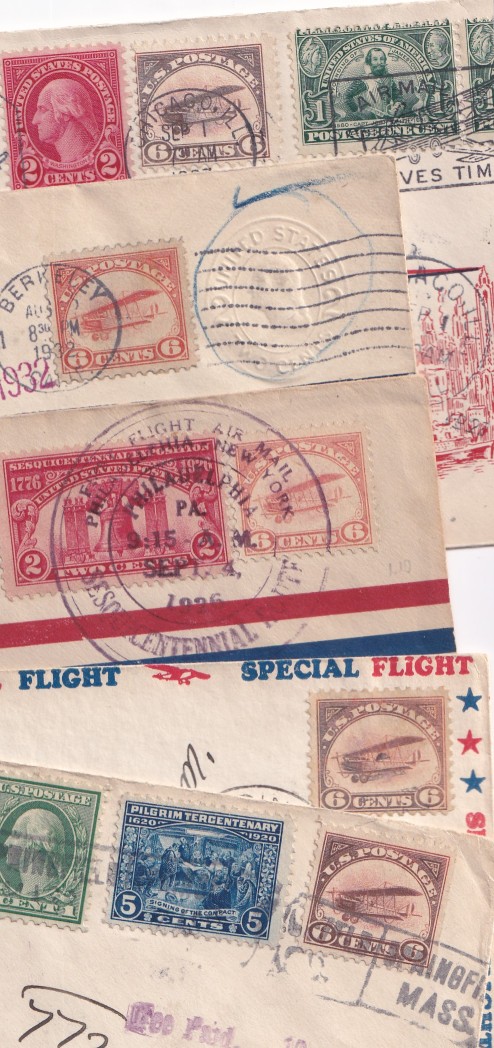
I think the OP, trust, should try to do a better job of asking their question. In this thread, I see a title, then three postings of different covers. Why not just give us a hint at what you are asking? For example, "Here are some covers in my collection. The 6 cent air mail stamp is noticeably different. In the first / second / third cover, it looks normal to me. However, the (place here) cover is much lighter. I've reviewed this website and others and have not seen anything similar. Your comments would be appreciated." |
Send note to Staff 
|
|
|
Pillar Of The Community
United States
2830 Posts |
|
|
Likely a language gap but we should consider being tolerant. Trust- perhaps you might consider typing your question into google translate and paste the English results into your post(s) so we better understand your questions.
Raymac mentioned sulphurization in another thread and it's mentioned in this thread as well. How is this different than oxidation? |
|
Send note to Staff
|
|
|
Pillar Of The Community
United States
4193 Posts |
|
|
"Raymac mentioned sulphurization in another thread and it's mentioned in this thread as well. How is this different than oxidation?"
sulphurization is just a better name for the same thing |
|
Send note to Staff
|
|
|
Valued Member
Switzerland
81 Posts |
|
|
this stamps was between 1918 and 1940 not pre 1900 and my opinion oxidisation not usual in this time
|
|
Send note to Staff
|
|
|
Pillar Of The Community
Netherlands
6650 Posts |
|
|
It is astounding that in 100 - 160 years, OPs "colours" have remained unknown. Yet almost each stamp OP has is an unknown colour error. The odds just are not there.
And if sulphurisation is mentioned, according to OP, in one thread suggests the sulphurisation occurs only on the 1851 and not on the 1861 issue. And in this thread sulphurisation affects pre-1900 stamps, but not 1918 - 1940 stamps.
OP even goes as far as posting links to completely irrelevant black-and-white images of pink stamps with offsets on the back in a post about a brownish black stamp that looks not even close to such a colour.
Simple solution: let OP send his items either to an expertiser or put them up for auction, if any auction house is willing to accept the consignment. |
|
Send note to Staff
|
| Edited by NSK - 07/21/2024 05:09 am |
|
|
Pillar Of The Community
Switzerland
500 Posts |
|
|
"Raymac mentioned sulphurization in another thread and it's mentioned in this thread as well. How is this different than oxidation?"
sulphurization is just a better name for the same thing
Um, no. Oxidation, in this case, is the reverse process of sulphurisation.
trust: Essentially, 1918 is a key date for US inks. Prior to 1918, The Bureau of Engraving and Printing used German inks, like everyone else. The Germans were the "Kings of Inks", so everyone went shopping in Germany.
With the US entering WWI in 1918, that source was gone so the BEP had to develop its own inks. German inks had contained lead as a coloring agent (particularly yellow/red inks), and we can assume the BEP inks also contain lead during that transition phase.
Your 1918 stamps have sulphurised the lead in the stamp to varying degrees. This turned lead into lead sulfide, a black substance. The longer you wait, the blacker the stamps get (particularly if the stamps are/were stored in PVC sleeves).
To (sort of) repair the damage, you dip the stamps in a hydrogen peroxide solution (or use a brush dipped in H2O2). This process will oxidise the lead sulfide into lead sulphate, a colorless substance. Once the stamp is (sort of) restored to its original color, you have to wash the stamp in deionized water to remove excess hydrogen peroxide. Depending on the severity of sulphurisation, this takes minutes to hours.
Note this process does not remove any sulphur or lead from your stamp. If you put the stamp back into a "bad album", the process will restart. The process also damages the paper structure if applied too often, so doing it once is the charm. |
|
Send note to Staff
|
|
|
Valued Member
Switzerland
81 Posts |
|
|
Valued Member
Switzerland
81 Posts |
|
|
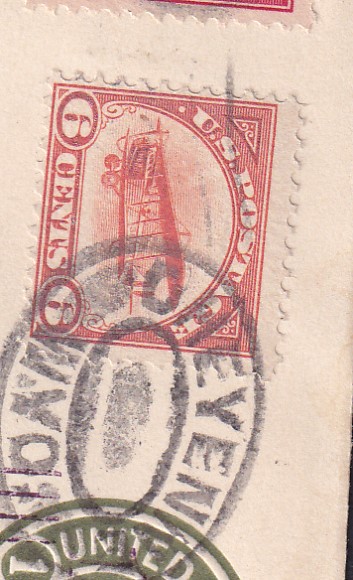
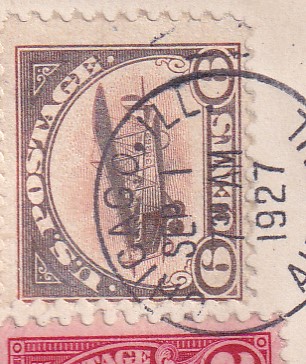
the colour around plan in centre still orange while remainint of stamp is different this is question ?
it I just discussion and stamp on cover and not removed to lnow what is happening |
|
Send note to Staff
|
|
|
Pillar Of The Community
Switzerland
500 Posts |
|
|
Don't worry.. the color of the plane will turn brown/black over time :-)
Again, this is sulphurisation in advanced stages. Remedy the problem as I have written or remove the letter from any other letters as the problem is also infectuous and can spread to other stamps. |
|
Send note to Staff
|
|
|
Valued Member
Switzerland
81 Posts |
|
|
hhhh it is not infectious process I am professor in medicine donot worry at all |
|
Send note to Staff
|
|
|
Valued Member
Switzerland
81 Posts |
|
|
Pillar Of The Community
United States
4193 Posts |
|
|
"Um, no. Oxidation, in this case, is the reverse process of sulphurisation"
From a chemistry viewpoint you are correct, but in the hobby far more people say originally orange now brown stamps are oxidized bit sulphurized. (Just like far more people call a reverse image on back offset instead of setoff).
"To (sort of) repair the damage, you dip the stamps in a hydrogen peroxide solution (or use a brush dipped in H2O2). This process will oxidise the lead sulfide into lead sulphate, a colorless substance.....Note this process does not remove any sulphur or lead from your stamp"
That's the thing. It does not return the stamp to its original condition, only (sometimes if it is not too far gone) to its original appearance. You now have an altered stamp that can only be detected by analytical methods. |
|
Send note to Staff
|
|
|
Replies: 19 / Views: 1,698 |
|




 Posted 07/20/2024 5:08 pm