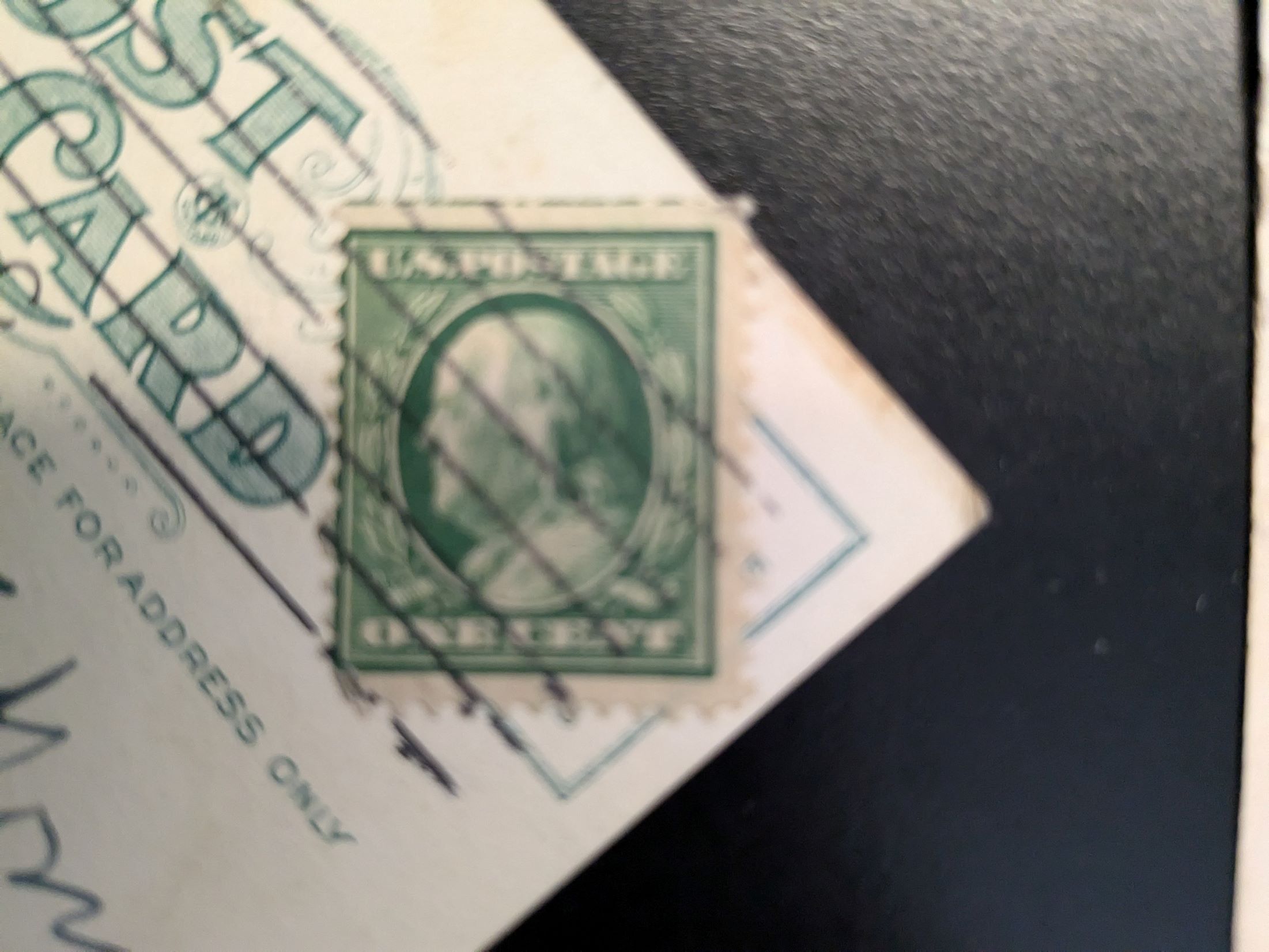
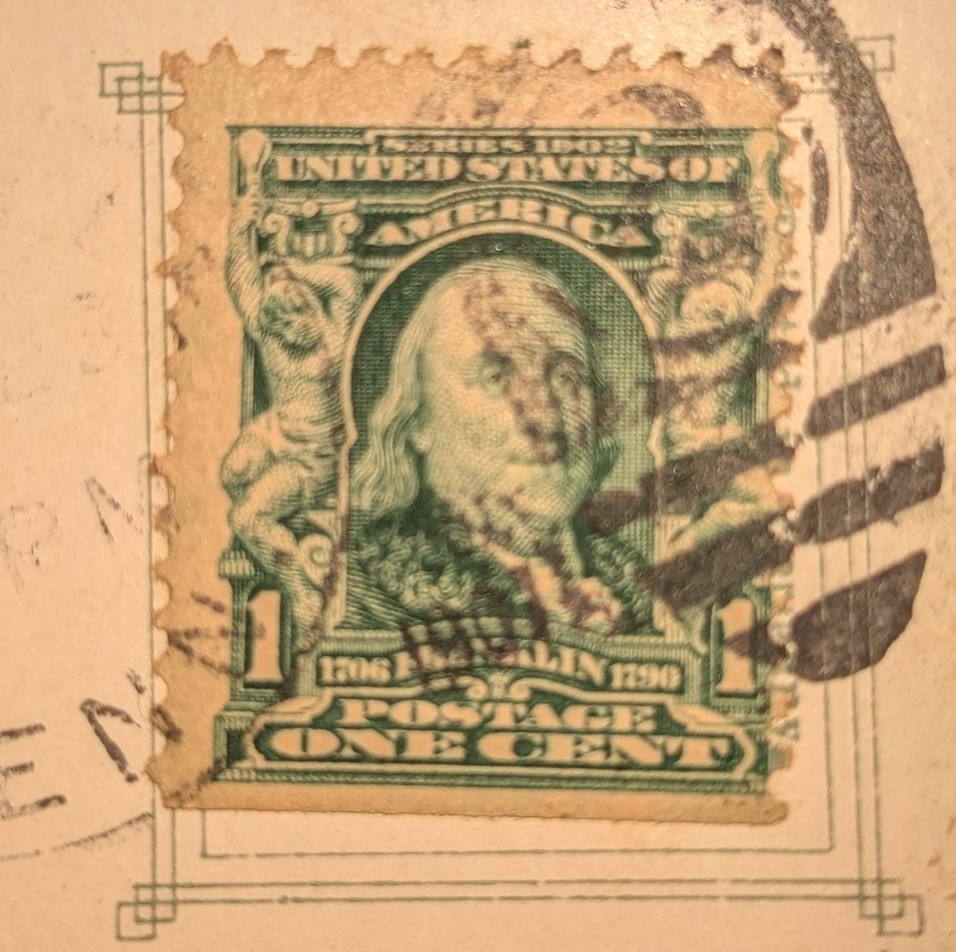
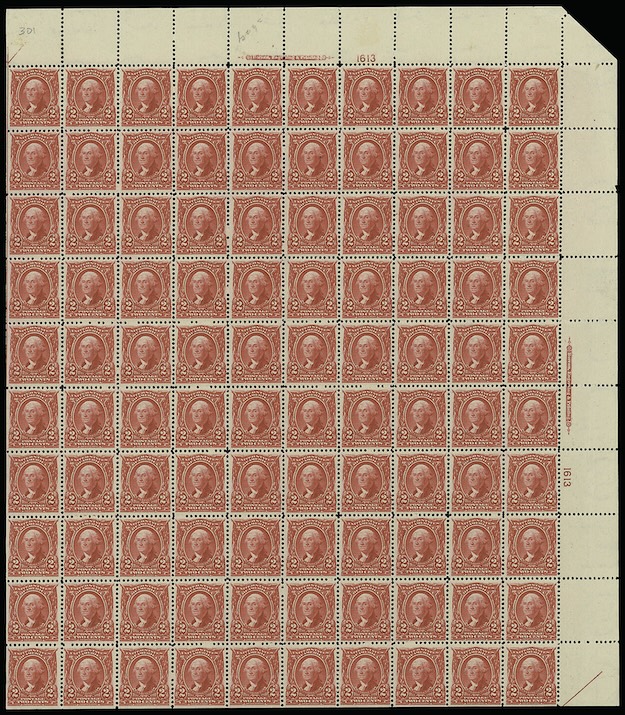
These are NOT stamps from a booklet pane. (No idea where Philazilla is getting incorrect info from).
Booklet panes of this era have the format of 2 stamps wide by 3 stamps tall with a tab at the top as follows (image borrowed from Hipstamp):
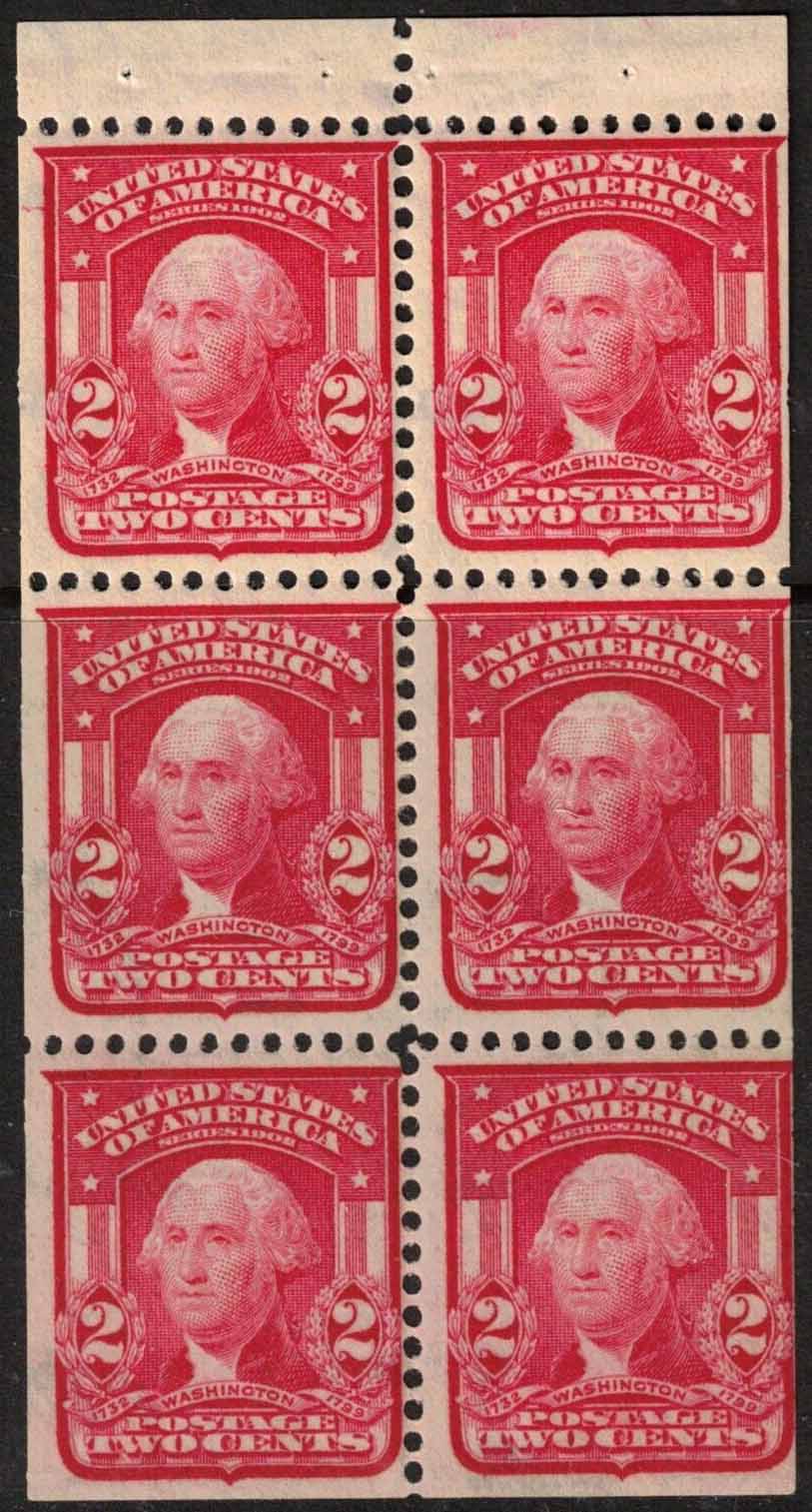
In more detail, the panes of 100 which were sold over the counter were printed in press sheets of 400 and cut into 4 panes of 100 for retail sale. These cuts created panes with straight edges along 2 sides and selvage on the two other sides. Thus a pane of 100 had 18 stamps with one straight edge and one stamp from the corner with 2 straight edges.
For booklets, every stamp will have one or two straight edges, but only in certain configurations, which must match one of the six positions in the pane illustrated above.
Overall:
Straight edge at the top:
must be from a sheet (meaning pane of 100, but will use the term sheet here)
Straight edge at bottom only,
must be from a sheet.
Straight edge at bottom and 1 side, can be from booklet pane or the corner of a sheet, requires further examination.
Straight edge at one side or the other, can be from booklet pane or the
corner side of a sheet, requires further examination.
Bottom line, the stamps you show so far can only be from sheet-stock.
(The exception to the pane format comes with the scarce WWI AEF panes, but that is later and not directly relevant here.)
As for retail value, essentally nothing for these stamps. Even IF they had been from booklets, there is only a very modest demand from specialists for them, and the lack of pricing booklet singles by Scott means little added value - unless they are in full panes of 6. The value of your items will be driven by the postmarks and the postcards.





 Posted 12/02/2024 12:56 pm