| Author |
 Replies: 24 / Views: 1,886 Replies: 24 / Views: 1,886 |
|
Valued Member
148 Posts |
|
|
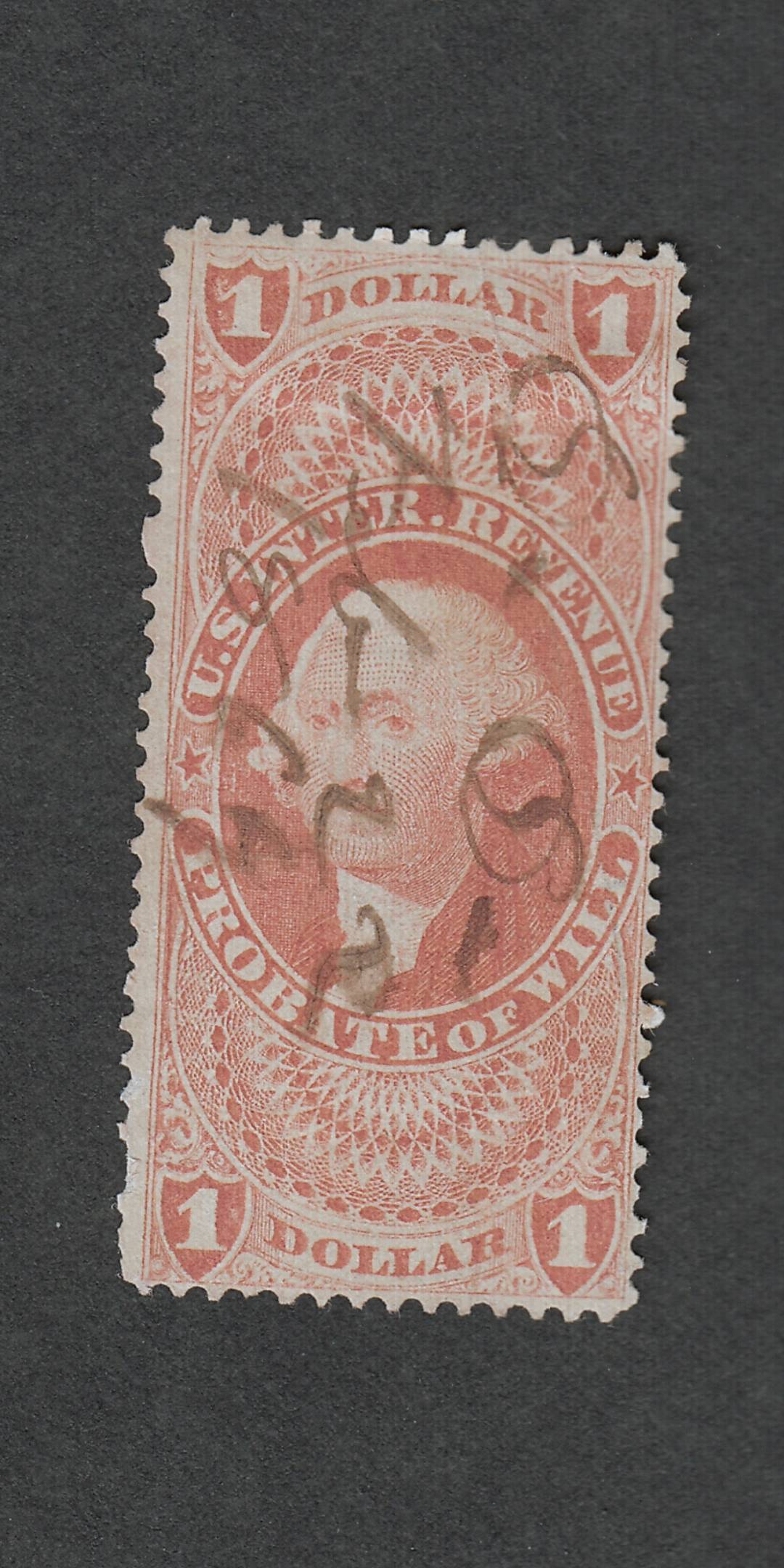
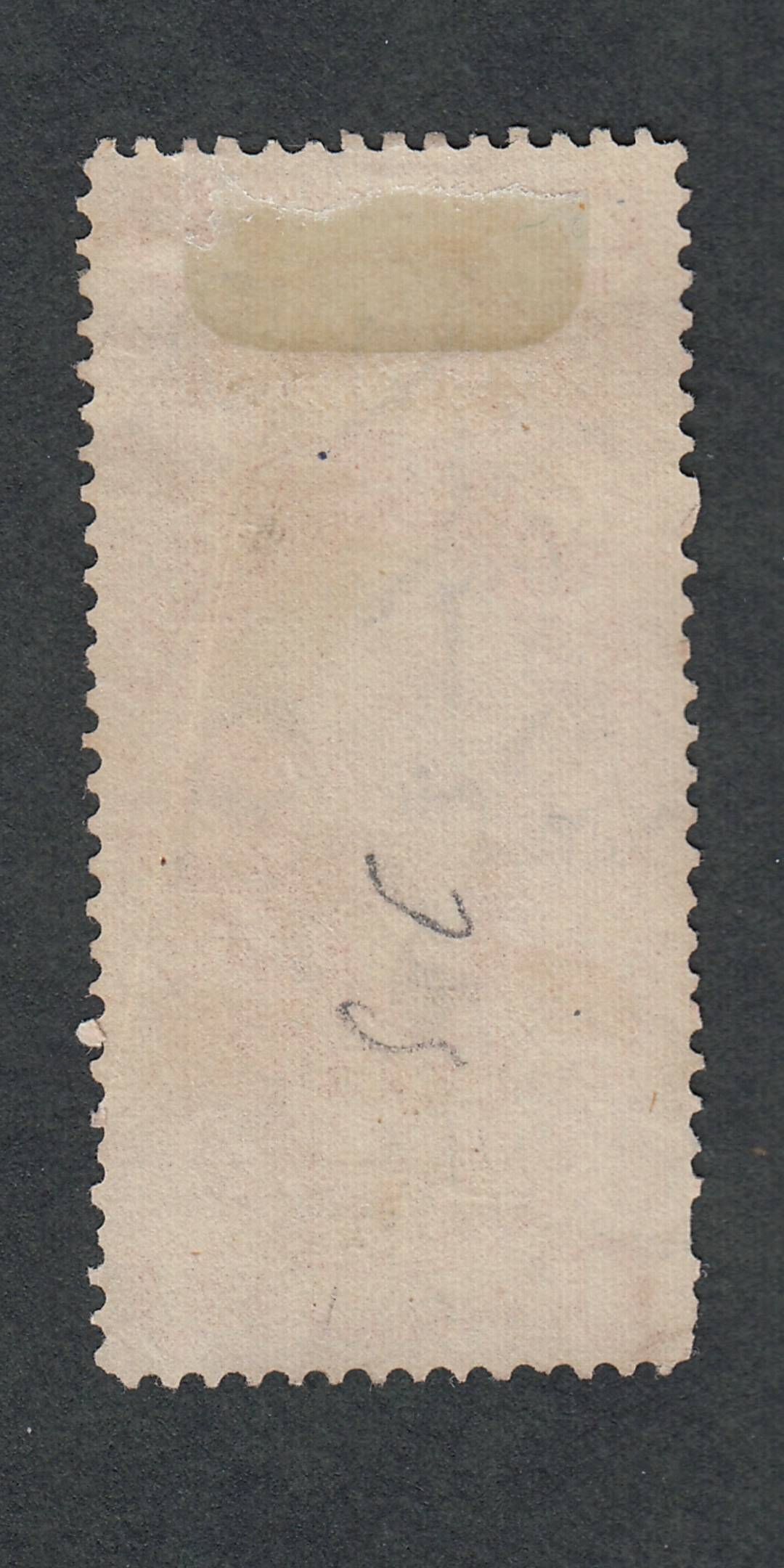
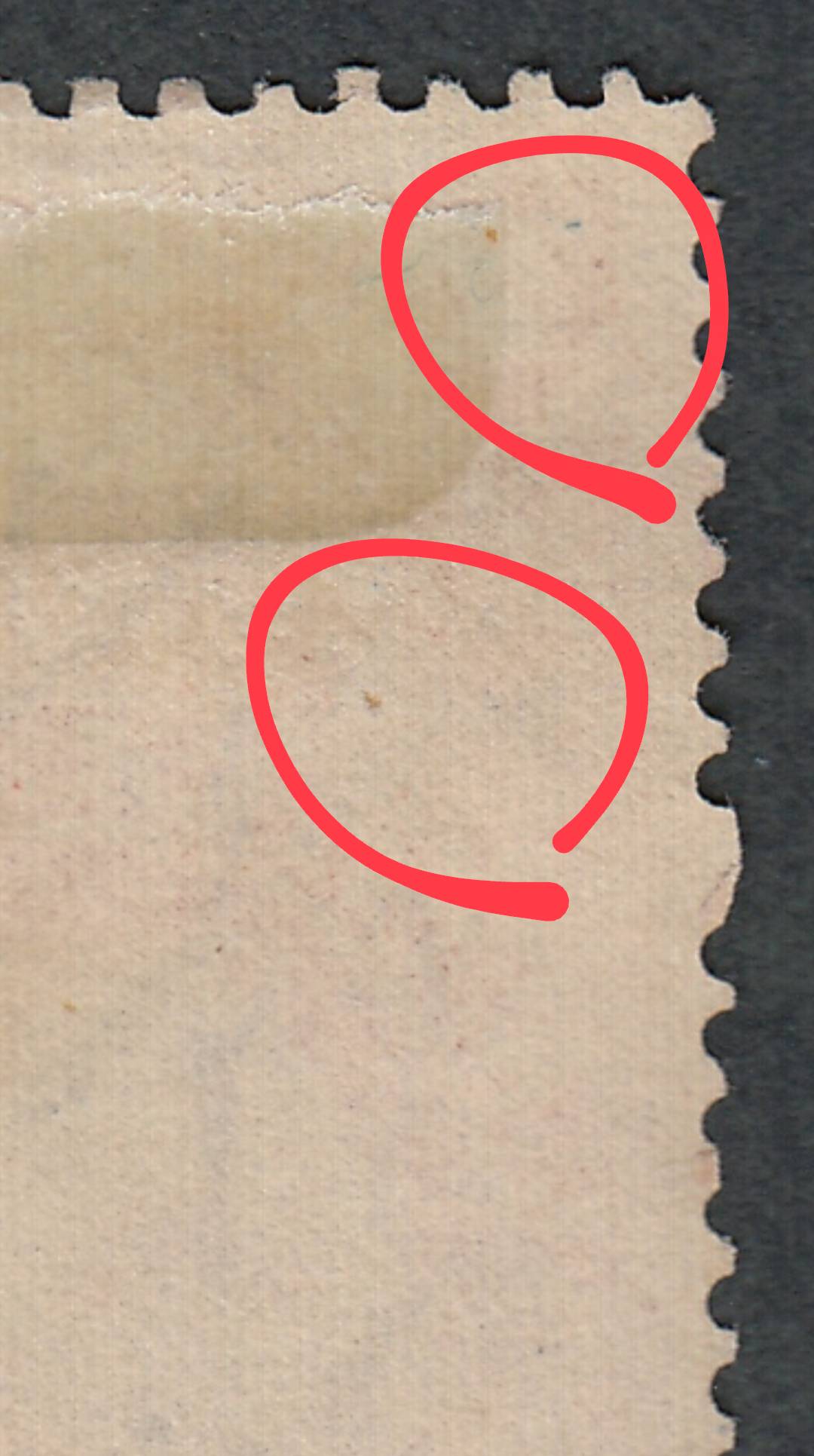
I recently picked up a page with R66-R80, and bought it because there were some silk paper candidates that had the right dates & colors and whatnot. But as I was taking them off the page I noticed there were others also labeled "S" behind the stamp that don't have a silk listing in Scott. I checked them, and they do seem to have silk fibers in the paper, and also do have the same paper brightness and consistencies. I know that it can be a difficult task to locate blue silk fibers in any blue 1st issue revenue, but there seems to be some in this r78, as the previous owner (probably) had suggested. 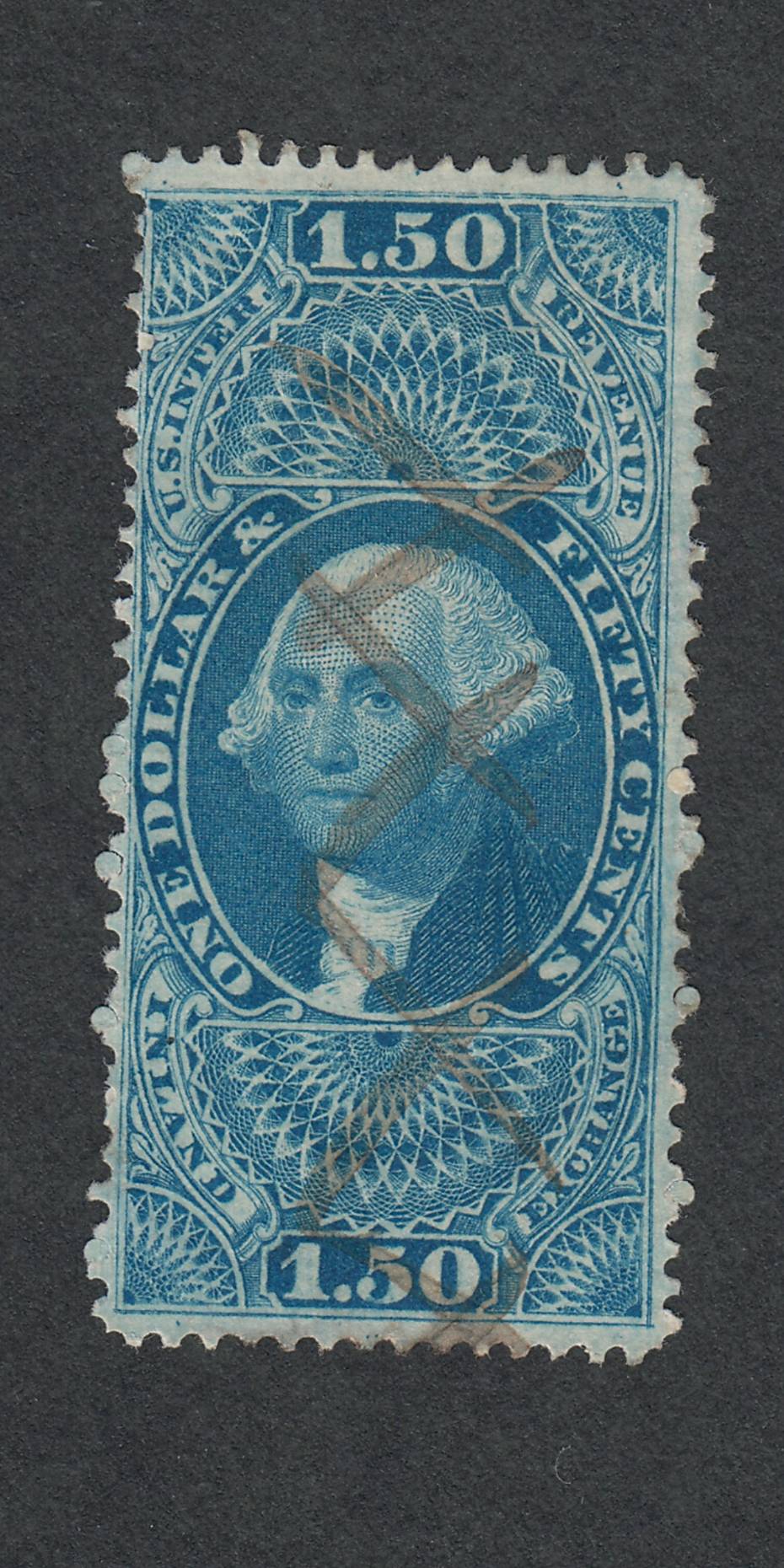 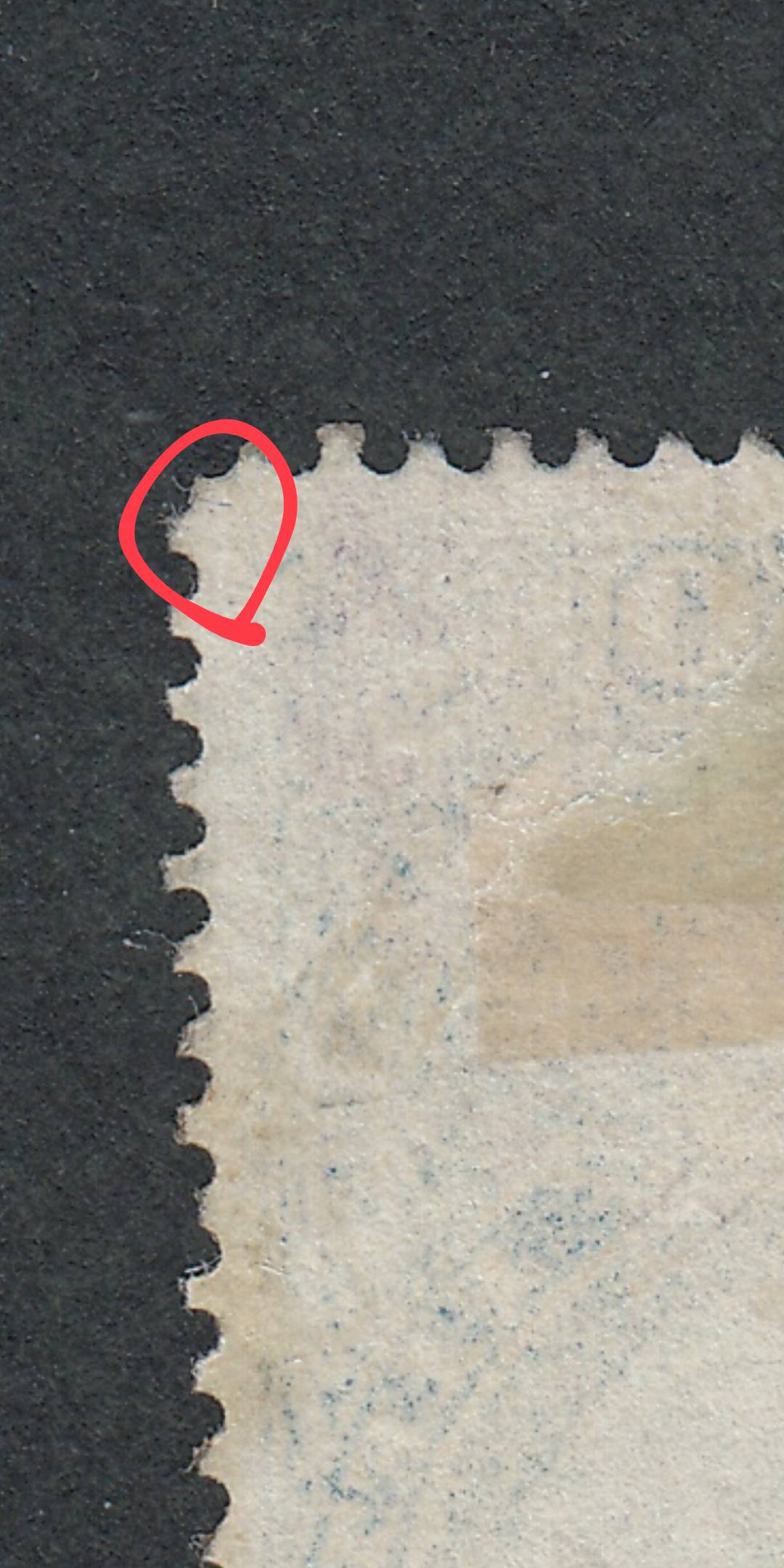 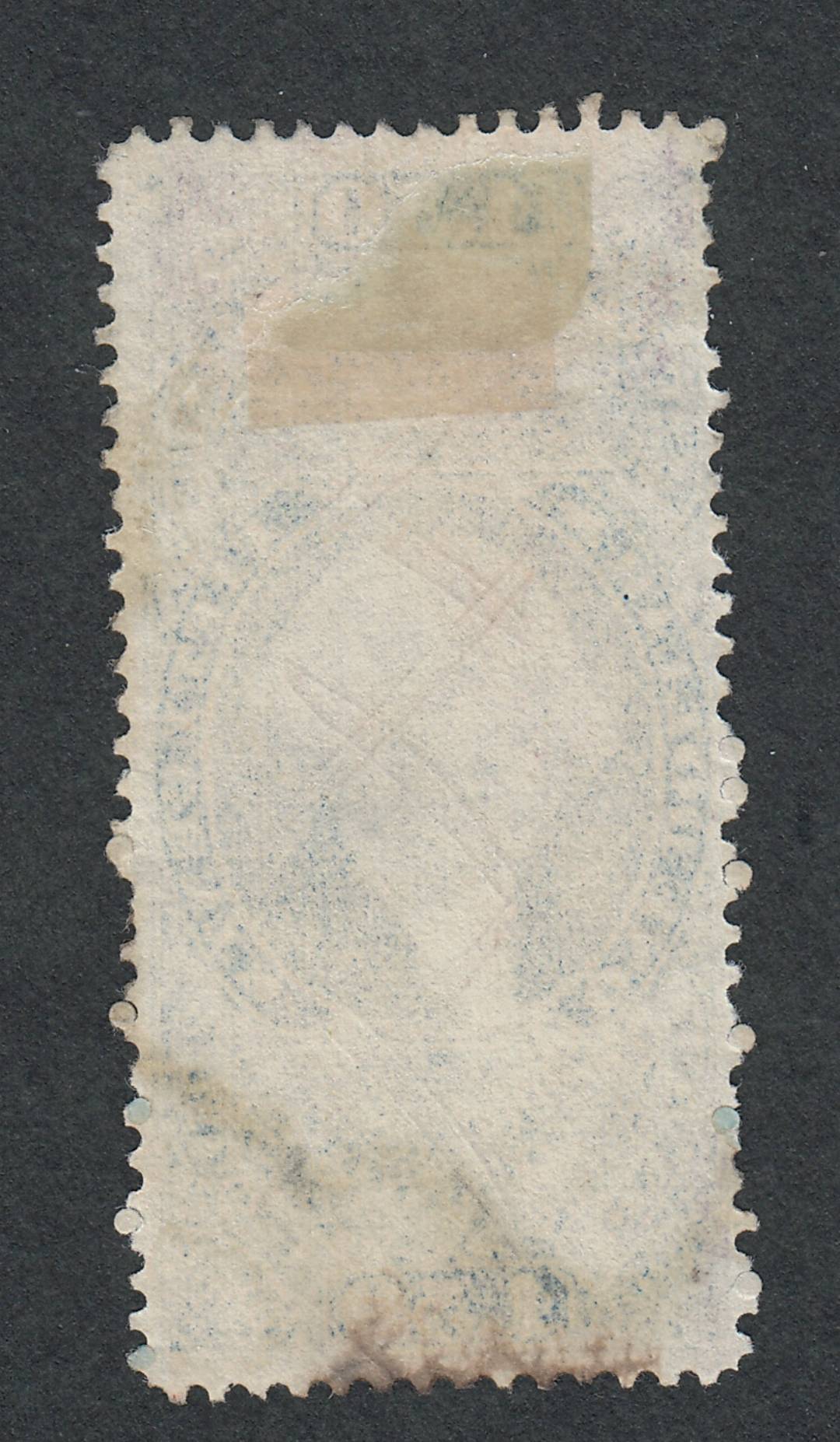 I have two questions: 1) If it is not listed in Scott, does that just mean no known copies have been found, or is there evidence to suggest that silk paper 100% does not exist for the issuance? 2) How can I get my images as close to the silk fiber and as crystal clear as the images found on revenuecollector.com? I try the best I can with my scanner and camera but the closeups on that website are AMAZING! Any specific piece of equipment I could buy would be very helpful. |
|
Send note to Staff
|
| Edited by solomons_prayer - 03/08/2025 11:49 am |
|
|
|
|
Valued Member
148 Posts |
|
|
Valued Member

United States
356 Posts |
|
|
Ibought a digital microscope and am pleased with the detail it provides. The brand is annlov, and is available on Amazon I believe. |
Send note to Staff 
|
|
|
Pillar Of The Community
United States
796 Posts |
|
|
When looking for silk threads in first issues revs keep in mind that the fibers are short and blue. The paper used at times was "dirty" looking with wood, burlap and other fabric scraps of poorly digested material. Dark blue drug paper is often mistaken as well, though always on the surface and not imbedded. As for dates mid 1870-1 are given in the Boston book. A good strong loupe and sometimes backlighting will help determine fiber color. Blue offset dots can also be misread but the surface only comment applies.
Edited to fix grammar and spelling. |
|
Send note to Staff
|
| Edited by m and m - 03/08/2025 2:15 pm |
|
|
Bedrock Of The Community
United States
10862 Posts |
|
|
The $1.50 is not silk paper. It's much too thin, with a lot of blue showing through the reverse. The 25 cent was used in 1869, so it cannot be silk either. Silk paper did not come out until 1870. |
|
Send note to Staff
|
|
|
Valued Member
148 Posts |
|
|
Chipshot- I'll check that out! Thank you! I'm planning a move in a few weeks, so when the dust settles and I purchase one, I'll update the thread here with closeups of the "threads".
M and m- I know what you mean about the "surface only" comment. Genuine silk threads almost always show partially surfaced portion while the rest of the thread dives into the paper, kind of like a snake poking it's head out of the water. It appears to look like this through my loupe, but a microscope will determine whether it's silk or not. As you said, it may be in the paper but not a genuine silk thread, but some other dirty thing put in the mesh.
Revcollector- I agree that the $1.50 seems way to thin to be silk paper, so the blue thread I point out is probably not a silk fibre.
As for the dates, I agree with the revenue collector website that backstamps can exist, and are written with an earlier date to account for an earlier time of purchase! |
|
Send note to Staff
|
|
|
Valued Member
148 Posts |
|
|
Revcollector- Also, how sure are we that those are the only years silk paper was produced? The Boston Book seems to express a degree of uncertainty when talking about the dates in particular by using adverbs like "probably", "possibly", "potentially".
So I wonder if it would be better (as a collector) to put more focus on studying the would be "silk threads" and paper types rather than on the dates, given the points mentioned above.
What are your thoughts on that? |
|
Send note to Staff
|
|
|
Pillar Of The Community
United States
796 Posts |
|
|
The woes of obtaining suitable for stamp paper from the mid war period are well known. The switch from cotton and rag to wood pulp was also happening. All kinds of experimental ideas were being tried to both improve the product and prevent revenue loss. The Boston book writers were apparently unable (or unwilling) to expand the issue beyond the information given.
There would have been no reason to not include fabric scraps and packaging in the "stuff" during manufacture, and if improperly shredded for it to show up in the finished product. |
|
Send note to Staff
|
|
|
Bedrock Of The Community
United States
10862 Posts |
|
|
Back dating was only a real possibility early in the tax period. By 1869 everyone was familiar with how the laws worked. And in 55 years of collecting and studying revenues, I have never found a genuine silk paper stamp used before 1870. |
|
Send note to Staff
|
|
|
Valued Member
148 Posts |
|
|
Thank you Revcollector and m and m.
There are certainly a large variety of "stuff" thrown into US Classic stamps, not only the revenues, so I hope to get a microscope in to examine genuine silk fibres and compare them with any potential imposters!
Revcollector- Do you mean to say that a silk paper dated before 1870 is impossible in your opinion? |
|
Send note to Staff
|
|
|
Bedrock Of The Community
United States
10862 Posts |
|
|
Valued Member
148 Posts |
|
|
Impossible! I got it! If that's the way the experts think, then it wouldn't be worth submitting even if it looks like silk paper. They will probably just look at the date and say "blue stuff mixed in with the mesh, not silk".
That would make it easier for them.
Good to know.
I rarely submit anything if I don't have at least 80% confidence in it myself. |
|
Send note to Staff
|
| Edited by solomons_prayer - 03/09/2025 9:52 pm |
|
|
Bedrock Of The Community
United States
10862 Posts |
|
|
It has nothing to do with being "easier". It has everything to do with 55 years of experience and having seen hundreds of both genuine silk papers and want to be silk papers. And knowing what the paper itself looks like and the shades it comes in on various values. |
|
Send note to Staff
|
|
|
Valued Member
148 Posts |
|
|
That's incredible experience! I want to be able to get up to that level as well. When I get my microscope in I'll be able to compare images of genuine silk with images of threads that only appear to be silk through a loupe.
Surely, silk threads must have unique characteristics that experts recognize when looking at them so closely! |
|
Send note to Staff
|
|
|
Pillar Of The Community
United States
6469 Posts |
|
|
Valued Member
148 Posts |
|
|
@revenuecollector- You have made an AMAZING website. It's what I always use! Actually, I don't know if it's allowed or not, but let me know if I ever post a revenue that you want, and I will send it to you.
The information you provide is more valuable than any stamp I've obtained, seeing as I've obtained them because of your help. I know you probably don't need anything that I got, but it's the least I can offer.
And great catch on the top doubling. I was so laser-focused on the threads that I totally missed that. |
|
Send note to Staff
|
| Edited by solomons_prayer - 03/11/2025 11:47 am |
|
|
Replies: 24 / Views: 1,886 |
|




 Posted 03/08/2025 11:46 am