| Author |
 Replies: 96 / Views: 6,933 Replies: 96 / Views: 6,933 |
|
Pillar Of The Community
Israel
4904 Posts |
|
|
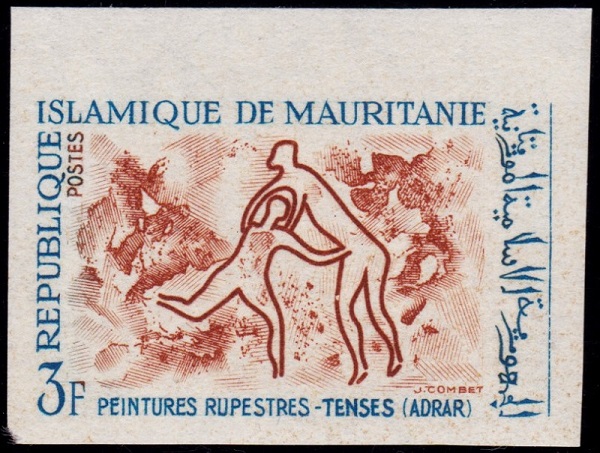
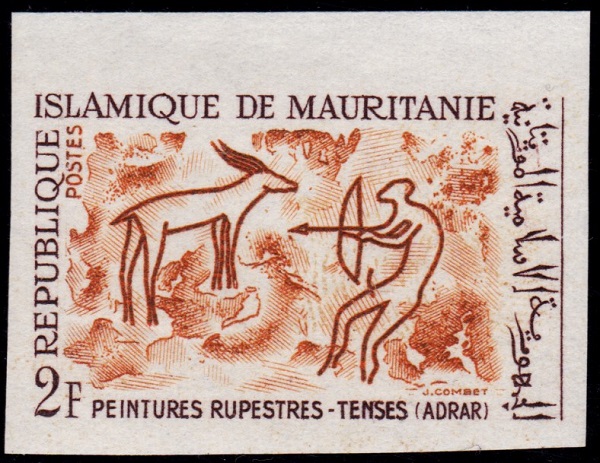
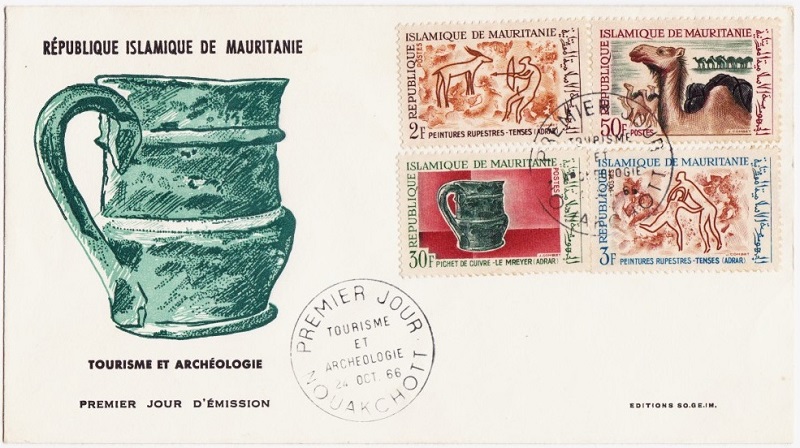
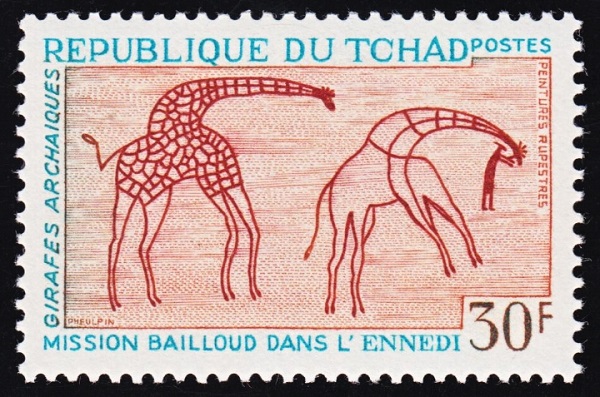
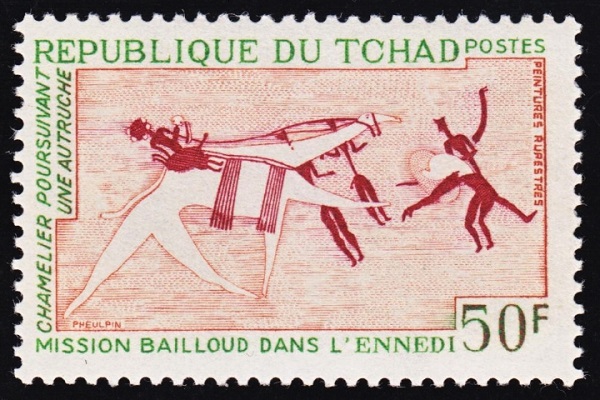
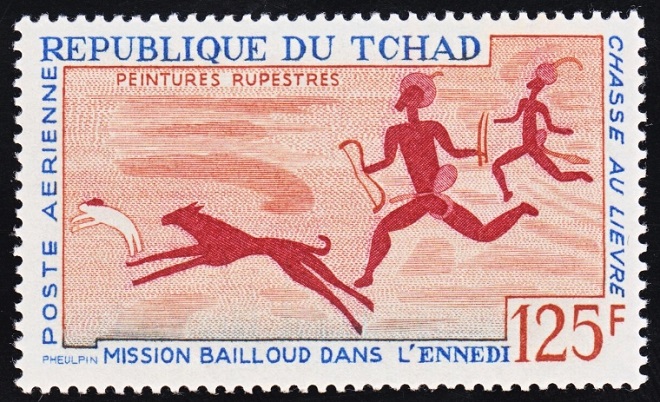
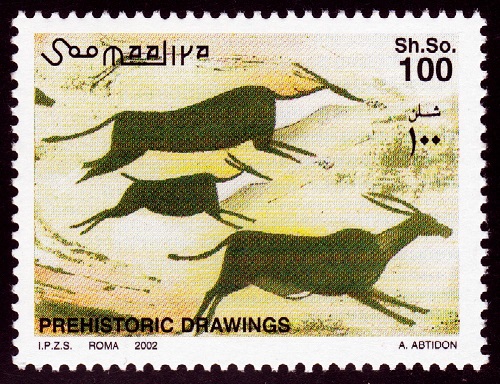
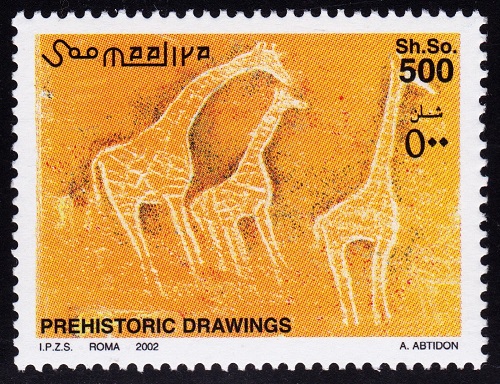
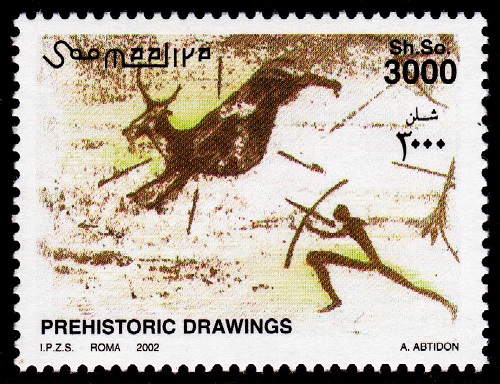
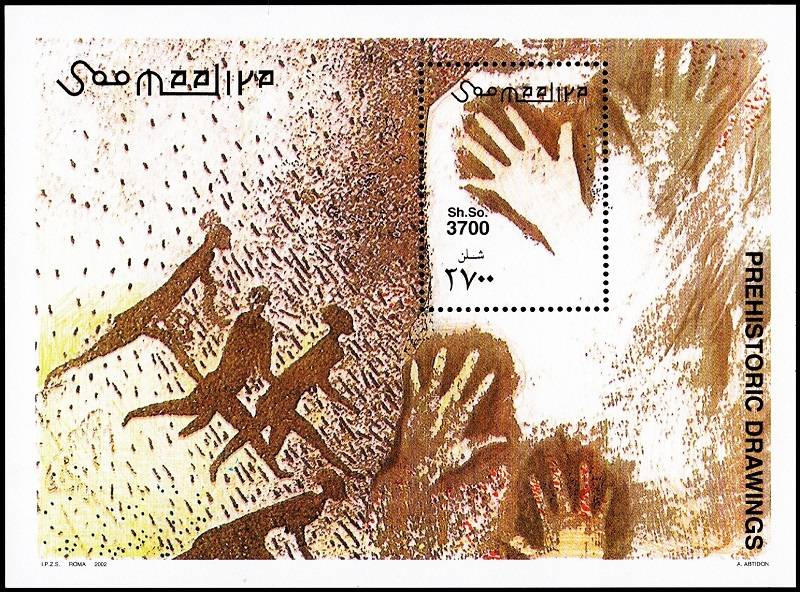
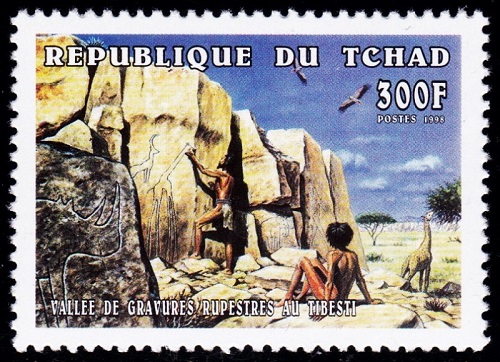
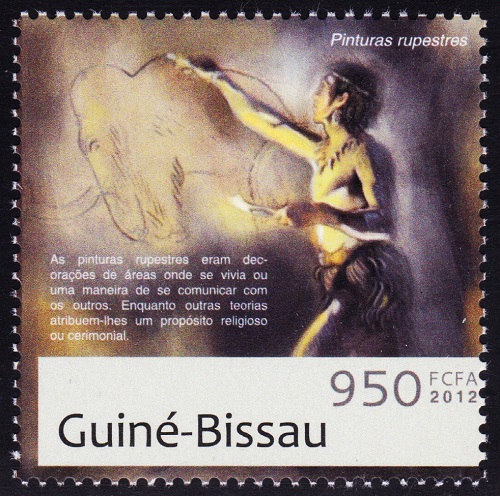
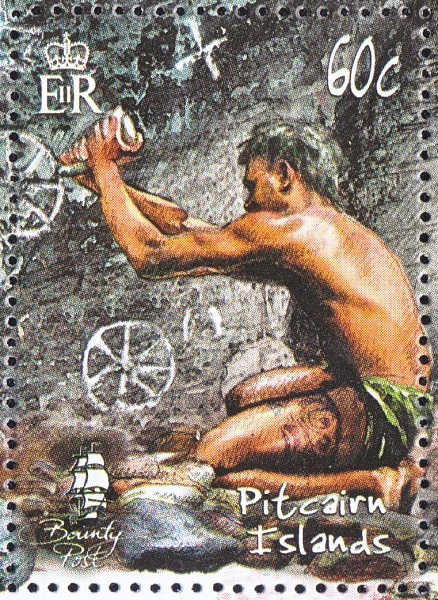
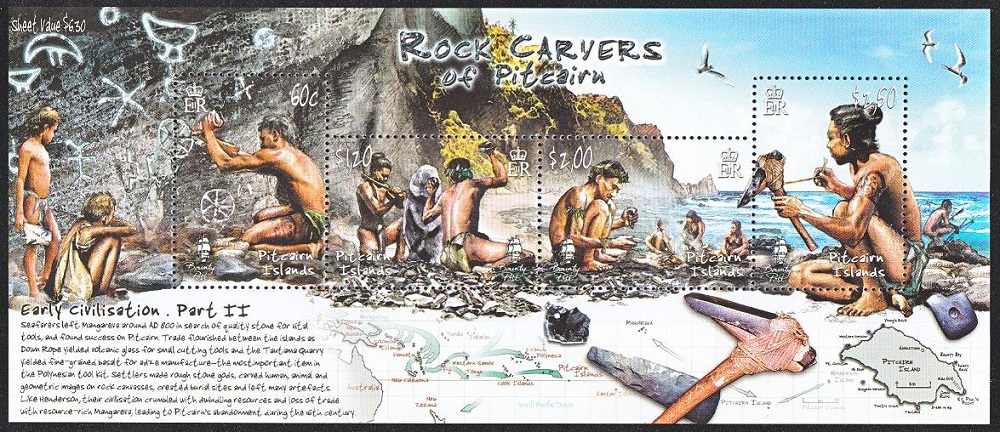
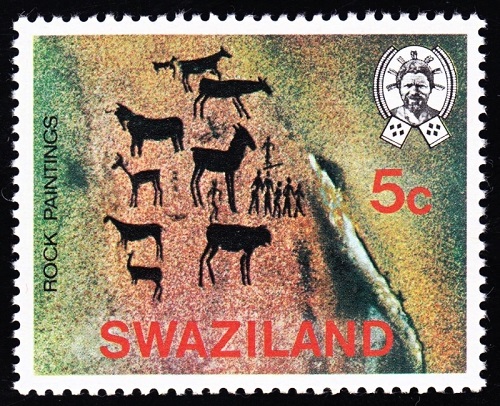
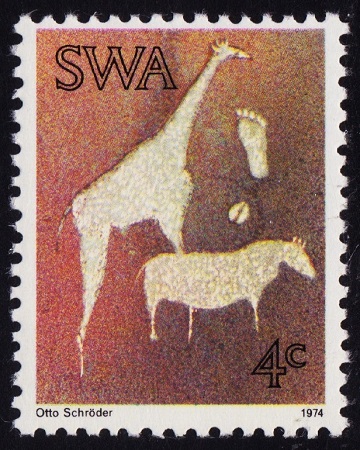
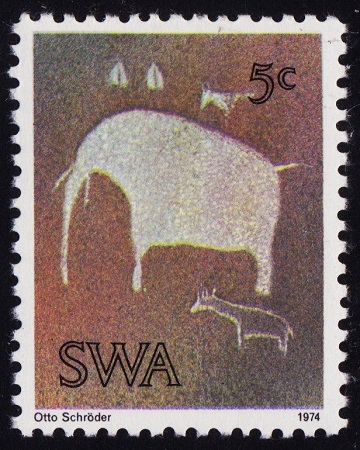
Prehistoric cave paintings and stone carvings represent some of the earliest known forms of human expression. Many countries have issued stamps featuring these archaeological sites and artworks, reproducing images such as animals, hand stencils, and abstract symbols. Please, join me and show here your stamps and other collectible items feature prehistoric cave paintings and stone carvings. 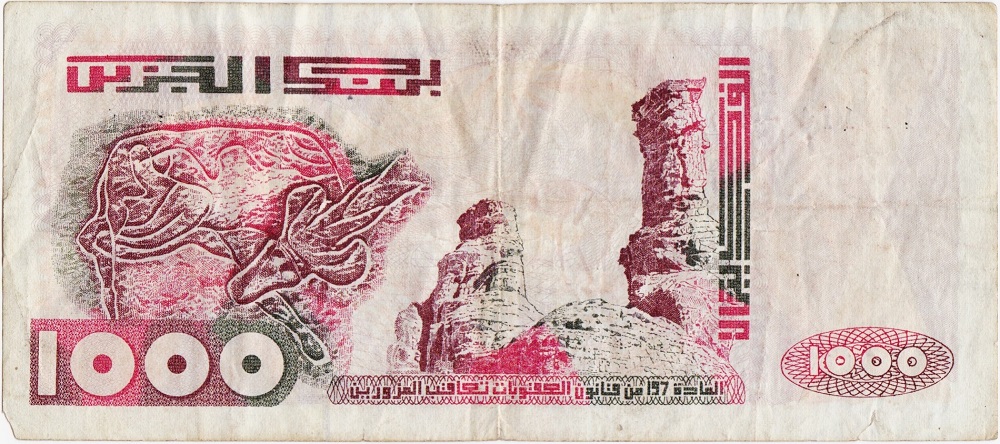 |
|
Send note to Staff
|
|
|
|
|
Pillar Of The Community
Israel
4904 Posts |
|
|
Pillar Of The Community
Israel
4904 Posts |
|
|
Pillar Of The Community
Israel
4904 Posts |
|
|
Pillar Of The Community
Israel
4904 Posts |
|
|
The earliest known cave paintings date back over ~40,000 years, found in sites in Spain and Indonesia. Later examples, such as Lascaux, Chauvet, and Altamira, depict animals and symbols from the Upper Paleolithic period. These works provide key insights into the cultural and symbolic life of early humans. The earliest known cave paintings in Spain are from El Castillo Cave (Cantabria) famous for its hand painting dated to at least ~40,000 years ago. Here is a stamp issued by Spain in 1967 features the hand paintings from El Castillo cave + maxicard. 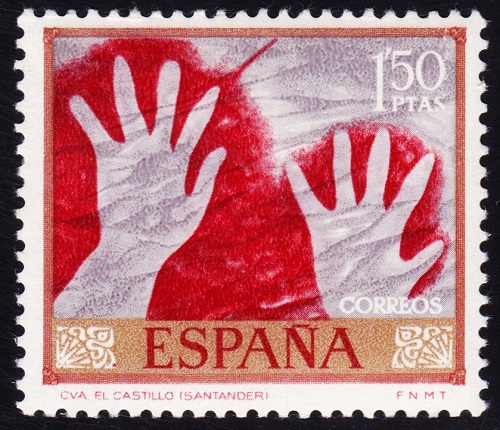 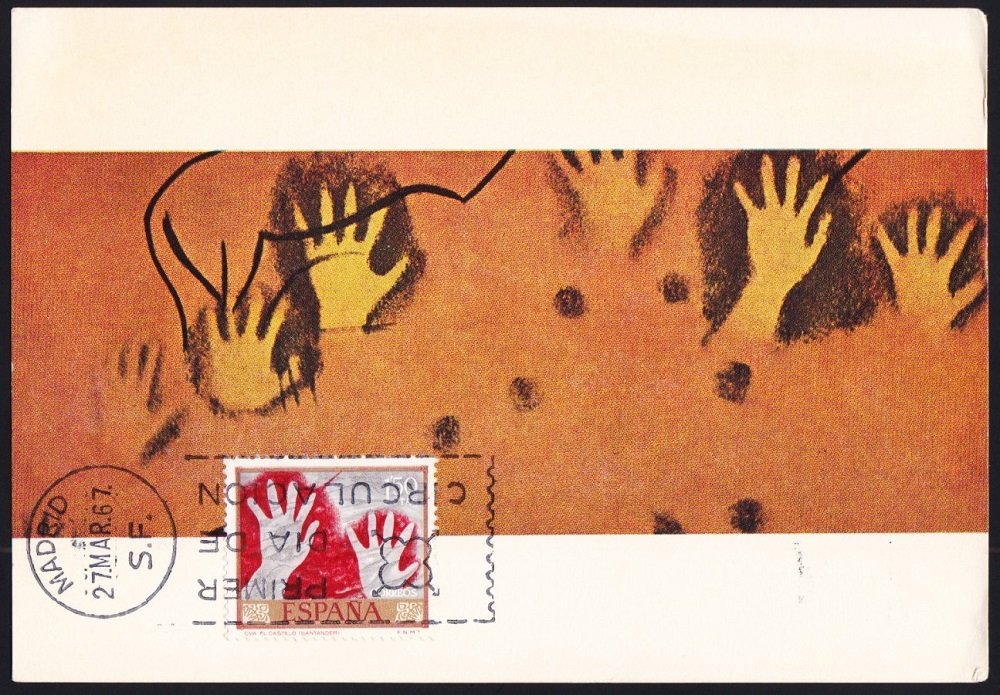 |
Send note to Staff 
|
|
|
Pillar Of The Community
Israel
4904 Posts |
|
|
The Tsodilo Hills in Botswana are a UNESCO World Heritage Site, inscribed in 2001 for their religious significance and long record of human settlement. The area contains over 4,500 rock paintings across rock shelters and caves, concentrated around three main hills known as the Child, Female, and Male. Animal rock paintings, West face of "Female" hill at Tsodilo, Botswana, 1975. 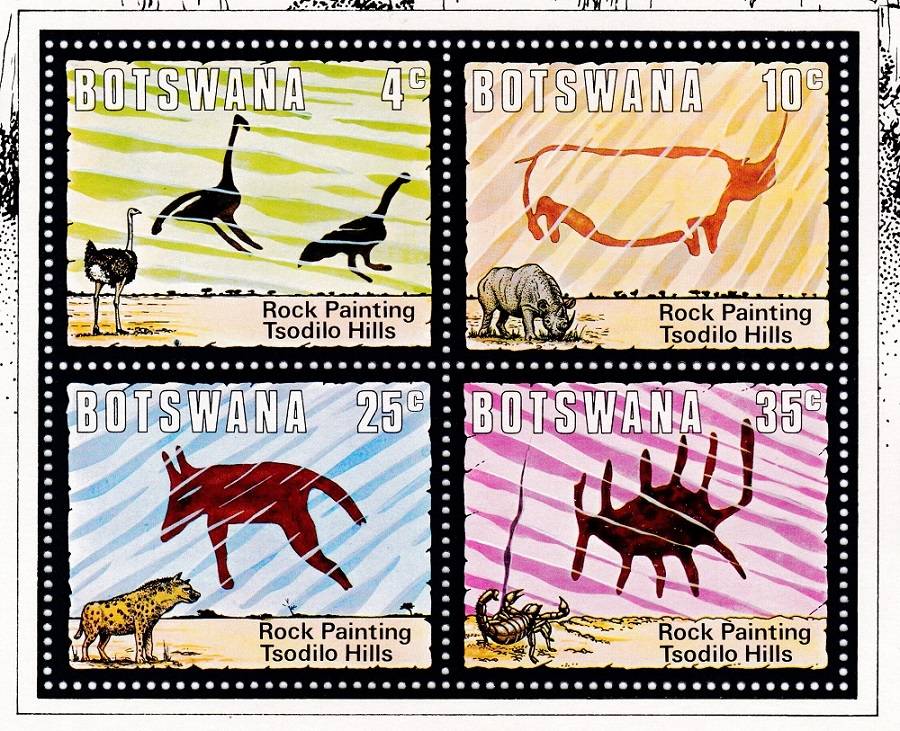 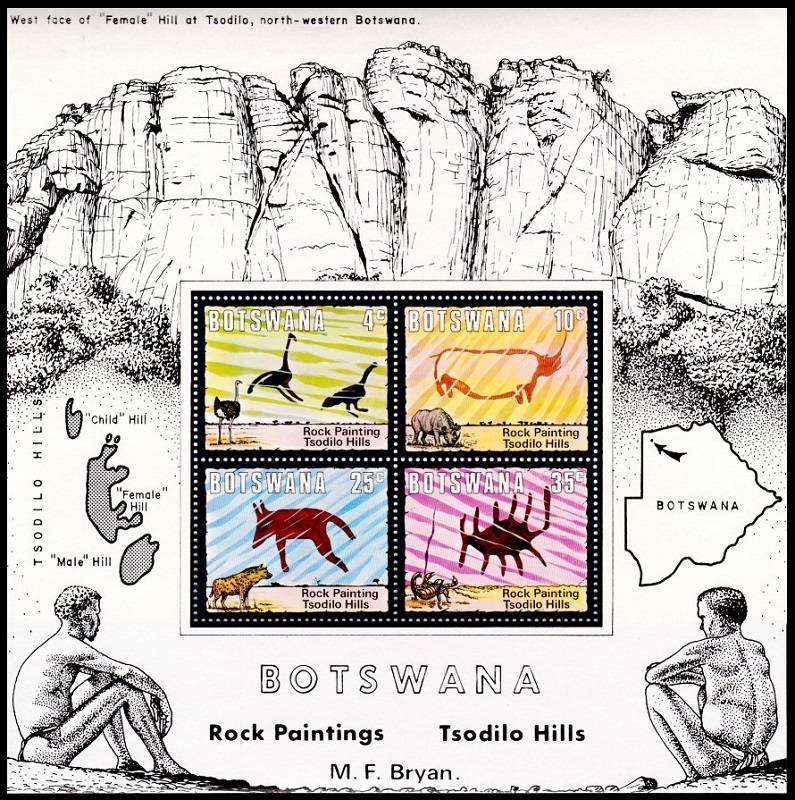 |
|
Send note to Staff
|
|
|
Pillar Of The Community
Israel
4904 Posts |
|
|
Pillar Of The Community
Israel
4904 Posts |
|
|
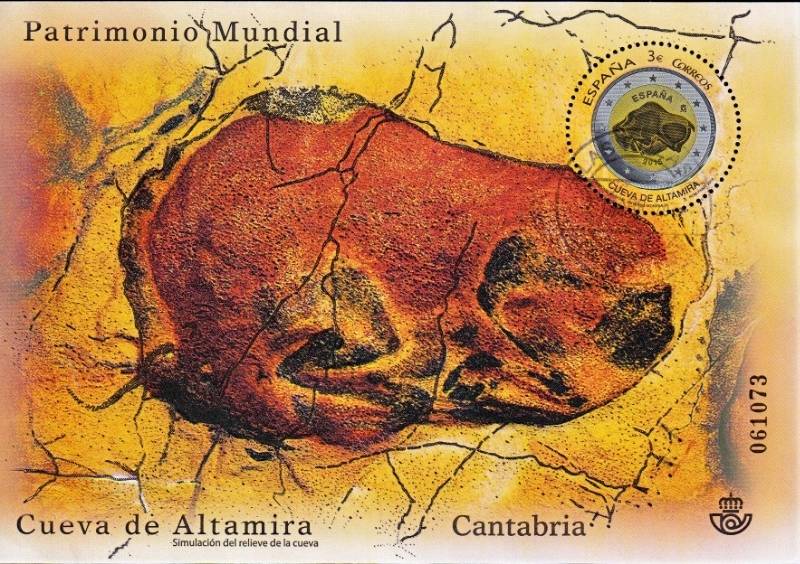
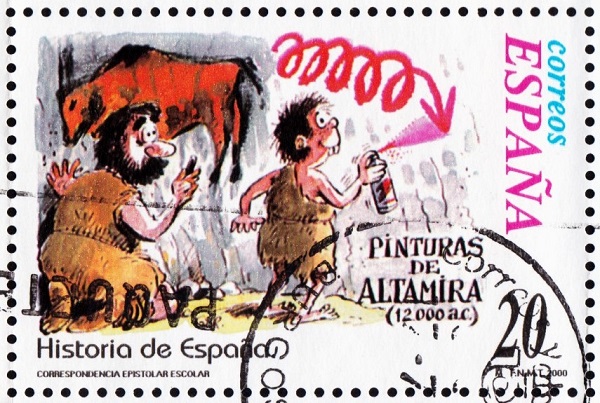
Altamira Cave, Spain The Cave of Altamira in northern Spain is renowned for its Upper Paleolithic art, including polychrome paintings of wild animals and human hands. Its depiction of bison is especially famous and often regarded as one of the masterpieces of prehistoric art. The cave was first brought to attention by Marcelino Sanz de Sautuola (1831–1888), who recognized the significance of the paintings. Altamira was the first cave where prehistoric paintings were identified, and in 1985 it was declared a UNESCO World Heritage Site, later extended in 2008 to include other Paleolithic caves of northern Spain. Marcelino Sanz de Sautuola (1831–1888), Guinea, 2011 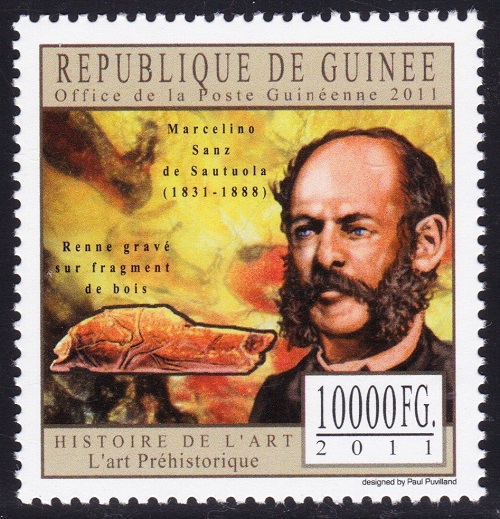 Stamp celebrating the declaration of Altamira as UNESCO World Heritage Site. Note the bison in the background, Spain, 1989. 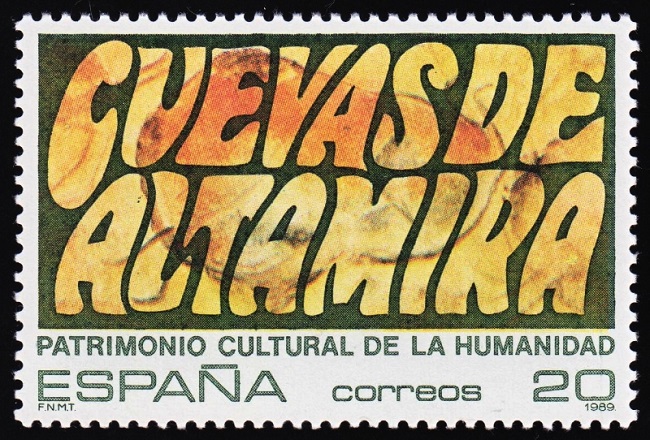 Maxicard with a commemorative postmark. 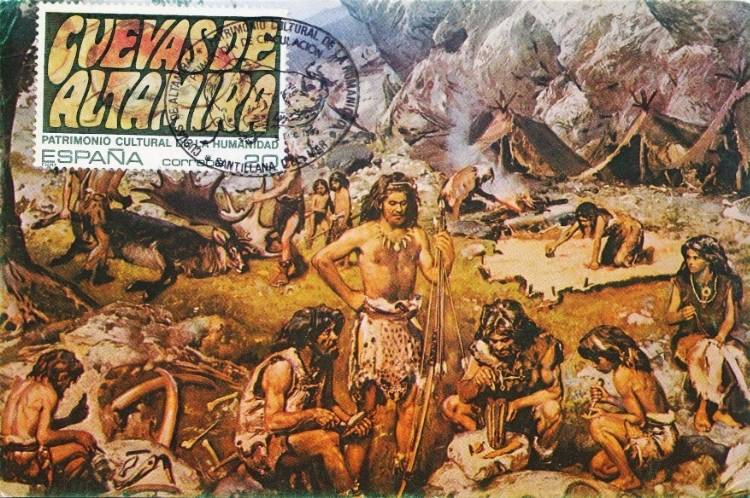 The commemorative postmark features the Altamira bison painting. 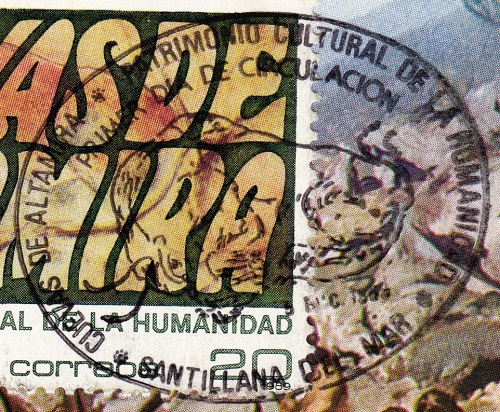 |
|
Send note to Staff
|
|
|
Pillar Of The Community
Israel
4904 Posts |
|
|
Pillar Of The Community
Israel
4904 Posts |
|
|
Pillar Of The Community
Israel
4904 Posts |
|
|
Pillar Of The Community
Israel
4904 Posts |
|
|
The Cave of Hands (Spanish: Cueva de las Manos) in Santa Cruz Province, Argentina, is renowned for its stenciled hand paintings, created between 13,000 and 9,000 years ago. Carbon dating of bone-made pipes used to spray pigment shows some art is at least 9,300 years old. The site was occupied in several periods and last inhabited around 700 AD, likely by ancestors of the Tehuelche people. Cave of Hands (Cueva de las Manos), Argentina, 1993.  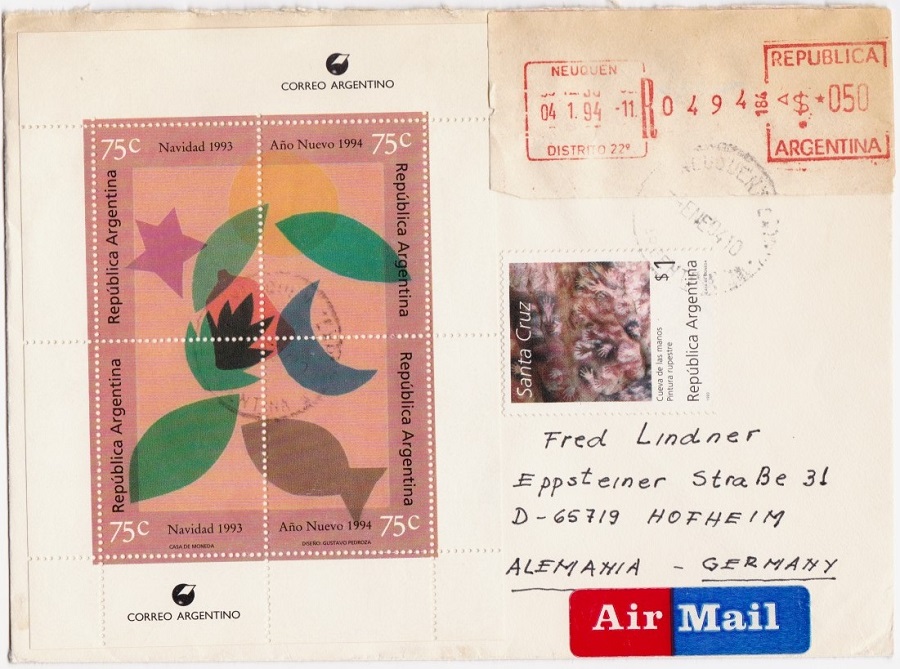 The Cave of Hands was listed as a World Heritage site by UNSECO in 1999. UN (Geneva branch), 2007. 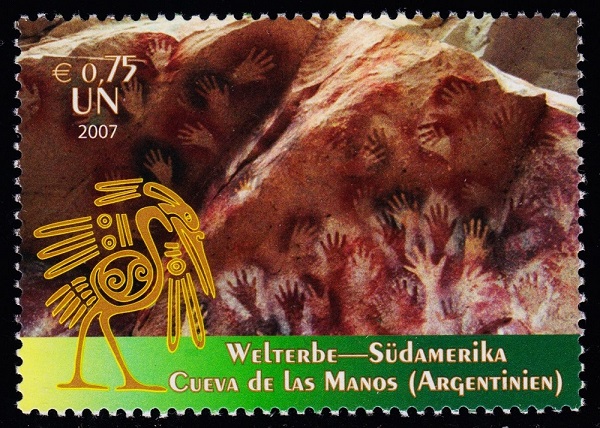 This stamp was issued in four copies in a prestige booklet with photos and descriptions but I can't scan the inner pages without breaking the booklet. Here is the booklet's cover:  |
|
Send note to Staff
|
|
|
Pillar Of The Community
Israel
4904 Posts |
|
|
Pillar Of The Community
Israel
4904 Posts |
|
|
Pillar Of The Community
Israel
4904 Posts |
|
|
The Qobustan (Gobustan) Rock Art Cultural Landscape in Azerbaijan is a UNESCO World Heritage Site known for its extensive collection of petroglyphs carved into sandstone cliffs. The site contains more than 6,000 rock engravings dating from around 40,000 years ago to the Middle Ages, depicting humans, animals, hunting scenes, and symbolic markings. Qobustan provides valuable insight into prehistoric life and the cultural development of early societies in the Caucasus region. Qobustan rock art, Azerbaijan, 1997. 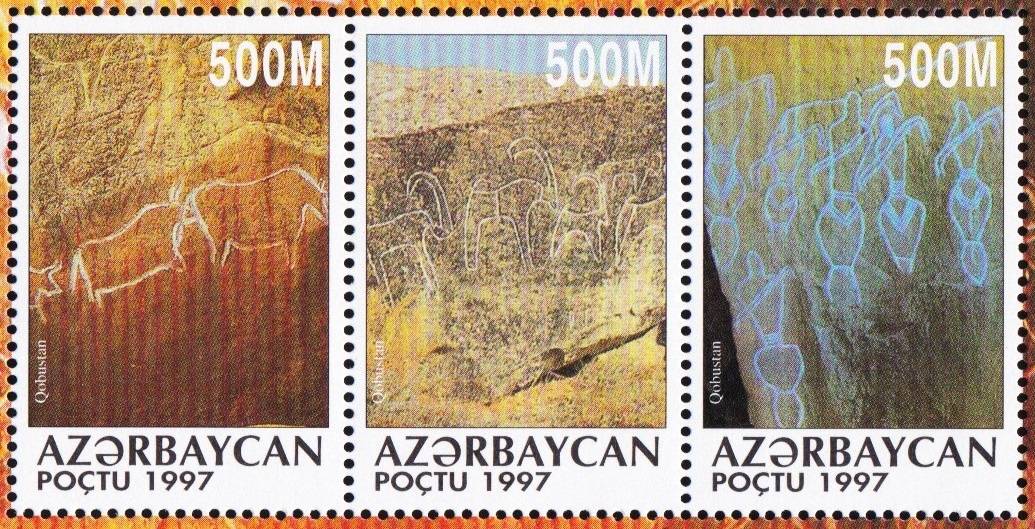 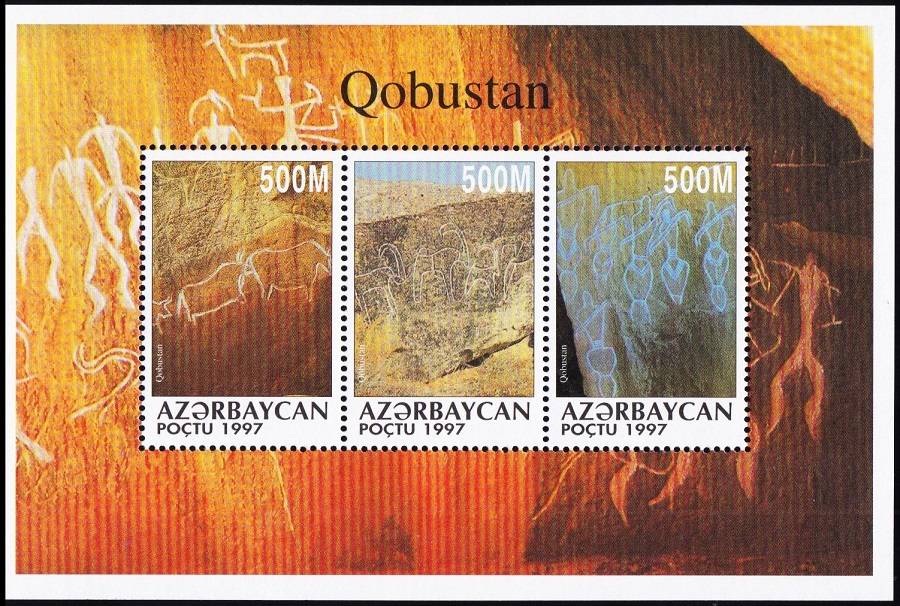 |
|
Send note to Staff
|
|
|
Pillar Of The Community
Israel
4904 Posts |
|
|
The Chauvet Cave (Grotte Chauvet-Pont d'Arc), located in the Ardèche region of southern France, contains some of the oldest and most detailed known examples of prehistoric art. The cave, discovered in 1994, features over 400 paintings and engravings of animals such as lions, rhinoceroses, horses, and mammoths, dating to about 36,000 years ago. The artworks demonstrate remarkable skill and use of shading, making Chauvet one of the most significant sites of Upper Paleolithic cave art. As far as I know, no French stamp feature Chauvet cave was issued. Here is a postmark from France, 2001 promoting tourism to the Chauvet cave. 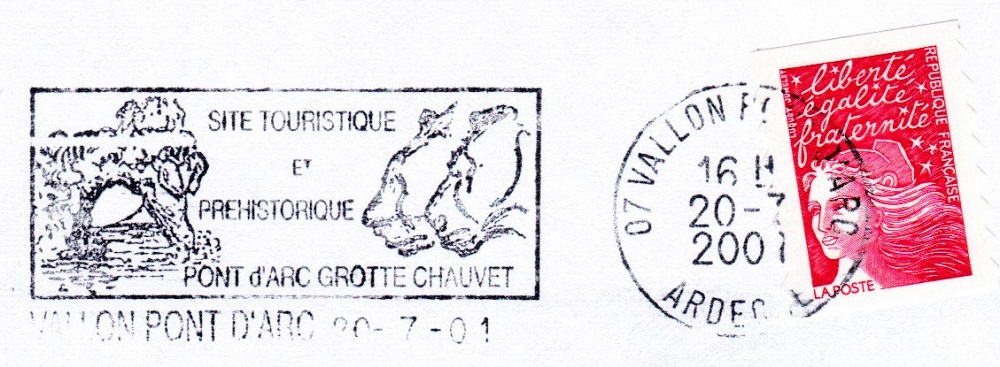 A selection of stamps from Togo, Central African Republic, Mozambique and Niger, feature famous animal paintings from Chauvet cave. 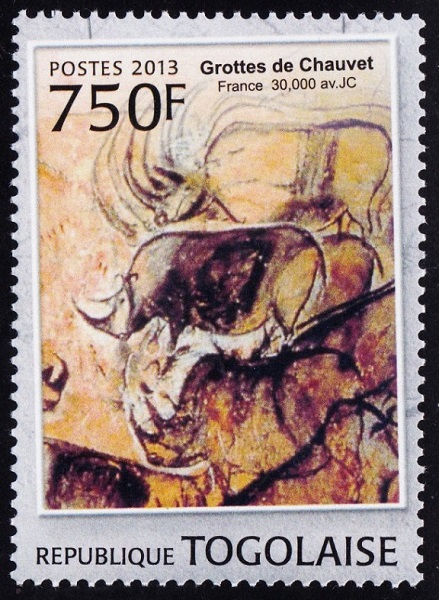 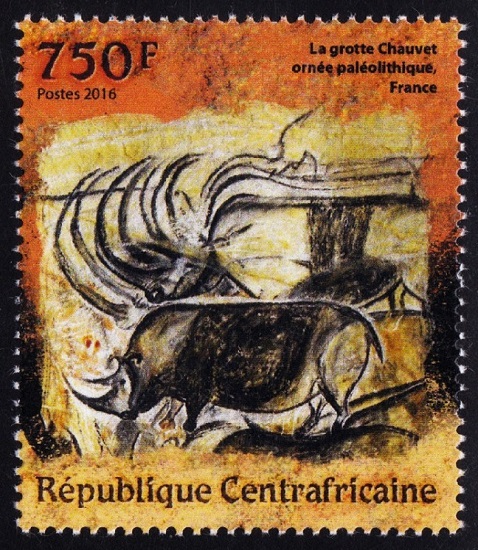 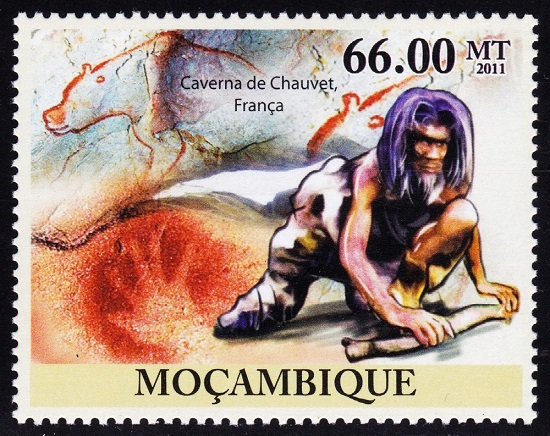 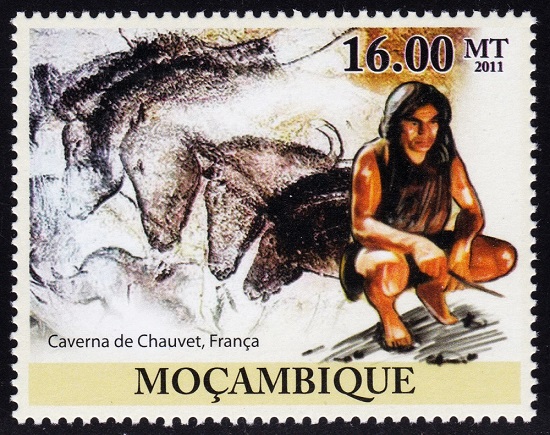 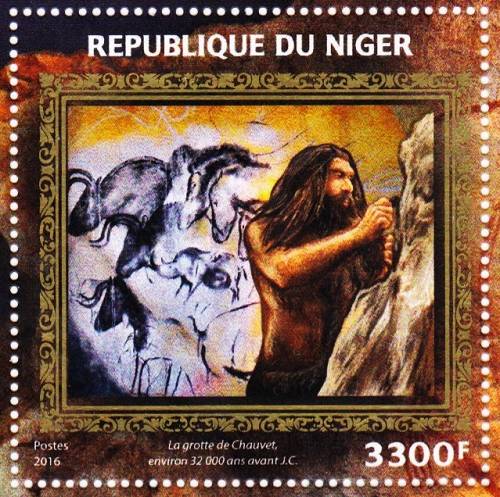 |
|
Send note to Staff
|
|
|
Replies: 96 / Views: 6,933 |
|




 Posted 09/29/2025 9:15 pm