| Author |
 Replies: 3,980 / Views: 1,935,234 Replies: 3,980 / Views: 1,935,234 |
|
|
|
Pillar Of The Community
Canada
5821 Posts |
|
|
Denmark 1959Scott 366 - 368 King Frederik IX's 60th birthday. Designer : Viggo Bang Engraver : Sven Ewert (1895-1959) This was the last work by the Swedish master engraver 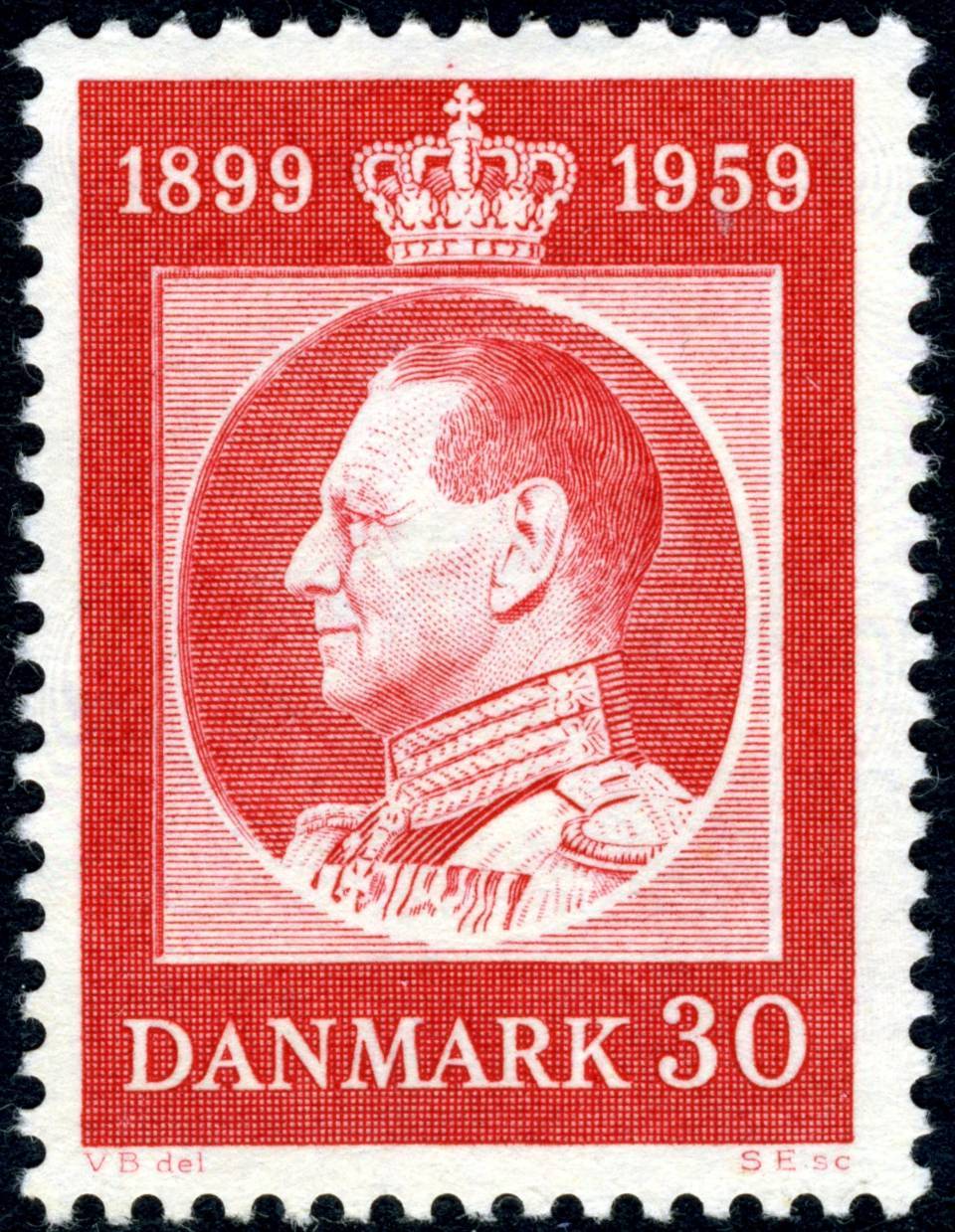 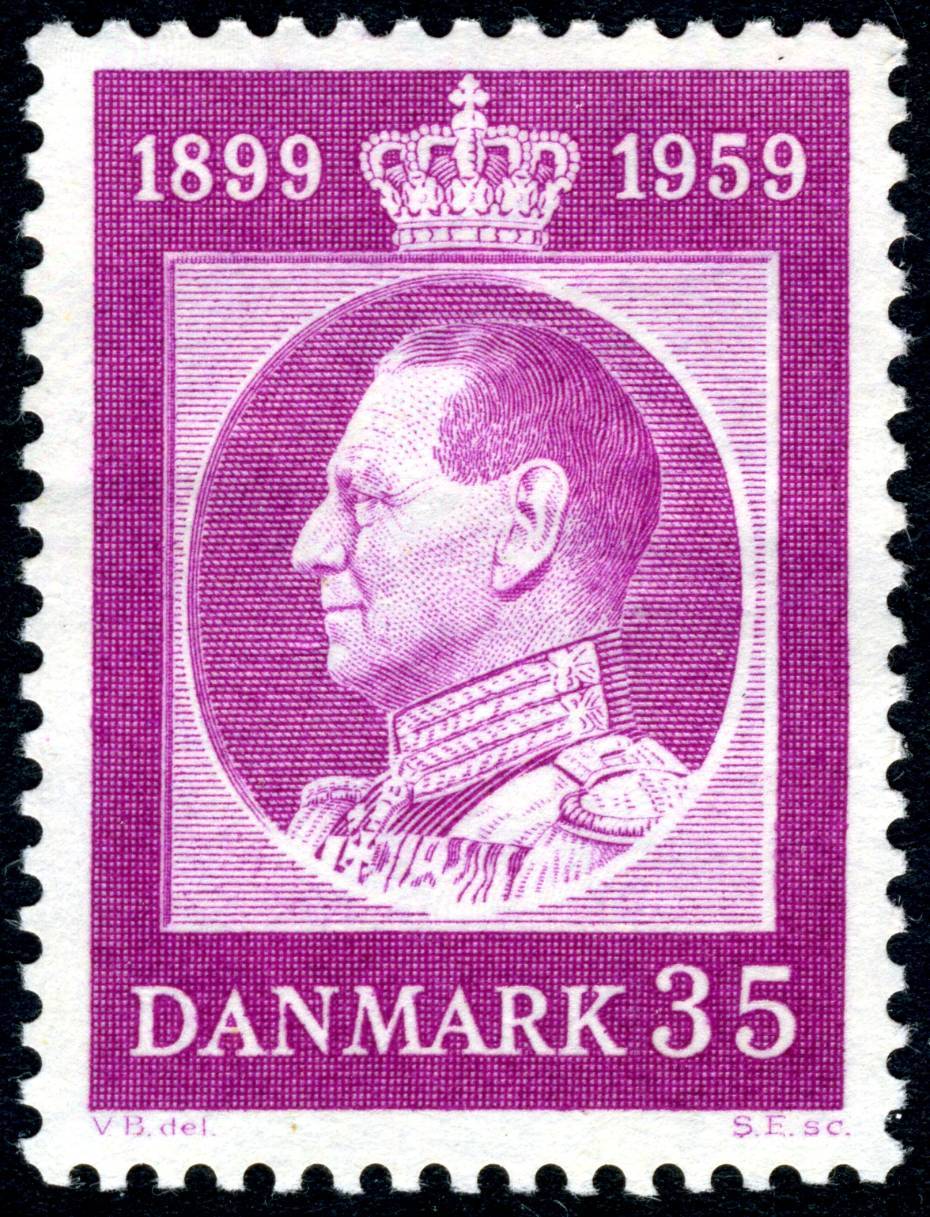 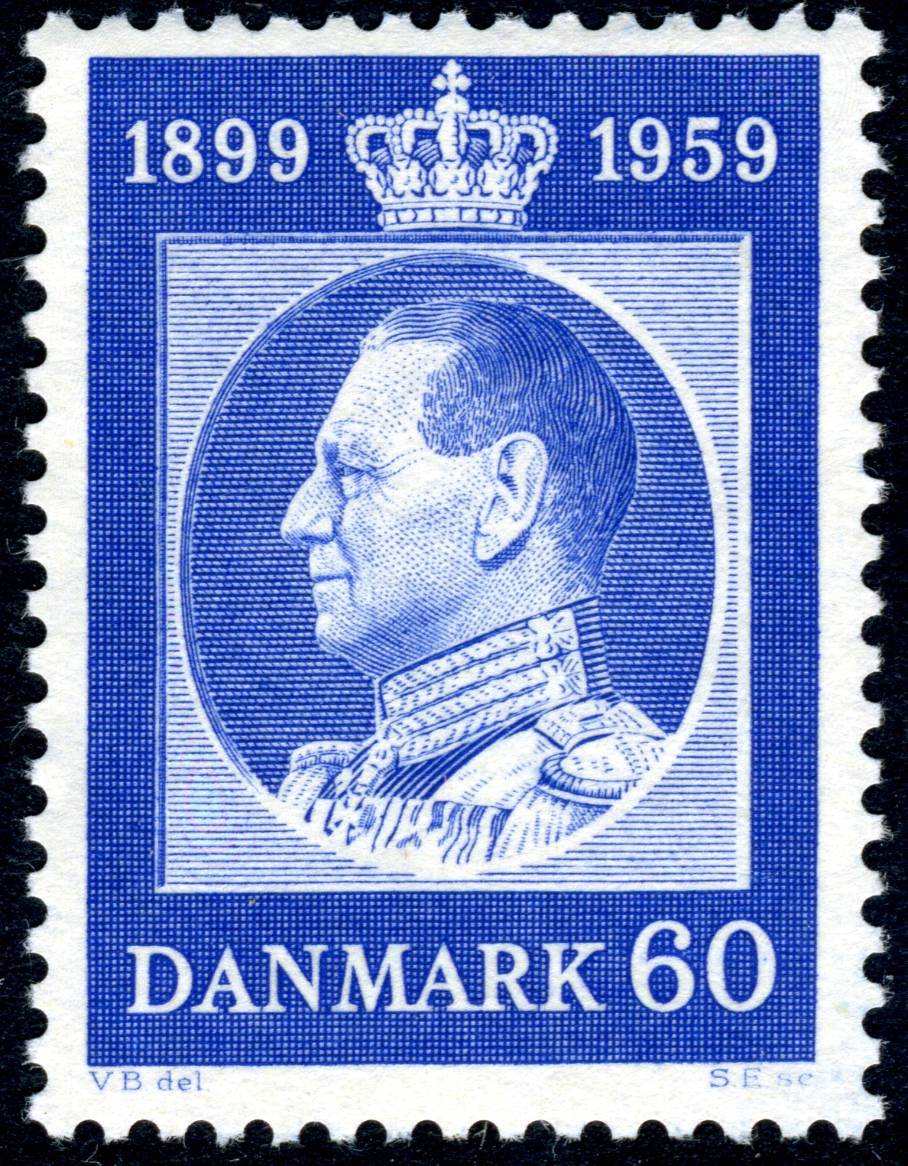 |
Send note to Staff 
|
| Edited by lithograving - 10/12/2019 8:54 pm |
|
|
Pillar Of The Community
2013 Posts |
|
|
Those Czech stamps engraved with a colour background is the reason I collect this country |
|
Send note to Staff
|
|
|
Pillar Of The Community
Canada
5821 Posts |
|
|
Denmark 1971Scott 478 Danish Women's Association centenary. Designer : Connie Linck Engraver : Czeslaw Slania 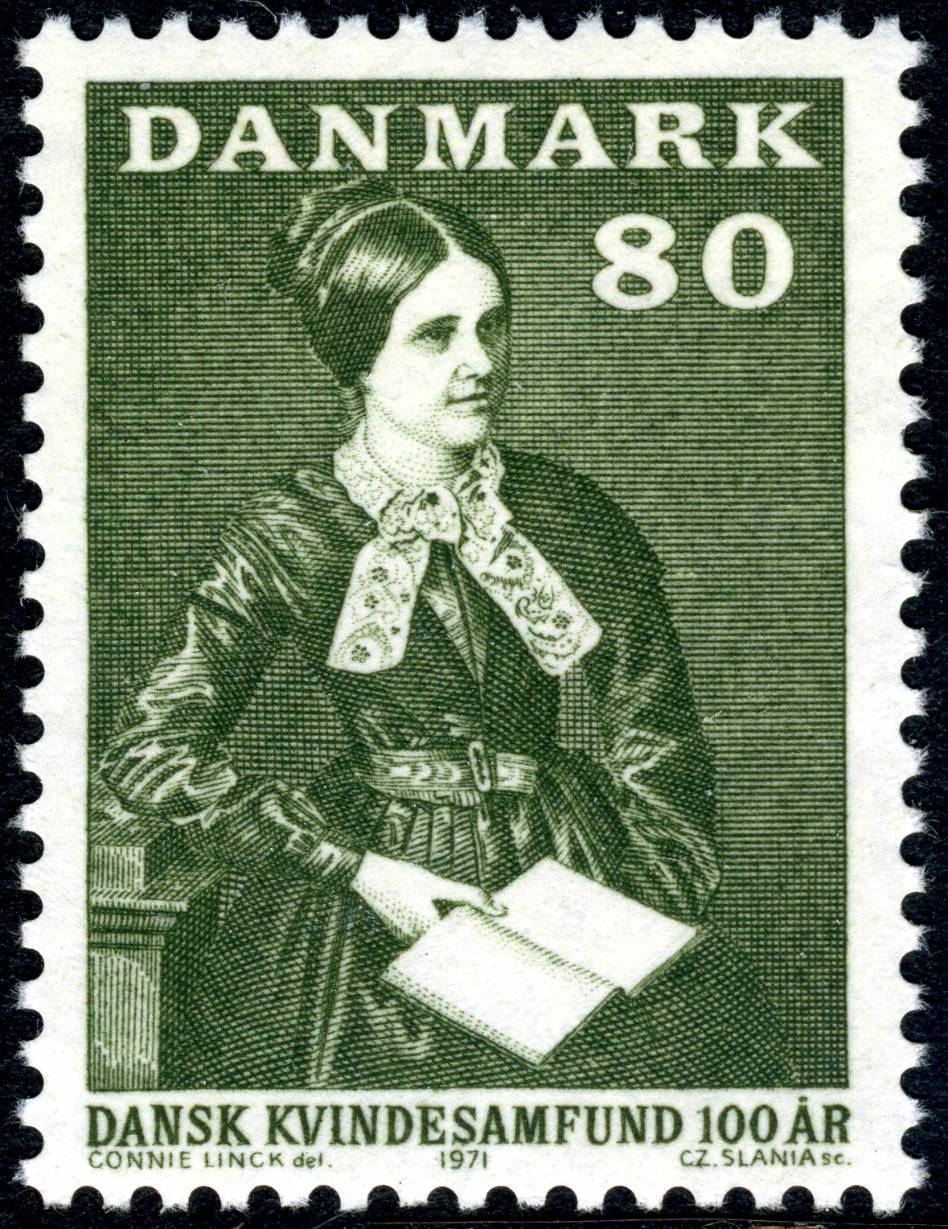 |
|
Send note to Staff
|
| Edited by lithograving - 10/12/2019 8:58 pm |
|
|
Pillar Of The Community
Canada
5821 Posts |
|
|
Quote:
Those Czech stamps engraved with a colour background is the reason I collect this country Some purists don't like it when offset/litho and photogravure is combined with engraving. The black engraved portions define the painting in a way which would be impossible with only offset or photogravure printing, I believe. |
|
Send note to Staff
|
|
|
Valued Member
Australia
437 Posts |
|
|
I agree. Although my preference is for stamps that are not a combination, the engraving adds a dimension to stamps like this that you just don't see in offset or photo stamps.
I'll continue to collect both.
I have similar mixed feelings about "computer assisted" stamps. To me they are a step up from the wallpaper that most countries issue and can be very impressive. In this case though, I choose not to collect them as my collection is of engravers and I can't envisage a page attributed to Apple Mac in my album.
|
|
Send note to Staff
|
|
|
|
Pillar Of The Community
Canada
5821 Posts |
|
|
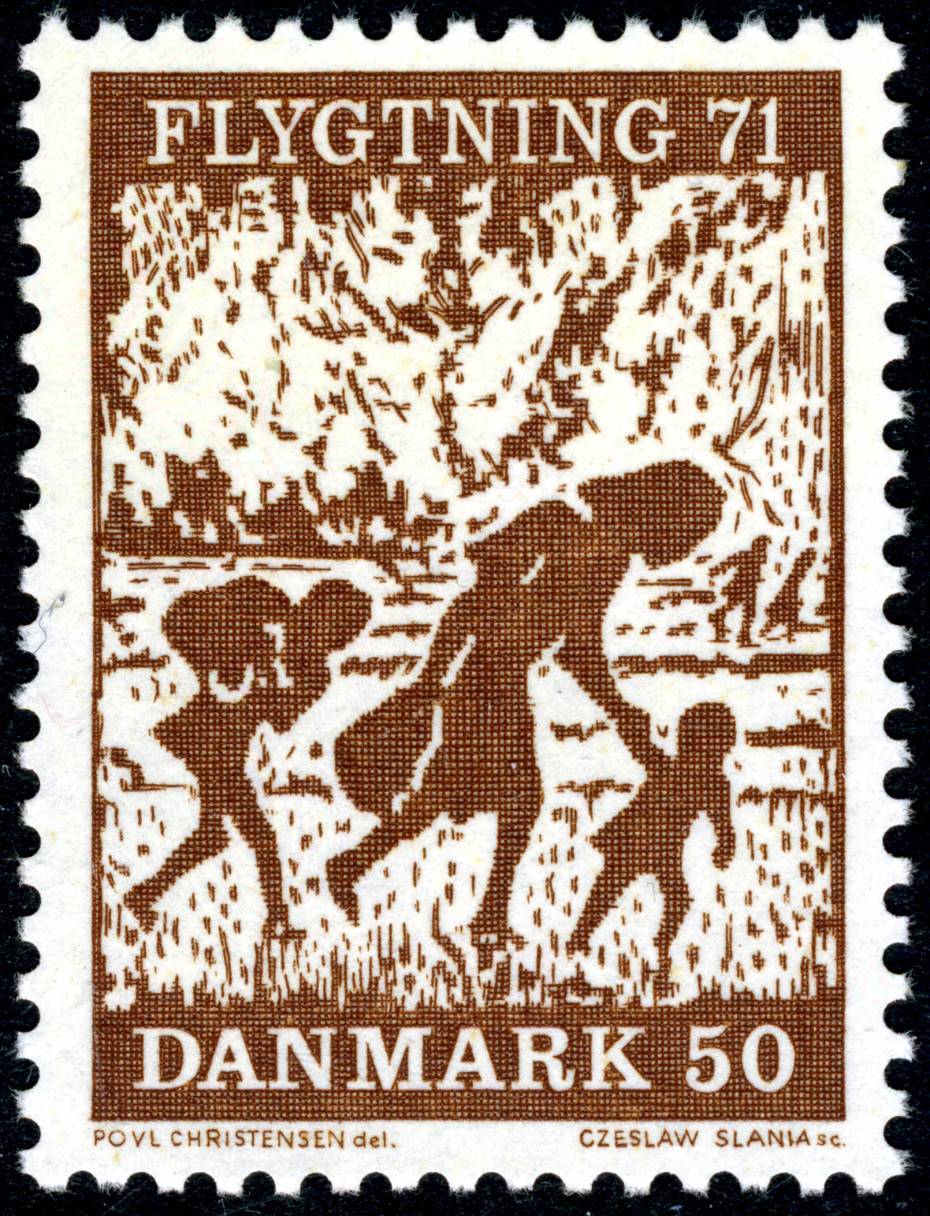
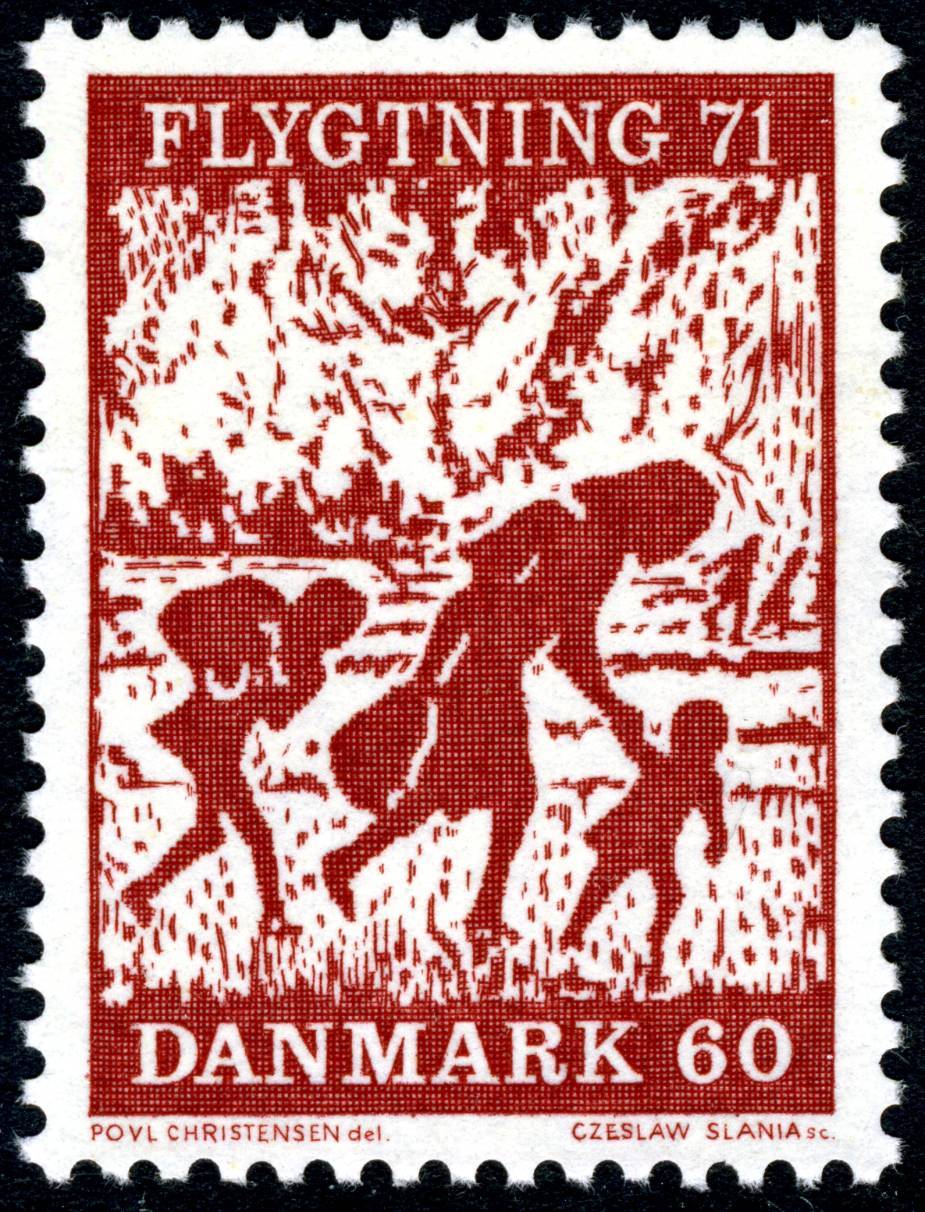
Denmark 1971Scott 479-480 Nordic countries campaign for refugees. Designer : Povl Christensen Engraver : Czeslaw Slania
  |
|
Send note to Staff
|
| Edited by lithograving - 10/12/2019 9:00 pm |
|
|
Pillar Of The Community
2013 Posts |
|
|
Quote:
Some purists I know many peoples snob the CZ stamps, they call it poor man collection. |
|
Send note to Staff
|
|
|
Pillar Of The Community
Canada
5821 Posts |
|
|
Denmark 1971Scott 481 250th Anniversary of arrival of Hans Egede in Greenland. Designer : Povl Christensen Engraver : Czeslaw Slania 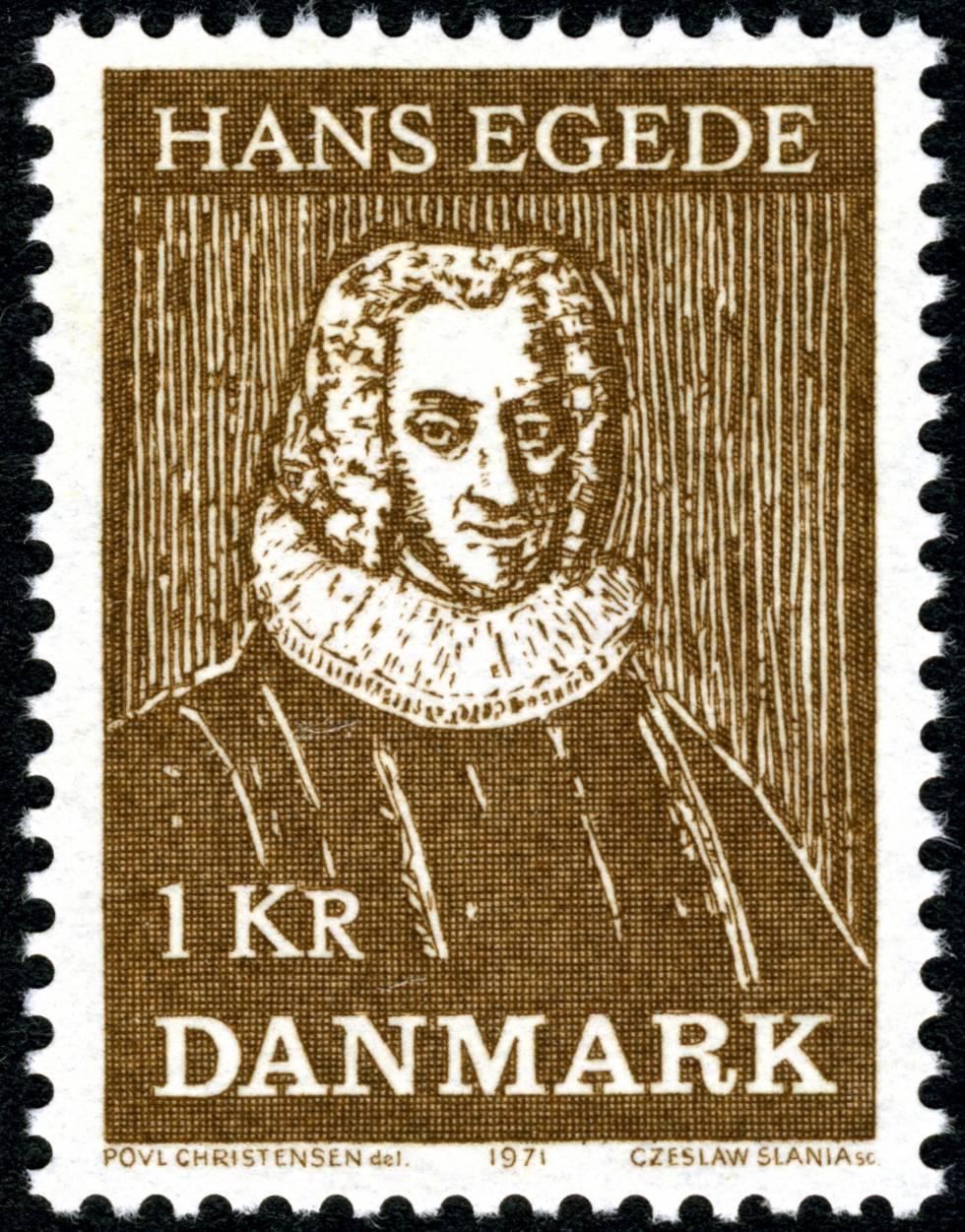 |
|
Send note to Staff
|
| Edited by lithograving - 10/12/2019 9:01 pm |
|
|
Pillar Of The Community
Canada
5821 Posts |
|
|
Quote:
I know many peoples snob the CZ stamps, they call it poor man collection. I sure don't. Czechoslovakian and now Czech Republic stamps have always been of the highest quality as far as engraving and printing is concerned. Czech engravers have always been top ranked. Sure some of the designs during the Communist era were lousy in my opinion but those were the times. They had to put Lenin on stamps once in a while.  I guess the snobs are the ones who are more interested in how much the stamp is worth and not what the stamp looks like. |
|
Send note to Staff
|
|
|
Pillar Of The Community
Canada
5821 Posts |
|
|
Denmark 1971Scott 482 - 485 Sports set, promoting swimming, athletics, football and sailing. Designer : Dan Sterup-Hansen Engraver : Czeslaw SlaniaThe 30o and 50o are 2 colour engraved and the 60o and 90o are 3 colours. 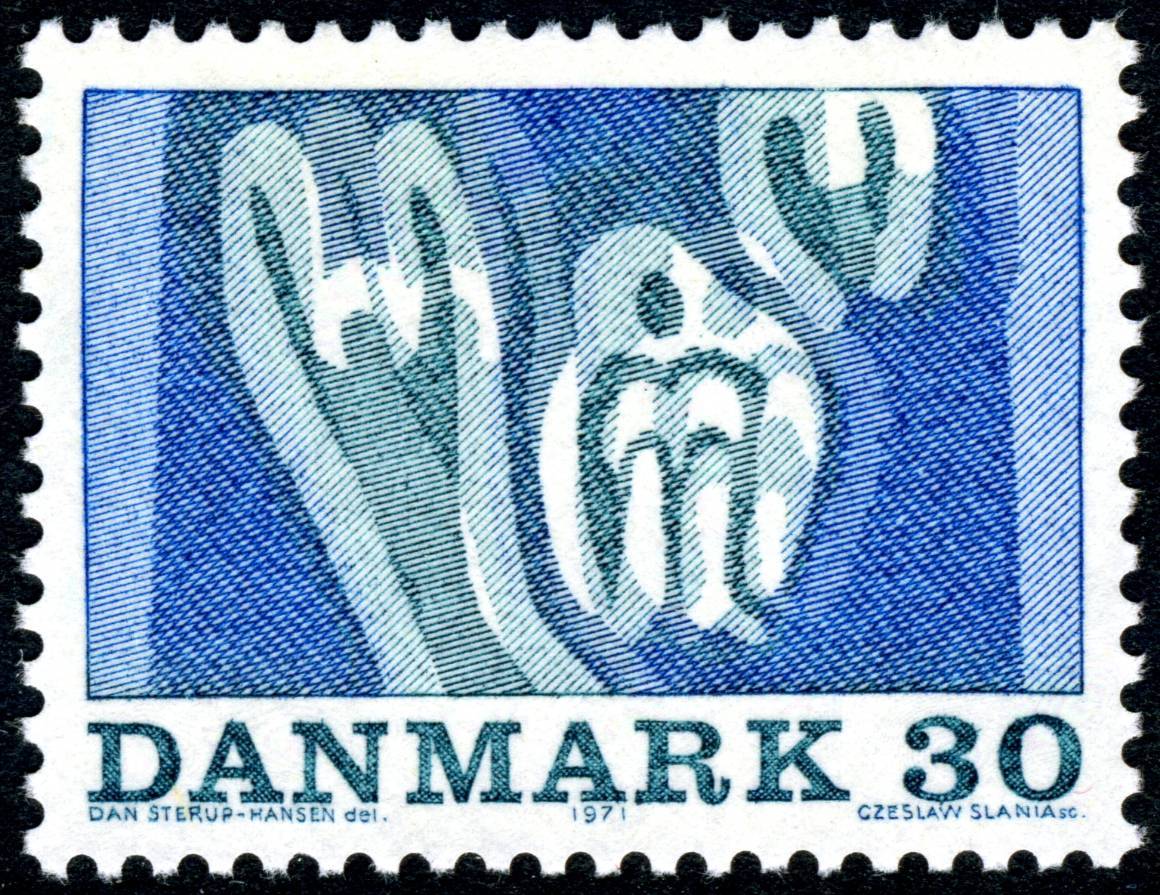 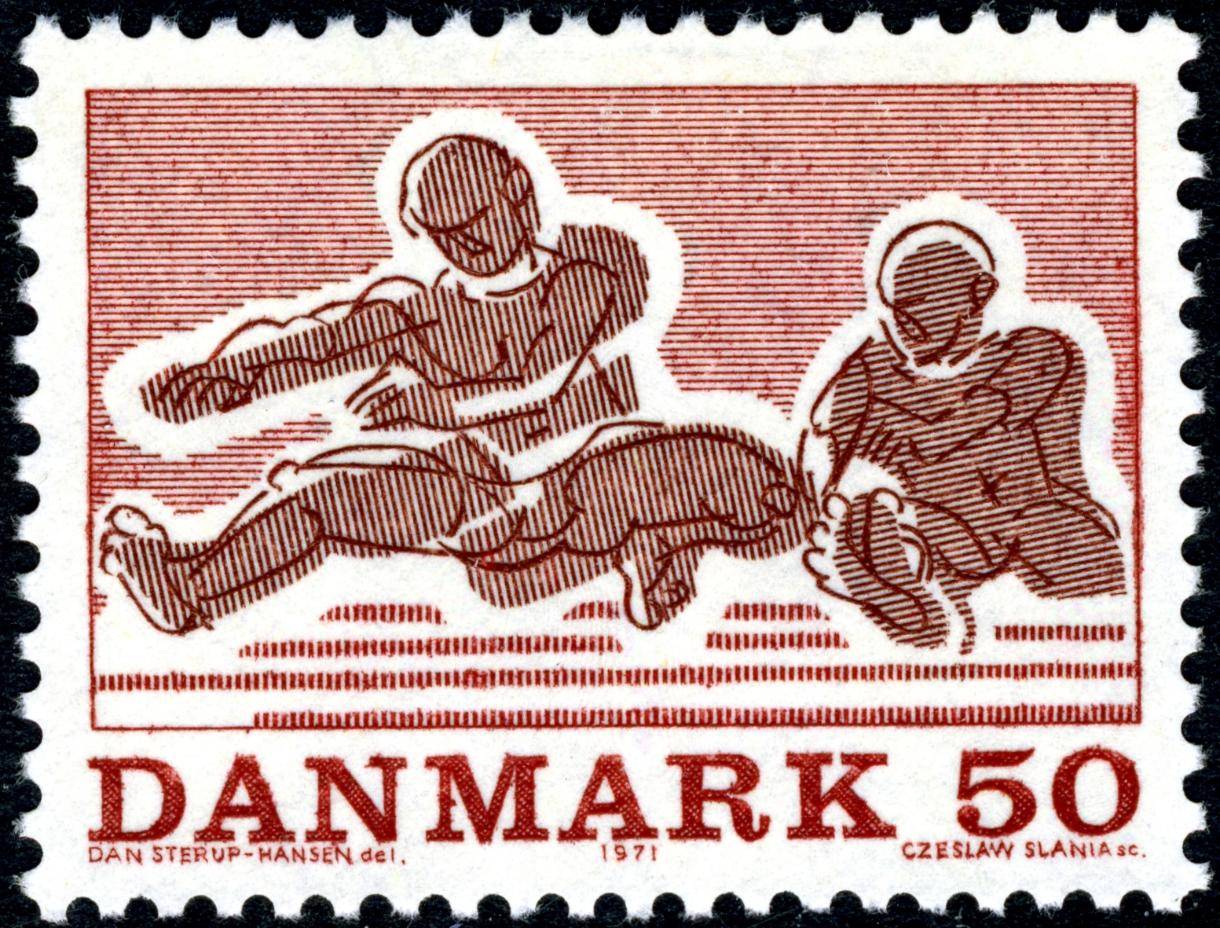 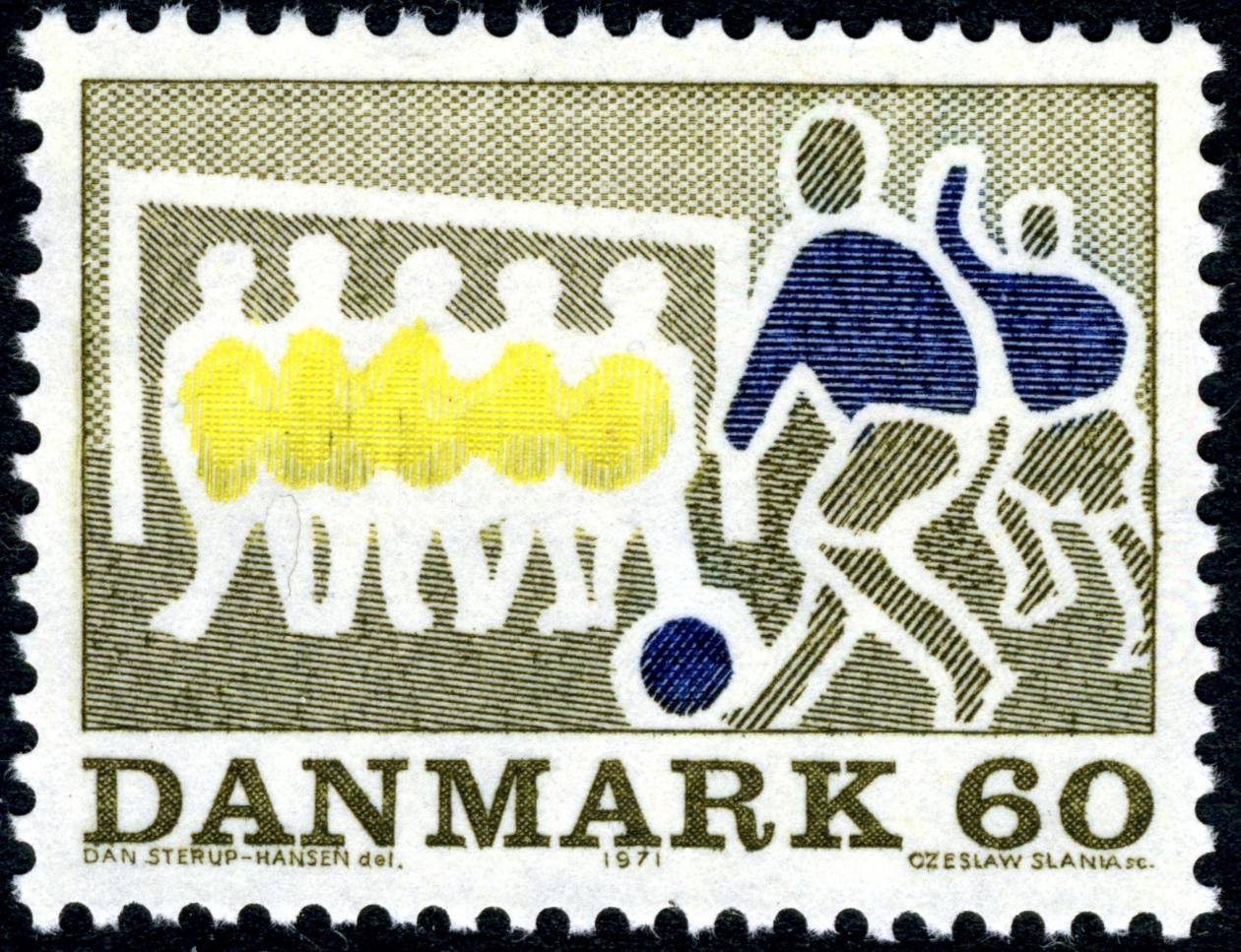 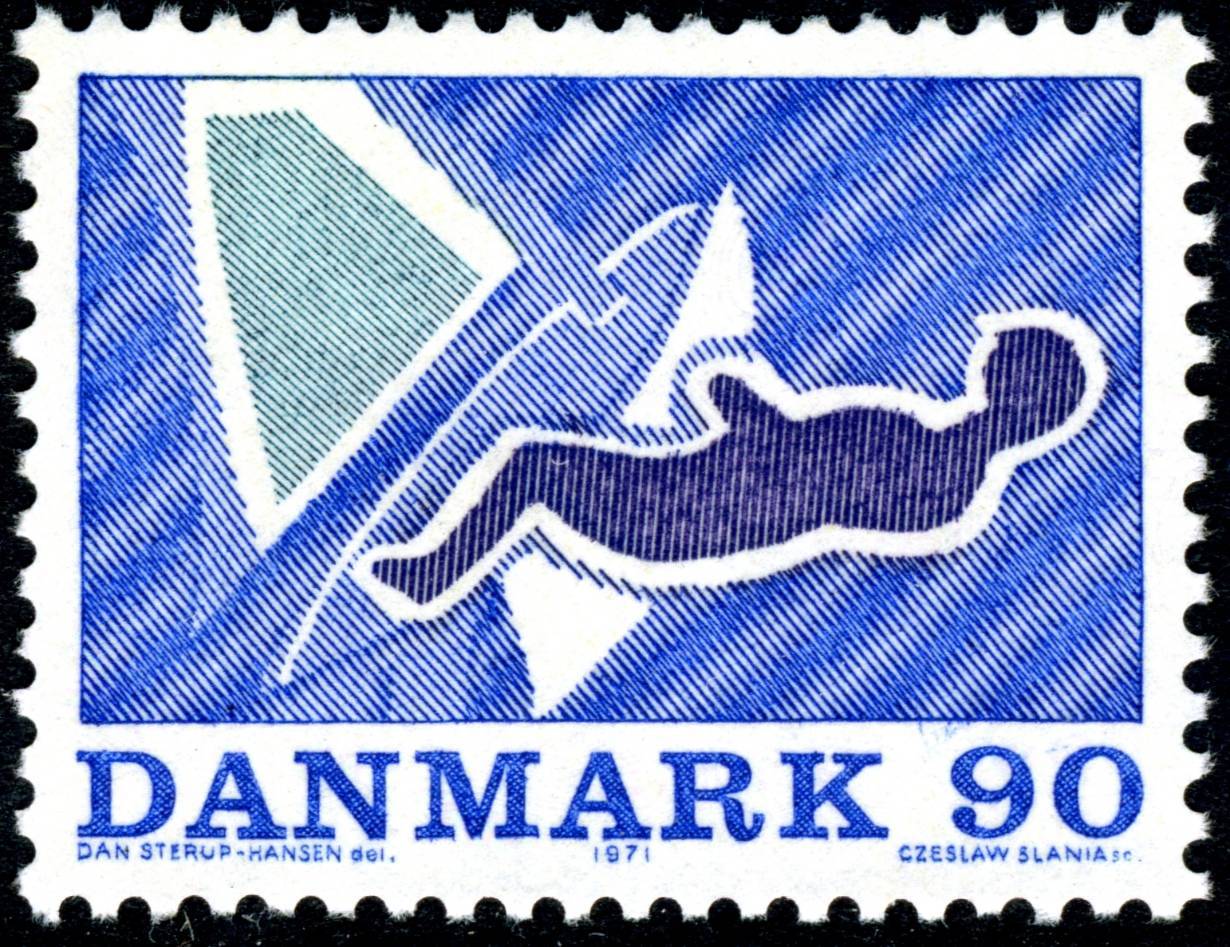 Not exactly great designs and Slania probably engraved all four in a couple of hours. But they are an example that the master didn't always engrave masterpieces. |
|
Send note to Staff
|
| Edited by lithograving - 10/12/2019 9:06 pm |
|
|
Valued Member
Australia
437 Posts |
|
|
Valued Member
United Kingdom
23 Posts |
|
|
These wonderful stamps come up so thick and fast that I didn't get a chance to applaud lithograving's surely non-coincidental illustration of the Danish 'Flygtening' stamps three or four posts above this. What a pity the current Danish government seems to have forgotten the spirit behind that beautiful issue of 45 years ago. |
|
Send note to Staff
|
|
|
Valued Member
United Kingdom
314 Posts |
|
|
Re mixed feelings about "computer assisted" stamps:
When I interviewed De La Rue engraver Chris Matthews last year he demonstrated to me "engraving" on a Mac computer. You may be interested in what I subsequently wrote for an article in Gibbons Stamp Monthly....
Ever since the inception of computer use in graphics it has been the 'Holy Grail' in some quarters to be able to input a photograph of the subject; portrait or vignette, press a button and get a computer generated engraving. Although this is possible to an extent, the finished piece looks very much computer generated. There are bespoke software packages supposed to help this process, however it now seems to be accepted that the computer is only a tool like any other, therefore just an aid to a qualified engraver.
Chris now uses Photoshop and Illustrator software to create his engravings. He uses his many years of experience to manipulate the tools creating images that have all the quality and look of the older methods. Using a stylus and tablet is fairly intuitive and the software makes certain tasks easier, particularly ensuring that line weights are printable and that engravings can be modified more easily if required. There is one draw-back over the other methods and that is that you have to make judgements about the image on a computer screen at various magnifications and resolutions which don't always correspond very faithfully to the finished print. The benefit of drawing on Kodatrace is that you have something tangible in your hand to review instantly. Of course you can send data to an inkjet or similar printer, but this will only be a guide.
Chris stated: "Surprisingly for an electronic process, the final engraving can have a real charm about it, much like the etched method. By using 'dodging' and 'burning' tools in Photoshop I can lessen (dodge) or fatten (burn) lines, much like etching a die with acid, but on screen". It also enables artwork to be resized and 'flipped', working as it will appear when printed.
(I subsequently added by way of "edit" the following to this post which I had left out in error:)
One real surprise was how a die may be engraved traditionally in five weeks, but a computer-based engraving may take six to eight weeks. Likewise, while a computer enables elements to be cut-and-pasted into an artwork, there is the danger that it may look 'homogenised', like an identikit image, so great skill is required to avoid this problem. Another revelation is that Chris deems this latest method of 'engraving' to be every bit as skilful as hand engraving, it just utilises a different skill-set.
|
|
Send note to Staff
|
| Edited by 65170 - 01/28/2016 06:58 am |
|
|
Moderator

United States
4788 Posts |
|
|
Pillar Of The Community
Canada
5821 Posts |
|
|
Glenn, having read both parts of your article I have to say it's well written and illustrated. The information about computerized engraving is by far the best I've read anywhere. Now that doesn't mean I understand most of it. For instance if I may quote one section from the article. Chris drew the line
work for the ships, not
the designer Stanley
Paine, and they were not
engraved onto steel, but
instead they were drawn
four times actual size on
Kodatrace, then film positives were produced
of the ship drawings, adding values and text
photographically. Multi-films were created
using a Misomex step-and-repeat camera to
make the printing plates, which would have
been reproduced using the Kobex impression
process and welding of a 'multi' image prior to
copper deposition to form the printing plate.
I don't understand this part at all. More like photogravure than recess engraving. At what point in this process was there a need for an engraver? Most designers could probably draw as well as any engraver if not better. To me it sounds similar to the Austrian Etch Art which involves only the designer no engraver required. |
|
Send note to Staff
|
|
|
Replies: 3,980 / Views: 1,935,234 |
|




 Posted 01/27/2016 7:02 pm


