| Author |
 Replies: 25 / Views: 1,397 Replies: 25 / Views: 1,397 |
|
Valued Member
Germany
23 Posts |
|
|
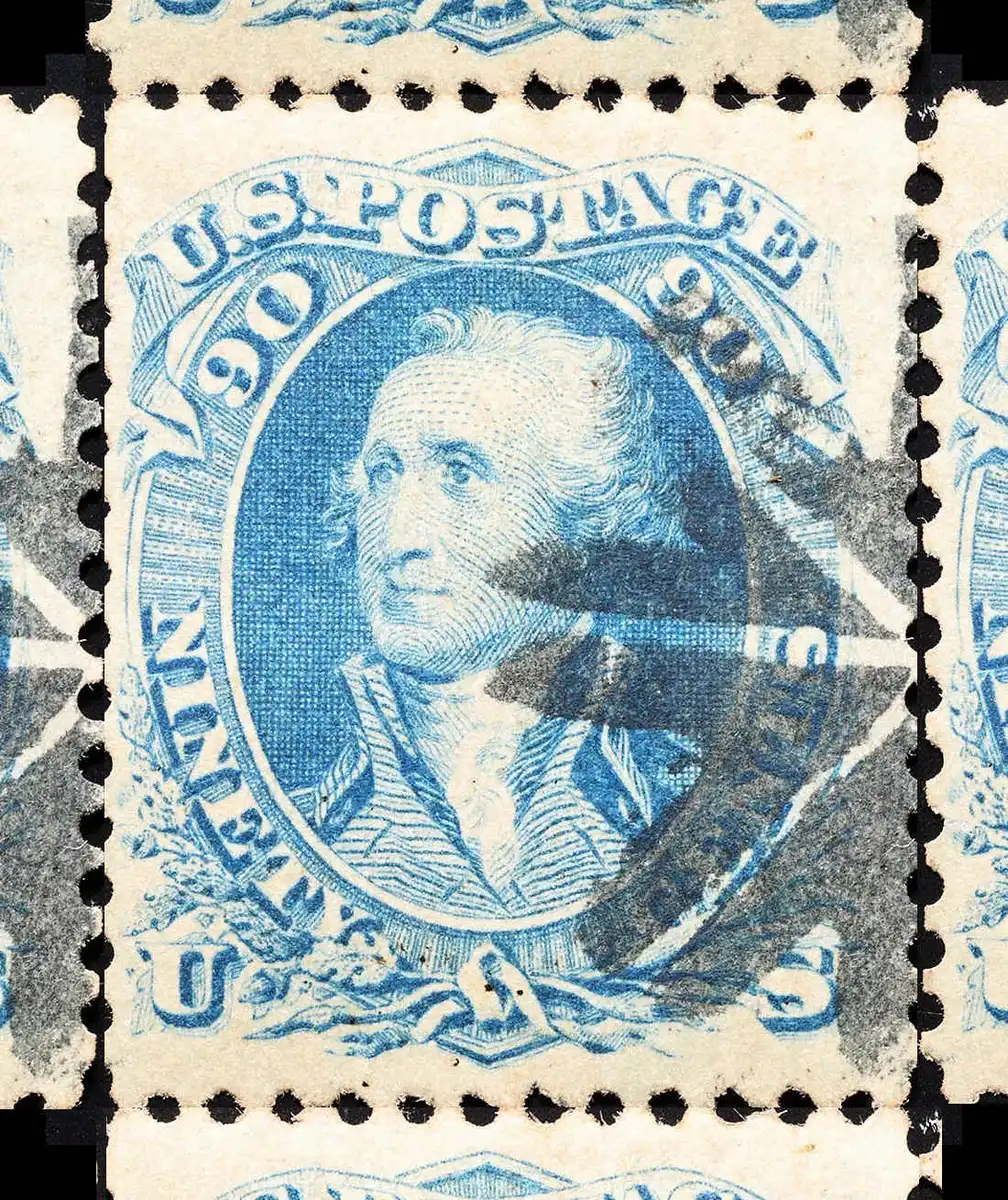
My dear US-experts! I recently acquired the following stamp for my US-collection: 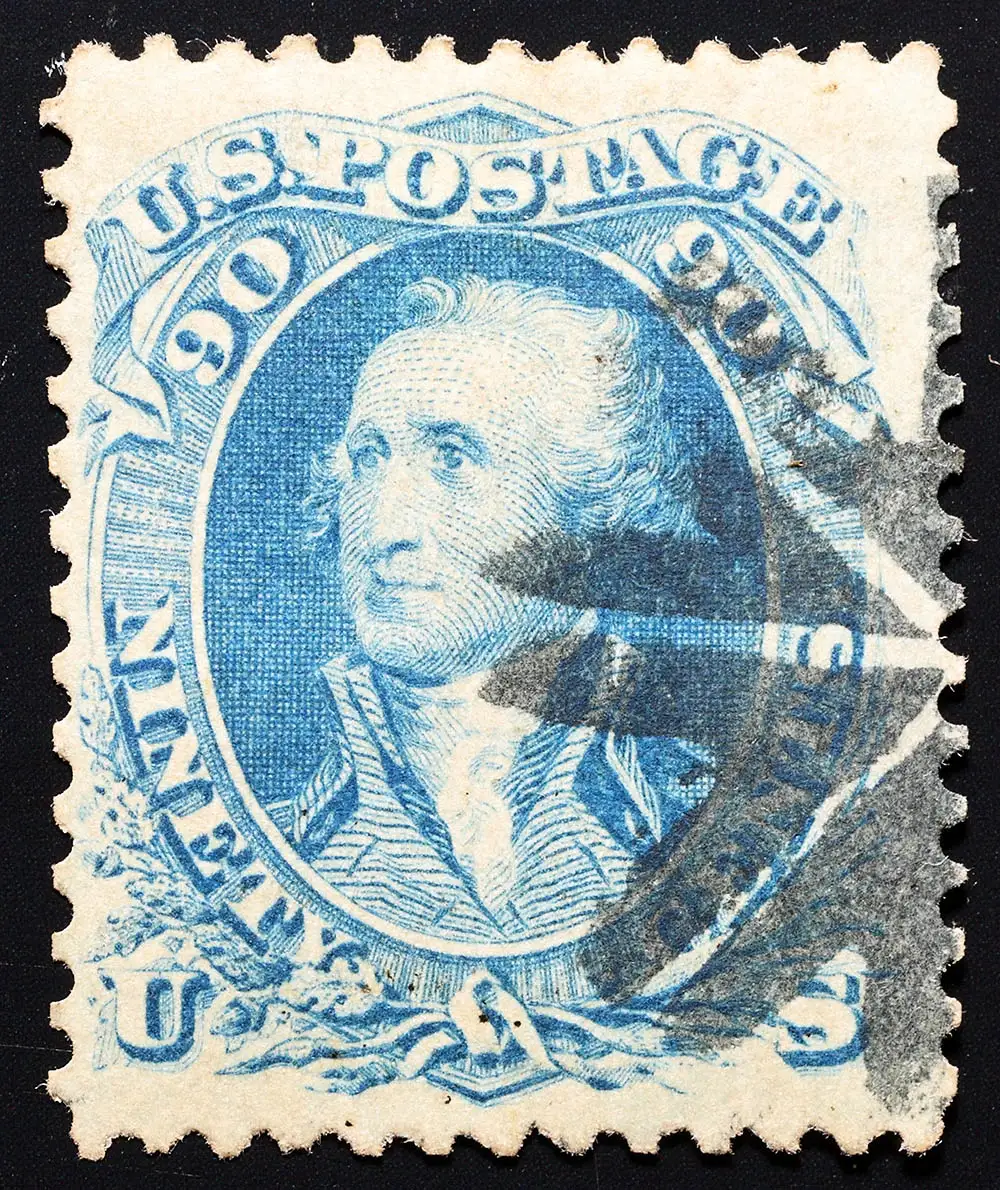 What do you think? Nice "jumbo" with "fancy cancel" - or reperfed junk? I am not so sure - but I like the "eye-appeal". The stamp is valued quite moderately in the Scott catalog. (At least the issue I have.) Is it a common stamp? Did many of these survive the parcel-postage in 1861? Does anyone know about the cancel? Nice "fancy" or fake-phantasy? Thank you! |
|
Send note to Staff
|
|
|
|
|
Pillar Of The Community
United States
1341 Posts |
|
|
Bedrock Of The Community
United States
10869 Posts |
|
|
Probably not, but without actually seeing the stamp it's not guaranteed. |
Send note to Staff 
|
|
|
Valued Member
Germany
23 Posts |
|
|
Good news so far.
(not "obviously" referfed)
With a width exceeding 21mm - is it considerd "jumbo"?
Is the centering still OK?
What about the cancel? Can it be found in any specialized handbook? (Or home-made cork?)
(The stamp origines from an old Swiss estate built up in the 1950s.) |
|
Send note to Staff
|
|
|
Pillar Of The Community

United States
1160 Posts |
|
|
Centering is typical for that issue. Not the best, but by far not the worst either.
Margins are also typical. That stamp often has larger margins than other stamps from that period so it probably would not receive a Jumbo designation if you wanted to get it certified.
It is a "circle of V's" fancy cancel, but as fancy cancels go, it is one of the simpler and more common, so it would be hard to tie to a specific city, and it wouldn't receive much of any premium as a fancy cancel.
The main feature is that the cancellation is cleaner and lighter than normal, and "face-free", so that is a plus. Many cancellations on that issue have heavy smeared cancellations.
You have a very pretty stamp that is missing from most collections. |
|
Send note to Staff
|
|
|
Pillar Of The Community
United States
1820 Posts |
|
|
I agree with the above. This stamp (Scott #72) is not what one would call common but it is readily available. You show a nicely centered copy with a clean unobtrusive cancel. It is very attractive and, if free of faults like thins or creases, of some value. The relatively close margin at left would preclude categorization as a "jumbo," but this descriptor really does not apply to the 1861 series. |
|
Send note to Staff
|
|
|
Valued Member
United States
10 Posts |
|
|
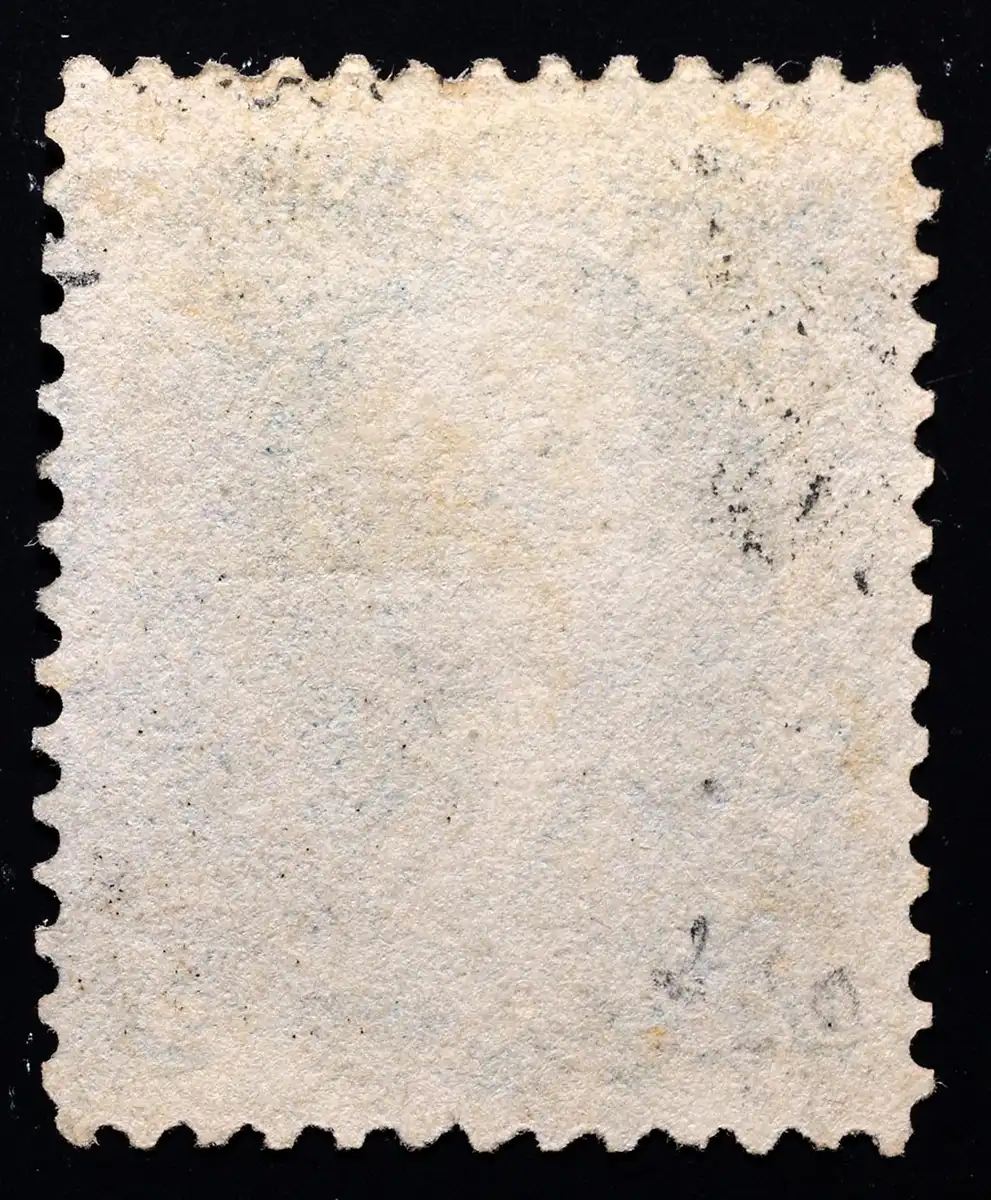
Dip the stamp face down in watermark fluid to check for creases, thins or alterations like added margins. If it looks too good to be true, then it is. |
|
Send note to Staff
|
|
|
Bedrock Of The Community
12780 Posts |
|
|
Valued Member
Sweden
137 Posts |
|
|
Did many of these survive the parcel-postage in 1861?
US Mail did not offer parcel post in 1861 so most covers known with this stamp are higher rate foreign mail letters. |
|
Send note to Staff
|
|
|
Valued Member
Germany
23 Posts |
|
|
Valued Member
Germany
23 Posts |
|
|
Is it too good to be true?
Do we see repairs of small thins?
Or just old hinge-marks imprinted to the paper? |
|
Send note to Staff
|
|
|
Valued Member
Germany
23 Posts |
|
|
For the postal history:
Only known use were heavy foreign mail letters? Documents sent back from the immigrants to the continent? So any 90c 1861 Washington stamp in an US-collection had to cross the Atlantic at least twice? |
|
Send note to Staff
|
|
|
Bedrock Of The Community
United States
10869 Posts |
|
|
Not necessarily across the ocean. Plenty of heavy envelopes went between large cities and Washington DC. Or between other locations. |
|
Send note to Staff
|
|
|
Bedrock Of The Community
United States
10869 Posts |
|
|
Might be a couple of perfs added at the top, but I don't see anything else that raises any alarms. |
|
Send note to Staff
|
|
|
Bedrock Of The Community
United States
10869 Posts |
|
|
Valued Member
Germany
23 Posts |
|
|
Replies: 25 / Views: 1,397 |
|




 Posted 04/09/2026 5:41 pm