NSK, while what you say is true, and that examples with different tones can be the same color, and even, as happens in cases like the Australian "White Wattles" (due to experimental ink) or the Spanish Franco 1048A (due to plate details), they have unique fingerprints that make them recognizable beyond the colors they are presumed to be… apart from that, I think that comparing examples can yield good results when there are evident leaps in details such as hue, saturation, temperature… and naturally, experience classifying colors will count for a lot, for which making mistakes and having to correct classifications many times is the best thing… I consider myself obliged, even at the risk of being wrong, to carry out the classification that I have shown and that is increasingly taking on a solid foundation.
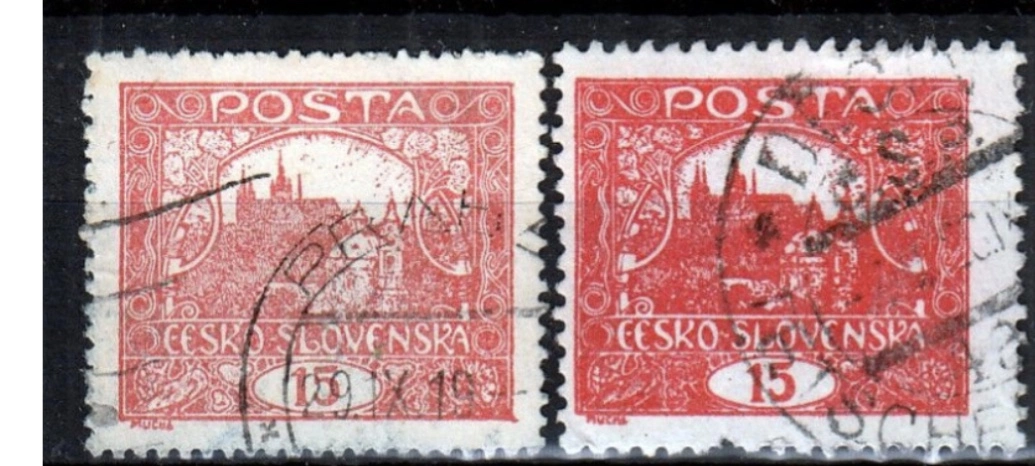
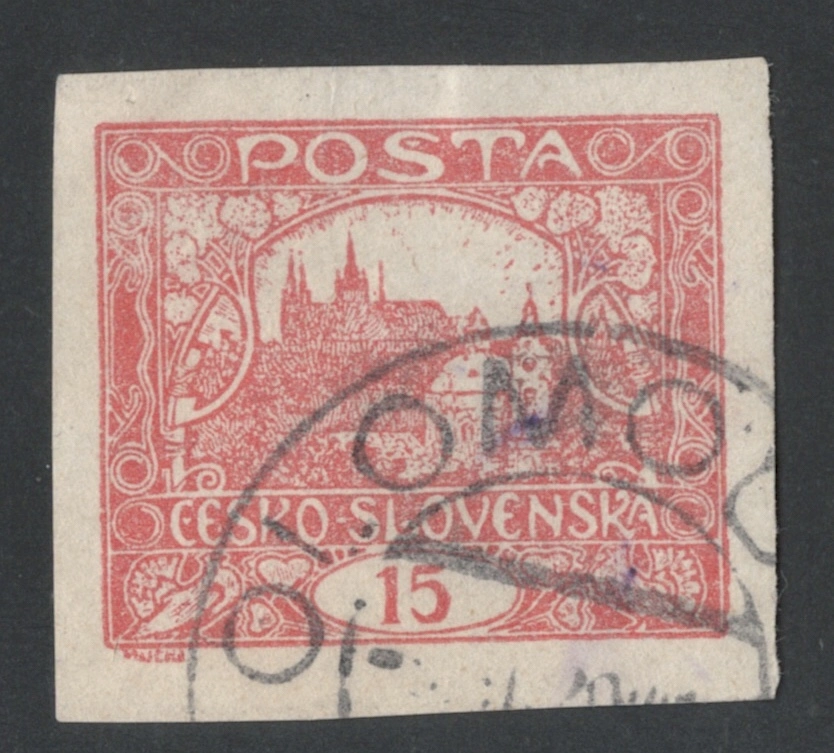
I would like to attach this image from delcampe where you can see that my imperforate model, marked by Scott only as red and which looks very dull, even as if it has been heavily washed (it probably has, since the cancellation is quite weak...), which has made me doubt myself a lot, has its corresponding serrated version...which leads me to consider it the red one...





 Posted 05/08/2026 07:14 am


