Somewhat non sequitur, and my apologies if it's deemed inappropriate for this forum, but I thought I'd lend a slight twist to precancel collecting: revenue precancels.
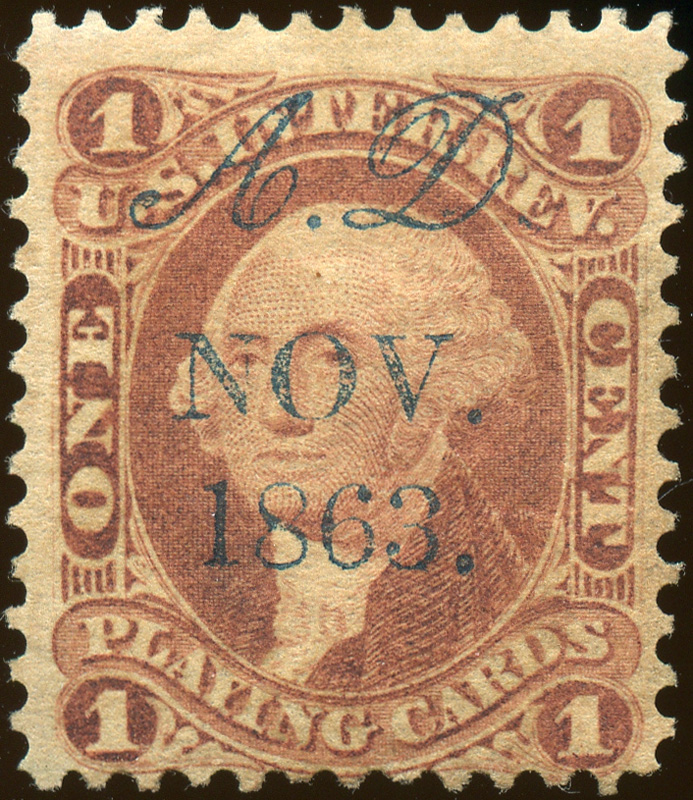
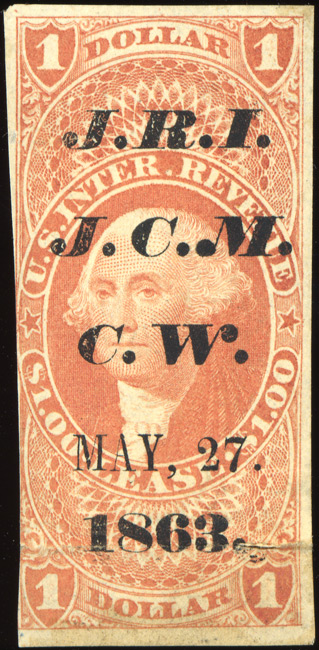
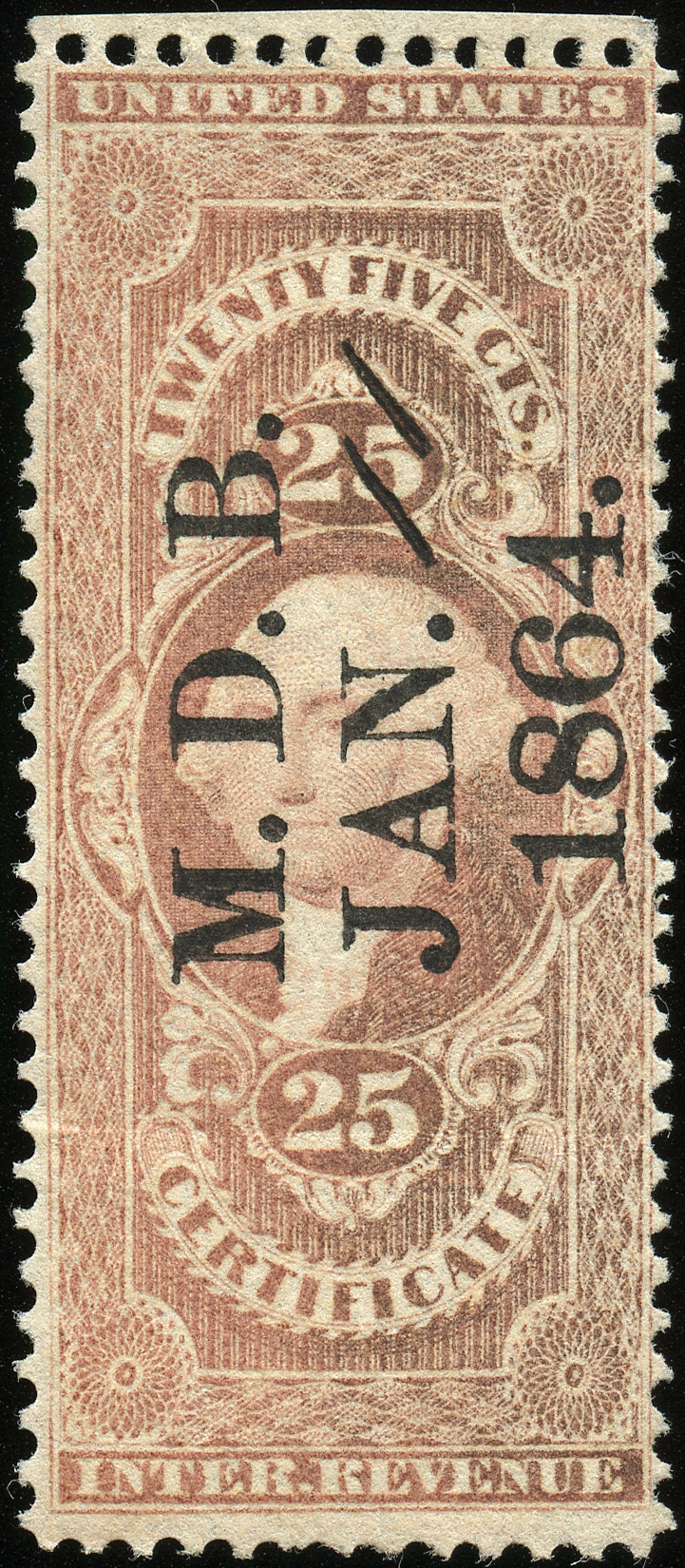
Printed/typeset revenue cancels from the 1860s are (in my mind at least) precancels. They may not be precancels using the same rules as postal precancels, but in terms of HOW they were used, I believe them to be precancels.
Entire sheets of stamps would be run through printing presses thus applying the company's cancel, and then the stamps would be affixed to documents as needed on later dates.
There are a few earlier postal precancels (early 1850s I believe) but they are few and far between. Revenue precancels are actually findable without breaking the bank, and are in my opinion, the first mass use of precancels.
Most commonly used by playing card companies and proprietaries (match & medicine).
Some examples:
Then we get to Civil War photographers. There are very few printed photographer cancels, the vast majority being either manuscript or handstamped... BUT... virtually all of them are precancels, at least in method of use.
Normally a stamp affixed to a document or cover where the cancel is not tied would raise red flags as to its legitimacy. On a cover, a stamp showing a handstamp cancel where the cancel disappears off the edge of the stamp but no evidence on the cover/document would be viewed as manufactured. Not so with Civil War photographes (CDVs).
Take the following example:
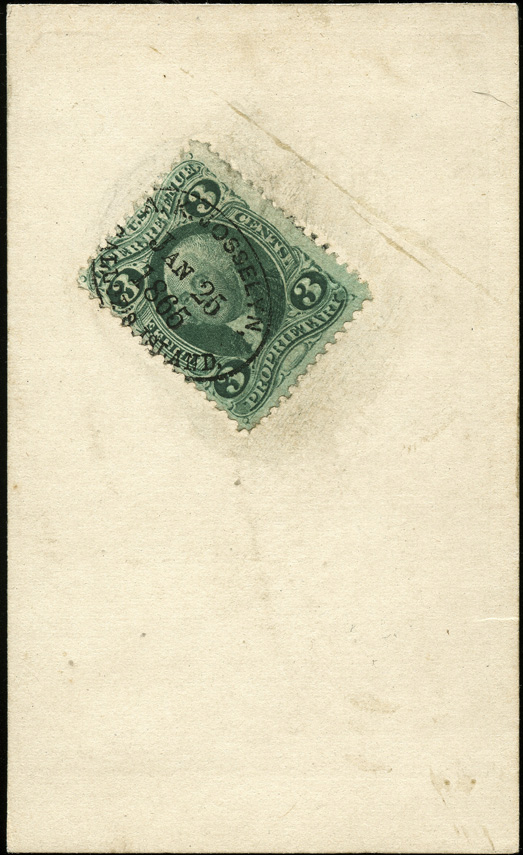
On a cover, this stamp would be viewed as fake because the cancel is not tied. On a CDV, however, this is what one would actually expect.
Why?
Photographers would normally stack their CDVs one on top of one another. A freshly canceled stamp with wet ink would be a disaster in this case, offsetting ink onto the next photograph. So most photographers would precancel revenue stamps (for the day, the week, etc.) and then affix the appropriate denominations at the time of sale.
I would call that a precancel, wouldn't you?





 Posted 04/19/2011 9:03 pm


