This
issue (ahem!) has been exercising the minds of Australian collectors for quite a while, since a local dealer and collector began writing a series of columns in a local stamp magazine about collecting on cover. His articles are archived on his Web site here:
http://www.rap.com.au/vPages.asp?vp...ds%20Columnsand scroll down to Woodchip-free Zone. I'd suggest starting from his earliest columns, where he sets out his philosophy. The columns deal mainly with Australian stamps on cover, but the principles apply generally.
In my own collection, I go for properly
commercially postally used, in the proper timeframe, and for a proper purpose.
As an example, the 1931 pictorial set of Charkhari was one of the Dune issues of its day. Sets CTO were dumped on the market for next to nothing, and they're still readily available today for very little. Genuinely
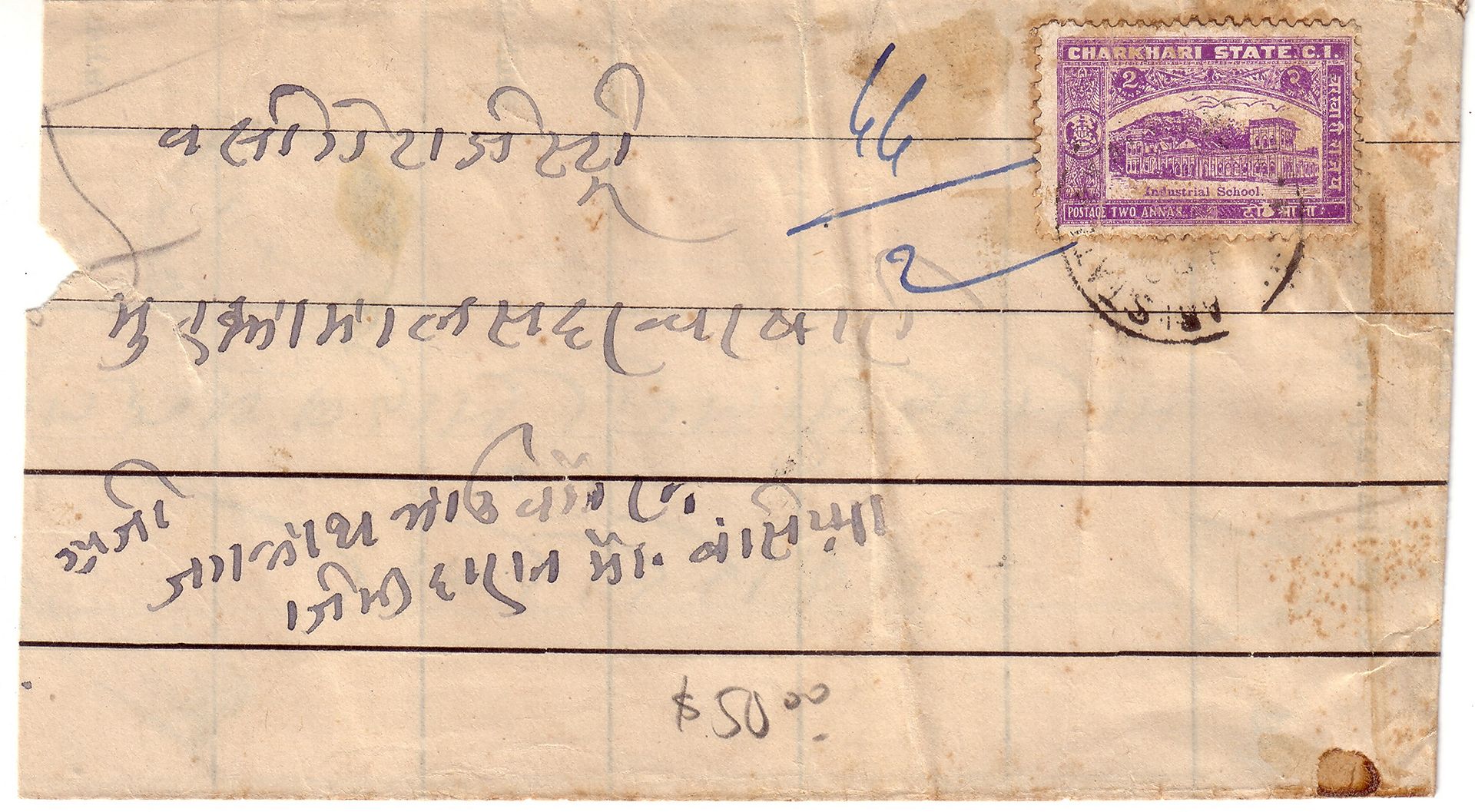
postally used examples of these stamps are another matter entirely. I have two covers with these stamps:

and
No prizes for guessing which I prefer

AFAIK, there never was a poste restante service at Charkhari (or any other Indian State), and 8 Annas overpays the local letter rate eight times. Still, the cover
does have a genuine postal cancellation, even if it never travelled further than across the post office counter.
The second is a genuine double rate letter, which obviously
has travelled through the Charkhari postal system. I treasure it: it's the only example I have of a commercially used cover of these stamps.
I can understand why some dealers etc use old, discount postage. If they're sending me something of low value, or something like an auction catalogue, I don't really mind. But I do get annoyed if they do it with a high value item, where the cost of postage is negligible, and they could have used a current high value stamp. That sort of stamp is always going to be hard to find properly postally used, and in good condition.





 Posted 06/25/2011 08:39 am