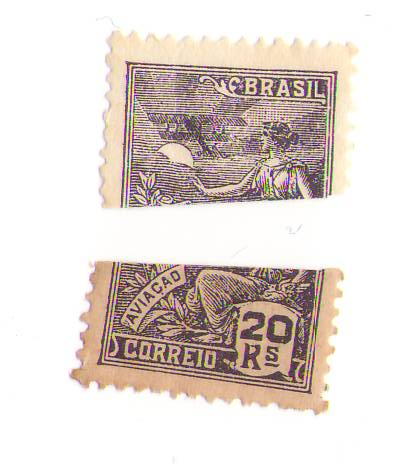
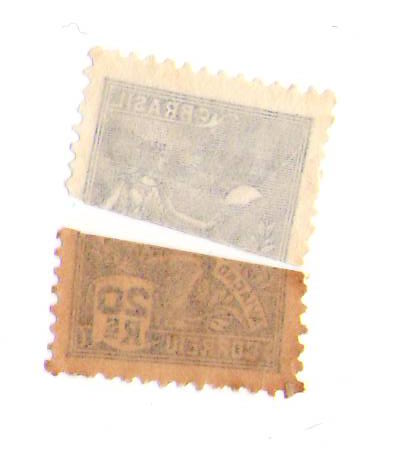
Quote:
. After bleaching the stamps, I would assume the mold/ mildew would be killed. Is that not correct?
I don't do it. I think the reason for the hesitancy in engaging in such practice is, depending on the climate the stamps are in or will someday be in (selling and shipping to a different locale) the humidity could allow mold to grow where before the bleach treatment seemed enough in the original environment.
The strength of bleach need to totally kill all fungi might, may, maybe work but it may not either and you wouldn't want to take the chance, any chance, that your stamp and the other stamps in the album or on that page would be infected, or, heaven's forbid, you purchased a new stamp to fill that hole or holes and the value of it was something you didn't wish to chance to fate.
Which is what you are doing when you keep mold anywhere around stamps. Usually, I would think, to kill any mold that is on or has grown into the stamp's fibres, you would need a strength of bleach that would do damage to the stamp design itself.
best to isolate and keep any of these mold infected / affected stamps away from you good ones, at the very least.
I enjoyed the bonfire shown above.
I once came into contact with a mushroom in a dirt crawl space under a house. The instant I touched it it sporated or went poof and there was a cloud of mushroom (a fungus) spores floating in the air all around me.
All they needed to spread to new ground was for me to move and create a small air current that carried them (very fluffy and floatable seeds that they were) all around me, on me, and following after me wherever I moved to. The little guys in your albums on your stamps are just miniature versions of this bigger cousin (6" tall and round).
All it takes is one spore to survive (out of millions produced) and land on a new place to take root (your stamps), and have the right conditions for growth also.





 Posted 04/29/2012 12:39 pm