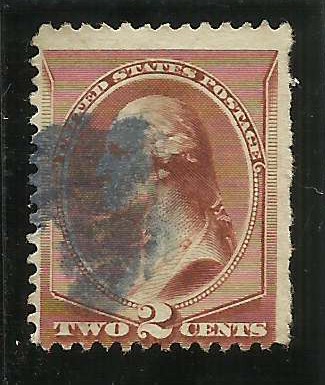
I think your stamp is a normal straight edge from the left pane. It was not uncommon for these to fray over time and develop a ragged appearance. I agree that the right edge is pretty roughed up for a natural straight edge, but they do get that way. Take a look at the right stamp in this pic.
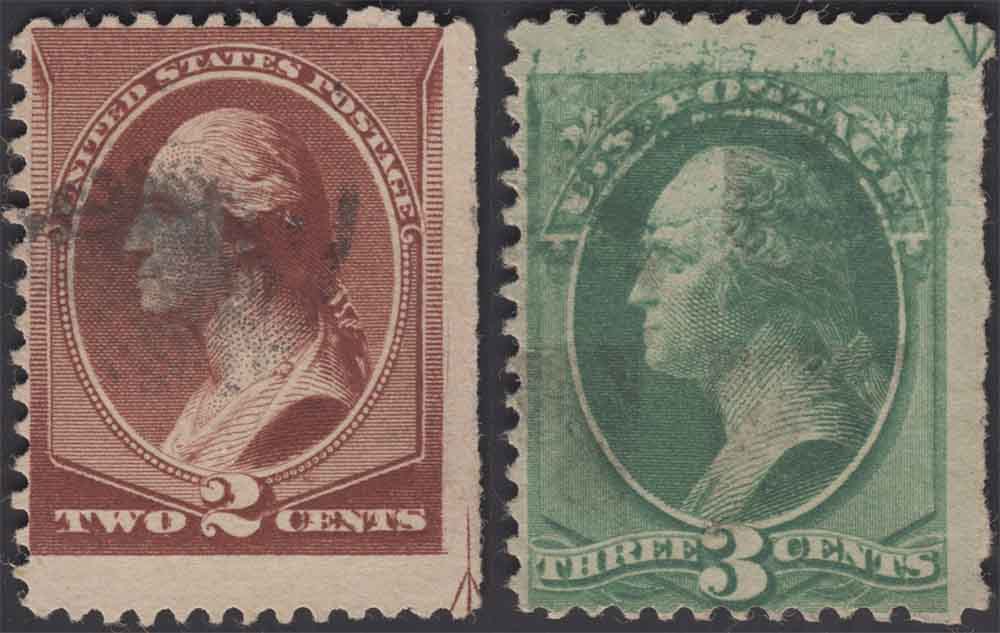
I don't think your stamp was faked from a fully perforated stamp. The plate layout for these was two panes of 100 side by side. When a full sheet of 200 was perforated, they did not run any perforations down the gutter between the right and left panes. The stamp producers cut the panes apart down that gutter resulting in straight edge stamps to the right or left of the cut line. Notice the upper and lower guide arrows in the pic above.
For the steamer plate tests of 1885 some sheets were produced and perforated but left uncut. From these come the cross gutter pairs which have the appearance of being imperf between. Here is such a pair:
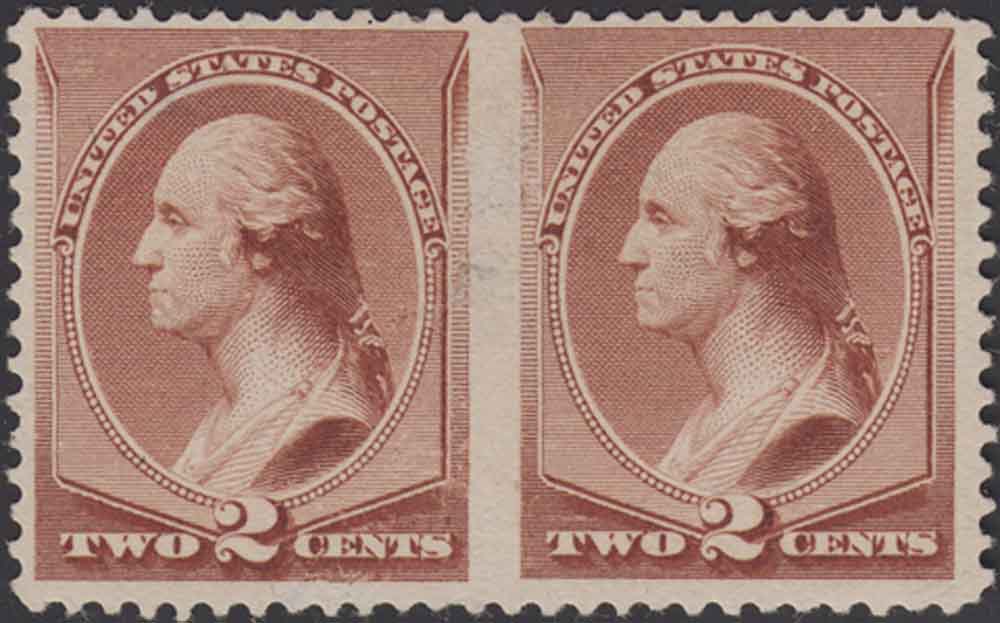
These pairs are listed in Scott as 211Bc, but they come from the test sheets which were not regularly issued and do not normally come used. The presence of a cancel is pretty good indication that yours is a regular margin example of Scott #210 from the left pane.





 Posted 07/15/2013 12:49 pm