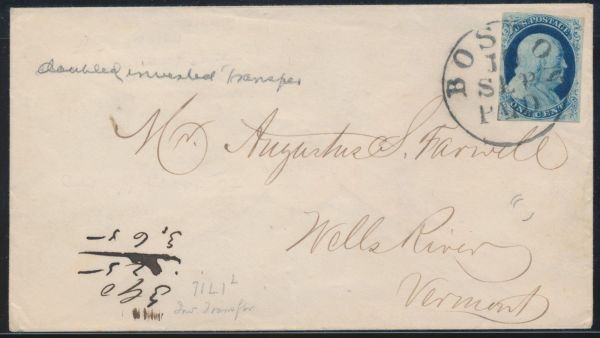
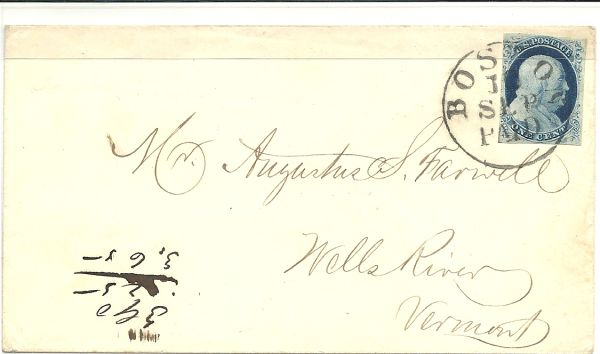
I have been remiss is not thanking Artful, earlier & profusely, for his pointer to the Sakura Electric SE-2000 eraser.
http://www.sakuraofamerica.com/electric-eraserWhat a treat! Dealer scribbles have been flying off postcards, and it feels so-o-o-o good!
Quote:
... if you want to try to erase, you MUST use a soft eraser ...
I am not entirely confident that this is the only alternative, eyeonwall.
As it is dragged across a surface, a soft eraser will retain energy, much like a spring, that will be released when the eraser drags along a weak(er) spot, like a thin, to potentially disastrous results. You will not know how much 'extra' energy is in the physical body of the eraser until you hit the weak spot.
The high RPM of an electric-powered eraser allows it to be more effective, with less contact, in a smaller area. How small? You can 'sharpen' the eraser to a something of a conical point, or you can flatten that point and use the edge of the end of the cylinder.
Either way, you get a level of precision that is [guess] impossible [/guess] to duplicate with a similarly sharpened manual soft eraser, and that precision reduces the drag on the surface of the stamp.
[hint] Always be mindful of the direction in which the eraser is turning against the surface. If you move the eraser (it is my inclination to stroke the surface with the electric eraser) be sure to move the device so that the contacting edge of the eraser is moving in the same direction as you are moving the body of the device. [/hint]
In the end, I find it easier to control the
position of the electric-powered eraser than to control the
pressure on the manual eraser.
Quote:
... Was going to remove it with an eraser but worried that it will lighten up the paper and look obvious ...
Evidence of erasure is just that, and nothing more. A future beholder could think that we erased something useful, but that's on them. A future beholder could think that we erased something dumb or dirty and, for that, they should only be grateful.
About the only thing you could erase that would constitute fraud would be, say, the word 'fraud' itself, eg, someone's (presumably correct) notation that the stamp had been added to the cover long after it passed thru the post.
Q/ How often do any of us see (presumably correct) notes like 'stamp not original' or 'sender already dead' written on a cover?
AFAIK, evidence of erasure conveys evidence of courage. There is no reason to think that some random filth that accompanies an item needs to stay with that item; after all, some dealer's 1950 price for an 1870 cover is hardly organic to the piece.
Yes, once in awhile, somebody is going to erase the local postmaster's historically-relevant penciled notation. But let's keep that fear in perspective, eh?
Cheers,
/s/ ikeyPikey





 Posted 01/01/2015 11:42 am


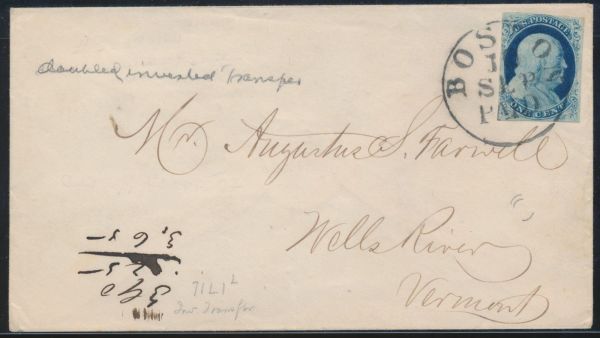


 !
!