| Author |
 Replies: 17 / Views: 5,536 Replies: 17 / Views: 5,536 |
|
Valued Member
Germany
284 Posts |
|
|
hallo, I have four stamps scanning. 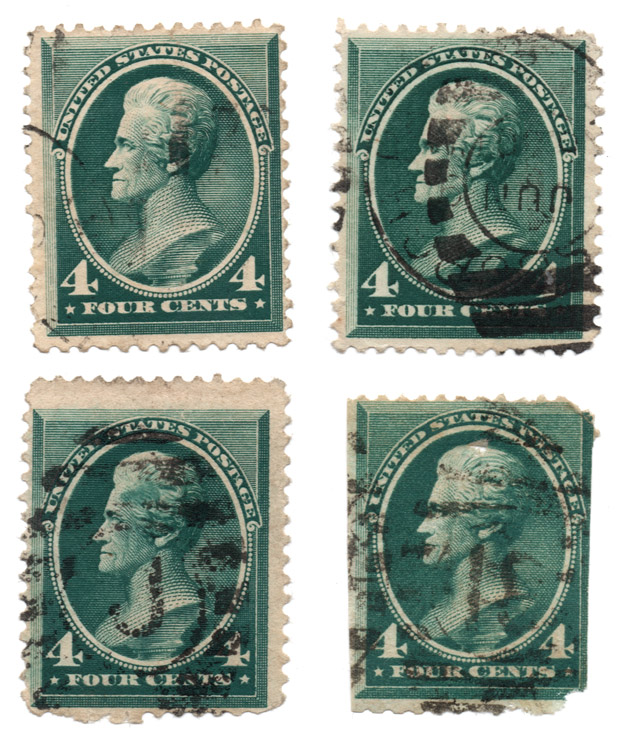 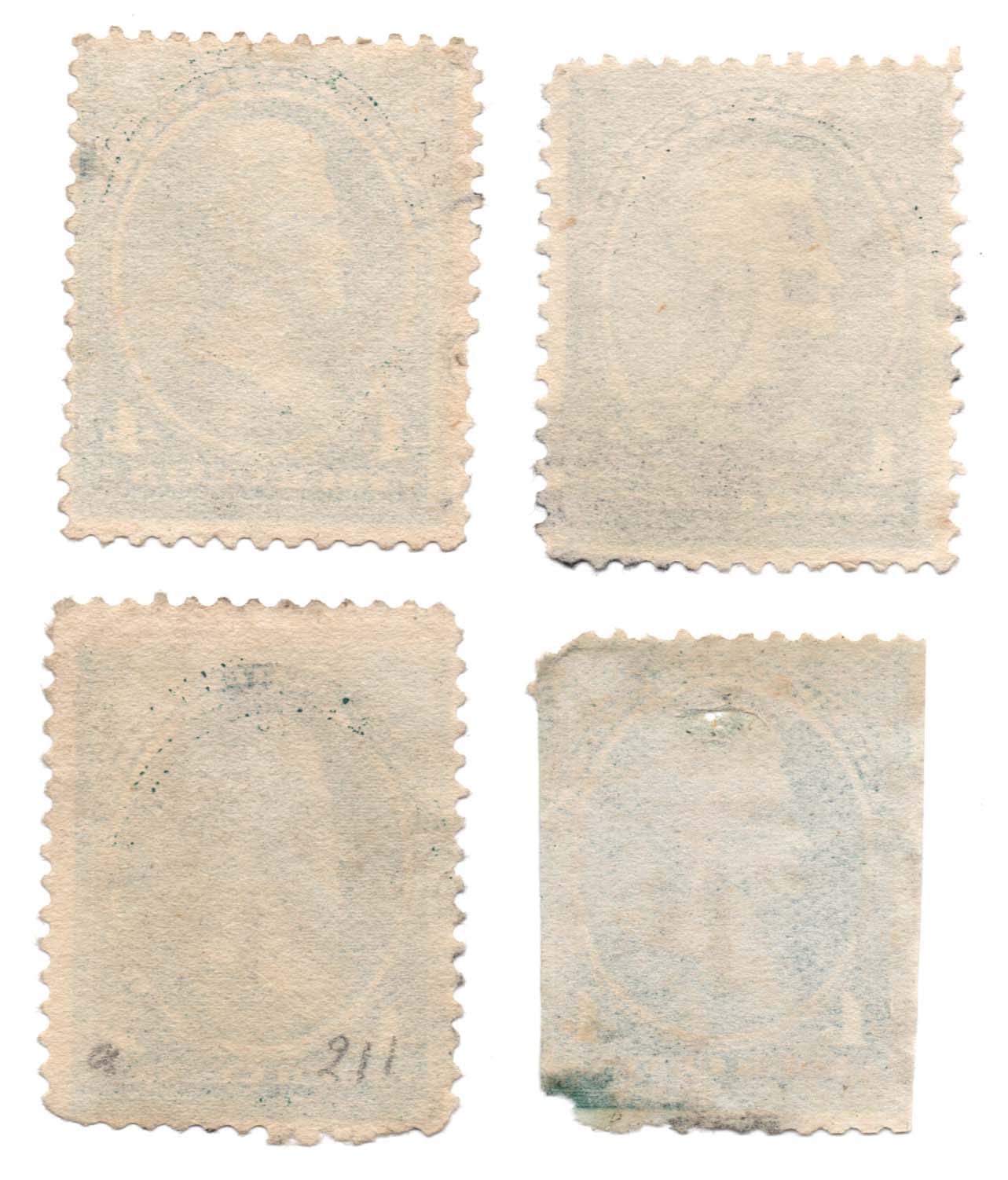 two line, right... very hard, thin .... what is this for paper? first line, left ... very soft porous paper? 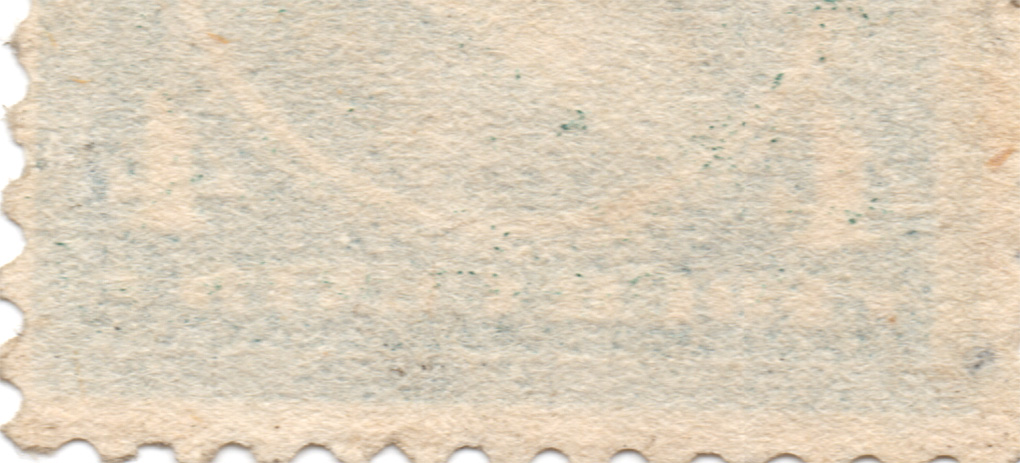 |
|
Send note to Staff
|
| Edited by dittrich - 07/20/2015 2:48 pm |
|
|
|
|
Pillar Of The Community
United States
1946 Posts |
|
|
From 1878 to 1881 the American Bank Note Company (and its predecessor) transitioned from paper with a gelatin sizing agent (hard paper) to paper made with a starch sizing agent (soft paper). By 1883 the transition was in the past, so all the rest of the stamps produced by American through 1893-94 are soft paper, despite variations in thickness and/or texture.
Therefore all your 4c stamps here are on soft paper. |
Send note to Staff 
|
|
|
Valued Member
Germany
284 Posts |
|
|
correct @essayk this can only Soft porous paper from American Bank Note Company but, this paper is however different  and to feel different as strong paper |
|
Send note to Staff
|
| Edited by dittrich - 07/20/2015 3:02 pm |
|
|
Valued Member
United States
112 Posts |
|
|
Pillar Of The Community
United States
1414 Posts |
|
|
Not entirely true. The American Bank Note Company printed a small number of stamps on hard paper in the 1779-1881 period. Otherwise the transition from hard to soft paper was complete before the Consolidation of the Continental Bank Note Company into the American Bank Note Company February 4, 1879. The ABN hard paper examples can only be positively identified if part of the American Bank Note Company logo is present in the margin of the stamp or on attached selvage. Only a handful of 1 cent and 3 cent examples have been positively identified. Other denominations are known to exist.
The 4 cent Scott 211 of 1883 was issued later. Even though the paper thickness may vary, the paper will be dull looking under long wave ultraviolet light. Hard paper will fluoresce brightly because of the difference in the sizing.
Clark |
|
Send note to Staff
|
|
|
Pillar Of The Community
United States
1946 Posts |
|
|
I appreciate the enthusiasm over American hard paper, but what I wrote IS entirely true. I gave the extended time table precisely because of the American hard paper which Ron thinks resulted from the gradual and periodic us of an old paper supply. In my opinion the transition was not complete until that stock was used up in 1881 or so.
Not sure how much of that detail needs to be given in a simple reply, but until we have a better handle on the precise characteristics of American hard paper I do not like to throw it out there. That's just me. |
|
Send note to Staff
|
|
|
Rest in Peace
Netherlands
963 Posts |
|
|
Dittrich, 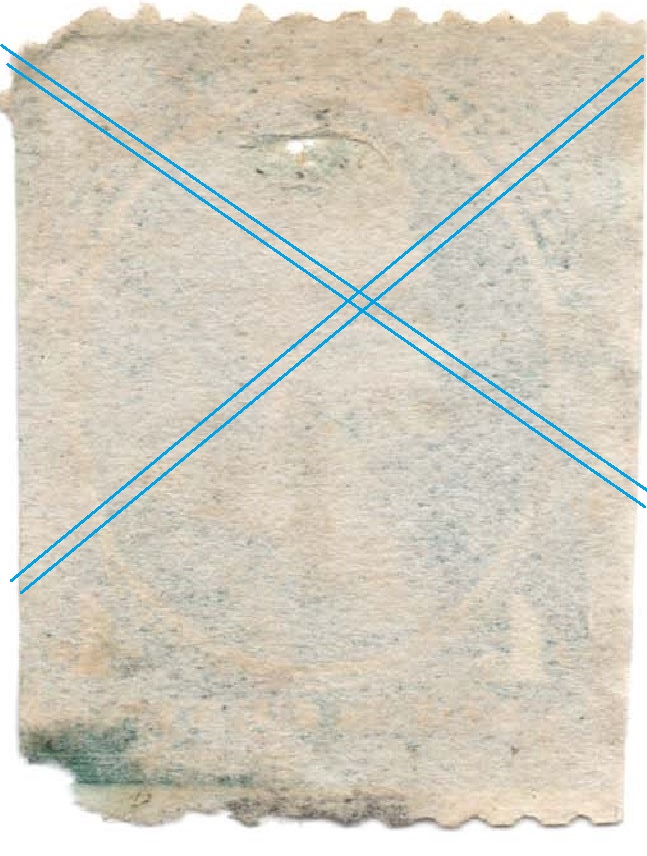 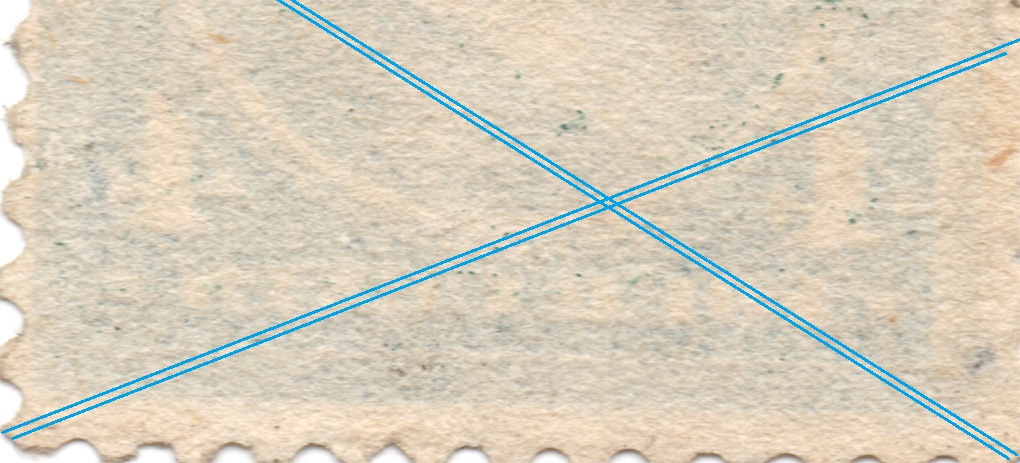 Differences in paper wire structure - different linen-binding densities! Gross Unterschiede in Siebstrukture - unterschiedliche Leinen-bindungen! Gruss, Rein |
|
Send note to Staff
|
|
|
Pillar Of The Community
United States
1414 Posts |
|
|
Enough intermediate and soft paper Continental Bank Note examples exist to support the belief that stocks of hard paper were gone before the Consolidation and name change to American Bank Note company. The choice to catalog stamps by the vendor instead of paper characteristics leads to anomalous results like Continental Bank Note soft paper stamps on cover. In the case of officials, not all of the stamps were reprinted by the American Bank Note company.
In any case, the American Bank Note hard paper examples I have examined have some distinctive characteristics described by Ron Burns and also in the Wiley book, but as Continental Bank Note paper. Absent the ABN logo, it is not possible to positively attribute the printing to the American Bank Note company, even if the 2 in 1 ribbing, paper color and thickness match. In any case, the purchase of the paper by the American Bank Note Company is documented.
Clark |
|
Send note to Staff
|
|
|
Pillar Of The Community
United States
1946 Posts |
|
|
Hence my choice of language for referring to all of this in an introductory catch-all: "transitioning from hard to soft over the period 1978-1881." Remember the point was not to get sidetracked away from the papers of 1883.
Too much public chat on the topic will get the treasure hunters to raise prices on ALL capture copies above where they are now.
BTW Galeoptix gives the best way of accounting for the observable paper differences in those later papers after 1883. Different wire structures produce different papers out of the same "ingredients." |
|
Send note to Staff
|
| Edited by essayk - 07/21/2015 9:34 pm |
|
|
Pillar Of The Community
United States
644 Posts |
|
|
Guys, This is EASY! Just hold the stamp to good light... soft paper looks like this:  |
|
Send note to Staff
|
|
|
Valued Member
Germany
284 Posts |
|
|
thanks @all 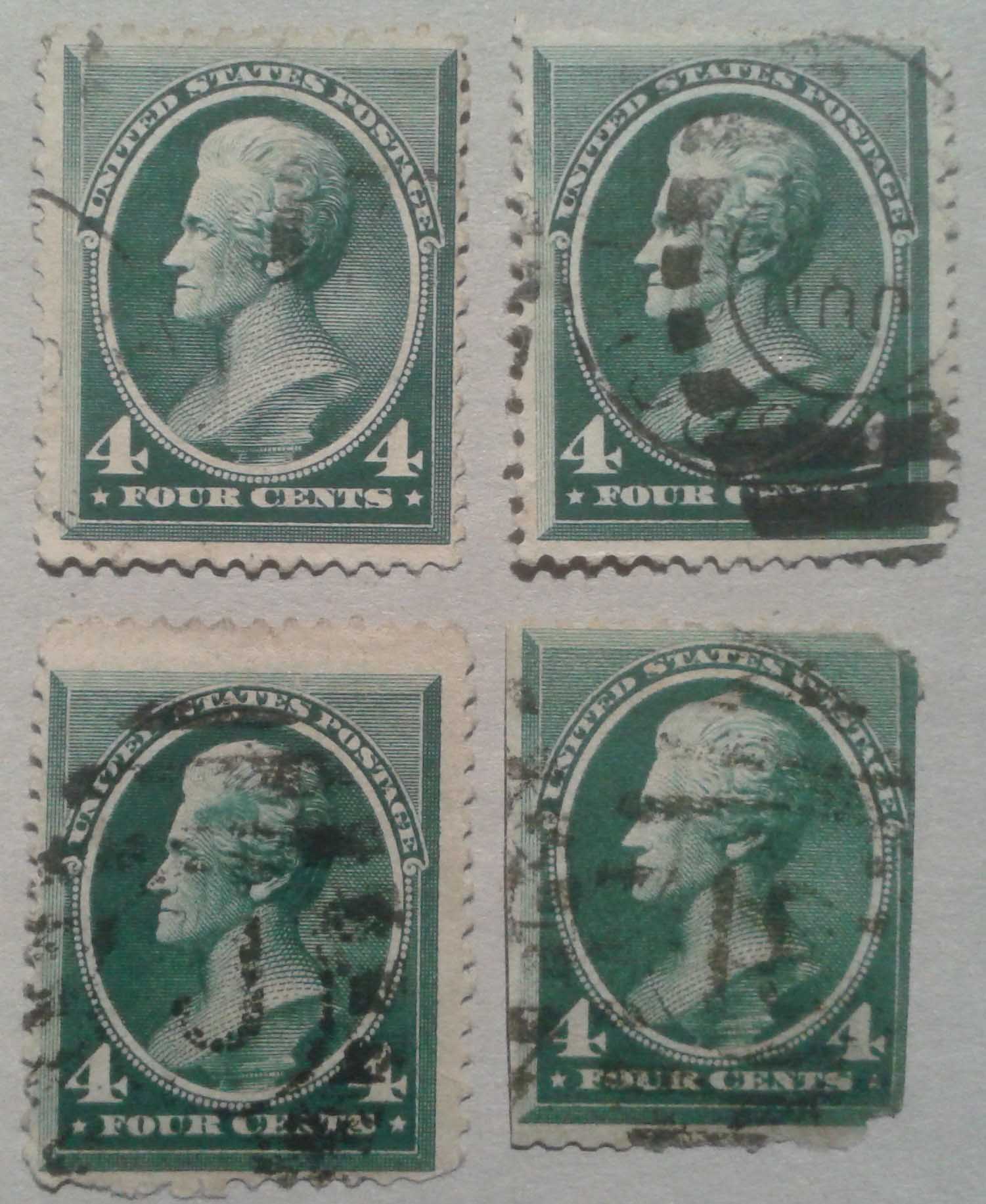 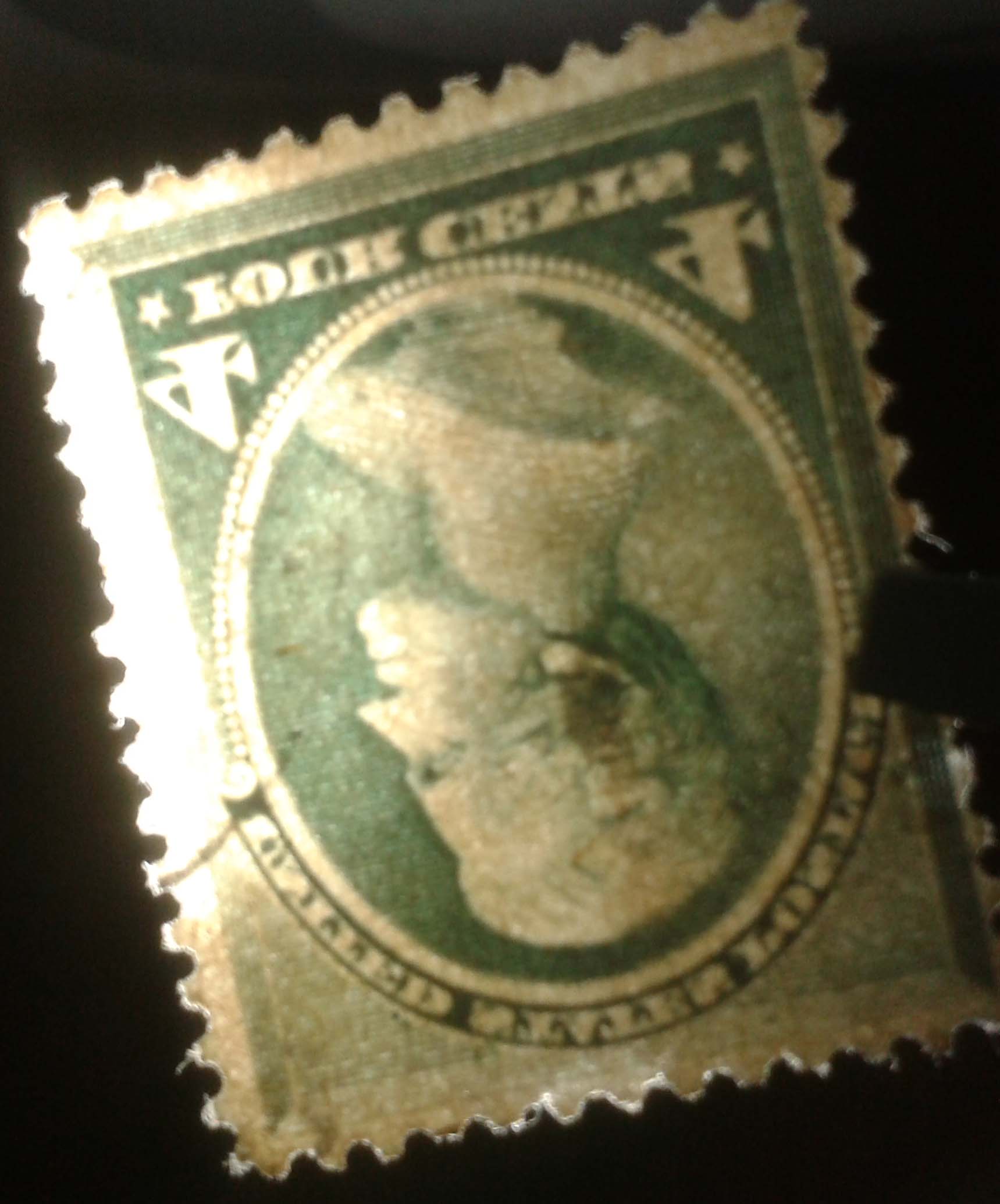 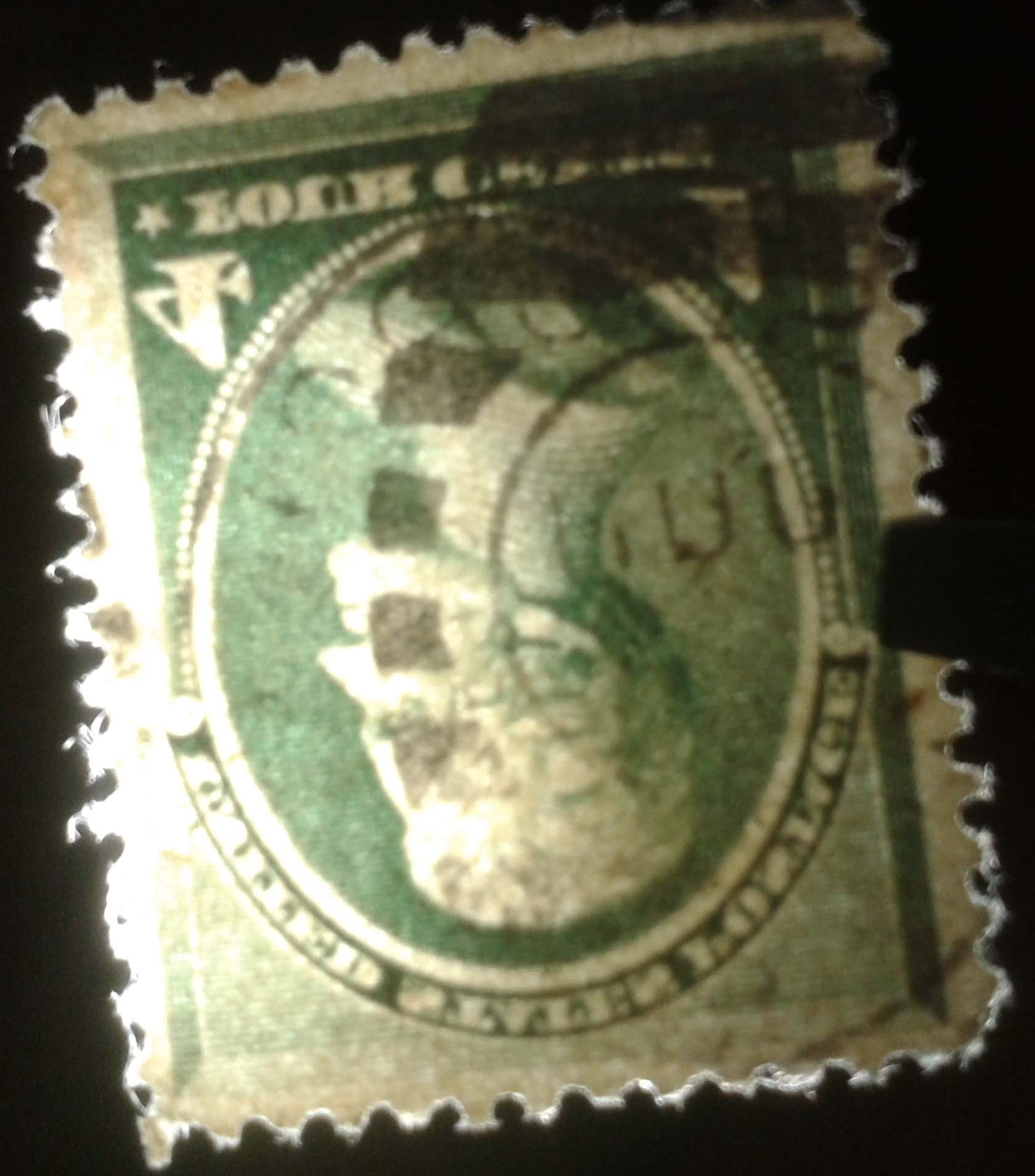 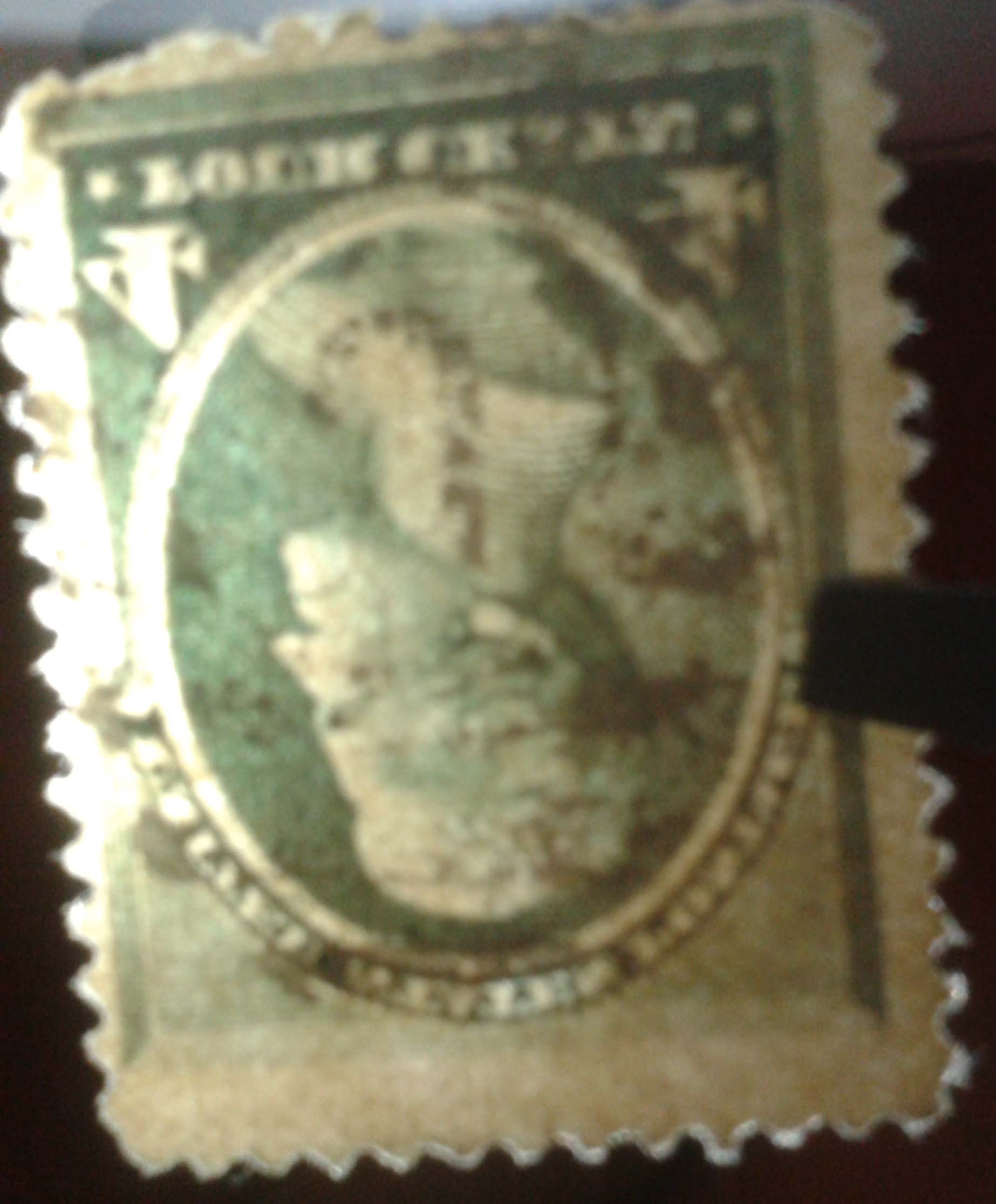 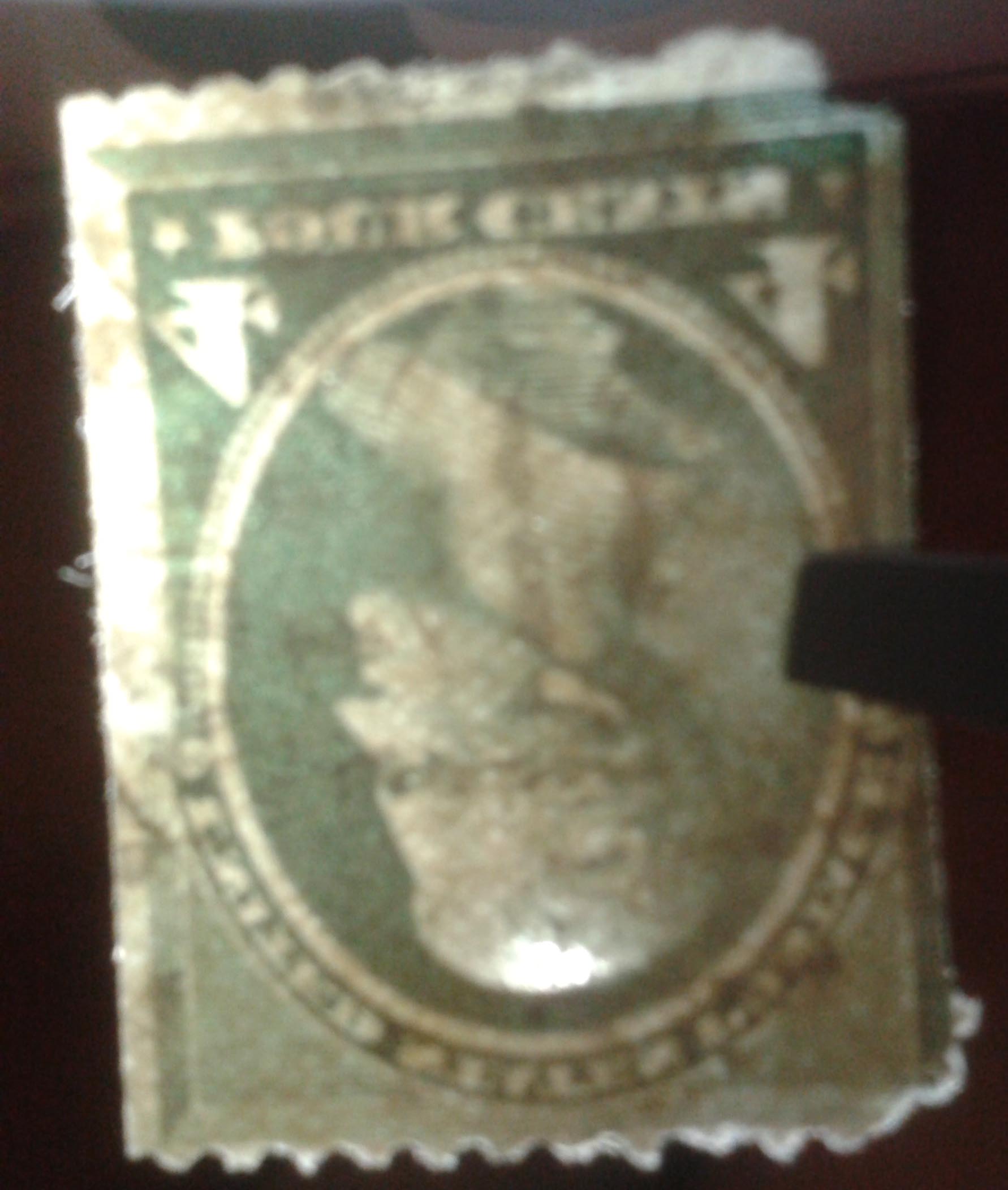 show the paper under light. @Galeoptix >Differences in paper wire structure - different linen-binding densities! What's that supposed to mean? different scott numbers? theres only #211 or #211D by (special printing only cancelation) |
|
Send note to Staff
|
|
|
Rest in Peace
Netherlands
963 Posts |
|
|
Valued Member
Germany
284 Posts |
|
|
Pillar Of The Community
United States
1946 Posts |
|
|
Galeoptix, I'm glad you came back to this forum. That is a first rate overview of the subject.
Mind if I ask a couple of questions?
The dates you give for the dominant use of a linen binding on the Fourdrinier (before 1938) and the introduction of the twill binding (1938-1970); are these world standards or something specific to Argentina?
May we assume that paper makers in the US followed the same sequence of binding types? Should we expect that prior to 1900 all US stamp paper was machine made on Fourdrinier wires with linen bindings? If so then the pattern differences between the "hard" and "soft" papers are due to the composition of the slurry and not to the construction of the wire. Or is that too much to say?
|
|
Send note to Staff
|
|
|
Rest in Peace
Netherlands
963 Posts |
|
|
What I described is valid world wide. I first tested it with my European countries and found out that it concerned countriers all over the world as the paper manufacturers do not make the wires them selves but buy them from specialized manufactueres. Just as with printing maqchinery you will find WIFAg or Giori or Roland used everywhere.... |
|
Send note to Staff
|
|
|
Pillar Of The Community
United States
1026 Posts |
|
|
Some very visible examples are found in Portugal and colonies with the local and Europe version of Pontinhado (lozenge mesh) paper. |
|
Send note to Staff
|
|
|
Replies: 17 / Views: 5,536 |
|



 Posted 07/20/2015 2:35 pm


