Quote:
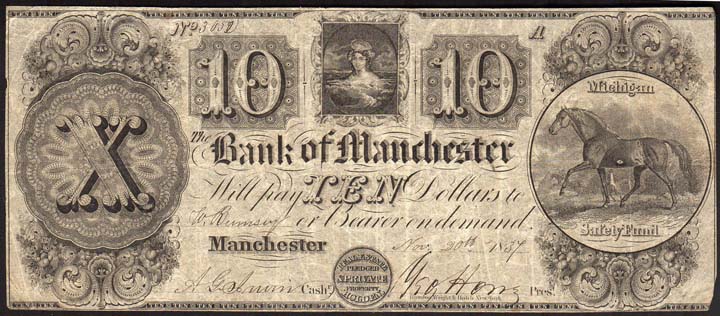
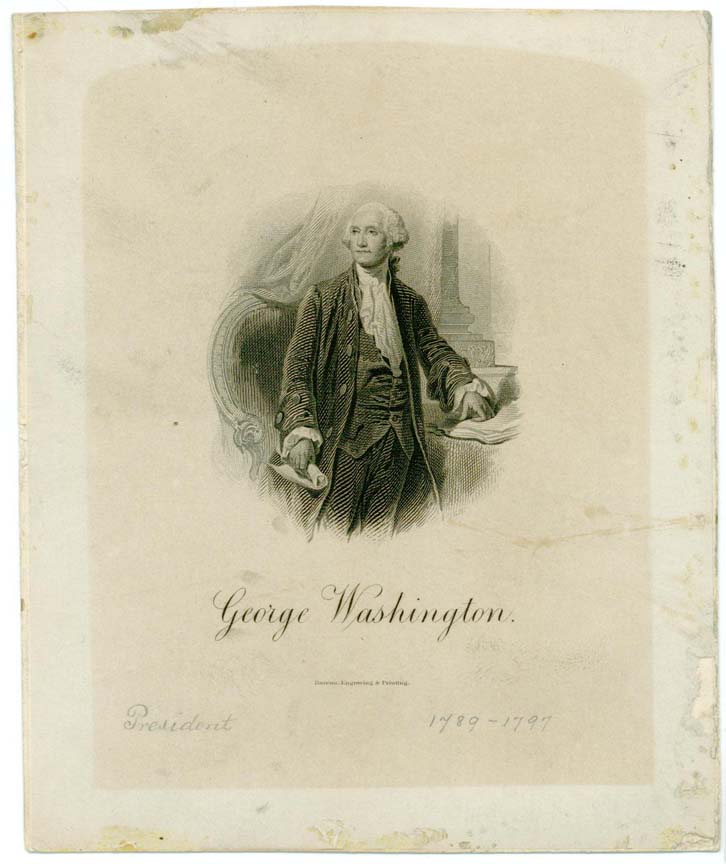
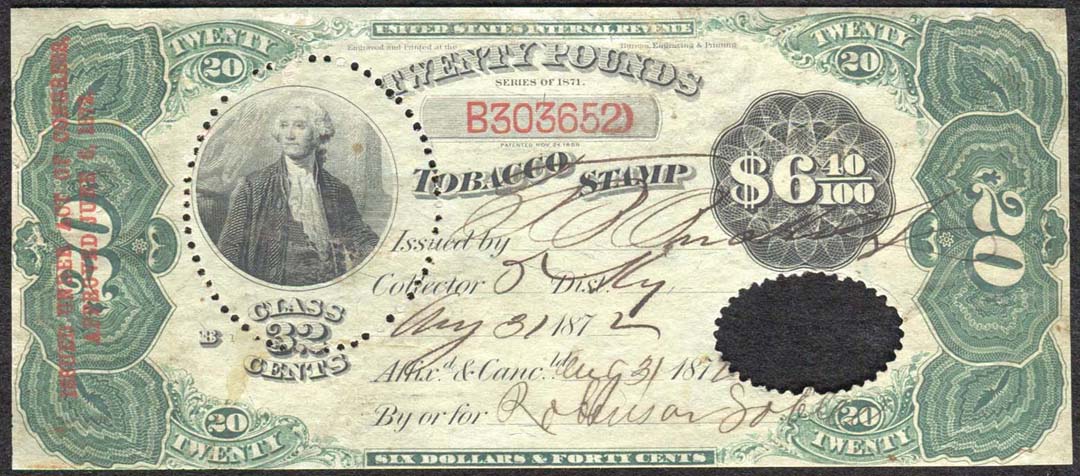
I would posit the Manchester bankers liked the look of the Ypsi notes and decided to also use the Washington and Franklin vignettes.
Given the proximity in time and space, when it came time to have some notes prepared I suspect that the bankers at Manchester followed the lead of the bankers at Ypsi and contracted with the same bank note company, RWH&Co, to do their notes. Wouldn't you suppose that the RWH salesman influenced their decision to use some of the same portrait vignettes too? Consider:
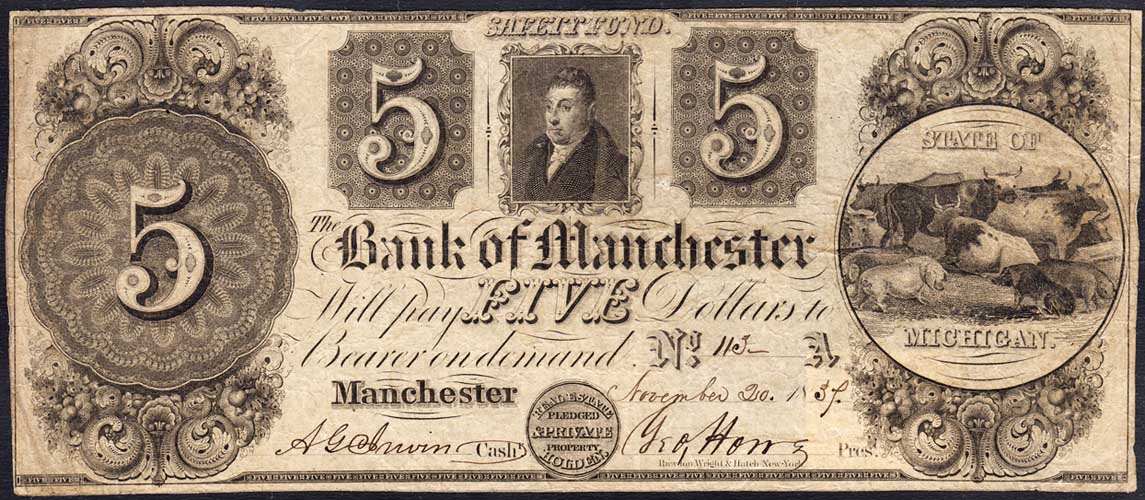
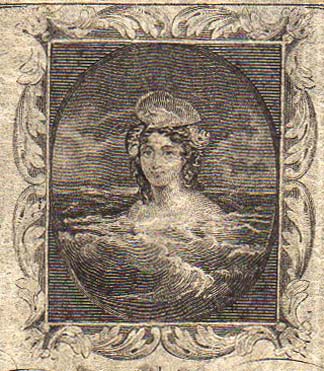
As we saw above the $5 Ypsi note had vignettes of Jackson, Franklin, Washington, and Lafayette (left to right). I am sure it is not coincidental in the least that at Manchester the $1 bore Franklin, the $2 bore Washington, and as we see here, the $3 bore Lafayette,
and that these are identically the same stock vignettes as appeared on the Ypsilanti note. But in this thread our primary interest was in finding a note with a portrait of Jackson, which is how the Ypsi $5 came up in the first place. If you have a more complete holding (I just have the first three) can you tell us whether any of the notes at Manchester bore the Jackson vignette we see at Ypsilanti?
Quote:
Threads like this make me miss the Essay-Proof Journal, which was chock full of such esoteric information.
It sounds like you and I are cut from the same cloth. I started to grieve for the passing of the EPS and its journal even before its final issue was delivered to my mailbox. It allowed for greater connections with students of paper money and the art of engraving than we have enjoyed since its day. More than nostalgia is at play when I say that we miss the likes of Julian Blanchard, Glenn Jackson, George Brett and a host of others who studied this material. Their work is hard to duplicate. It was Brett in the final issue of the EPJ that called attention to Siegel sale 747, lot 1150, in 1993 in which the original Travers papers appeared on the market for the first time. The whole bunch sold to Jack Rosenthal for $1250 and he turned them over to Wilson Hulme at the Smithsonian in the formative days of the NPM. Today we are only beginning to mine the riches of that archive, and in many ways this thread owes its existence to that. Mark Tomasko and the late Gene Hessler carried on the tradition for paper money, but neither ever got into philatelic journals much. Yet a bridge might revitalize interest in the artistic side of the material for all of us. Maybe a bunch of us should get together and resurrect an online version of the EPS.





 Posted 01/15/2016 6:08 pm