Stamp Community Family of Web Sites
Thousands of stamps, consistently graded, competitively priced and hundreds of in-depth blog posts to read


Stamp Community Forum
 
Username:
Password:
Save Password
Forgot your Password?

This page may contain links that result in small commissions to keep this free site up and running.

Welcome Guest! Registering and/or logging in will remove the anchor (bottom) ads. It's Free!

Need Help Scott 594 Or 596?

Next Page    
 
To participate in the forum you must log in or register.
Author Previous TopicReplies: 16 / Views: 25,068Next Topic
Page: of 2
Valued Member
United States
10 Posts
Posted 10/02/2016   2:17 pm  Show Profile Bookmark this topic Add bdaniels2234 to your friends list Get a Link to this Message
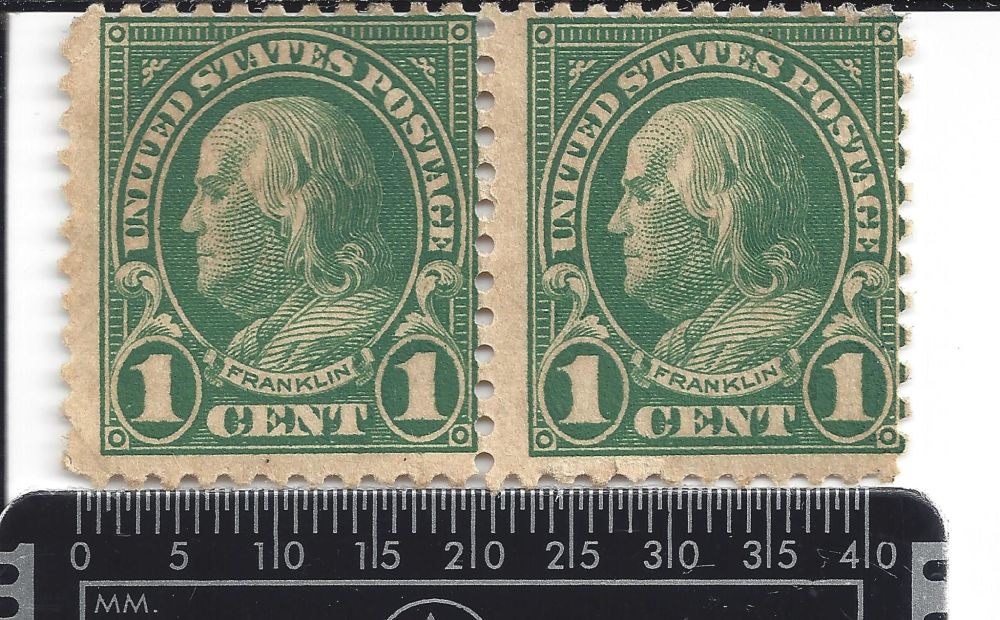
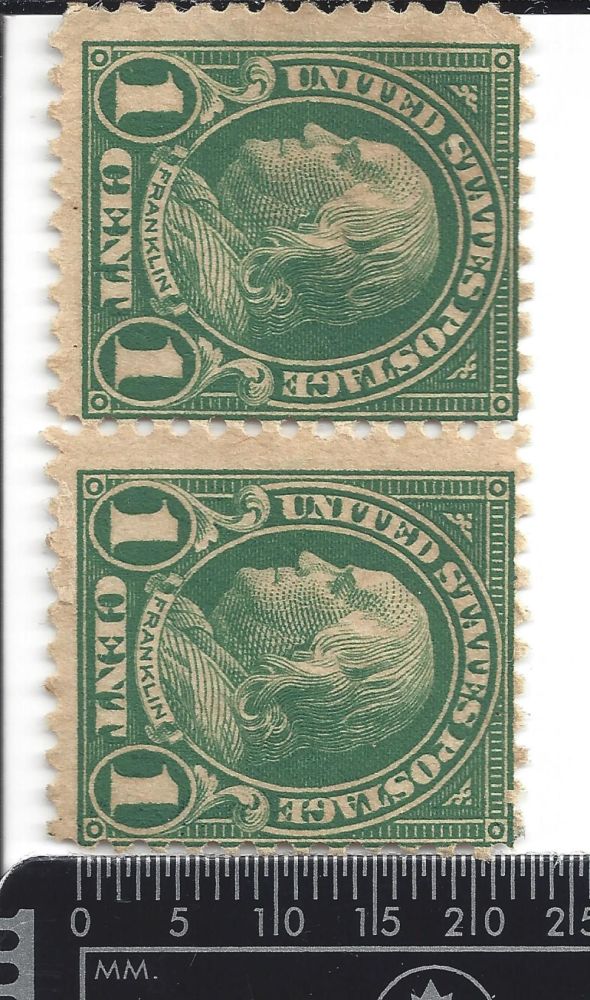
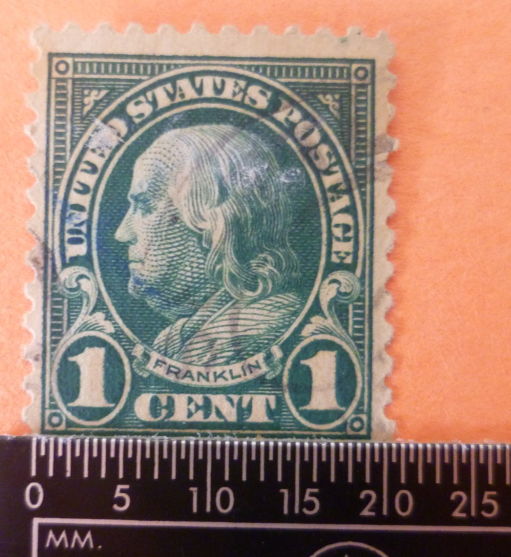
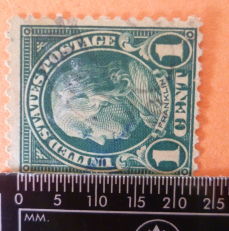
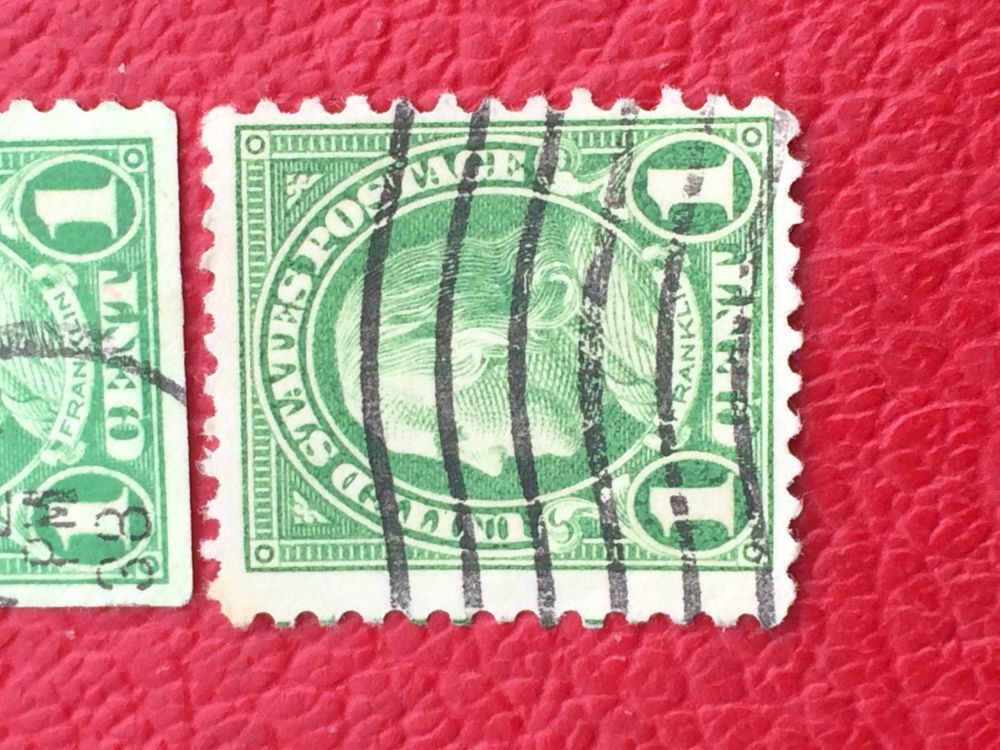
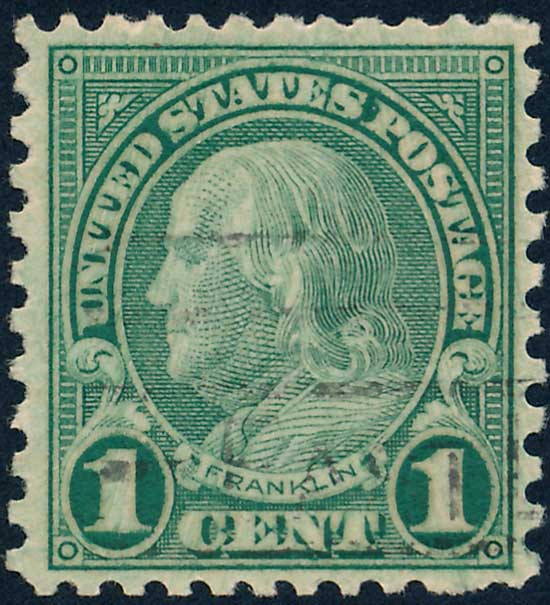
Hello I have two franklin stamps and I just was wanting some help figuring out which they are thanks. http://api10.webresizer.com/resizer...jpg&type=jpg
Send note to Staff

Pillar Of The Community
United States
8956 Posts
Posted 10/02/2016   2:26 pm  Show Profile Bookmark this reply Add Petert4522 to your friends list  Get a Link to this Reply
Bdaniels2234, I have trouble with the link you provide, but if you try http://stampsmarter.com and follow the link to the Washington/Franklins, you get a fantastic way of IDing your stamps.

Peter
Send note to Staff  Go to Top of Page
Valued Member
71 Posts
Posted 10/02/2016   5:18 pm  Show Profile Bookmark this reply Add myfelixthecat to your friends list  Get a Link to this Reply
Yes, link not working.
Send note to Staff  Go to Top of Page
Valued Member
United States
10 Posts
Posted 10/02/2016   6:21 pm  Show Profile Bookmark this reply Add bdaniels2234 to your friends list  Get a Link to this Reply


Send note to Staff  Go to Top of Page
Valued Member
United States
10 Posts
Posted 10/02/2016   6:26 pm  Show Profile Bookmark this reply Add bdaniels2234 to your friends list  Get a Link to this Reply


Send note to Staff  Go to Top of Page
Valued Member
United States
10 Posts
Posted 10/02/2016   6:26 pm  Show Profile Bookmark this reply Add bdaniels2234 to your friends list  Get a Link to this Reply


thanks
Send note to Staff  Go to Top of Page
Moderator
Learn More...
United States
5094 Posts
Posted 10/02/2016   6:29 pm  Show Profile Bookmark this reply Add Partime to your friends list  Get a Link to this Reply
I agree with the suggestion to first try Stampsmarter to ID them. Come back if you have any questions.
Send note to Staff  Go to Top of Page
Pillar Of The Community
United States
6661 Posts
Posted 10/02/2016   7:23 pm  Show Profile Bookmark this reply Add stallzer to your friends list  Get a Link to this Reply
Use the search function here and you will find tons of threads on people thinking they've found a 594 / 596, which there is a very high probability that yours are not.
Send note to Staff  Go to Top of Page
Valued Member
United States
10 Posts
Posted 10/02/2016   9:11 pm  Show Profile Bookmark this reply Add bdaniels2234 to your friends list  Get a Link to this Reply
I was hoping someone could get me some info I know they're prolly not the rare ones but I just want to know what they are
Send note to Staff  Go to Top of Page
Pillar Of The Community
United States
6661 Posts
Posted 10/02/2016   9:35 pm  Show Profile Bookmark this reply Add stallzer to your friends list  Get a Link to this Reply
Send note to Staff  Go to Top of Page
Edited by stallzer - 10/02/2016 9:37 pm
Pillar Of The Community
United States
1414 Posts
Posted 10/02/2016   10:14 pm  Show Profile Bookmark this reply Add cfrphoto to your friends list  Get a Link to this Reply
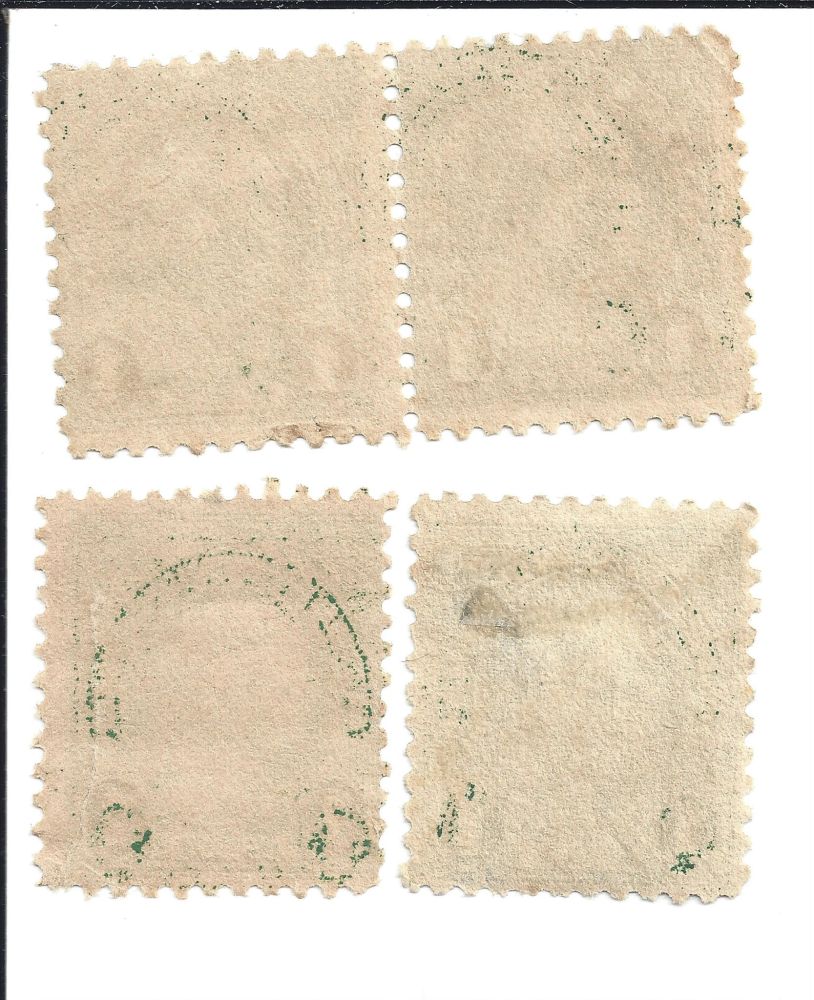
The stamps are a 632a rotary press booklet pane single and an ordinary perf 11x10 1/2 rotary sheet stamp, Scott 632. The color is that of printings after 1930. Coil and sheet waste issues 594 and 596 would in the same color range as the dull green perf 11x10 coil waste stamp, Scott 578.

Send note to Staff  Go to Top of Page
Edited by cfrphoto - 10/02/2016 10:15 pm
Valued Member
United States
254 Posts
Posted 10/03/2016   6:03 pm  Show Profile Bookmark this reply Add Aurora to your friends list  Get a Link to this Reply
What's a pleasure reading here!
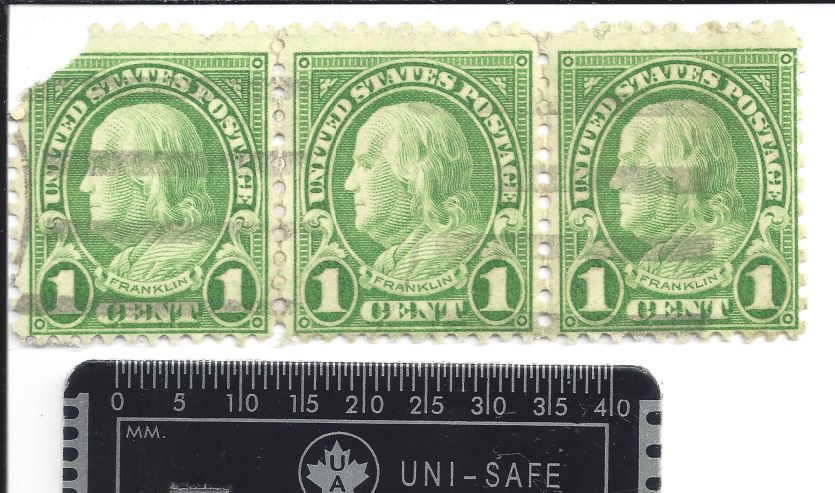
I've spent the few last days measuring my 1c Franklins. Many thanks to the creator-owner of StampSmarter (http://www.stampsmarter.com ) and this Forum (Google brought me to the discussions held in 2011, 2013). I found them really helpful. ...love the newbie's question about 596 that ended: *** Edited by Staff - Yelling Removed *** ...I imagine...

So.. I do not have Scott 596 or 594. I just have a FUN measuring-organizing my 1c Franklins and would like to double check with you, the expert collectors, did I "my homework" good enough or not?

Franklin 1c, Perf 11 x 11
Scott 552 - Flat plate (very often - color marks on the back), design 18.5–19 mm x 22 mm;
Scott 594 - Rotary plate, design 19.75 x 22.25 mm;
Scott 596 - Rotary plate, design 19.25 x 22.5 mm.

perf. 11 x 10 1/2 - Scott #632
perf. 11 x 10 - Scott #578
perf. 10 - Scott #581
perf. 10 vert. - Scott #597
perf. 10 horiz. - Scott #604
imperf. - Scott #575

At the end of my post I will ask a question about one Franklin 1c stamp that I cannot identify. Please help.

These are exactly Scott 552


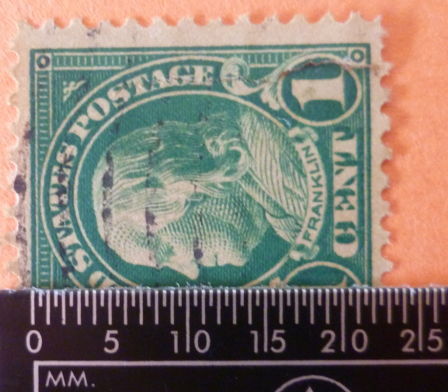
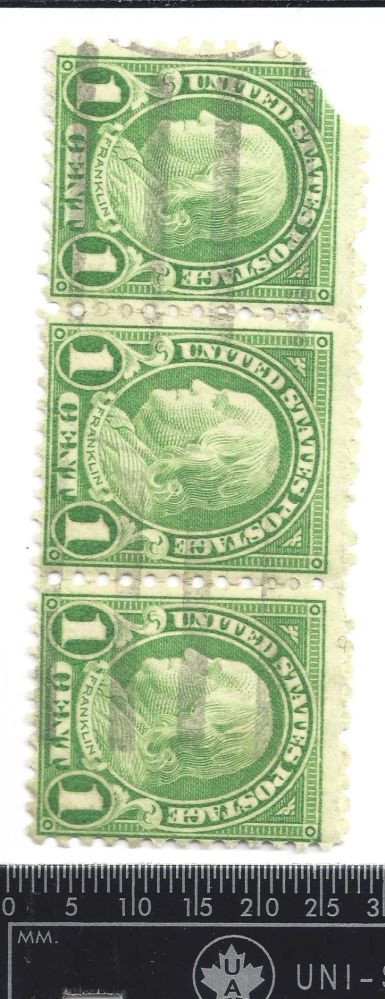
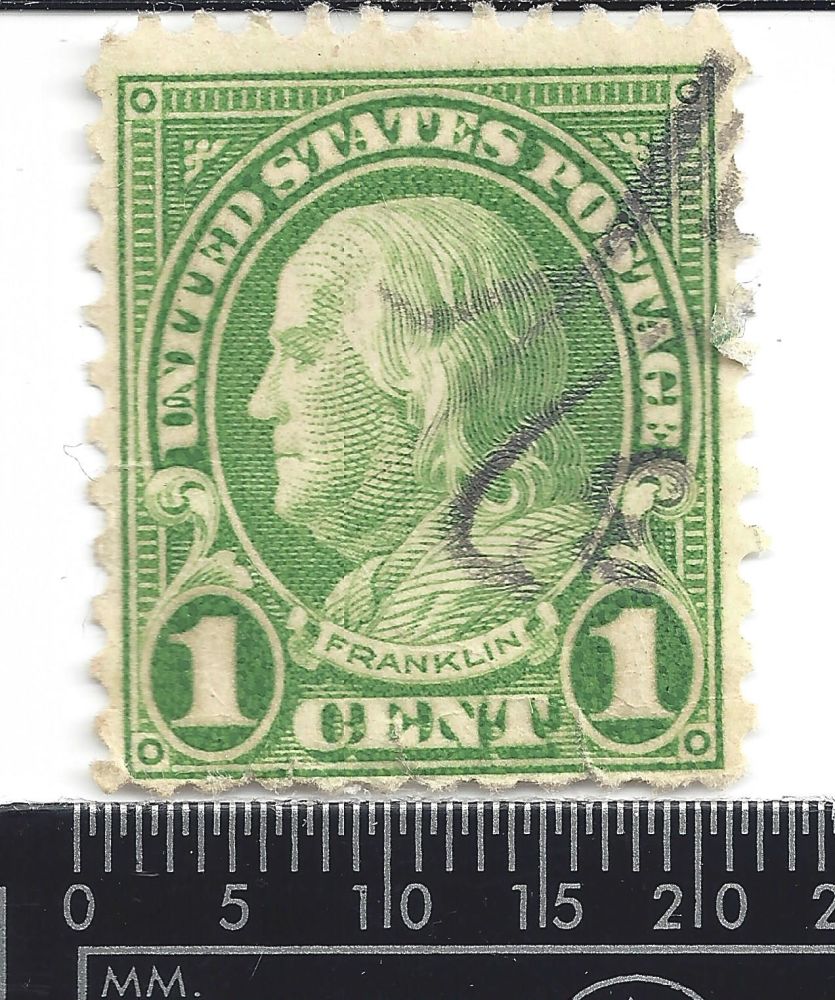
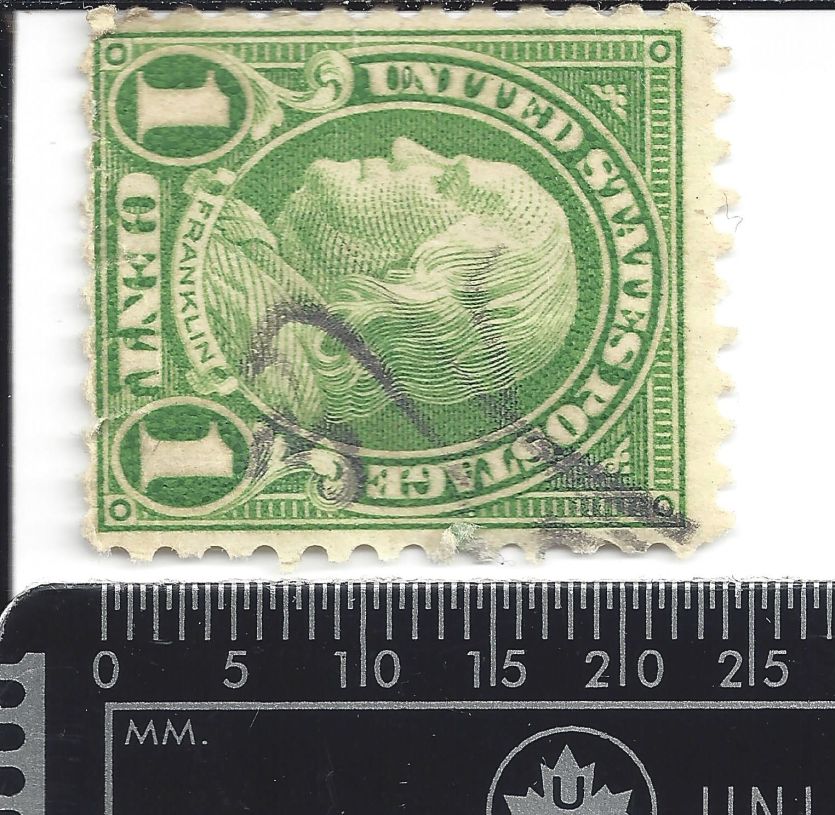
QUESTION: Please help with Scott number identification!
perf 11 x 10 1/2, design 19 x 22,5 mm



Send note to Staff  Go to Top of Page
Edited by Aurora - 10/03/2016 6:05 pm
Valued Member
United States
254 Posts
Posted 10/03/2016   8:32 pm  Show Profile Bookmark this reply Add Aurora to your friends list  Get a Link to this Reply
Nobody replied.
Ok. It's Monday.
Actually, it looks like that I found the answer by myself.
Many of Scott 632 dimensions are exactly 19 x 22,5mm or so (just checked the bunch of 632s that I have).
If it would be listed right to the Scott 632 description, it would safe time for many of us.
Send note to Staff  Go to Top of Page
Moderator
Learn More...
United States
12330 Posts
Posted 10/04/2016   06:25 am  Show Profile Bookmark this reply Add 51studebaker to your friends list  Get a Link to this Reply
Using a perf gauge to determine stamp dimensions is the hardest way to identify a stamp. A few of your images are good examples, the thickness of the perf gauge millimeter marking is greater than the distance needed to make a good measurement. Do users use the outside edge of the millimeter marking? Inside edge? Middle of the marking? Point is, it is not accurate enough and user measurements are unreliable. Additionally, and this cannot be emphasized enough, the published dimensions (in Scott catalog and Stamp Smarter site) are just 'guessimates' or typical averages.

All of this make me want to remove the dimensions from Stamp Smarter but I included it for completeness. I try to also document the better way (making templates and building reference collections) for IDing these stamps.

Many of us publish information for the benefit of everyone. We also desire to teach others but are less enthusiastic about presenting the same information over and over and over. For example, I would rather write and post it once on Stamp Smarter than to keep repeating the same answers in many threads over time.

And it should also be noted, although I am not saying that you are doing this, that 'treasure hunting' is frowned upon. There is a long history of forum threads in which posters believe they own stamps which will make them rich, and then push back when they are told the reality of the situation. This may account for some of the tone that might be found in forums.
Don
Send note to Staff  Go to Top of Page
Pillar Of The Community
United States
1414 Posts
Posted 10/04/2016   09:48 am  Show Profile Bookmark this reply Add cfrphoto to your friends list  Get a Link to this Reply
Don,

It would be helpful to note that the "standard" dimension for definitive stamps of the era was 3/4" x 7/8". Flat plate stamps shrink in the horizontal direction and booklet pane stamps in the vertical. Rotary press coil stamps are wider than 3/4" and sheet stamps are taller than 7/8". In any case measuring is not as effective as comparing height or width with another stamp with known characteristics. The same is true gauging perforations. Using another stamp is generally quicker and more accurate.

Besides looking at the aspect ratio of stamps, noting the color and presence or not of setoff (ink on the back) is important. With few exceptions flat plate stamps of the period will show bits of the mirror image of the design on the back as a result of stacking the sheets before the ink is completely dry. Rotary press stamps are generally clean on the back and. Rotary press sheet stamps with gum will normally have gum breakers and gum of coil stamps has a characteristic look including lines in the gum in the coiling direction.

There are many clues. Learn to see and use them.
Send note to Staff  Go to Top of Page
Edited by cfrphoto - 10/04/2016 09:54 am
Moderator
Learn More...
United States
12330 Posts
Posted 10/04/2016   10:15 am  Show Profile Bookmark this reply Add 51studebaker to your friends list  Get a Link to this Reply
Thanks Clark, the flat plate setoff info is already on the site but I will add the additional dimensional info. Color? I hate to even go there with so many folks misunderstanding digital imaging. Obviously an experience person can easily ID a flat plate from a rotary even if the image is rather poor; but with so many inexperienced folks drawing incorrect color conclusions it makes me want to run in the other direction!
Don
Send note to Staff  Go to Top of Page
Page: of 2 Previous TopicReplies: 16 / Views: 25,068Next Topic  
Next Page
 
To participate in the forum you must log in or register.

Go to Top of Page

Disclaimer: While a tremendous amount of effort goes into ensuring the accuracy of the information contained in this site, Stamp Community assumes no liability for errors. Copyright 2005 - 2026 Stamp Community Family - All rights reserved worldwide. Use of any images or content on this website without prior written permission of Stamp Community or the original lender is strictly prohibited.
Privacy Policy / Terms of Use    Advertise Here
Stamp Community Forum © 2007 - 2026 Stamp Community Forums
It took 0.38 seconds to lick this stamp. Powered By: Snitz Forums 2000 Version 3.4.05