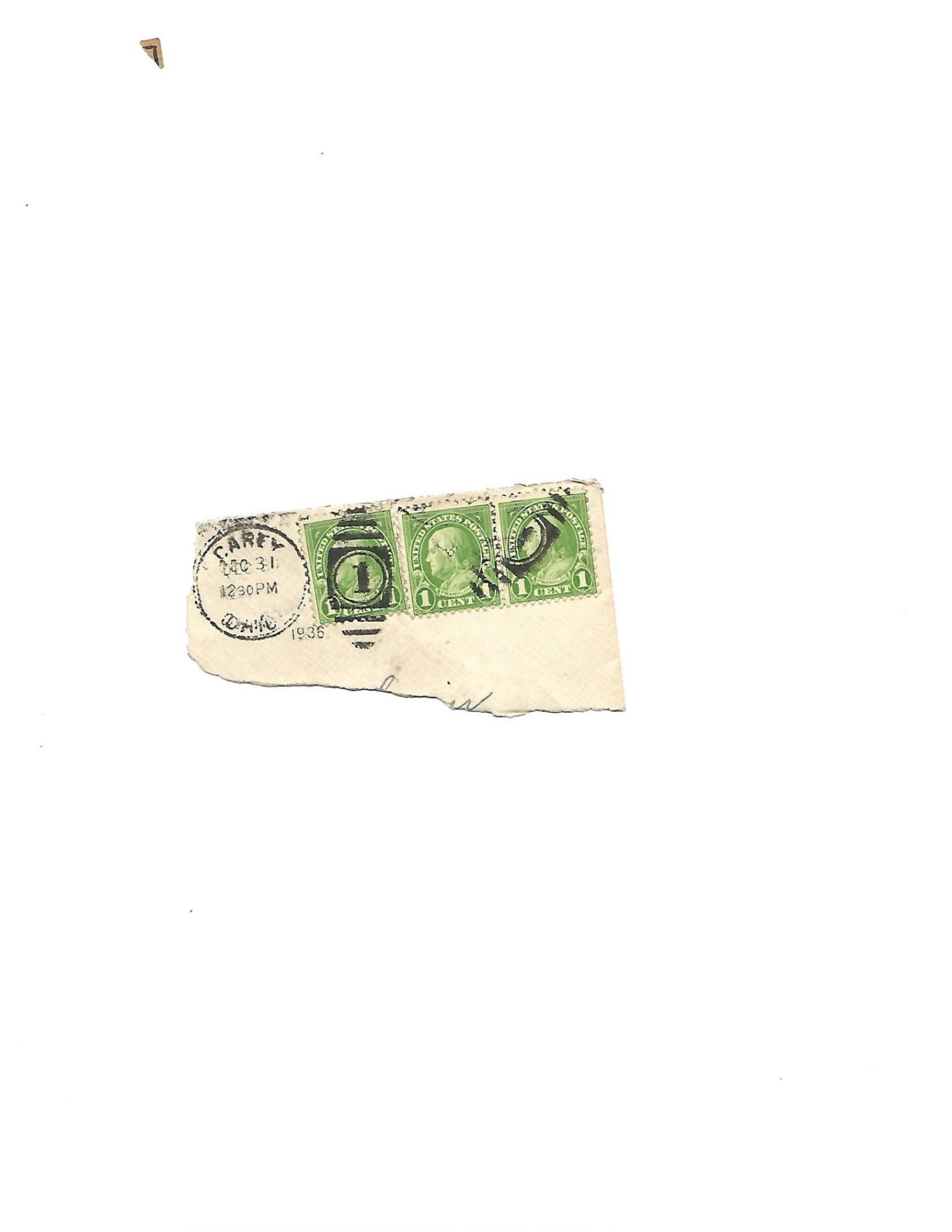
Quote:
The design measurements are only there for a rough guidance. They are not very important for identifying the stamp.
Design size is very important. However, because size differences are small, using a known stamp for comparison is much more effective than attempting the use the imprecise metric measurements in the Scott catalog. Shade or color is also very important. Most 632 and 552 examples can be identified by their color. The lighter yellow green stamps are the rotary 632. Scott 552 has a more saturated brighter green. Early rotary press stamps have a dull green appearance often with some ink wash. The simplest way to learn to identify printing and perforation varieties is to assemble a reference group and then look at each stamp carefully until differences become more apparent. Some stamps will require a closer look, but most 1 cent stamps can be examined quickly and removed from further consideration.
There is no substitute for practice. It may not get you to Carnegie Hall, but it could lead to gigs as an expertizer.





 Posted 10/25/2016 4:02 pm