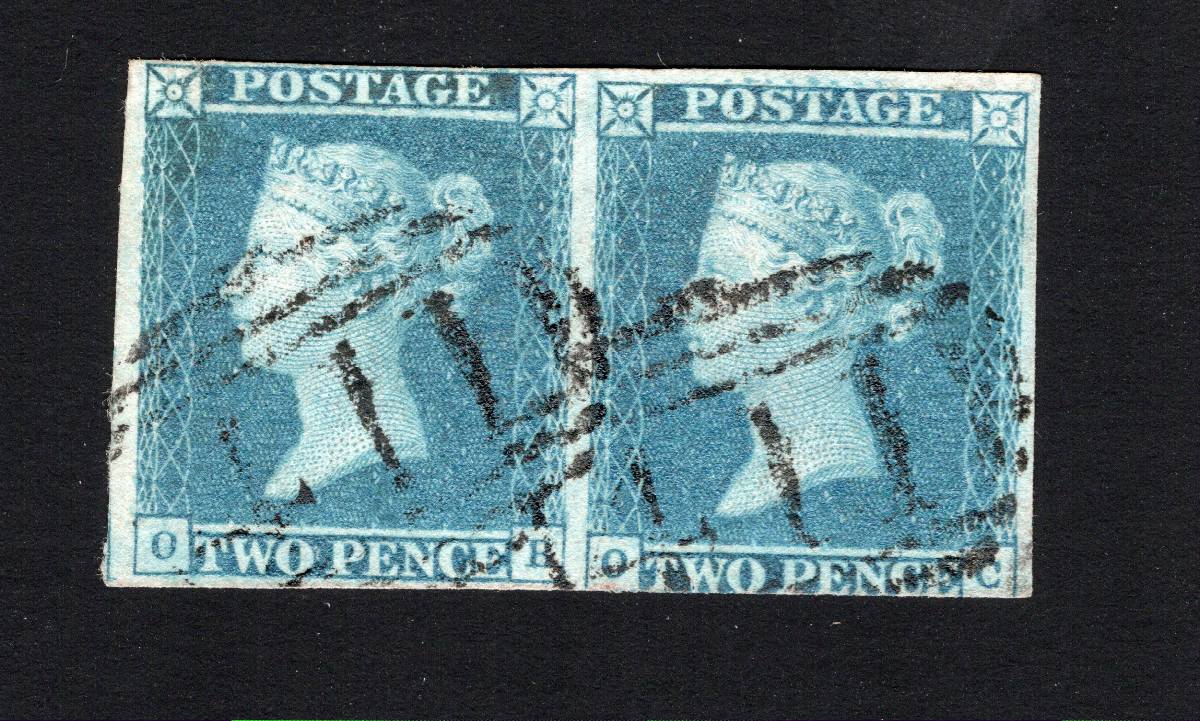
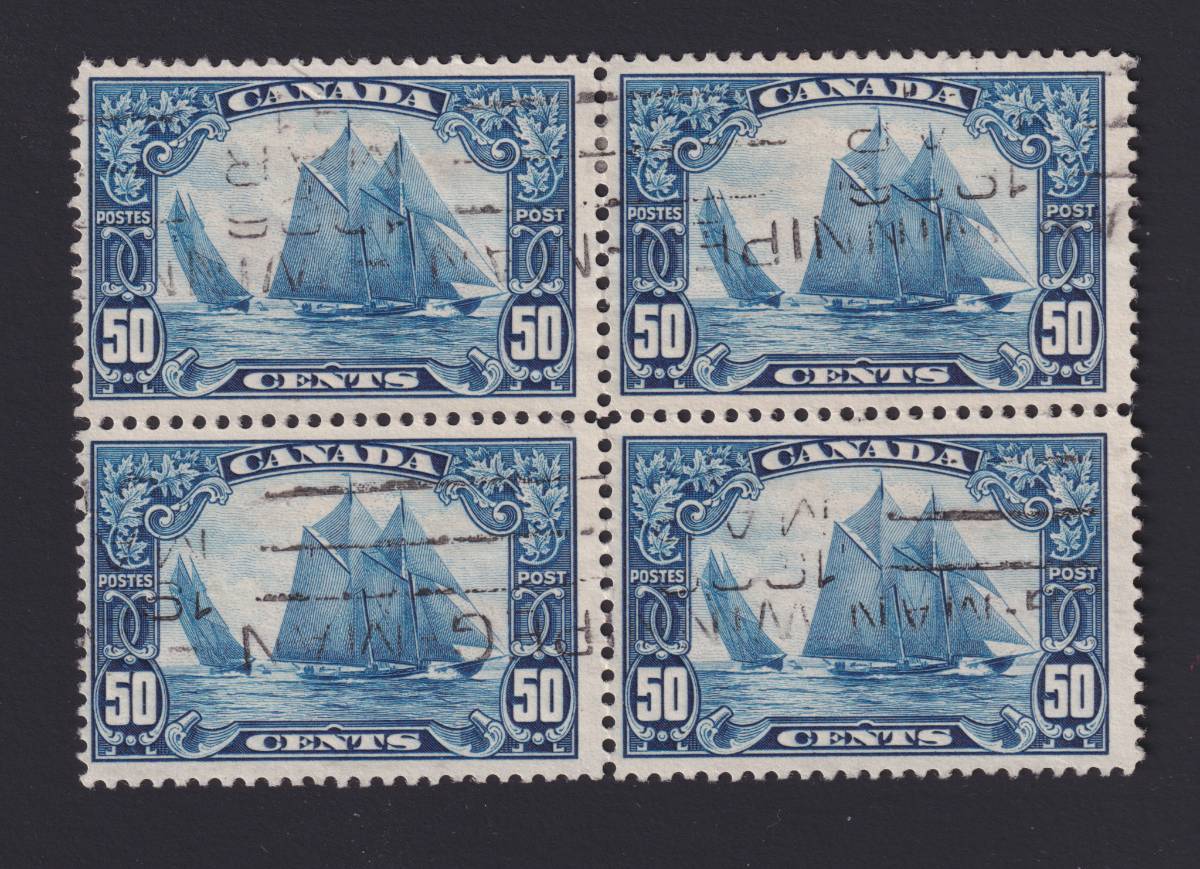
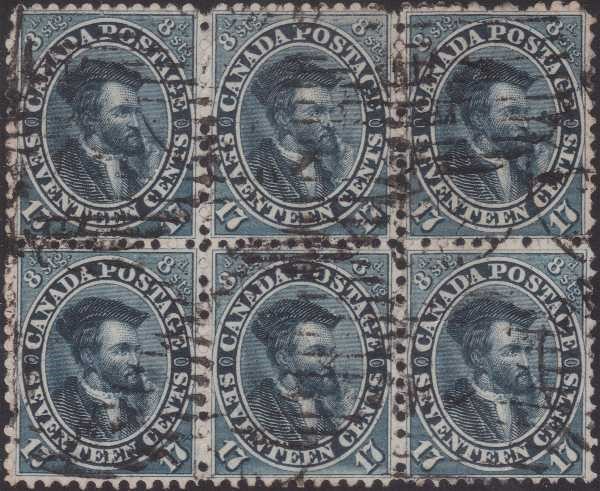
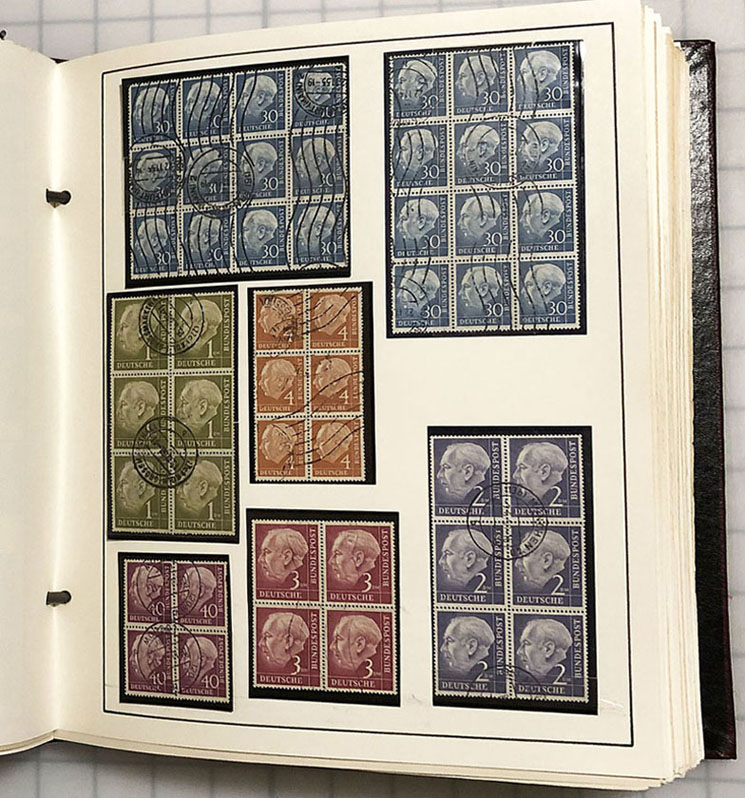
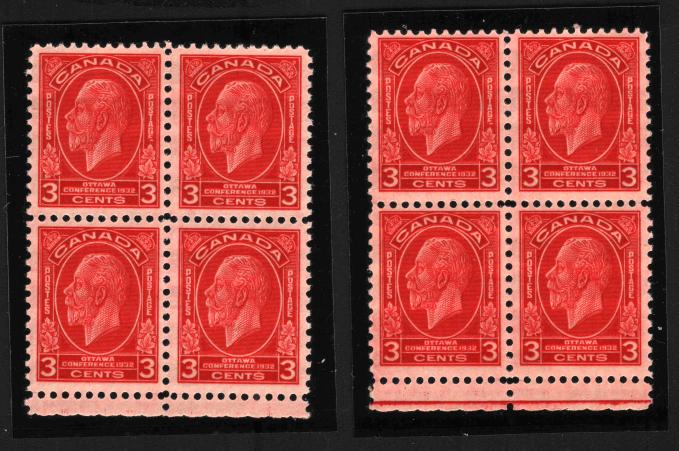
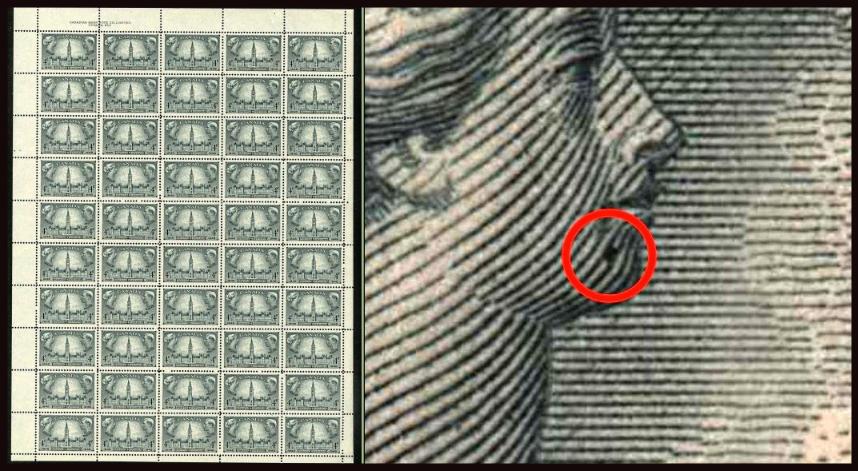
Note that "grade" is a very American thing. Although good centring and appearance are valued in Europe, often there is kind of a threshold.
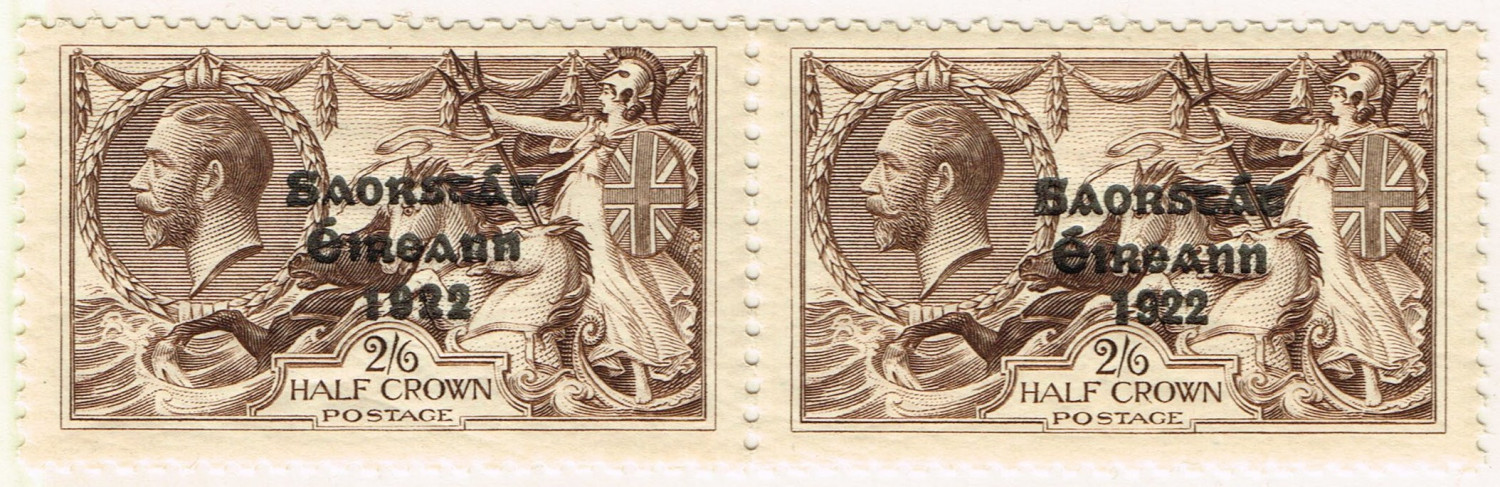
Hibernian T69h (1927), catalogued (unmounted mint) at € 475. Broken up, you will be having a difficult time convincing collectors this is more than filling their T66 (€ 120) and T72 (€ 75), i.e. € 195 (41%) combined catalogue price. For the 5/- your € 925 will be broken up into € 160 and € 225 (42%). For the 10/- your € 2,850 will be broken up into € 290 and € 525 (29%).
Something similar goes for 1942 M.E.F. overprints on GB King George VI. Your Stanley Gibbons M6b-M10b break up into M6-M10 and M6a-M10a that are quite expensive as well, but not as expensive as the vertical pairs. Interestingly, vertical pairs of M6-M10, or M6a-M10a are rarer, but not as expensive as the M6b-M10b pairs.
In the more modern era, there might be other reasons not to break up multiples.
In 1960s/1970s GB stamps exist with a phosphor bar. Stamps with a single phosphor bar, sometimes have that at left or right. If both exist, these, probably, were applied as wide bars over alternate vertical perforations. Pairs make much nicer additions than two singles, although the price may not be higher. The pairs show how they were applied.
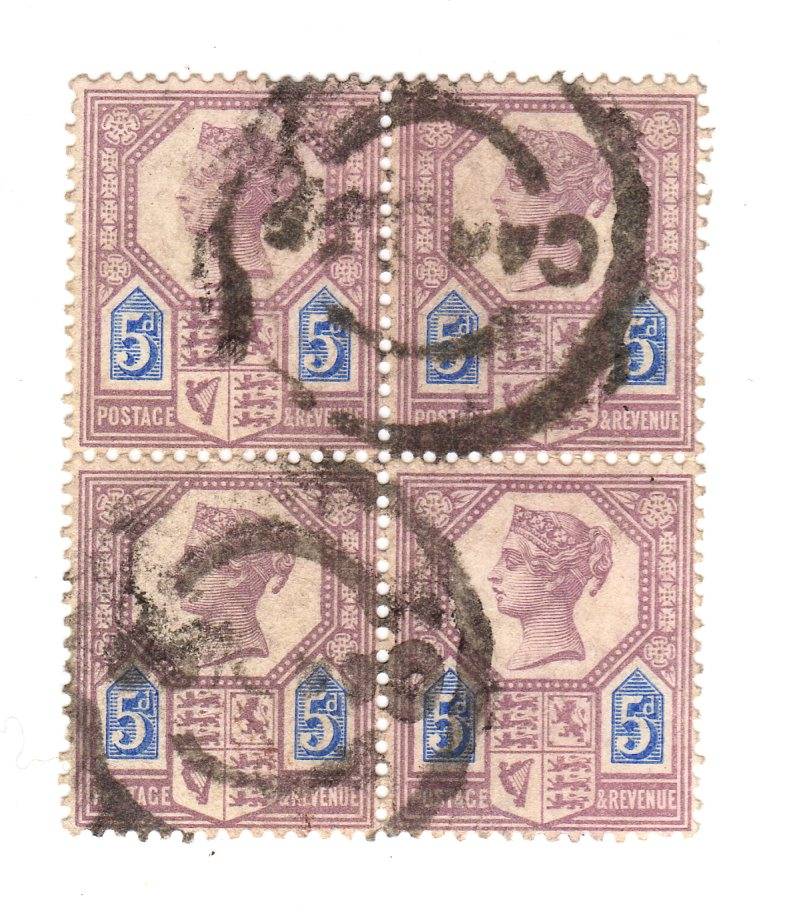
Cancellations might be more complete on multiples: se Casey Magoo's post of the 5d GB Queen Victoria "Jubilee." It does not always add monetary value - it might - but can make a nicer addition to your collection.
Enough examples of se-tenant stamps or stamps with a design that is only complete when seen in pairs. See Netherlands NVPH nrs 1010/1011 (1972), 1043-1045, or 1052 (both 1974). The later only shows a complete design on pairs.





 Posted 11/05/2021 4:00 pm