| Author |
 Replies: 37 / Views: 16,447 Replies: 37 / Views: 16,447 |
|
|
|
Valued Member
Slovakia (Slovak Republic)
218 Posts |
|
|
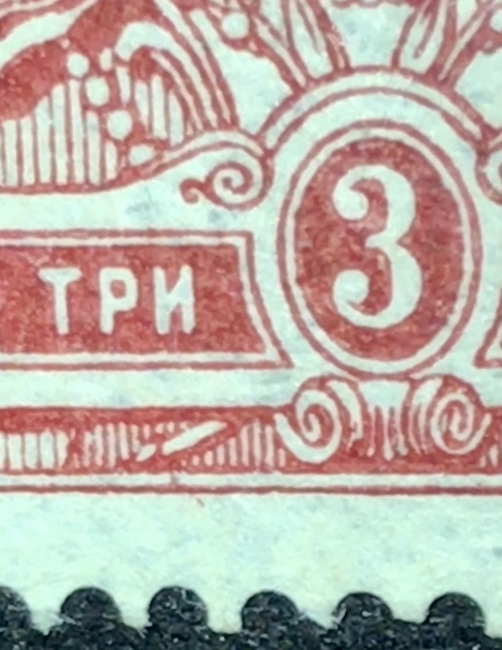
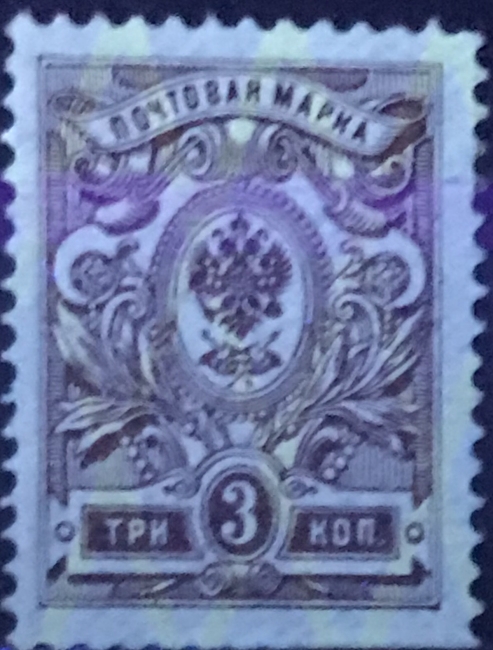
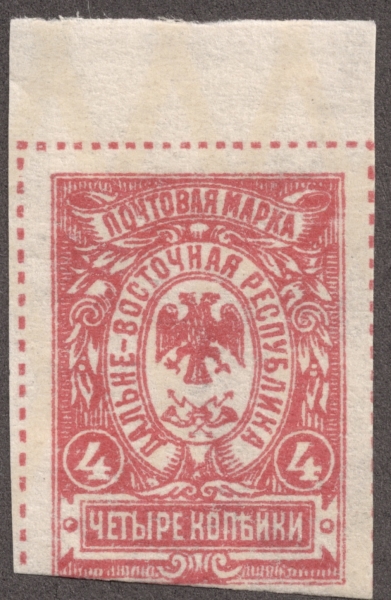
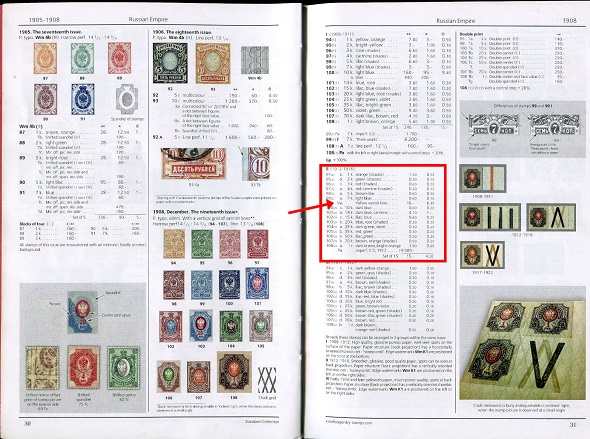
Hello, I need help with Russian imperial 1908-1917 issue. Here is the thing, 3 & 5 kopecks are based on Liapin2009 perforated 14 1/4:14 3/4, but mine are perforated top/bottom 11 1/2 (liapin doesn't mention it) but I found info regarding unofficial perforation of 11 1/2 but only for 4 & 5 kopecks stamps. Btw, the 3 kopecks has no gum. So, all comments, suggestions or info regarding their catalog# are welcome. Thank you 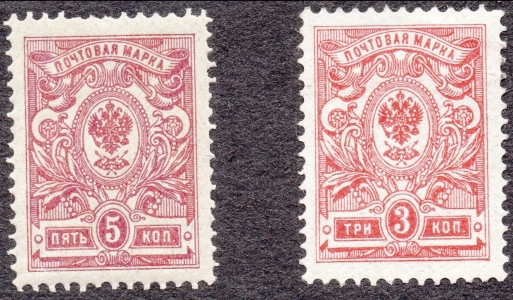 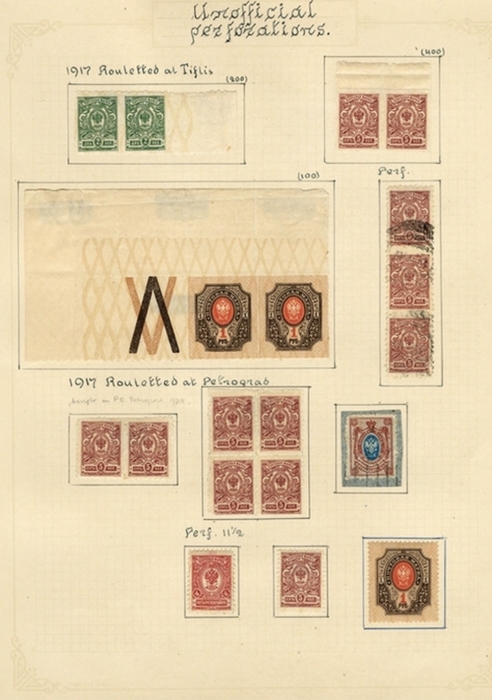 |
Send note to Staff 
|
|
|
Valued Member
Slovakia (Slovak Republic)
218 Posts |
|
|
Pillar Of The Community
Canada
6525 Posts |
|
|
Nice page iStamp. I do like these Russian Imperial stamps.
The only suggestion I can make is, these were also issued imperforate in 1917 (Scott #s119-135). Perhaps someone has taken some of these and re-perforated them at 11.5 perfs. To what purpose, I couldn't tell you, but I can't think of any other explanation. |
|
Send note to Staff
|
|
|
Valued Member
Slovakia (Slovak Republic)
218 Posts |
|
|
Thank you Jamesw for your answer and basically I agree with you if it wasn't for two things: A) how many of such stamps were sold in auctions or asked about in SCF? My guess is not many B) this sentence from liapin2009: "1908-1912 printings were printed on horizontal "cells" paper; the later printings were on vertical "cells" paper" and the fact that my 3k has got the horizontal "cells" paper , unlike the 5k which is on vertical "cells" paper. So now I've authentic 3k stamp 1908-1912 issue on horizon. cells paper with different perforation, but I know nothing more about; and a 5k stamp 1913-1917 issue on verti. cells paper with different perforation and possibility that could be forged :-))) 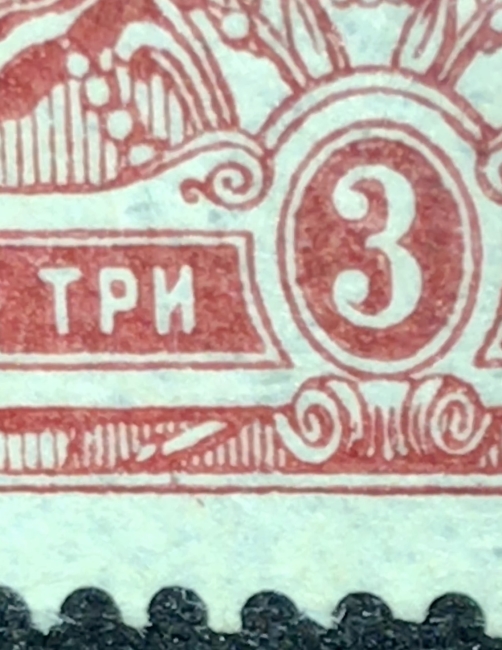 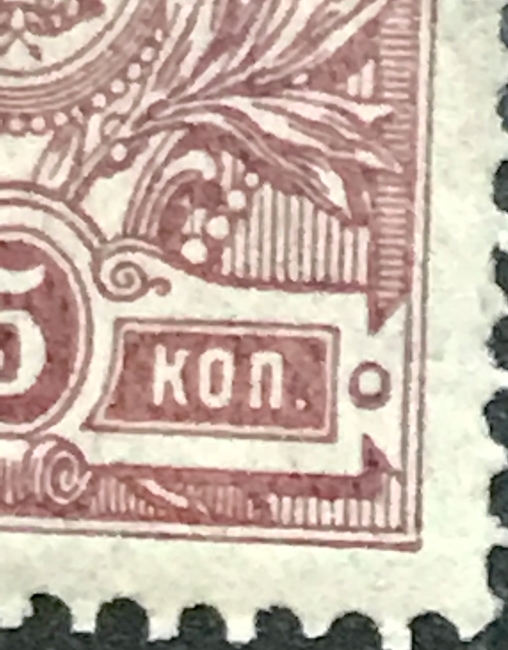 |
|
Send note to Staff
|
| Edited by iStamp - 04/14/2018 9:52 pm |
|
|
Valued Member
Slovakia (Slovak Republic)
218 Posts |
|
|
Pillar Of The Community
France, Metropolitan
3756 Posts |
|
|
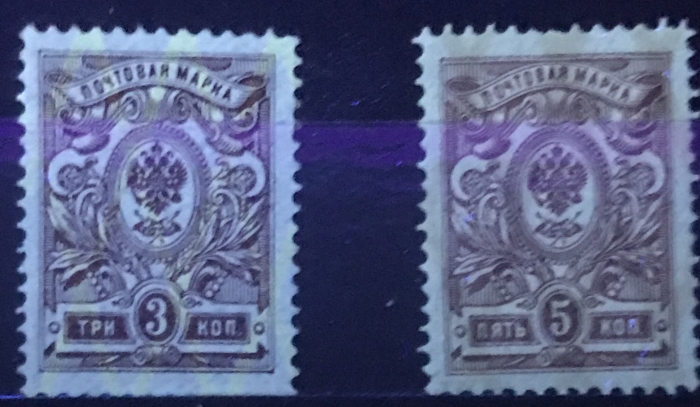
Have you tried taking a pic of the 4kop. under UV to see the
difference with the 3 kop. stamp ? |
|
Send note to Staff
|
| Edited by perf12 - 04/21/2018 09:39 am |
|
|
Valued Member
Slovakia (Slovak Republic)
218 Posts |
|
|
Pillar Of The Community
France, Metropolitan
3756 Posts |
|
|
Valued Member
Slovakia (Slovak Republic)
218 Posts |
|
|
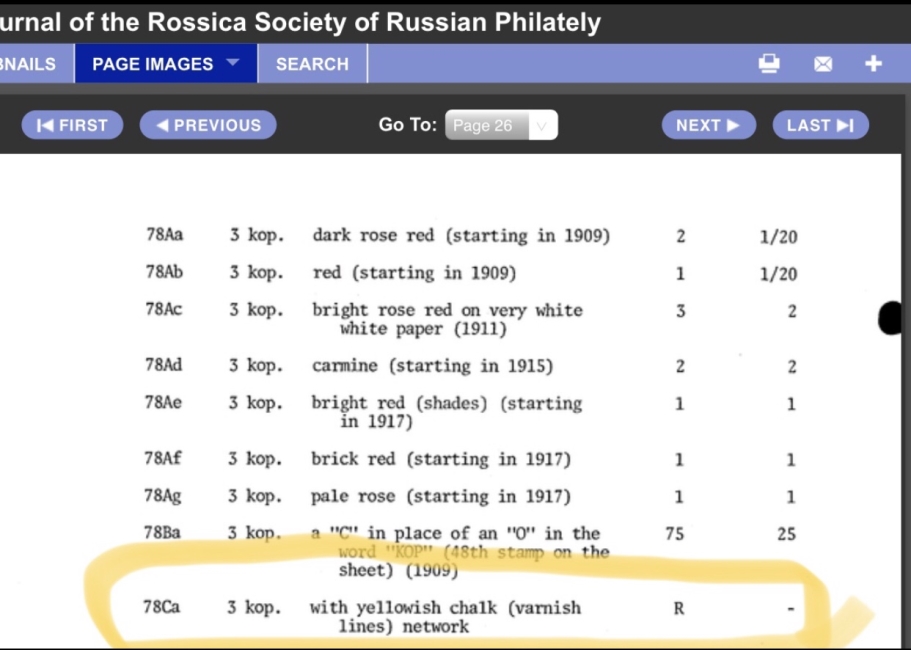
Thank you, it would be nice to have a (R) stamp :-)
Oh almost forgot, liapin2009 doesn't mention this at all (only Rossica), so do you have any suggestions where to further look? Thank you |
|
Send note to Staff
|
|
|
Pillar Of The Community
France, Metropolitan
3756 Posts |
|
|
Valued Member
Slovakia (Slovak Republic)
218 Posts |
|
|
Valued Member
Slovakia (Slovak Republic)
218 Posts |
|
|
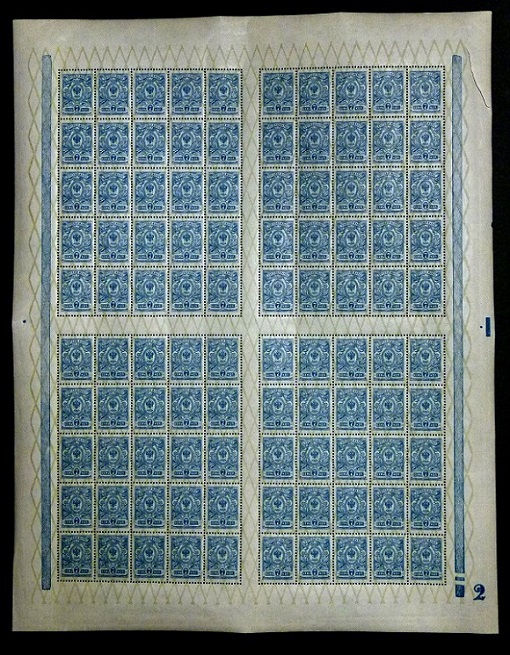
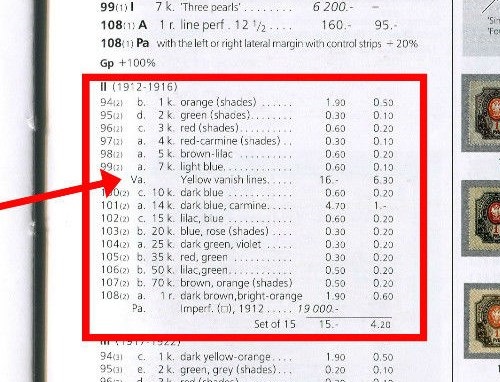
Perf12 Here's the 7kop with yellowish varnish lines variety according to Rossica. 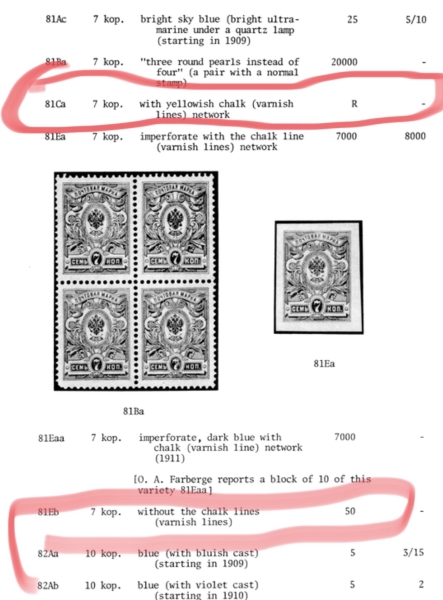 |
|
Send note to Staff
|
|
|
Valued Member
Slovakia (Slovak Republic)
218 Posts |
|
|
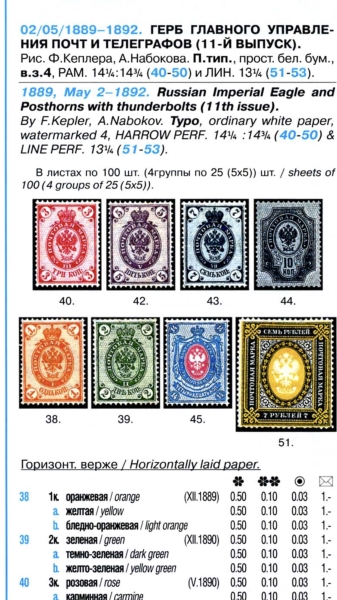
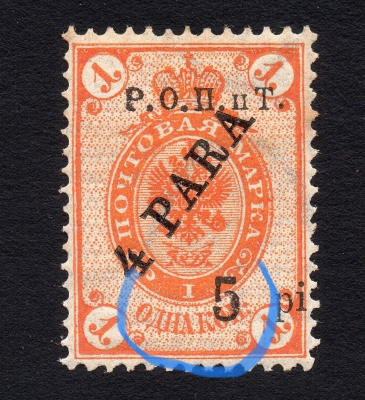
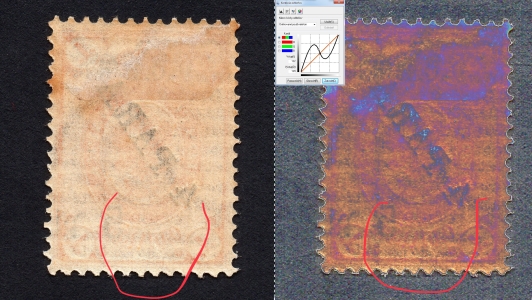
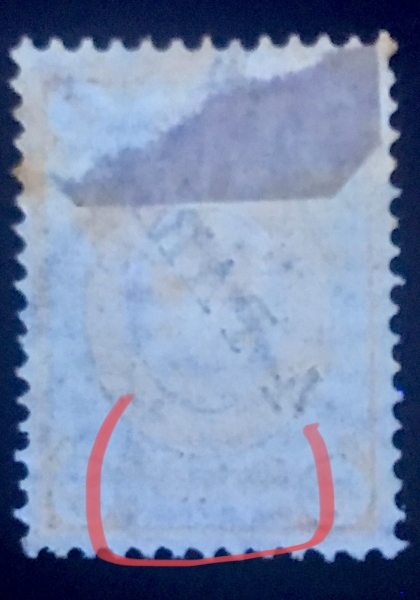
Hello Inverted groundwork is my key question: the 1kop stamp with black surch. is from the 2nd provisional issue 1919, but the 1kop original stamp is from the 11th issue 1889-1892 imperial eagle etc and I believe that it has got inverted groundwork, but I could be wrong. Btw, image# 3 & 4 are captured while applying UV light. Thanks 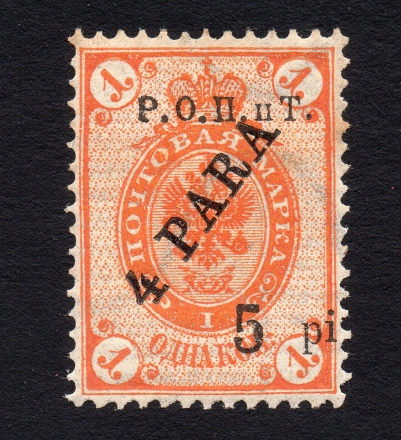 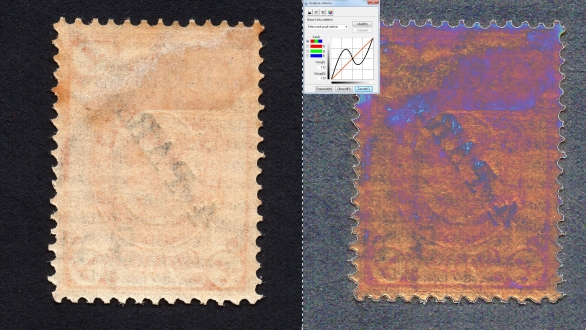 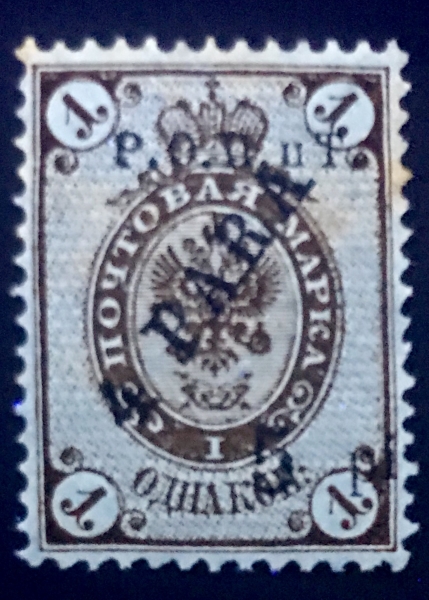 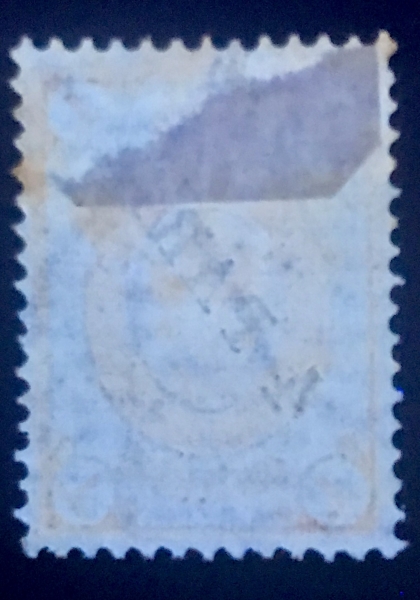 |
|
Send note to Staff
|
|
|
Pillar Of The Community
France, Metropolitan
3756 Posts |
|
|
The yellow varnish lines should be looked at with caution I think. There seems to be shades of yellow,yellow-grey,& grey. Your stamp is the 12th printing Horiz. laid paper.The 2 dots are in the center of the Rhomboid.So I don't think it's inverted background.One of the dot's may be missing,but I think that's due to the inking. examples of inverted groundwork: https://www.cherrystoneauctions.com...20&pagenum=1and:Your stamp here...... https://goscf.com/t/49499 |
|
Send note to Staff
|
| Edited by perf12 - 04/23/2018 09:38 am |
|
|
Valued Member
Slovakia (Slovak Republic)
218 Posts |
|
|
Replies: 37 / Views: 16,447 |
|



 Posted 04/13/2018 7:54 pm