You can do your own investigation with a little knowledge.

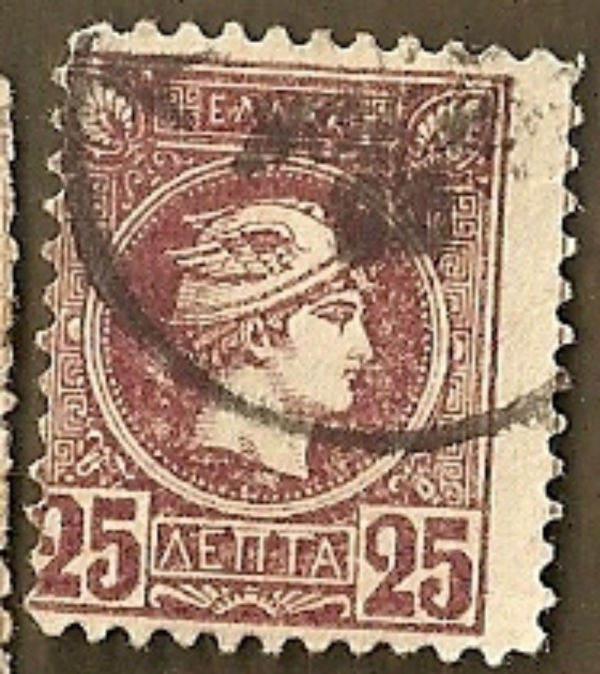
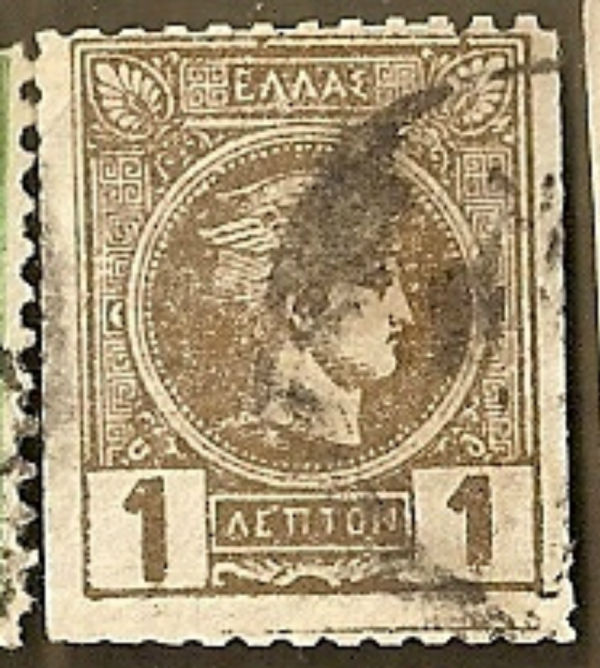
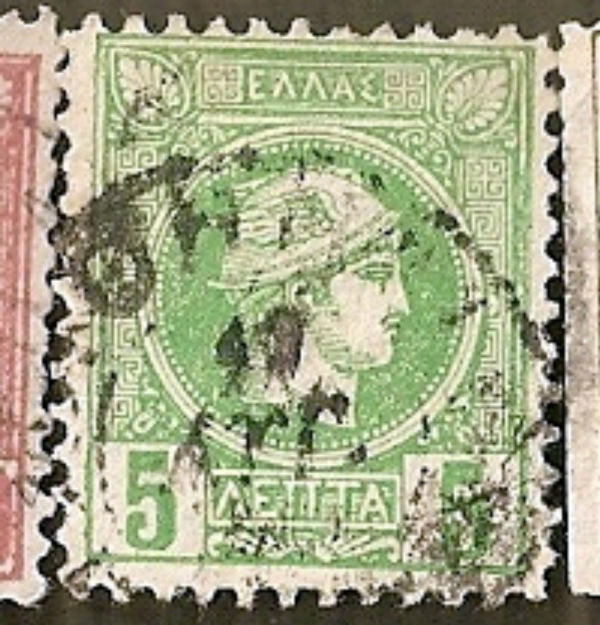
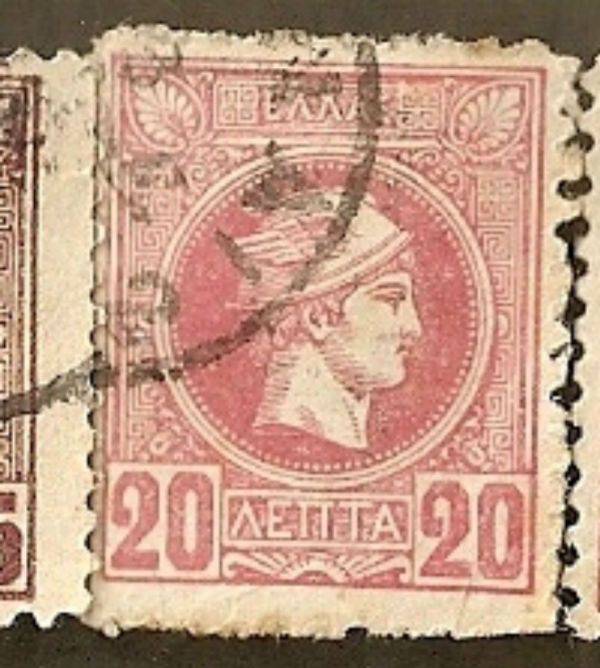
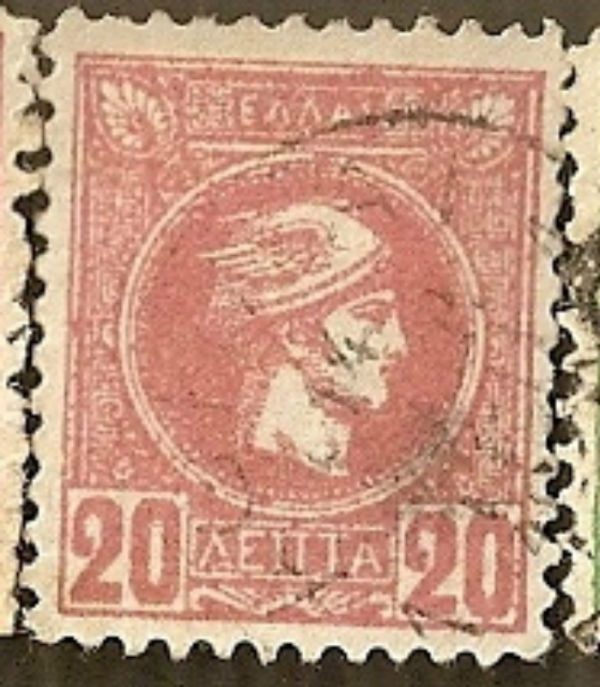
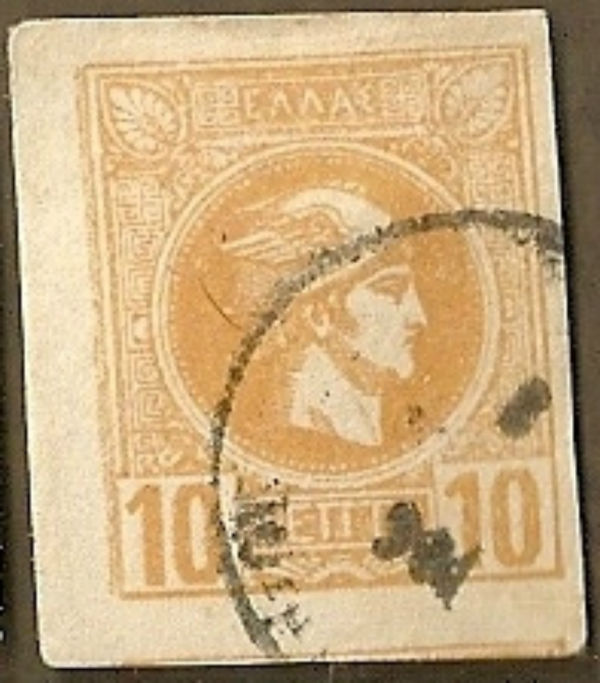
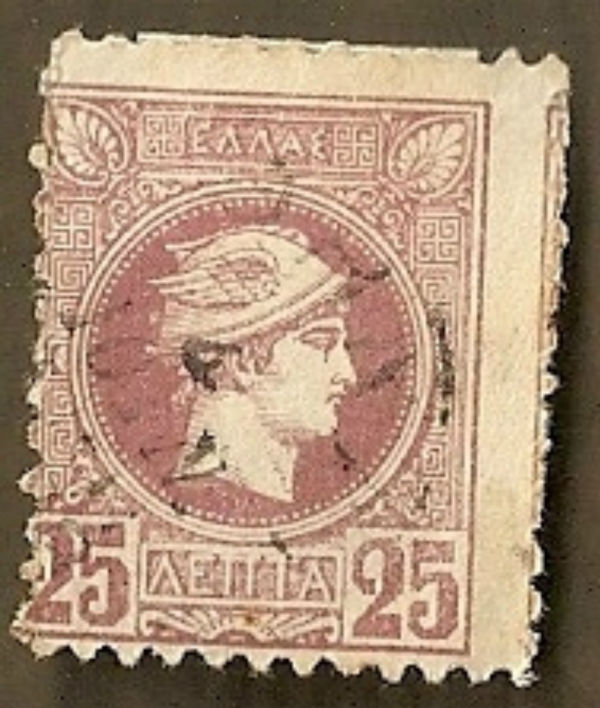
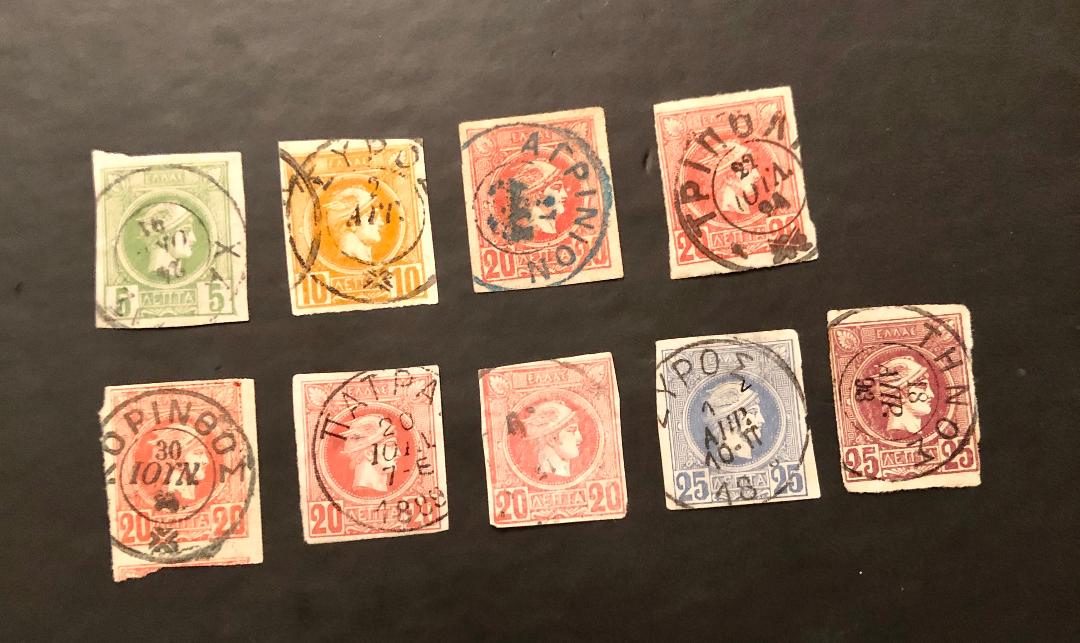
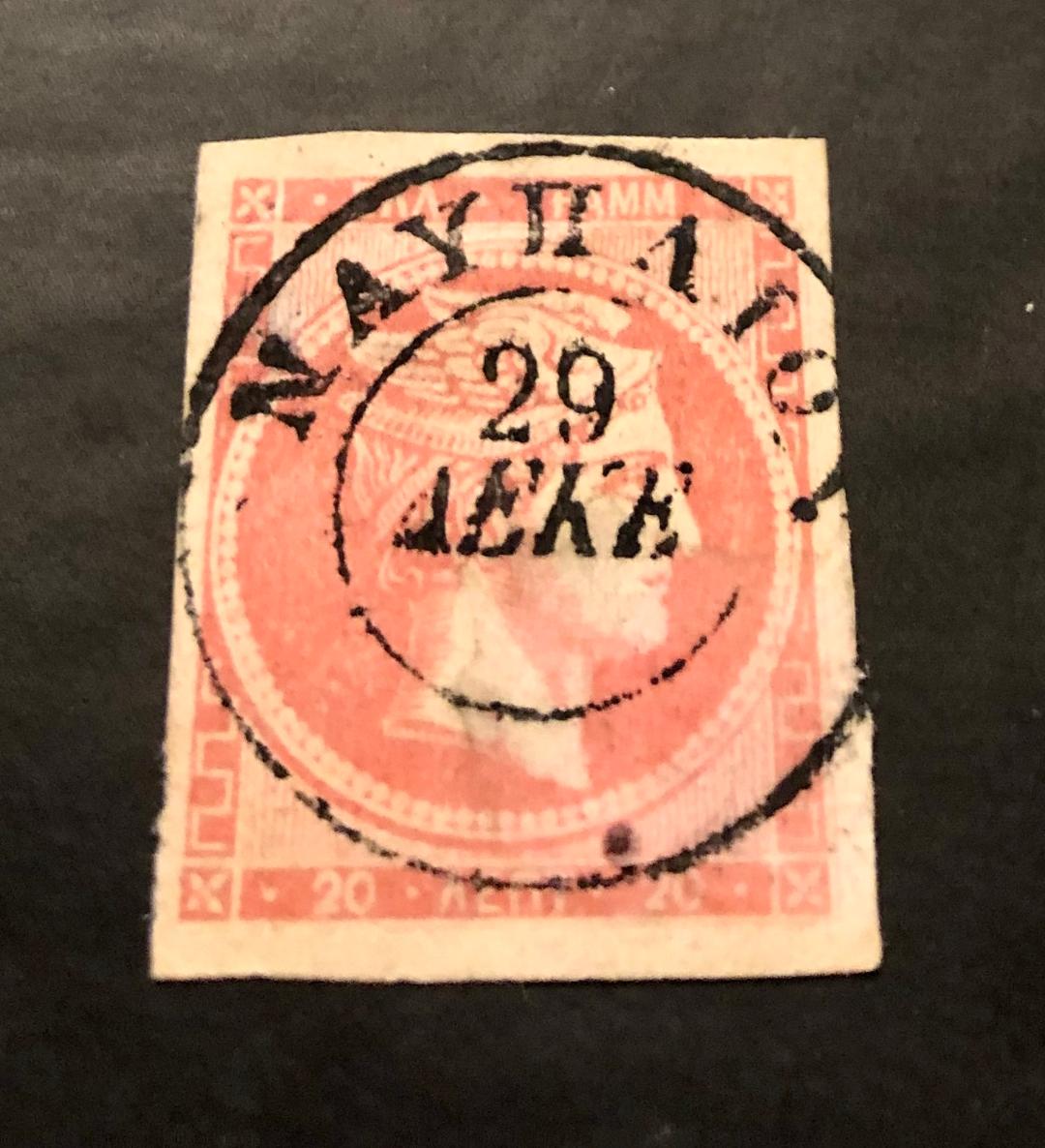
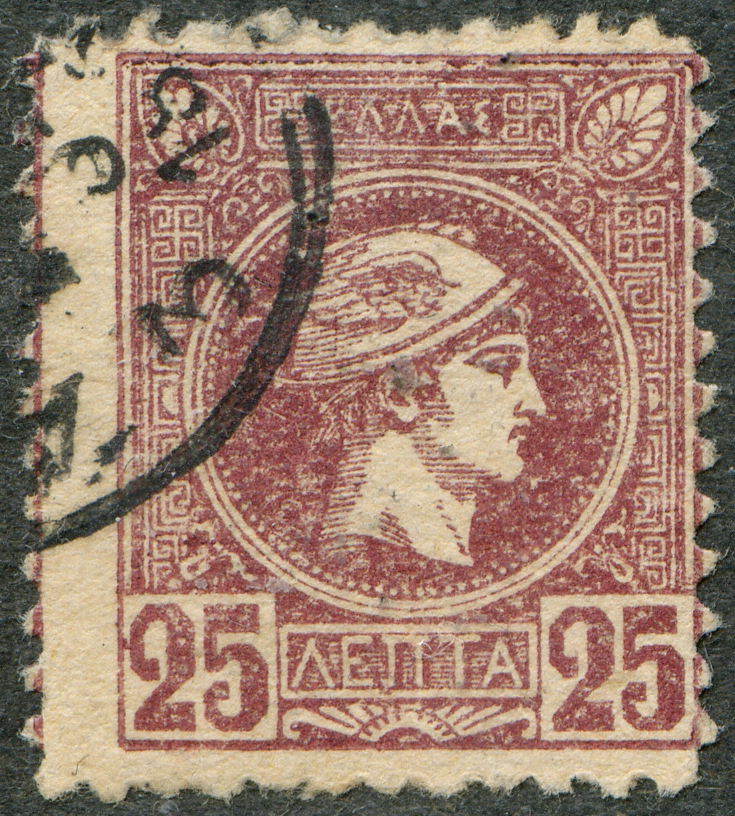
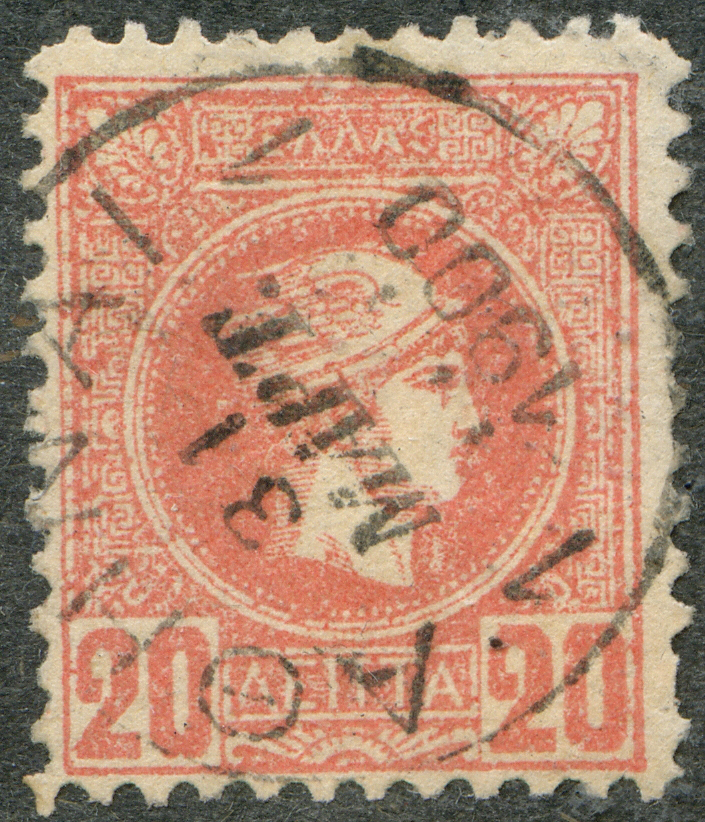
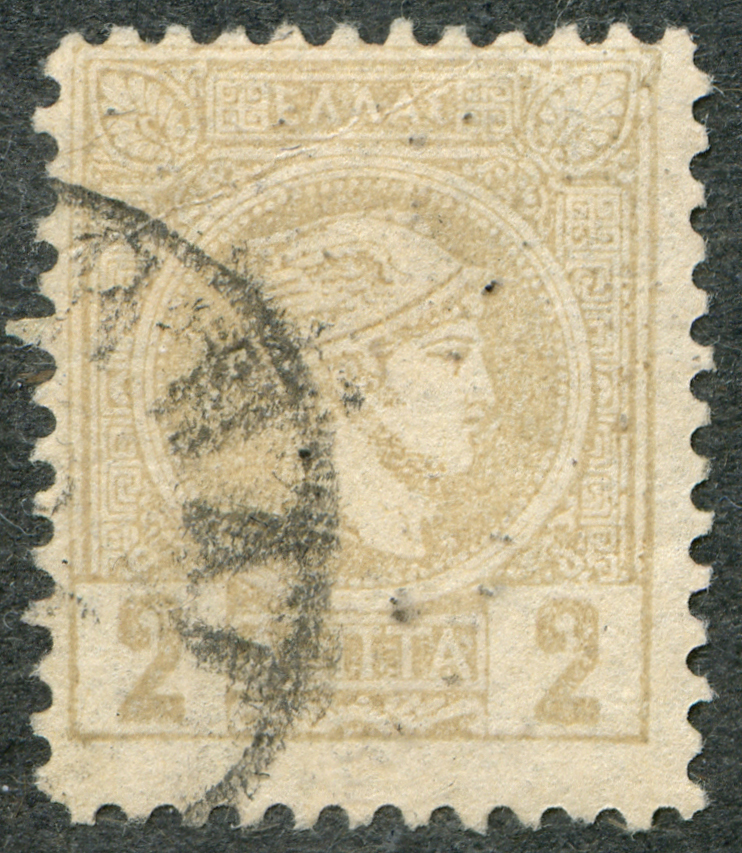
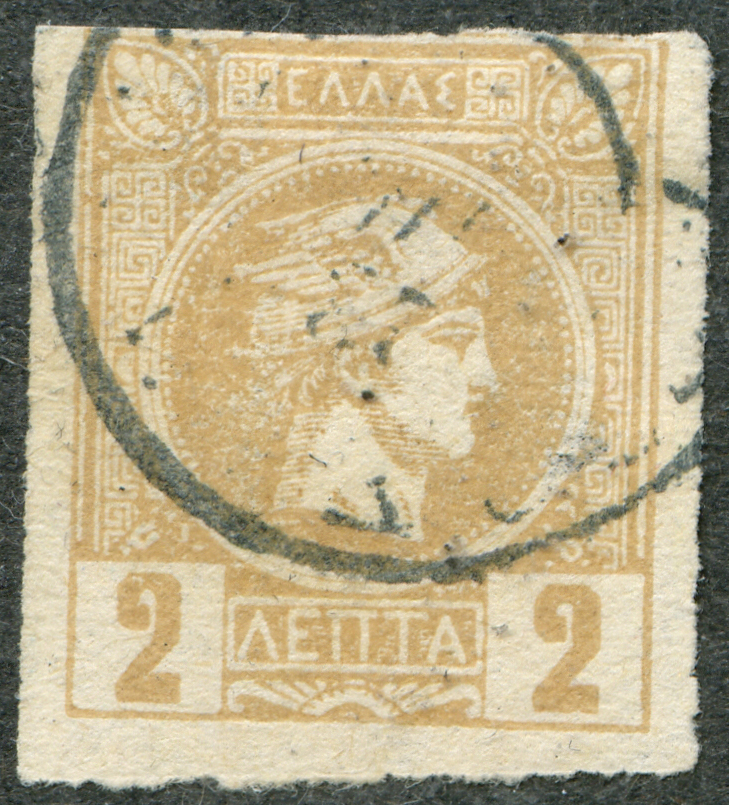
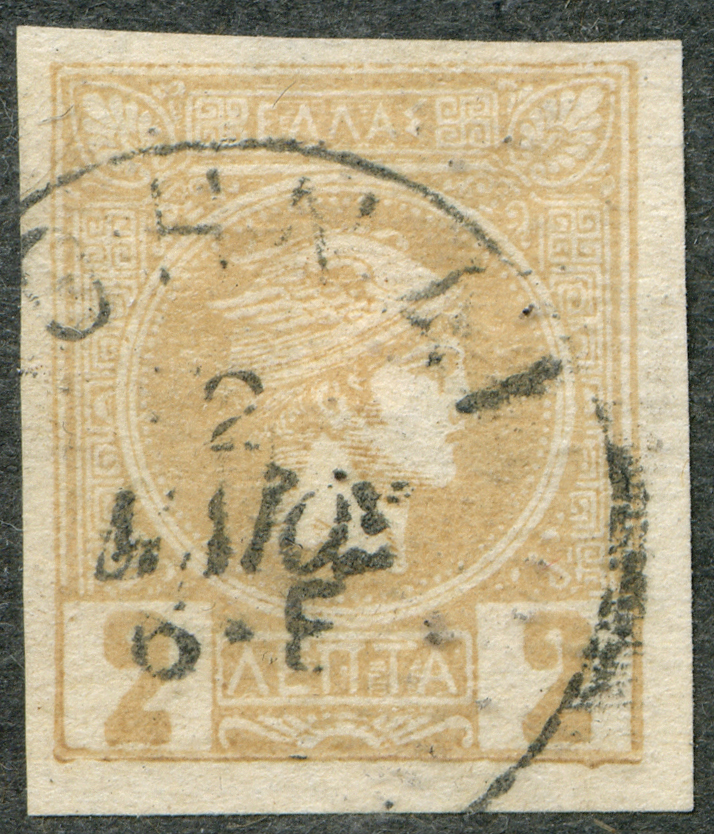
What you are showing are the "Small Hermes Heads"- 1886-1895.
They are definitely not as tough to figure out as the "Large Hermes Heads".
The come both Imperforate and Perforate, and the Scott catalogue gives a major number to each type.
The most significant difference are between the "Clear Impressions". the Belgian Print, and the "Rough, or Poor Impression", the Athens printing.
Let's take a look....
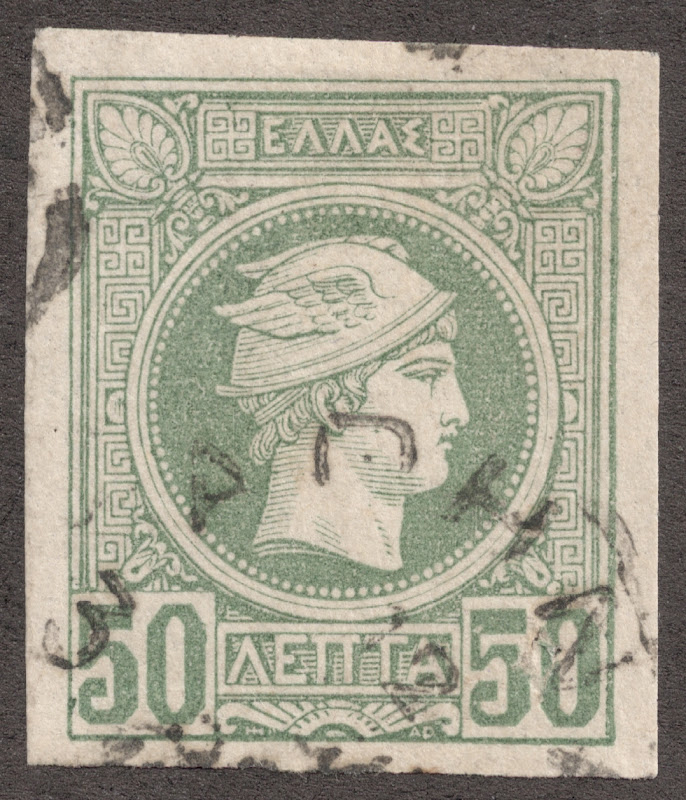 1886-88 Scott 71 50L gray green
Note the fine lines. This is a "clear" Belgium Print.
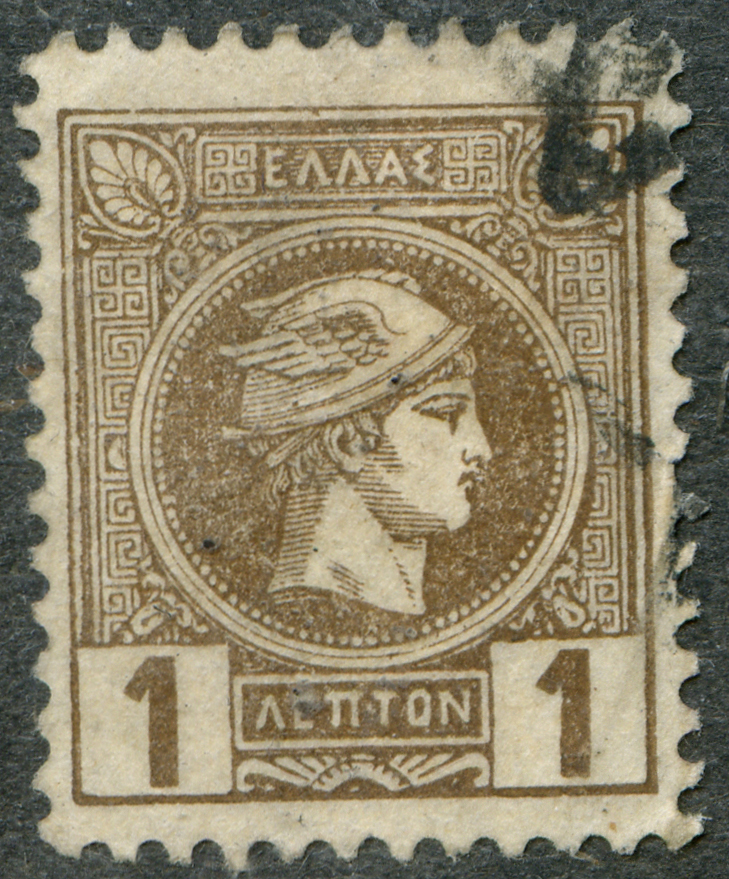
Now for a "Rougher" Print...
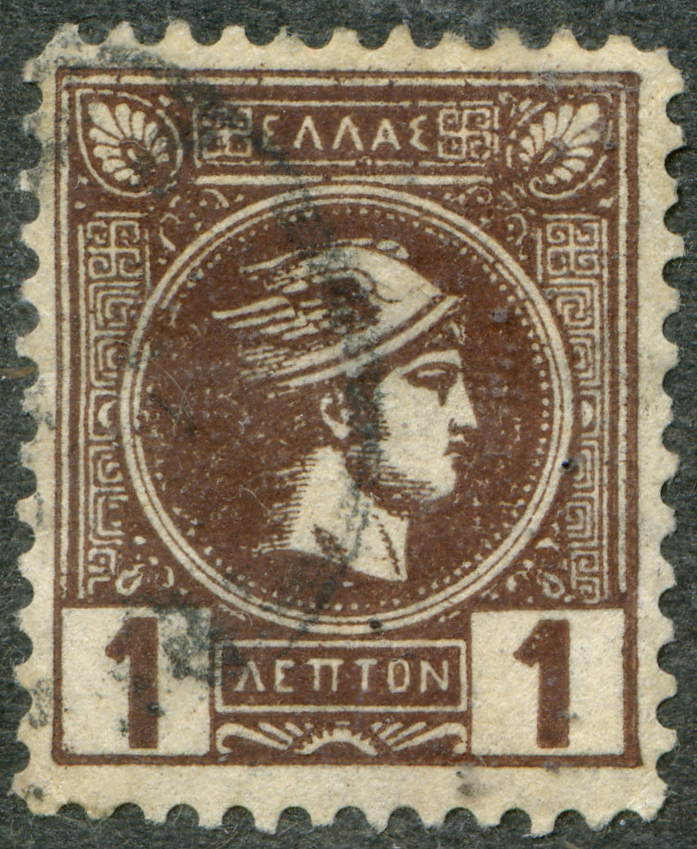
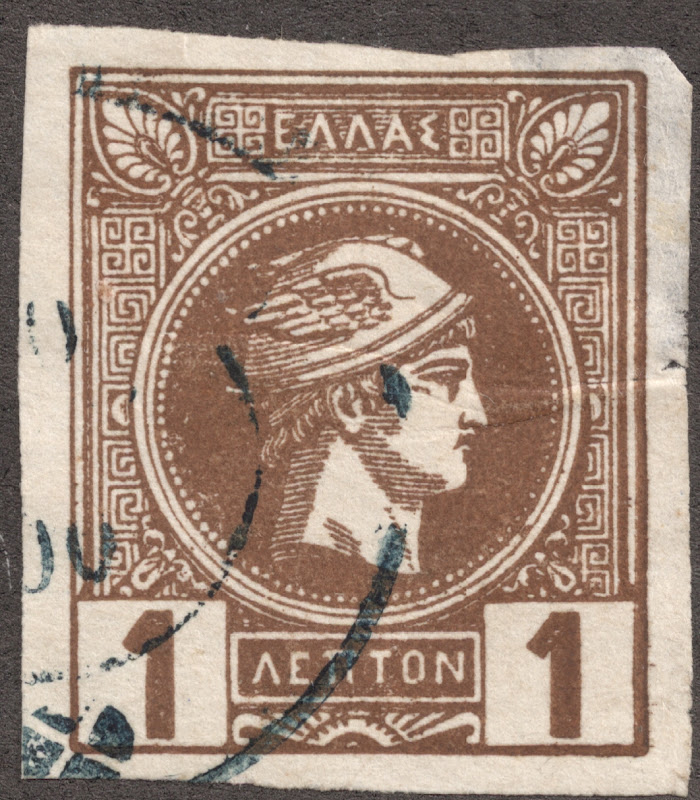 1889-95 Scott 90 1L black brown
Note the quite "rough" print: The beard etc
Let's take a look at a same denomination stamp with both a "clear" and a "rough" print...
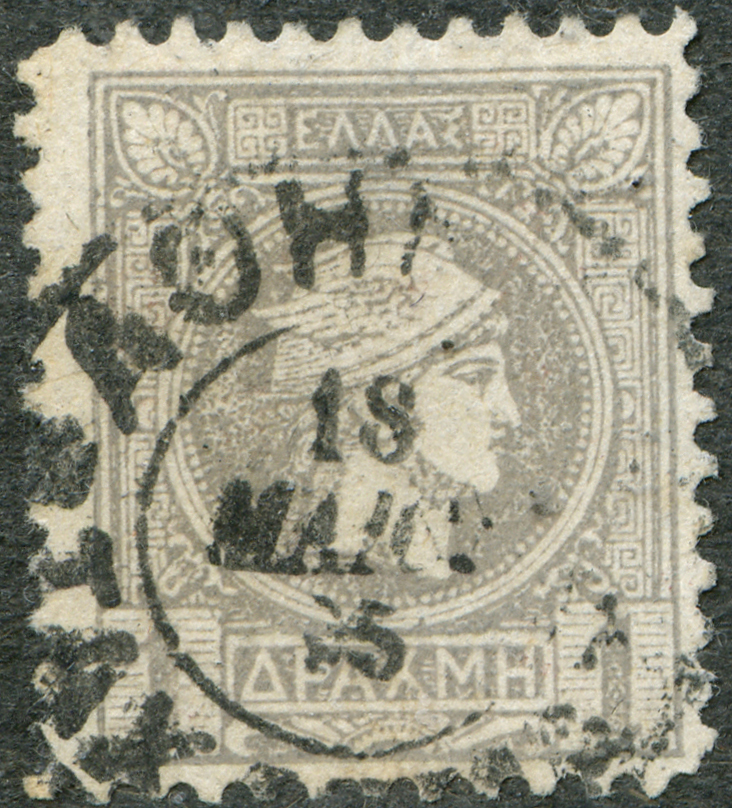
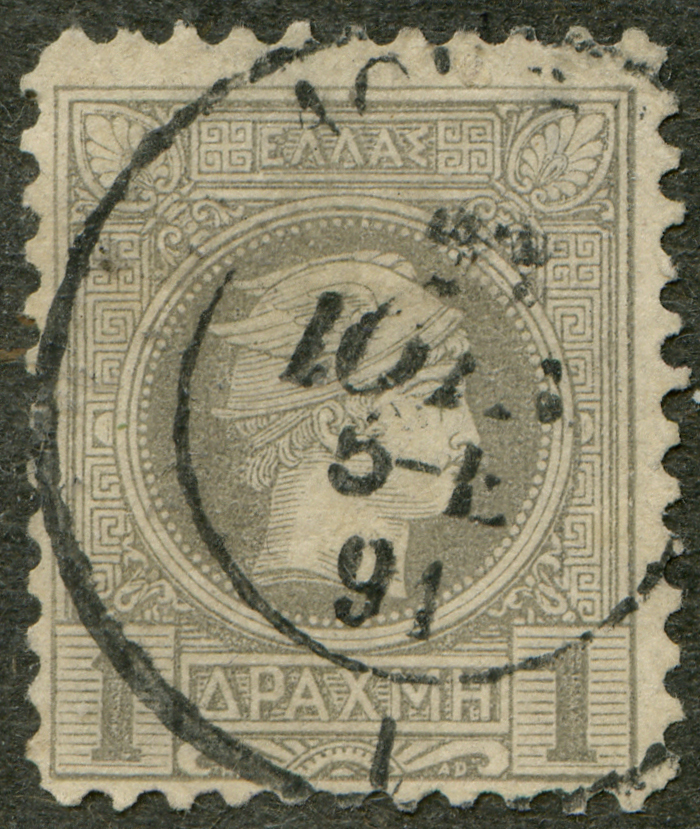
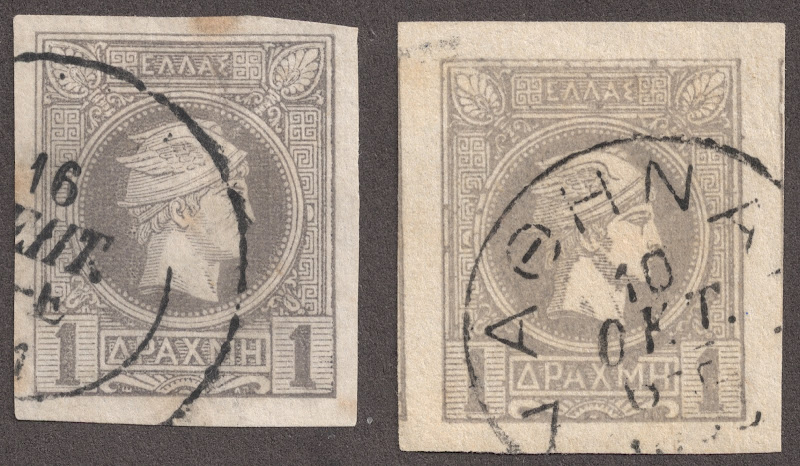 1886-88 Scott 72 1d gray; 1895 Scott 99 1d gray
Note the "rough" and "clear" printings...

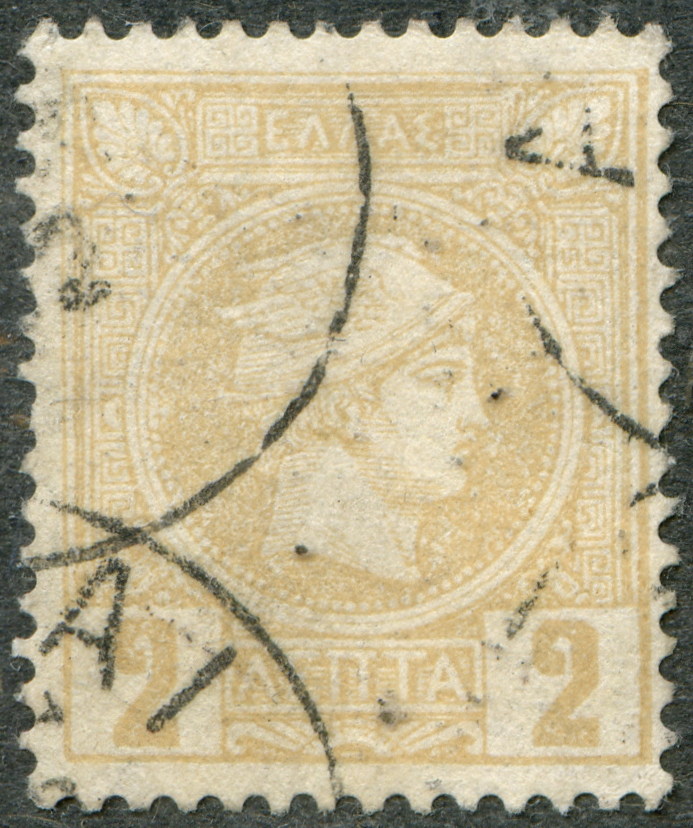
Although we have been looking at unperforated examples, the same goes for the perforated specimens....
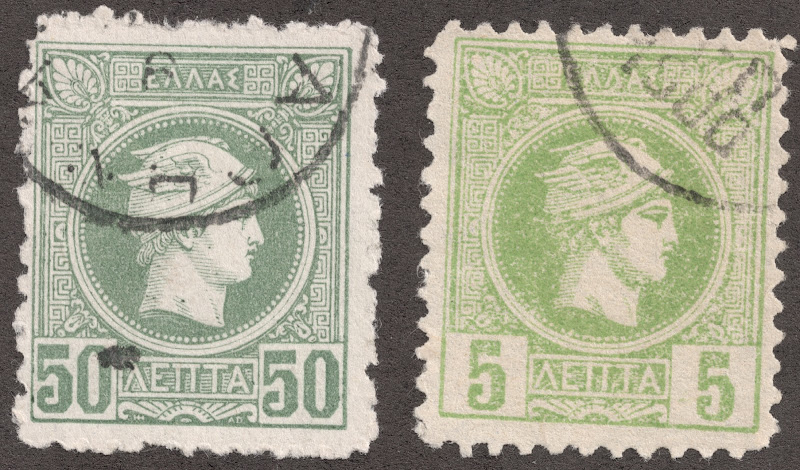 1891 Scott 88 50L gray green; 1889-95 Scott 109 5L pale green
Which one is "clear" and which one is "rough"?

Yes, you got it.
Admittedly, not all stamp prints will always show this easily, but one should be able to generally suspect the stamp is "clear" or "rough".
That's about it for the Scott catalogue.

(If you want to get sophisticated, and break down further, check the Hellas catalogue.

)





 Posted 08/29/2012 7:17 pm





 [/url]/code]
 [/url]
 [/url]
 [/url]
 [/url]
 [/url]
 [/url]
 [/url]
 [/url]
 [/url]

