| Author |
 Replies: 53 / Views: 14,966 Replies: 53 / Views: 14,966 |
|
|
|
Rest in Peace
Netherlands
963 Posts |
|
|
A Twill-binding with a 30/20 density (30 vertical threads/cm and 20 horizontal threaads/cm): 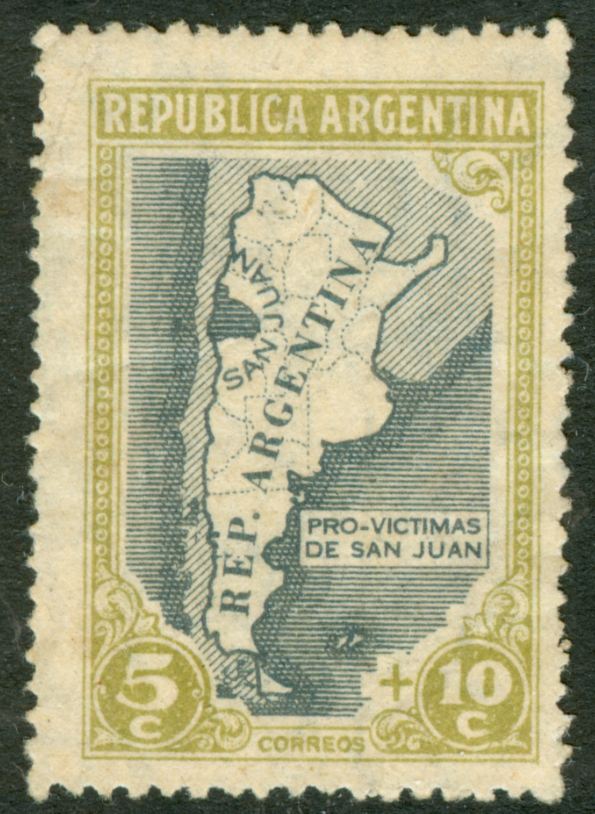 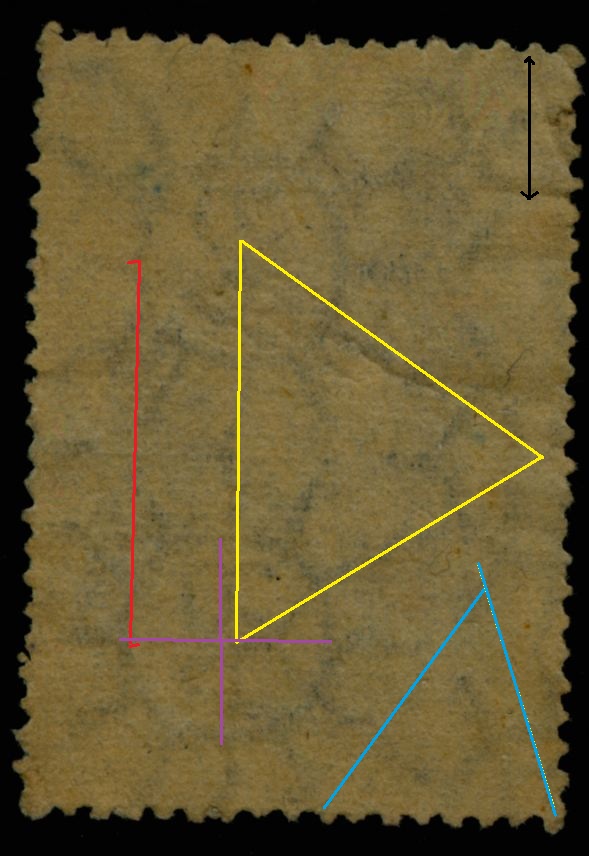 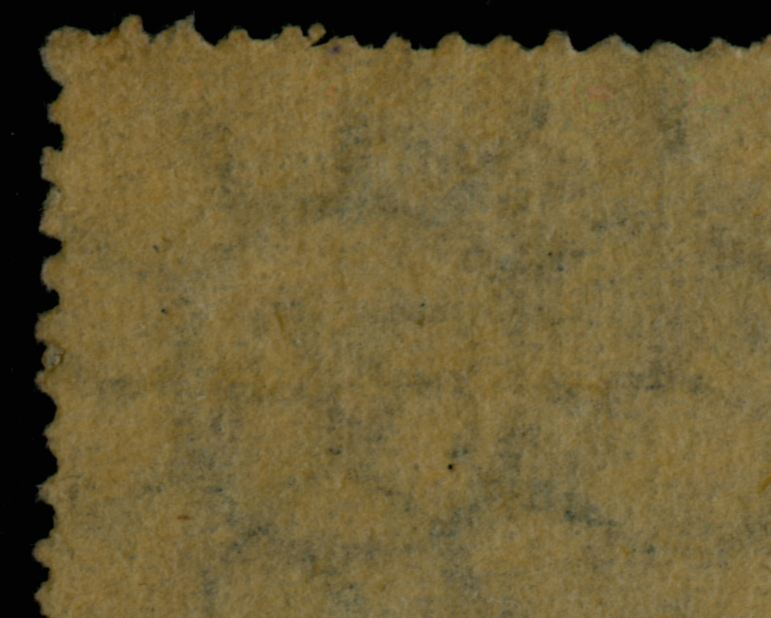 The Argentina watermark has multiple Suns + A#1071; since 1922 but there are various versions of it depending on the manufacturers. When the line of RA is parallel to the direction of paper, we have a parallel watermark, when the line of RA is perpendicular to the direction of paper, we have an orthogonal watermark. This distinction is vital! I will come back to the UK/Commonwealth watermarks where a watermark seems to be unchanged but in fact two different watermarks had been used. |
Send note to Staff 
|
|
|
Rest in Peace
Netherlands
963 Posts |
|
|
Some details of this particular Argentina watermark and paper manufactured in the UK by Wiggins Teape.
Direction of paper: parallel to the line of RA
Asymmetrical mesh
Mesh - virtual shape: little lozenges
Sun: round
Diameter: 10 mm
Horizontal distance between the hearts of the sun: 17.5 mm
Vertical distance between 2 identical lines of RA: 30 mm
Letters of RA: see picture above!
Used for the first time in 1943/1944
|
|
Send note to Staff
|
|
|
Rest in Peace
Netherlands
963 Posts |
|
|
As to the densities - quite common was the 30/20 (or 28/18) lines per cm horizontally/vertically!
But occasionally other densities can be found although not so common.
The most often met other version is the 24/22 density which is called "Tela" in Argentina and originated from the Wiggins Teape paper mill in the UK!
Outside Argentina "Tela" can be found for UK and most British Commonwealth countries in the 1939-1950 period.
Even in Australia and New Zealand. Apart from the Argentina collectors ONLY the NZ collectors have been aware of this type of paper! Although they did not specify it other than calling it "coarse" paper....
|
|
Send note to Staff
|
|
|
Rest in Peace
Netherlands
963 Posts |
|
|
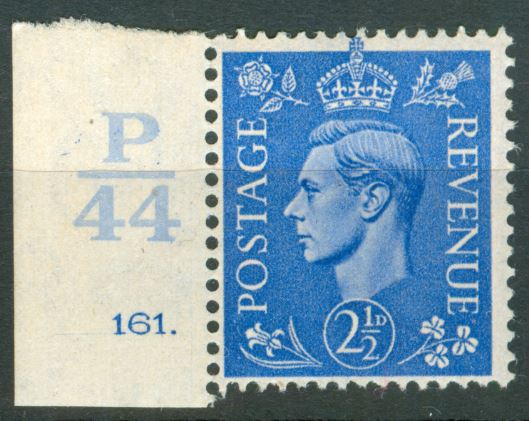
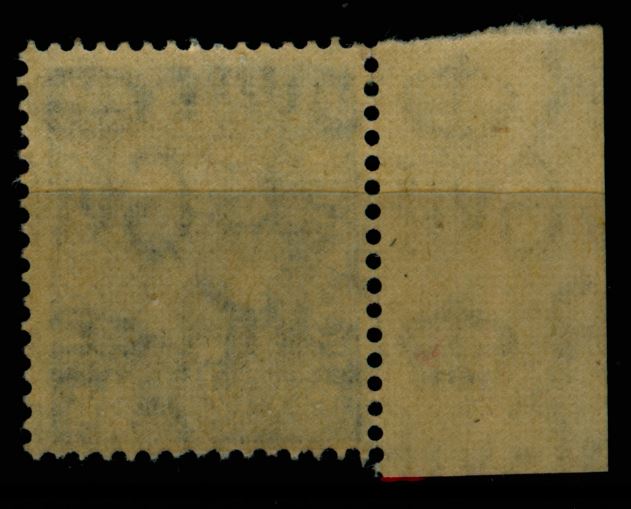
In the UK the stamp printer - Harrison and Sons - used 4 types of paper in the 1937-1951 period for stamps in photogravure. NO UK stamp expert has mentioned this in their publications ever! And this is quite surprising as the differences were known to me - my own observations - since the late 1970-ies. The first type of paper with a symmetrical paper wire and a 28/18 density! 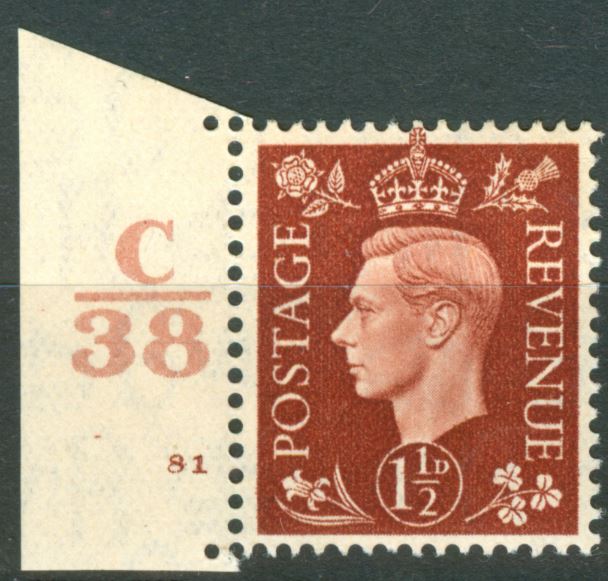 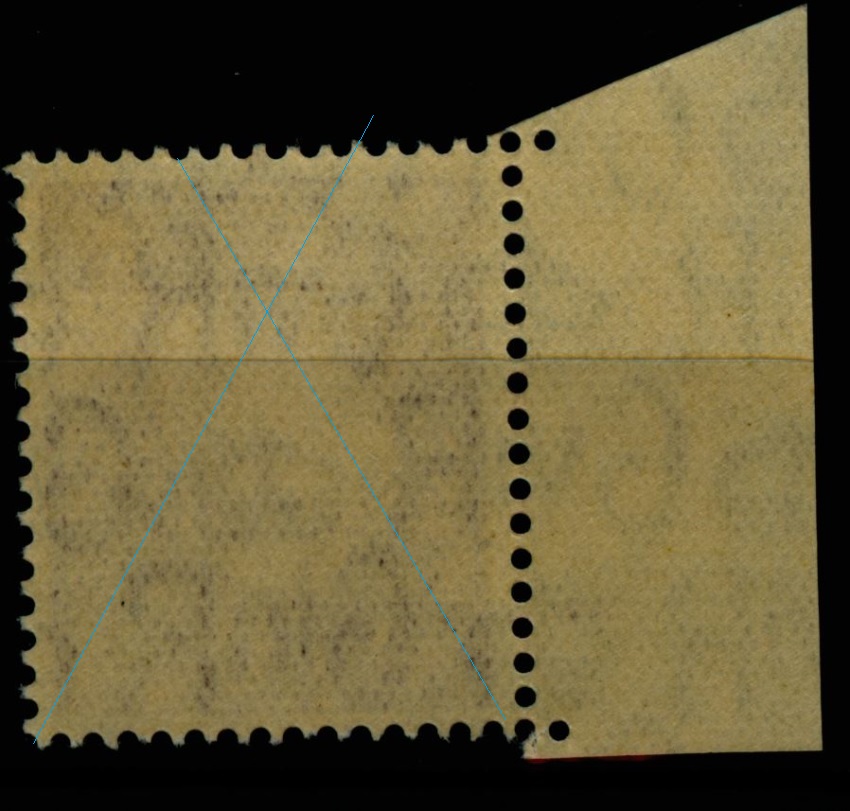 you can see the "rhombs" even at the front! |
|
Send note to Staff
|
|
|
Rest in Peace
Netherlands
963 Posts |
|
|
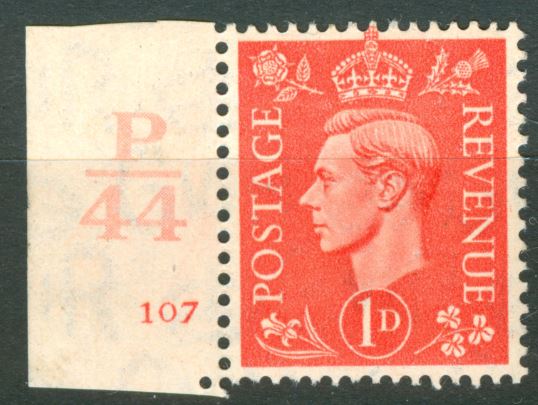
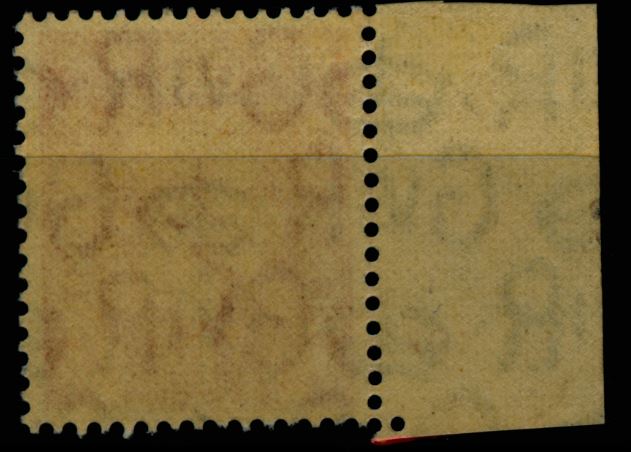
The second type of paper with a Asymmetrical paper wire! 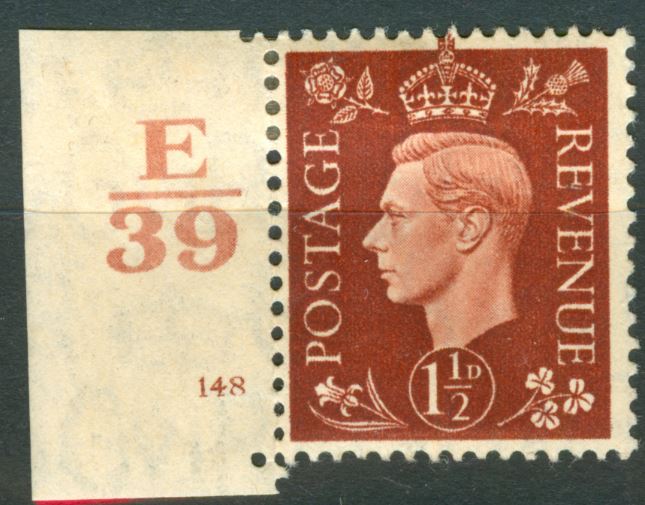 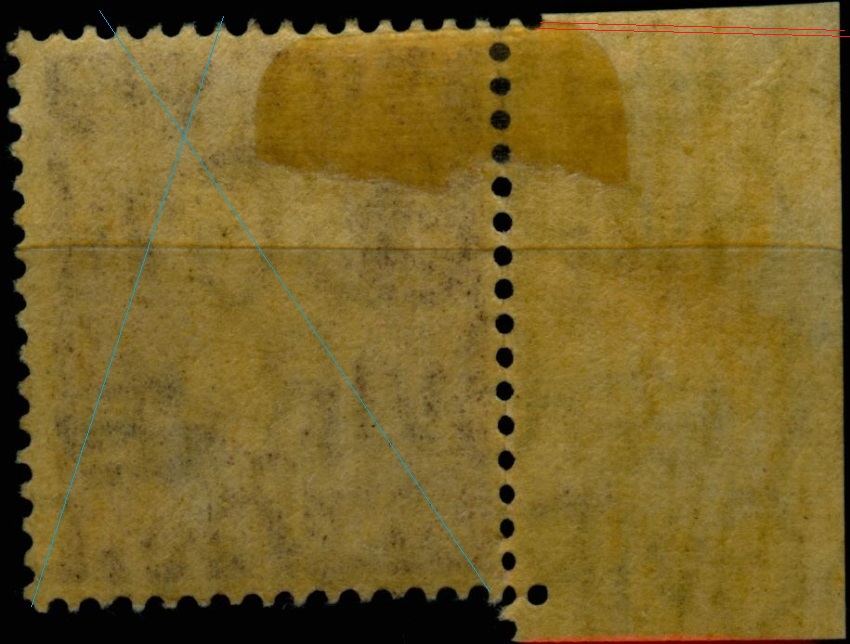 The "striped" lines I indicated by "red" is called "rayado" in Argentina The year "1939" is a nice documentation of the fact that this type of paper wire was introduced around 1938! |
|
Send note to Staff
|
|
|
Rest in Peace
Netherlands
963 Posts |
|
|
Another example of the second type of paper with a Asymmetrical paper wire! 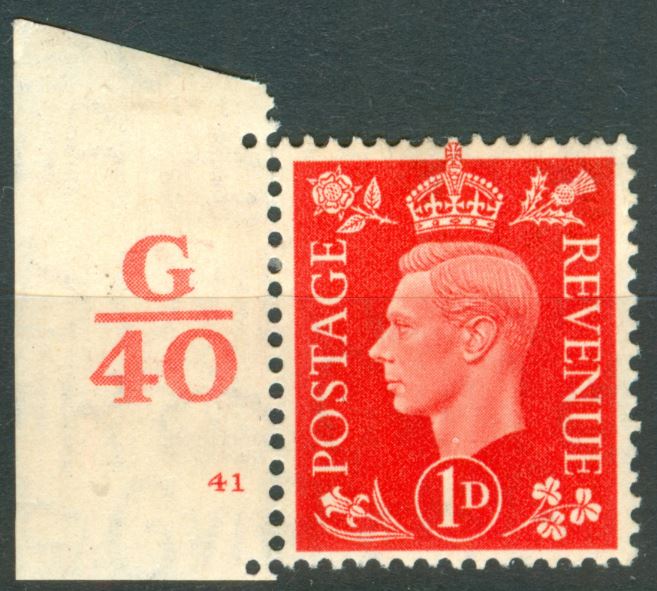 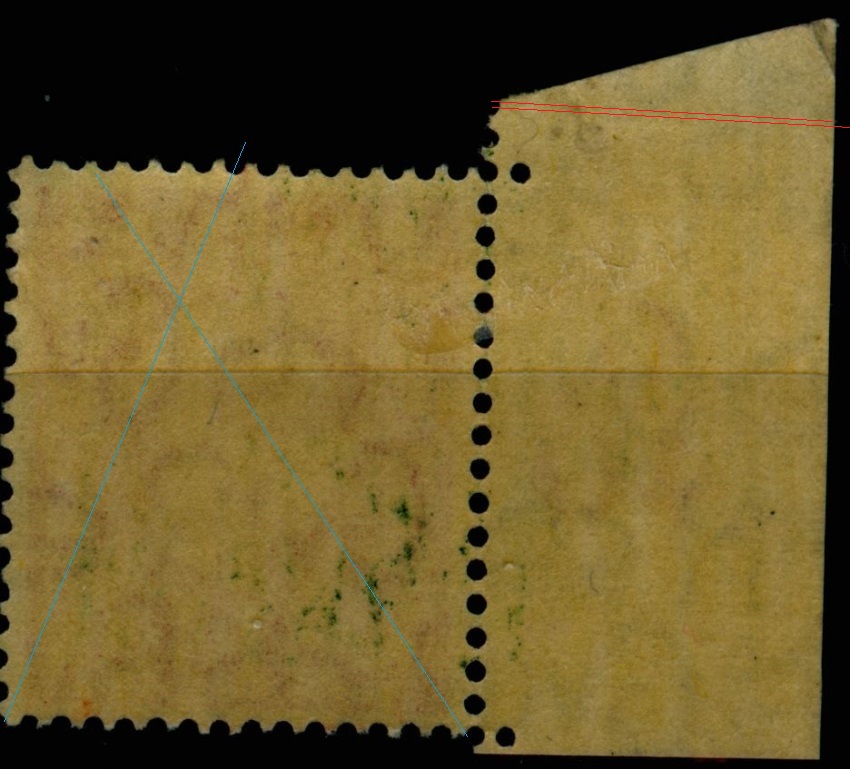 The third type of paper is the mirrored [around the vertical axis] version of this! |
|
Send note to Staff
|
|
|
Rest in Peace
Netherlands
963 Posts |
|
|
The "b" version has the less steep diagonal from top left to bottom right; the "d" version has the less steep diagonal from bottom left to top right! The d-version: 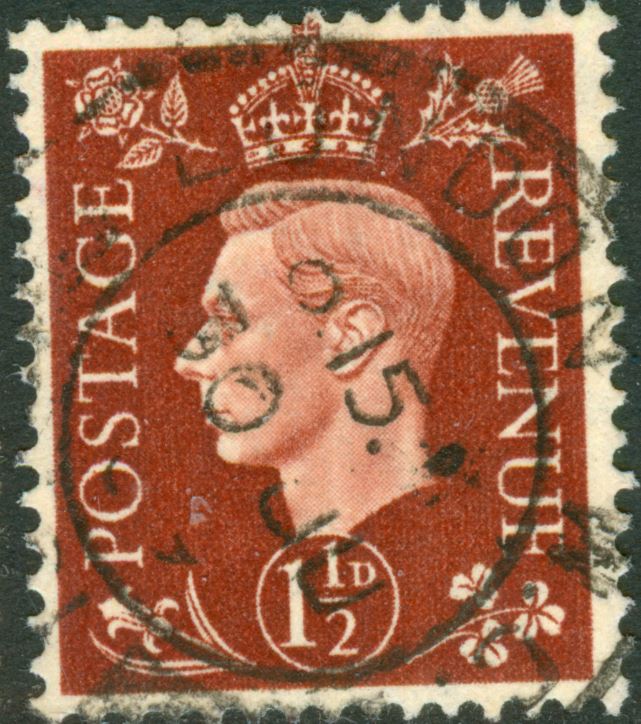 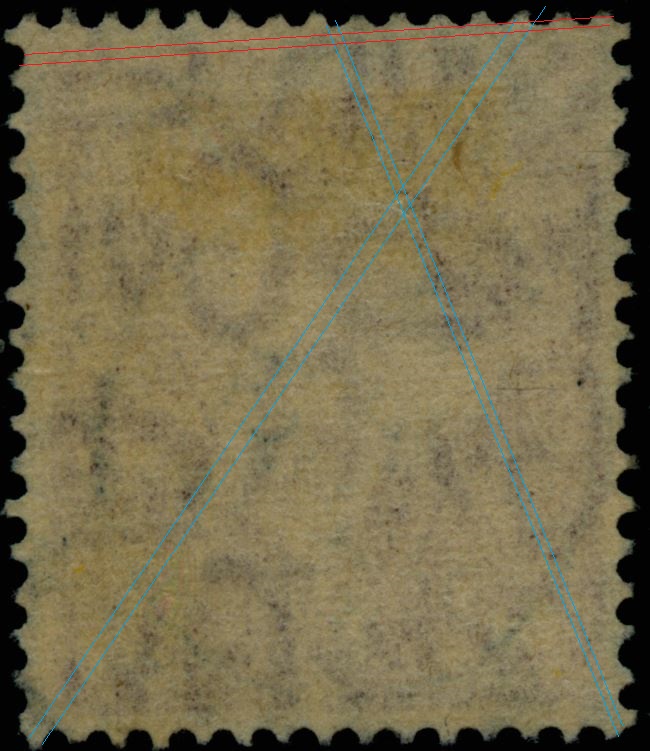 |
|
Send note to Staff
|
|
|
Rest in Peace
Netherlands
963 Posts |
|
|
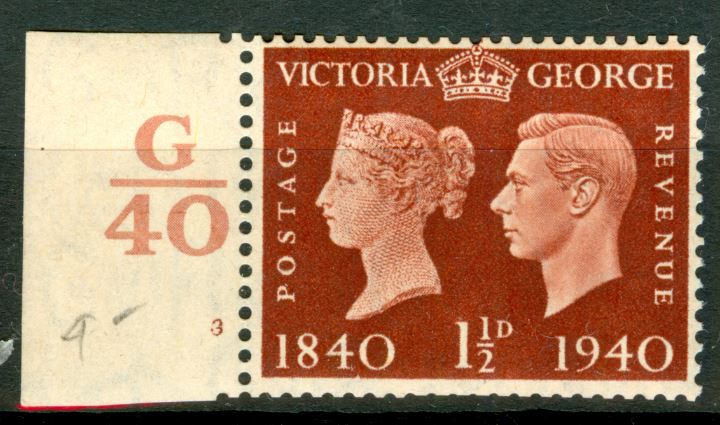
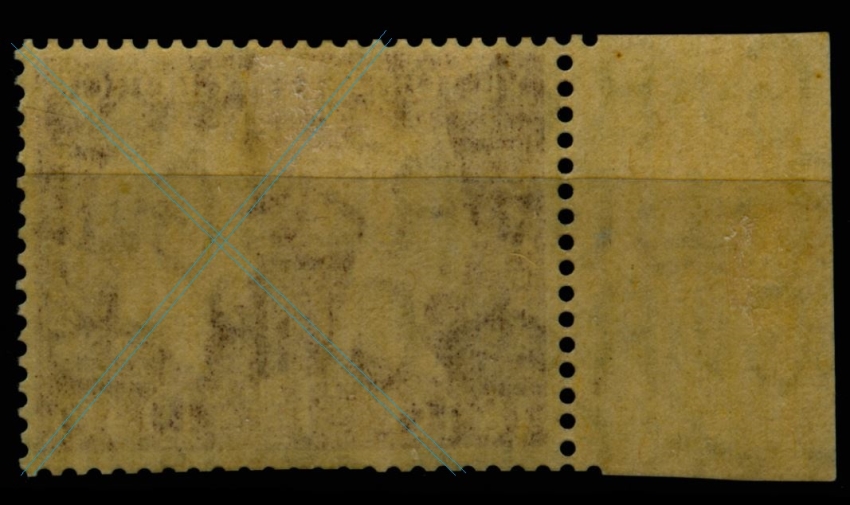
The fourth type of paper is a symmetrical paper wire again with the 24/20 density - called Tela! 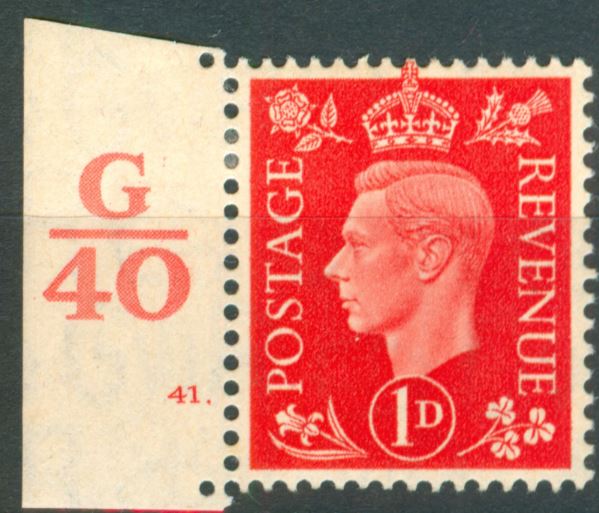 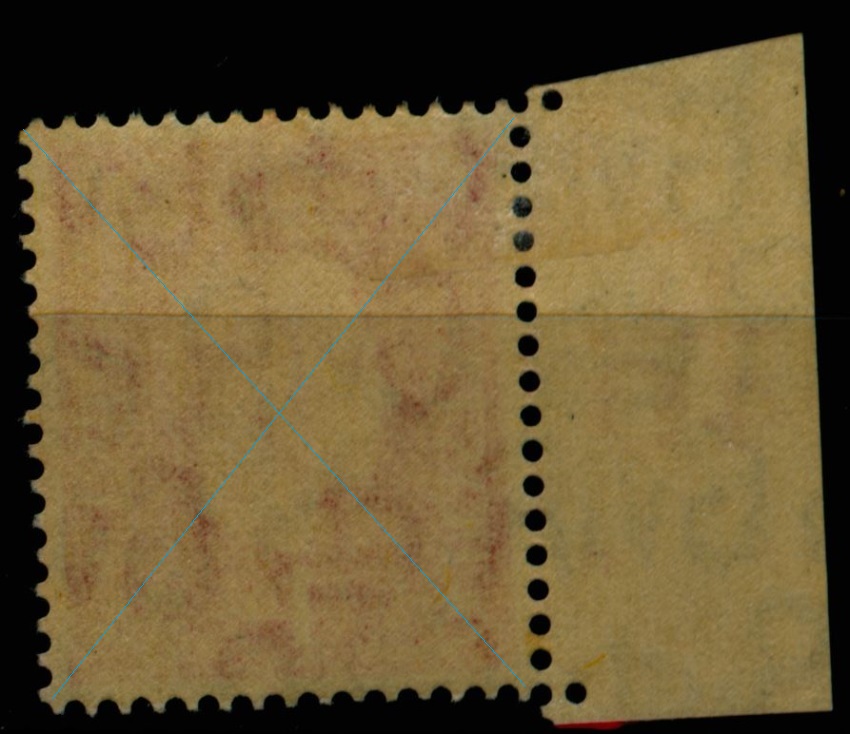 The G40 is the turning point here for the asymmetrical into the Tela! |
|
Send note to Staff
|
|
|
Rest in Peace
Netherlands
963 Posts |
|
|
Rest in Peace
Netherlands
963 Posts |
|
|
Rest in Peace
Netherlands
963 Posts |
|
|
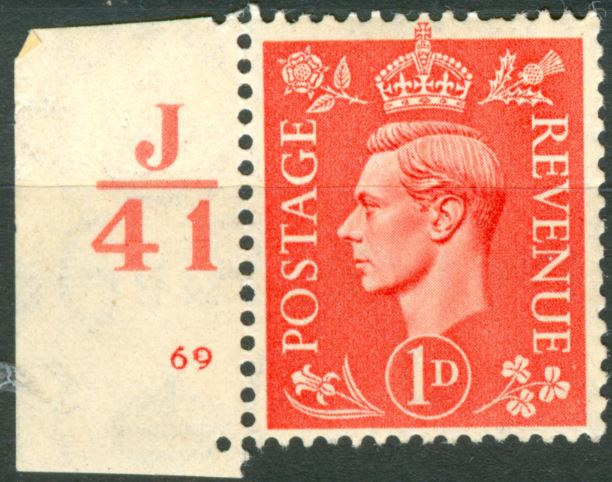
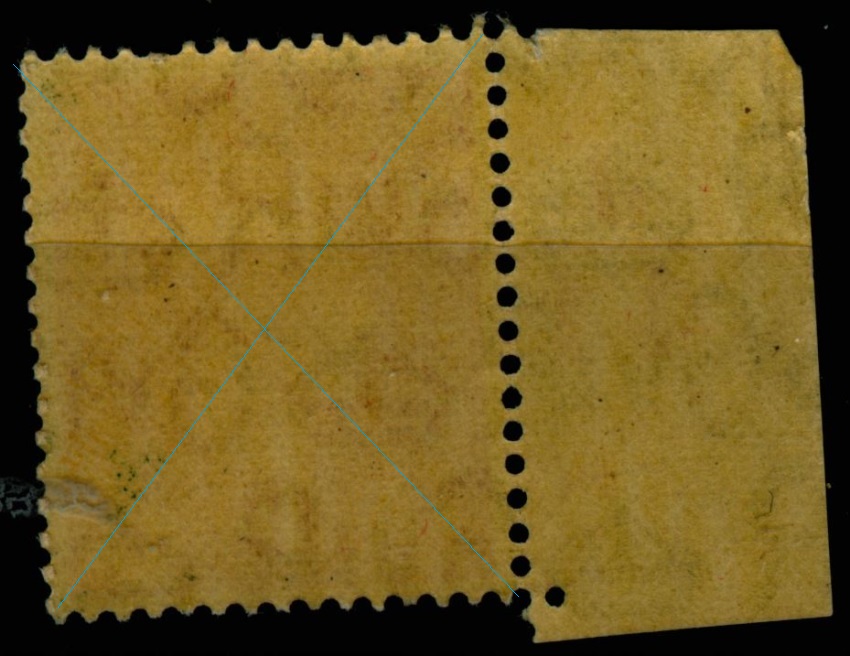
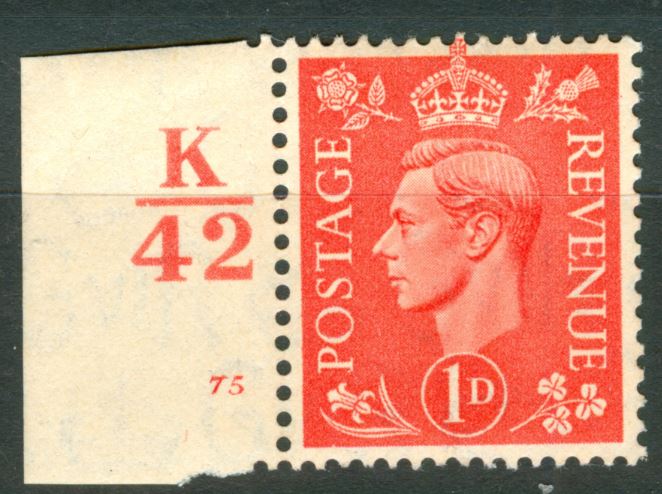
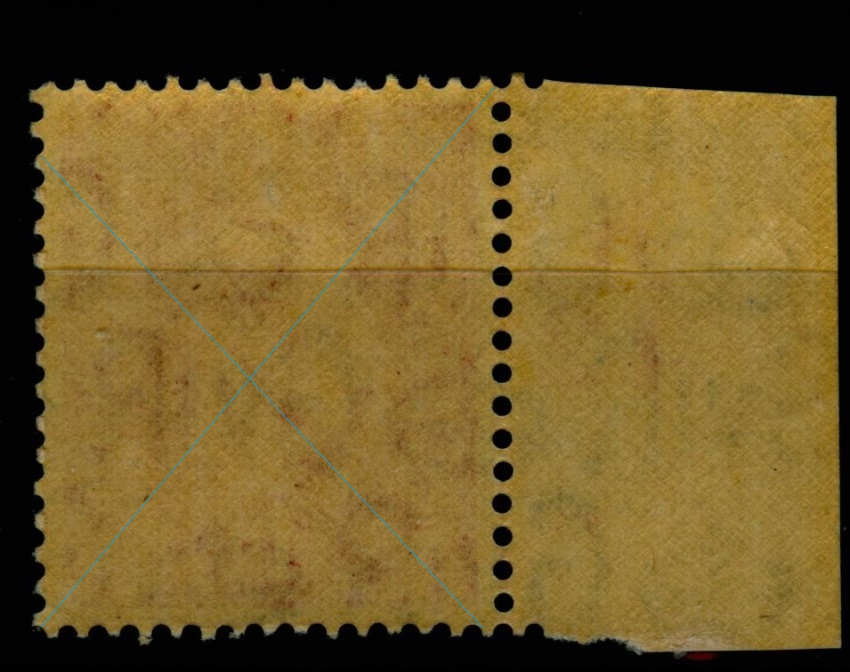
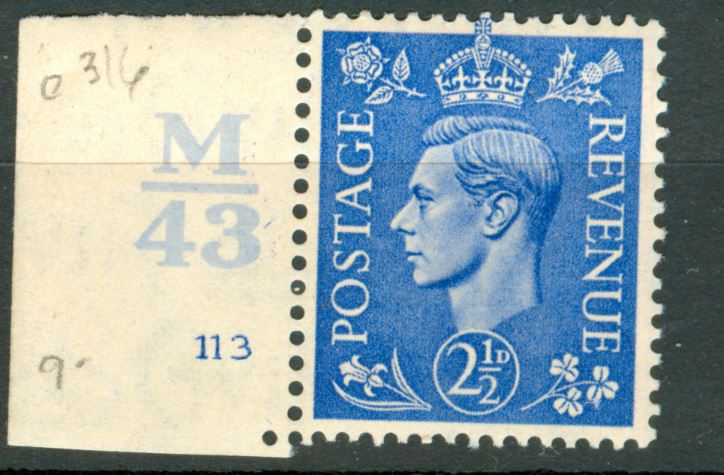
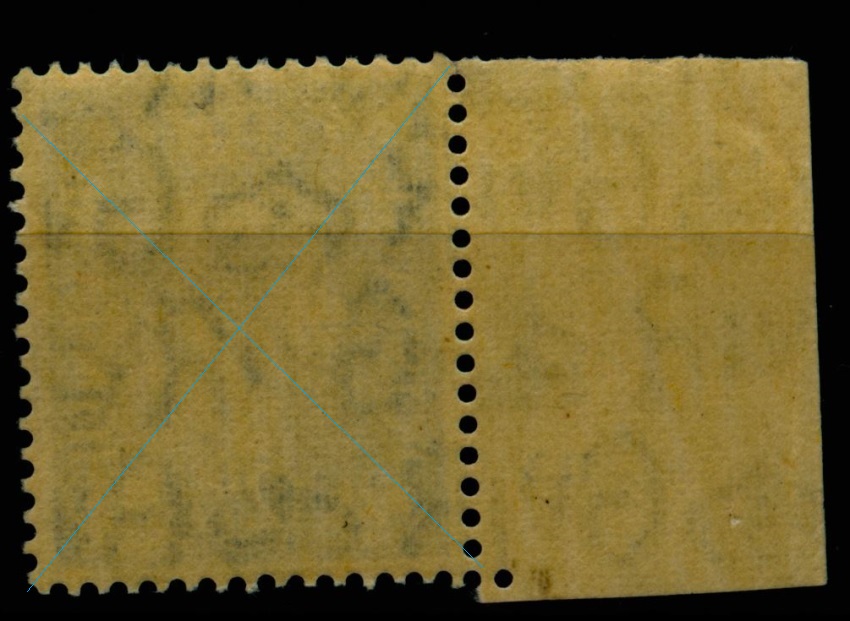
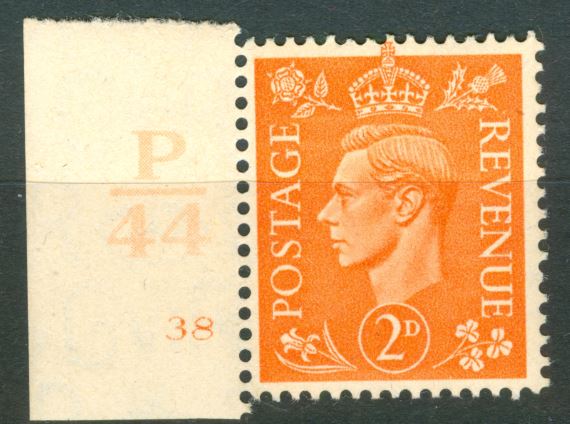
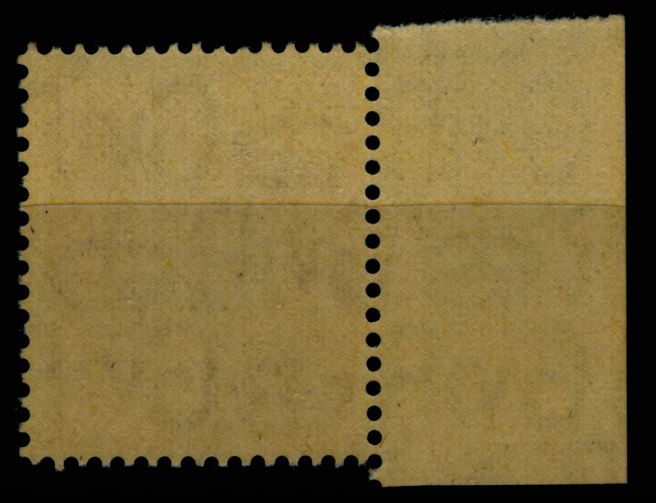
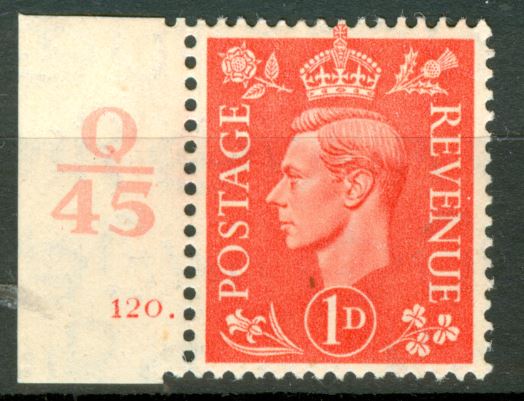
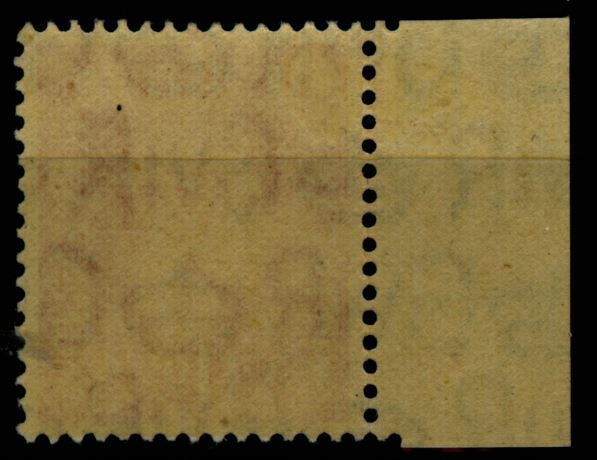
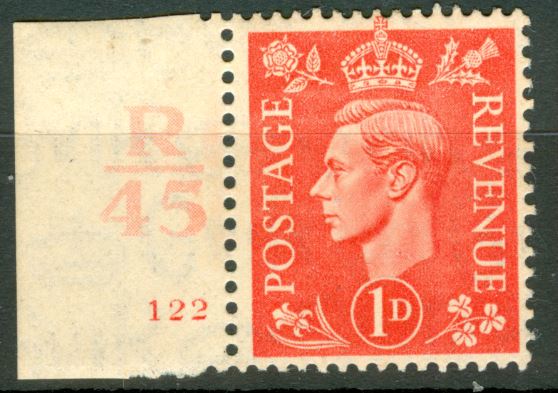
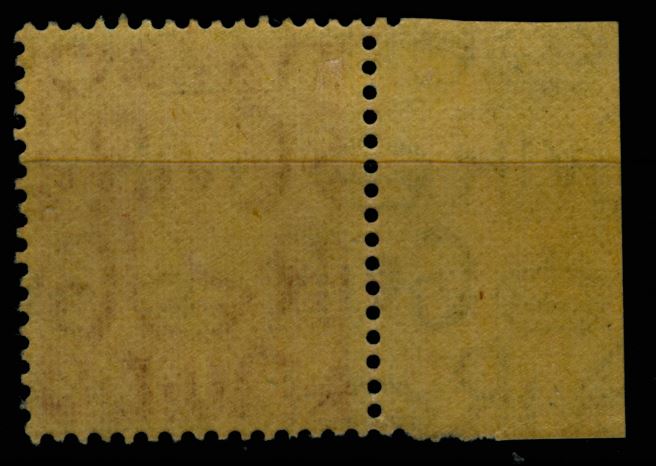
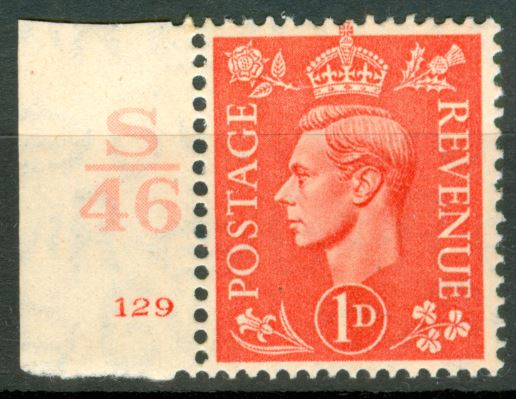
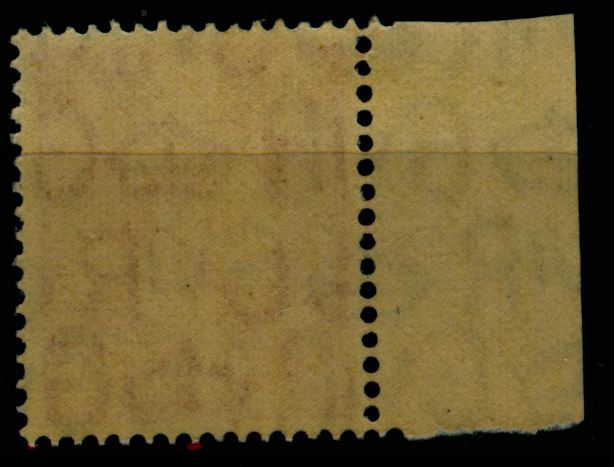
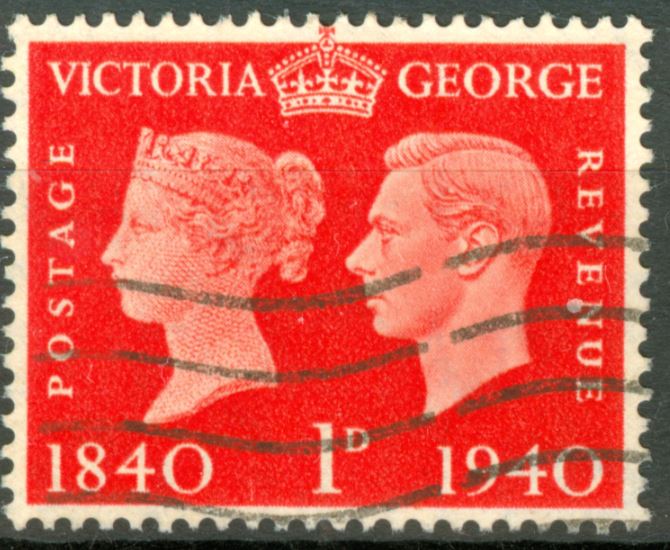
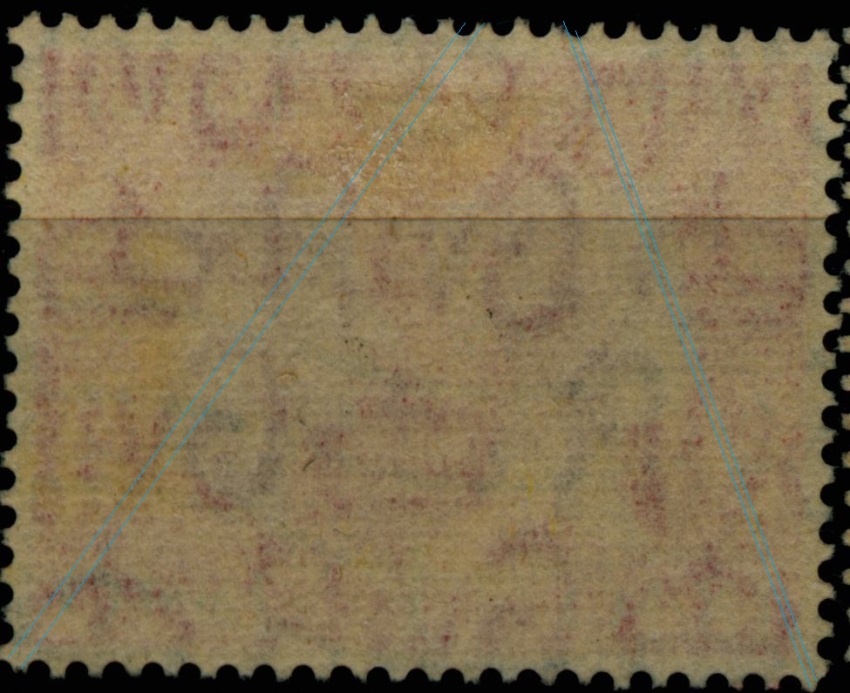
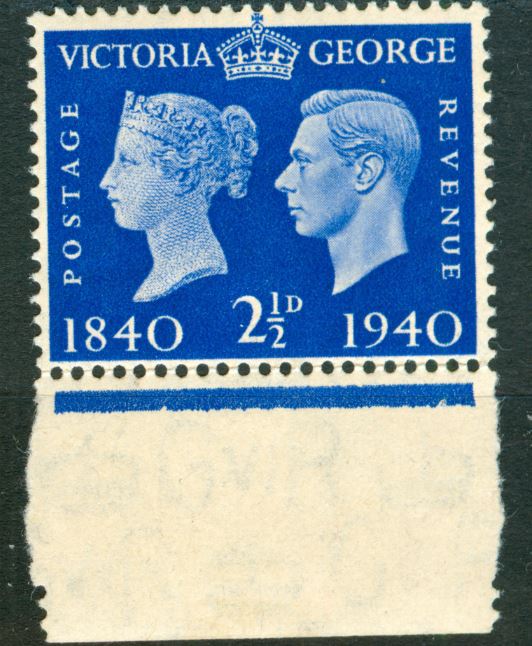
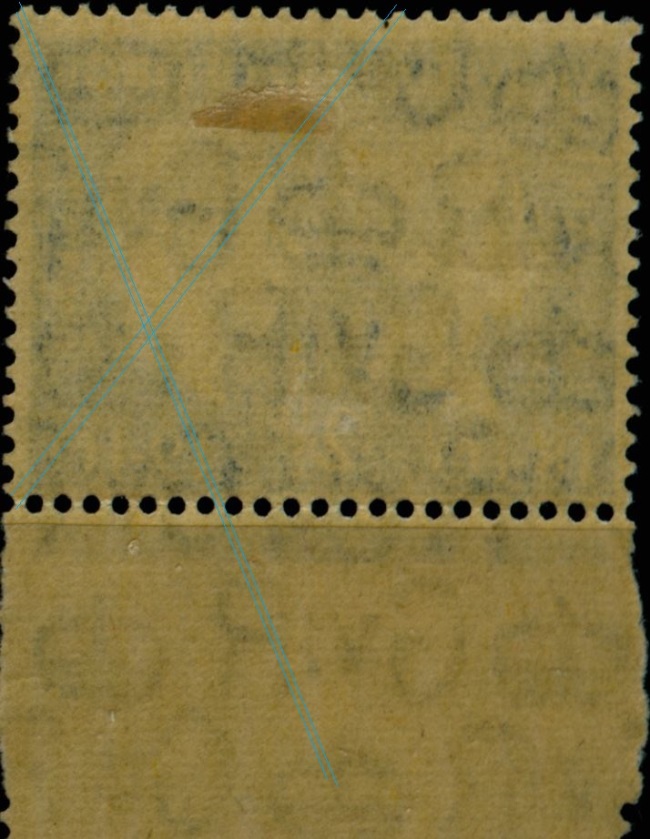
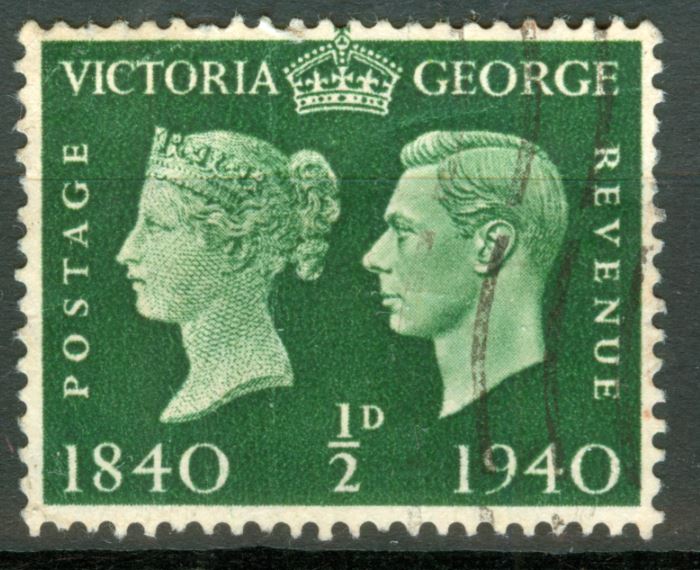
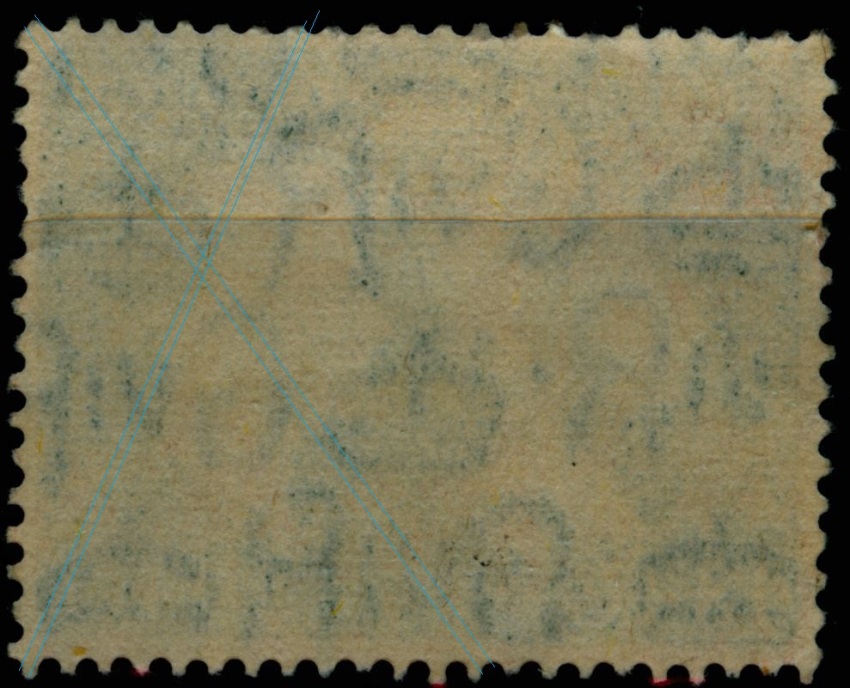
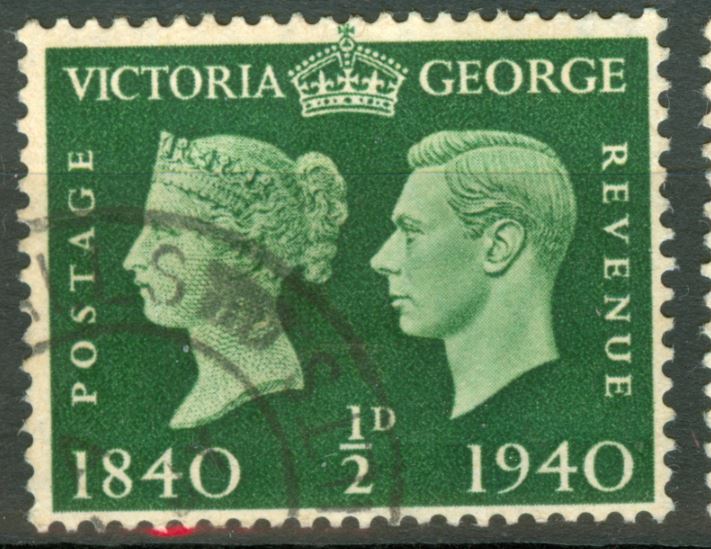
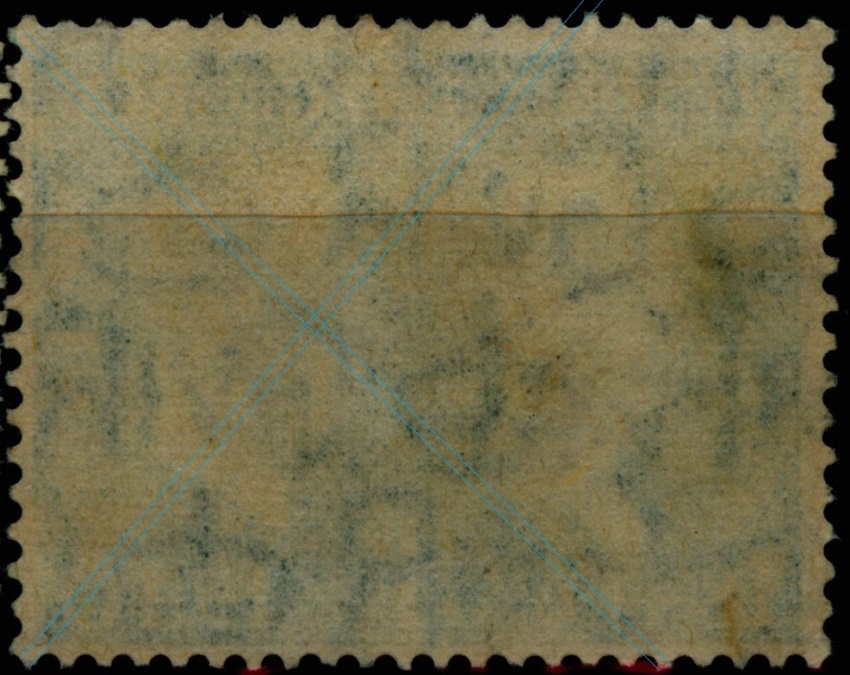
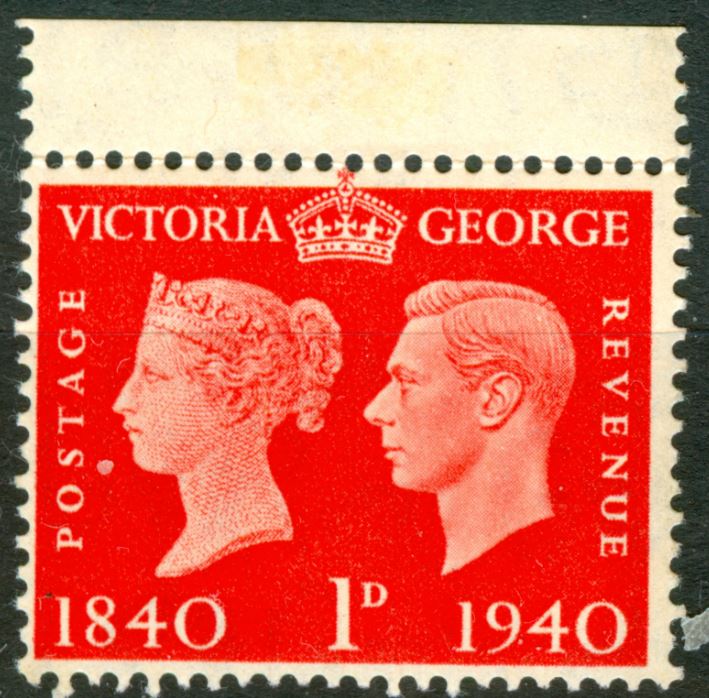
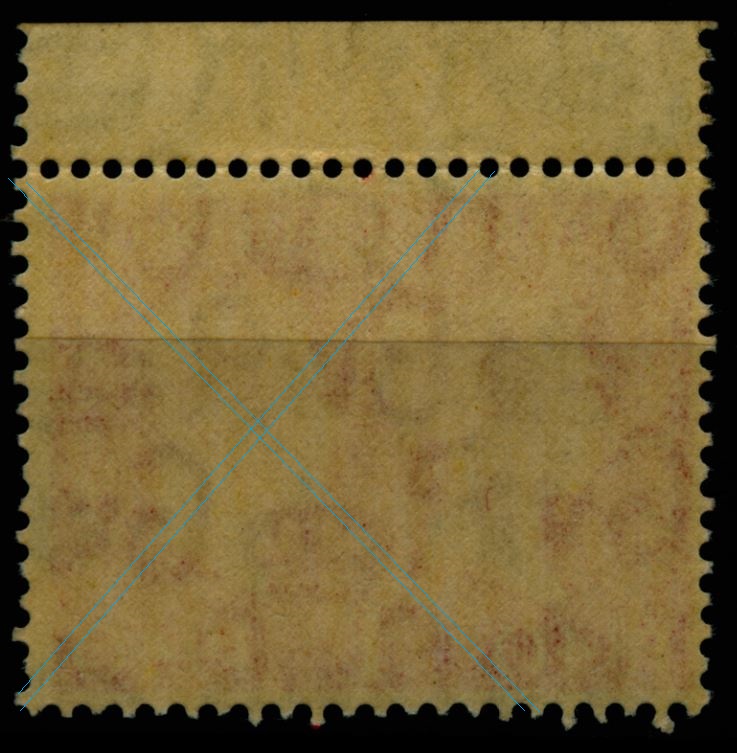
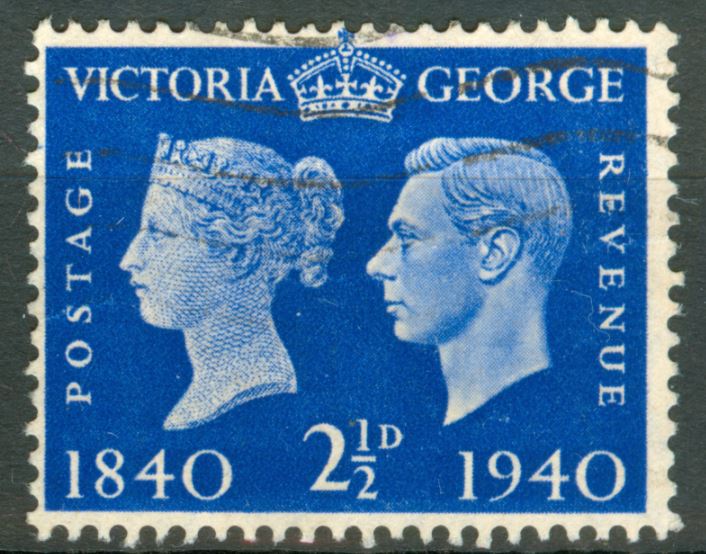
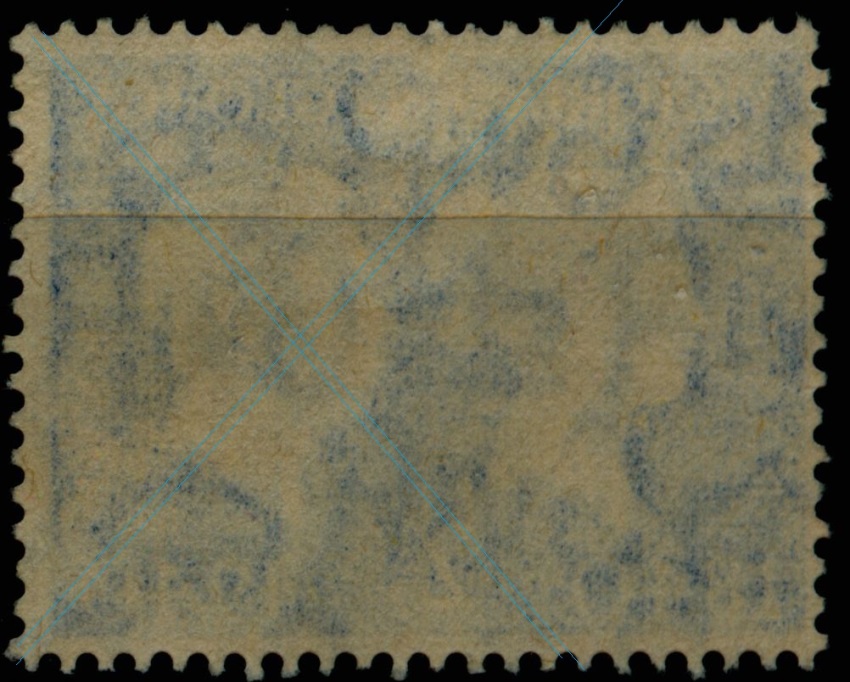
Let's compare the 'b" and "d" versions of the asymmetrical wire again: The "b" version at the left / the "d"version at the right: Front: 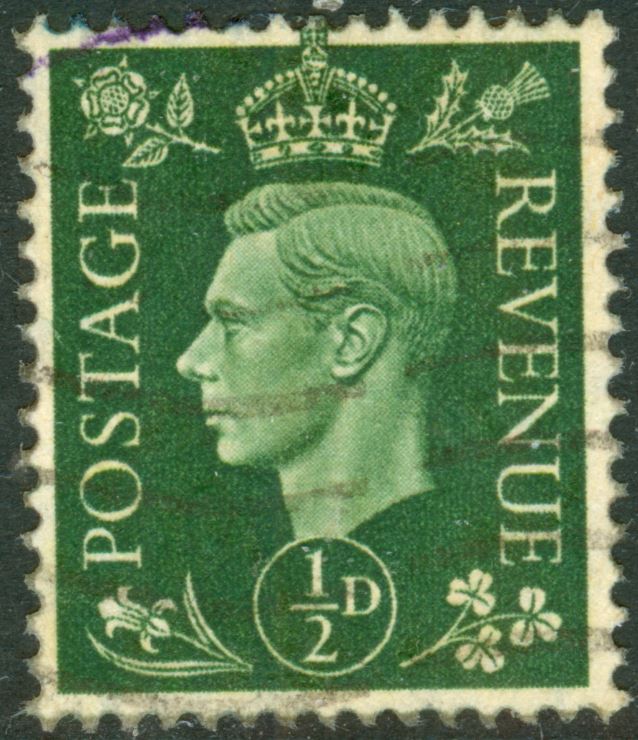 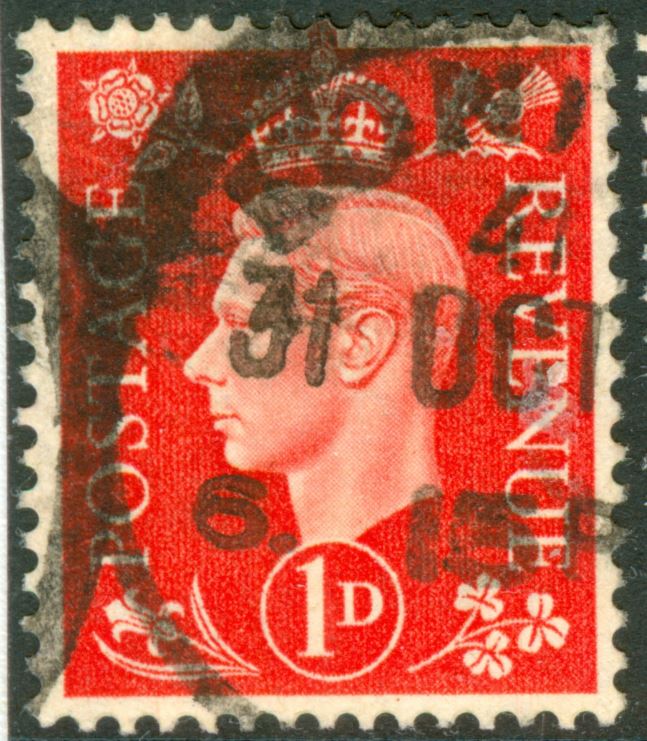 Back: 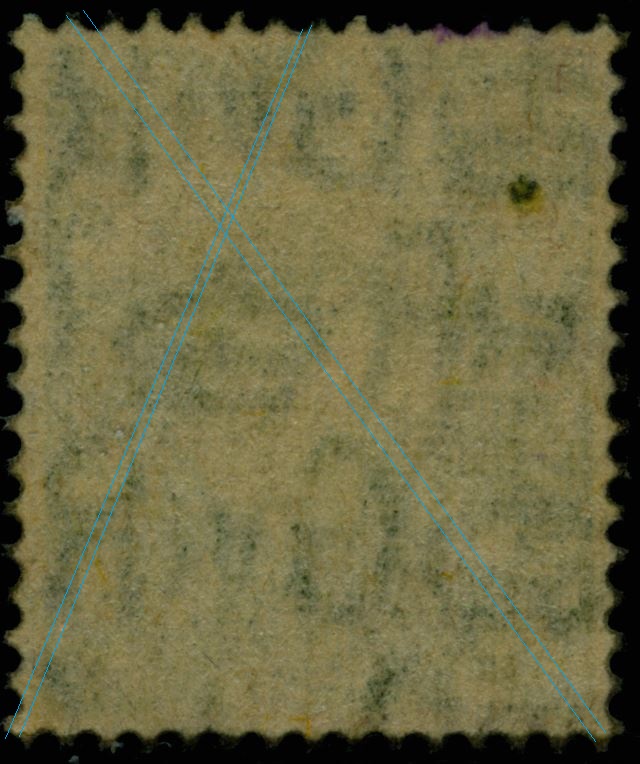 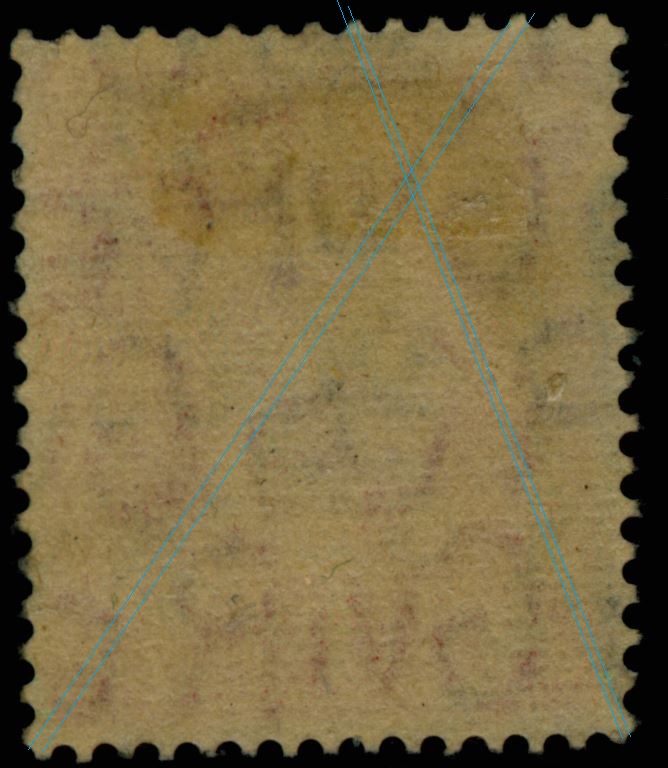 |
|
Send note to Staff
|
|
|
Rest in Peace
Netherlands
963 Posts |
|
|
Rest in Peace
Netherlands
963 Posts |
|
|
Rest in Peace
Netherlands
963 Posts |
|
|
Rest in Peace
Netherlands
963 Posts |
|
|
Replies: 53 / Views: 14,966 |
|



 Posted 02/08/2014 05:57 am