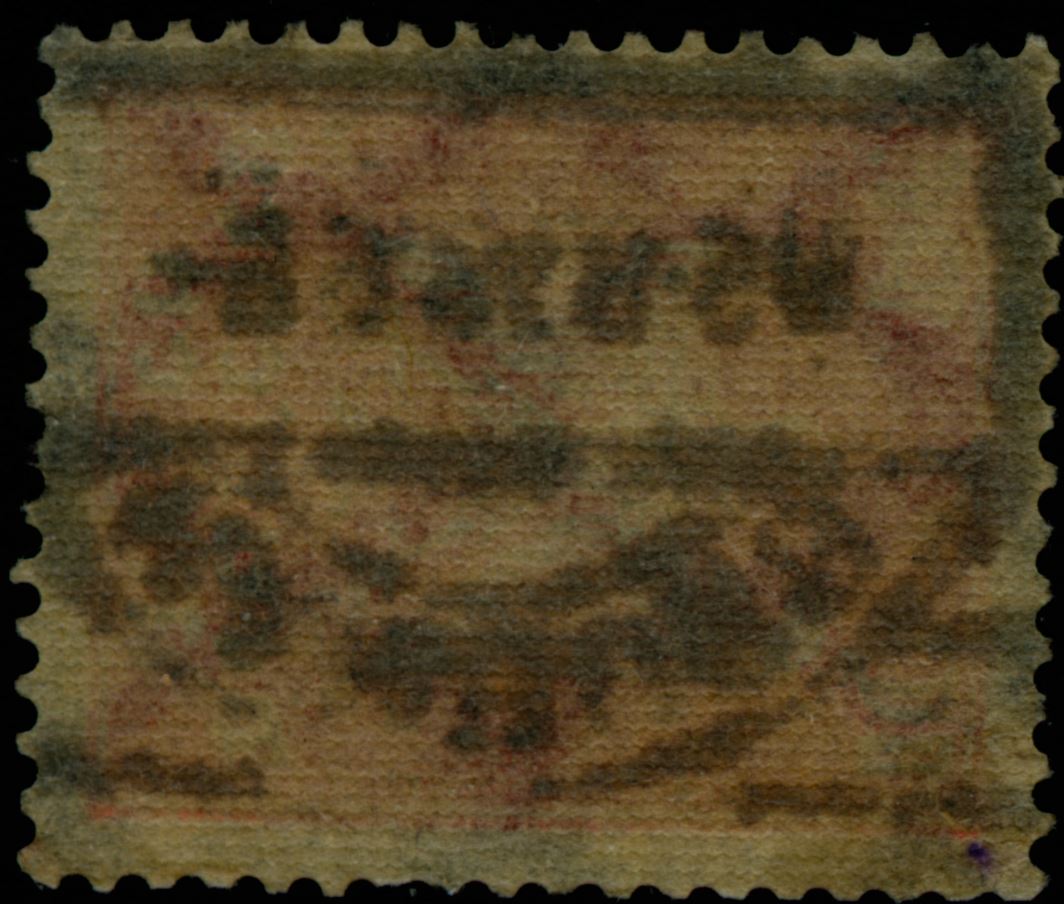
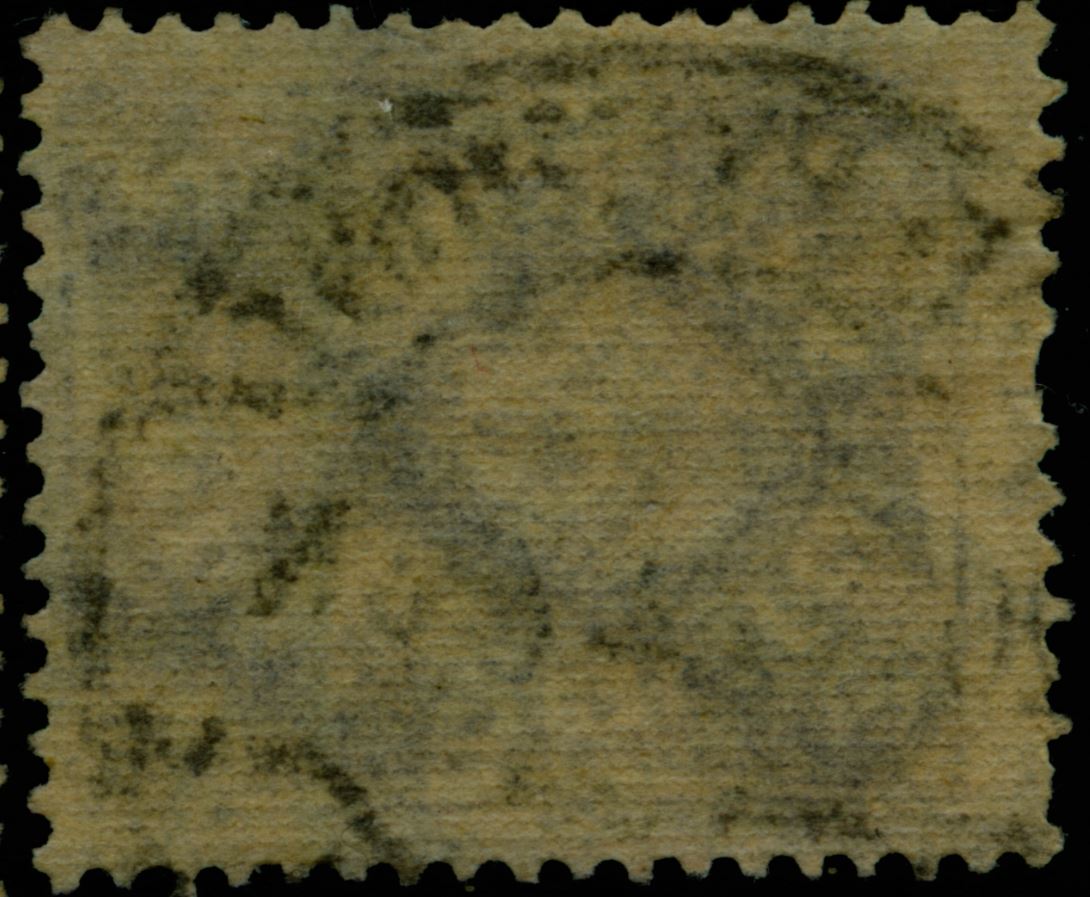
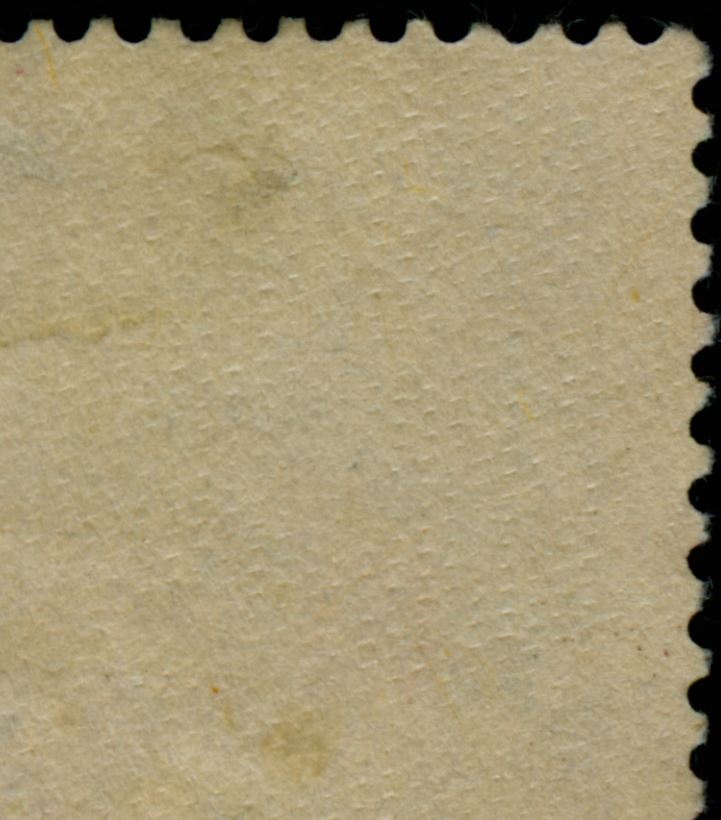
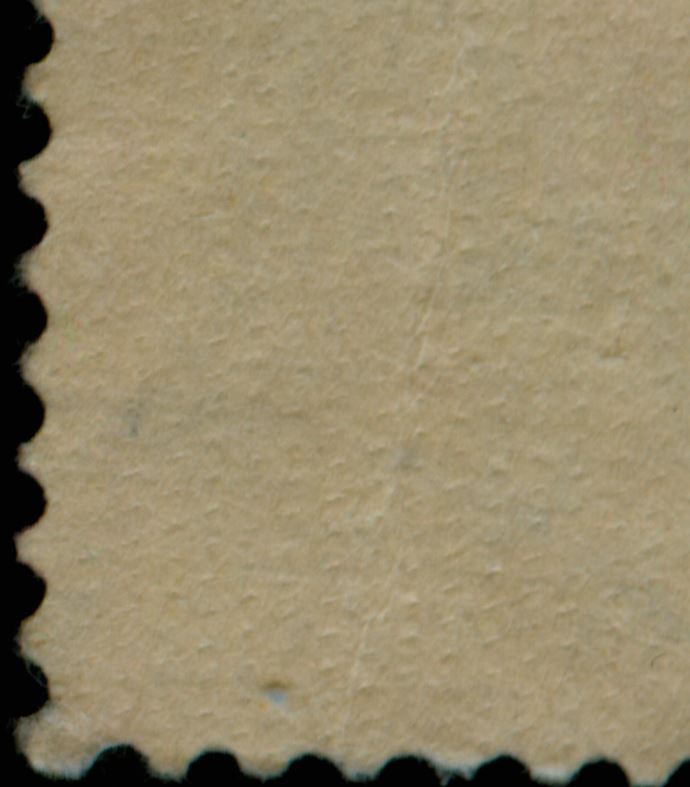
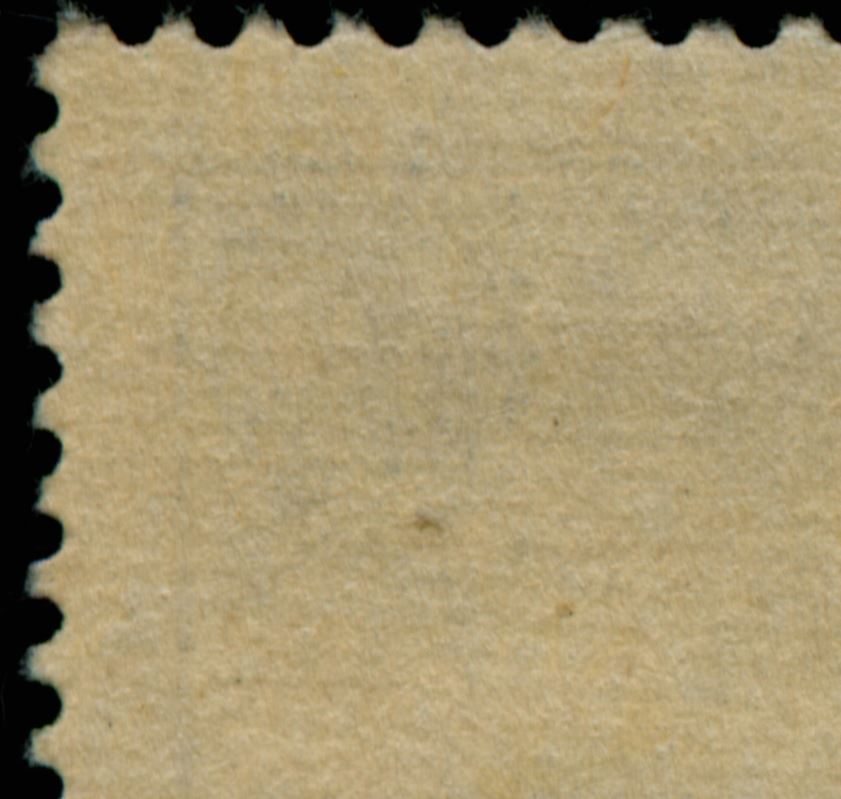
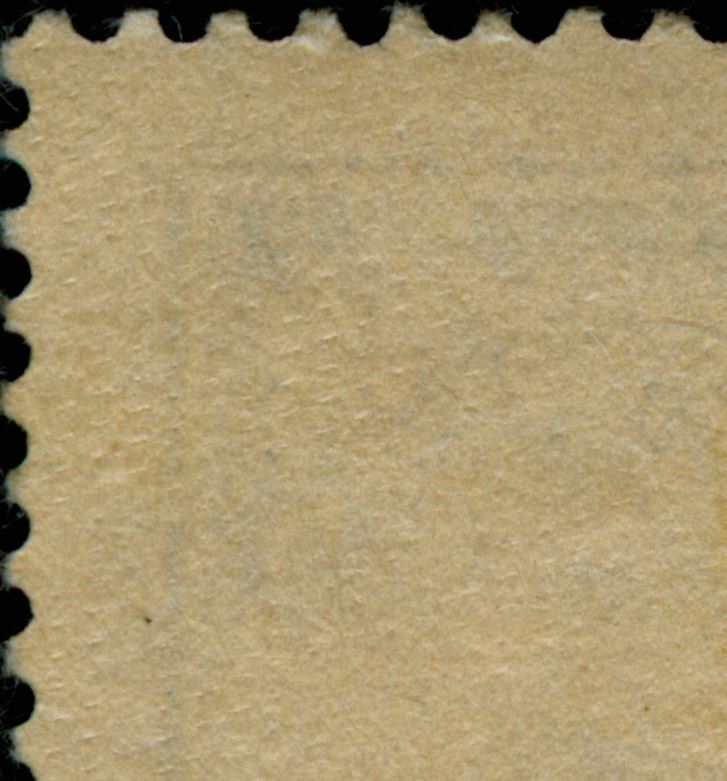
In the same German speaking countries some emphasis has been made about whether these wavy lines are horizontal or vertical in respect to the image of the stamp. Some stamps are known having lines both horizontally or vertically.
And this is where it gets shady.
Just as with watermarks, you can NOT say that a horizontal watermark was used UNLESS you specify the direction of paper [the long axis of the paper wire in the paper machine]. The Germans call this "Papierlaufrichtung".
If you do not specify this direction all you are saying is that the readible watermark pattern is directly related to the readible image of a stamp. Or up side down or perpendicular, etc...
German speaking experts always assume that the wavy lines of their Gummiriffelung runs parallel to their Papierlaufrichtung. So when somebody tries to fake a German vertical Riffelung worth 5.000 dollars, they count on the fakeist not knowing about the direction of paper.... :)
The Germans may be right as long as it goes for the Deutsches Reich and Bund stamps with wavy lines. Although I am not too sure...
As to the Austrian stamps, there are 2 types of wavy lines: the first being parallel to the direction of paper, the second being orthogonal! The latter one in use since about 1953 till 1958.
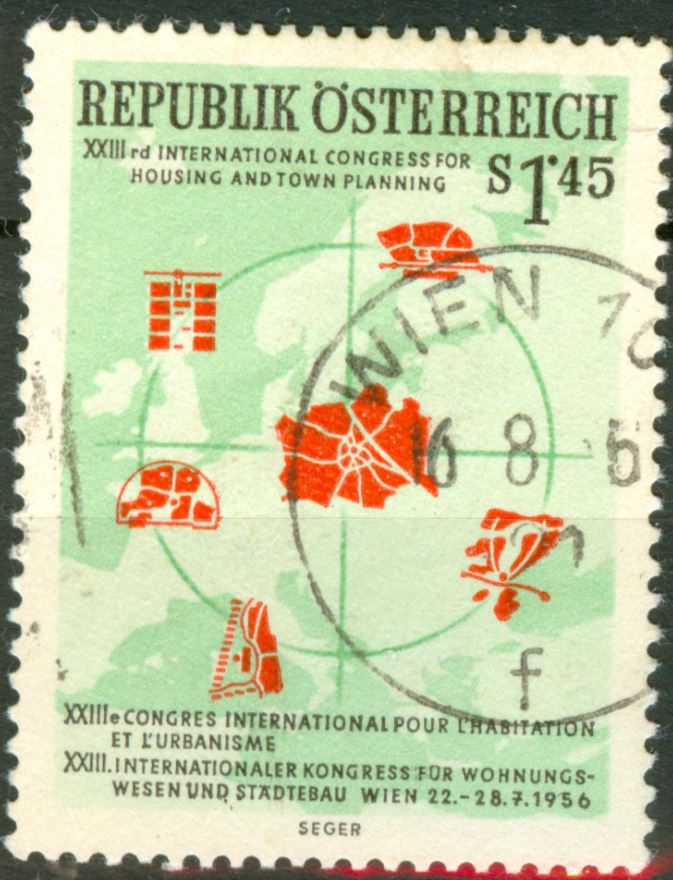
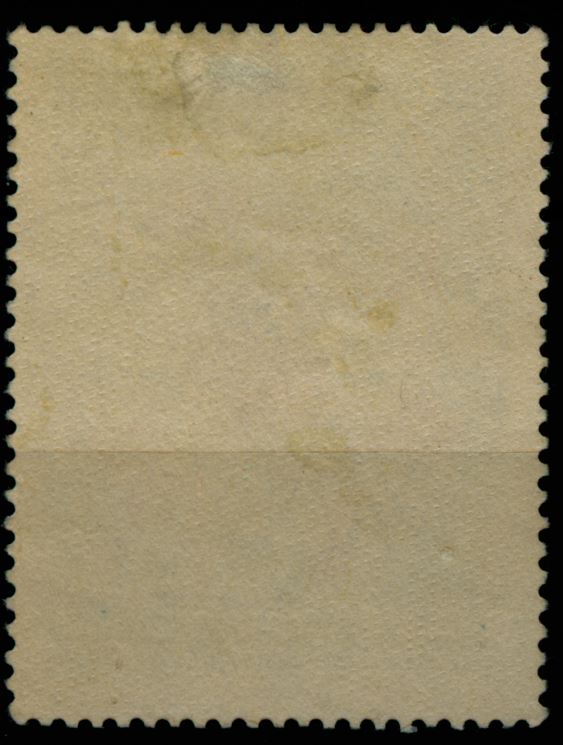
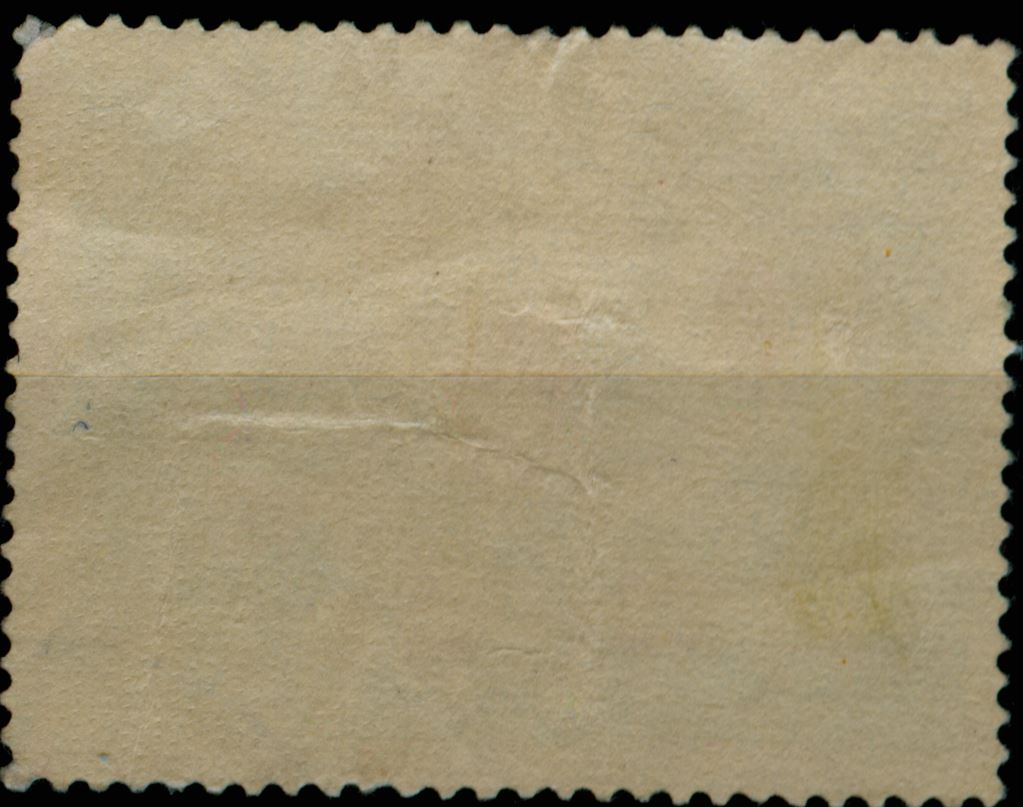
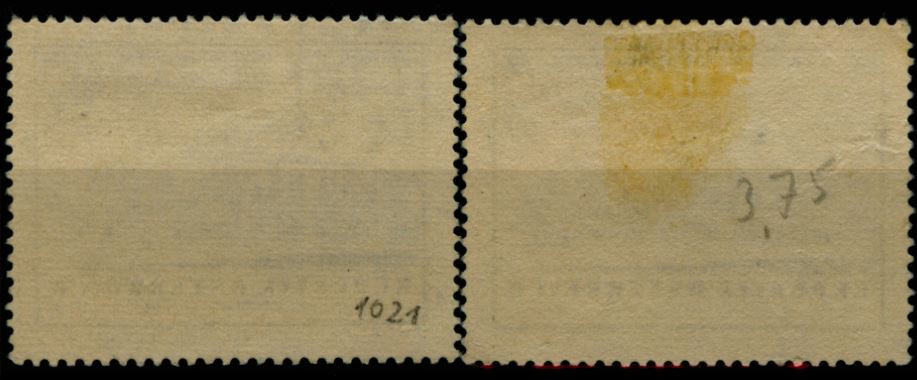
What they had not discovered yet was a completely different pattern in use at the Austrian State Printers during 1955-1957:
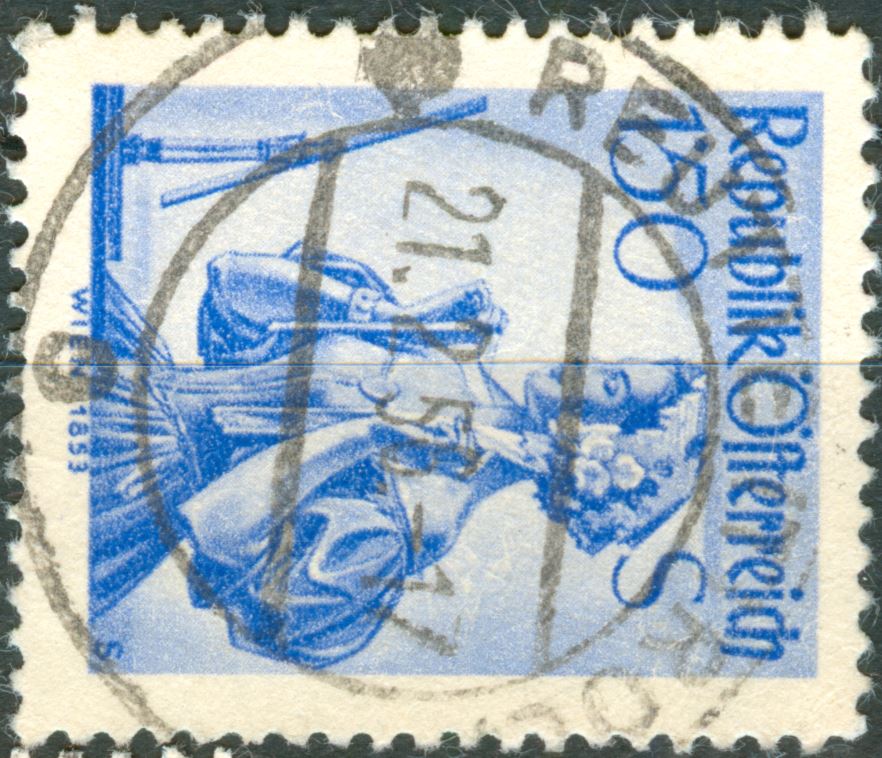
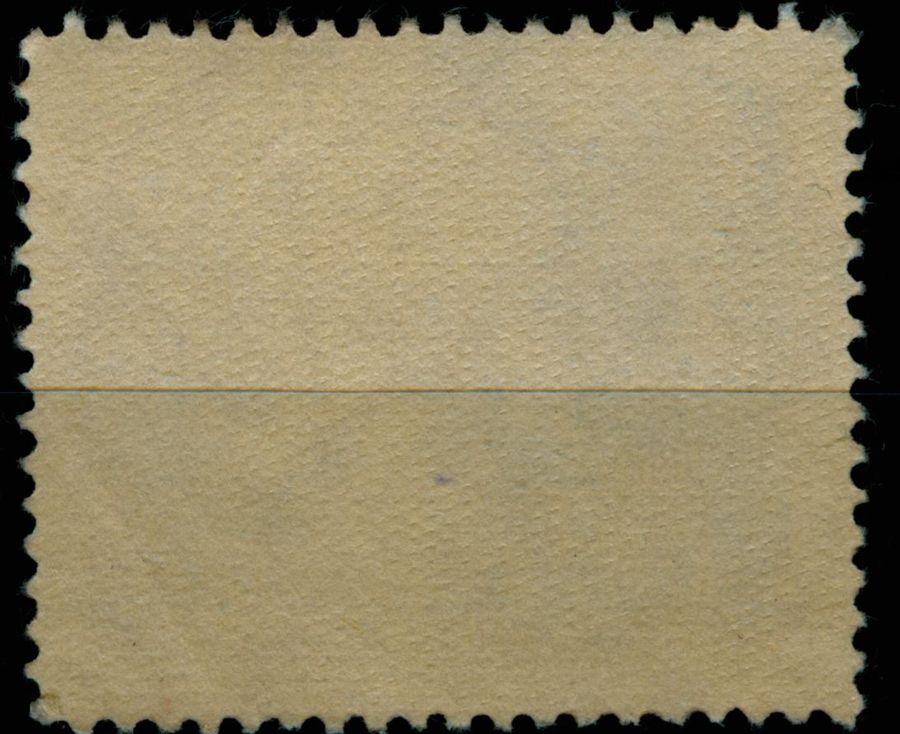
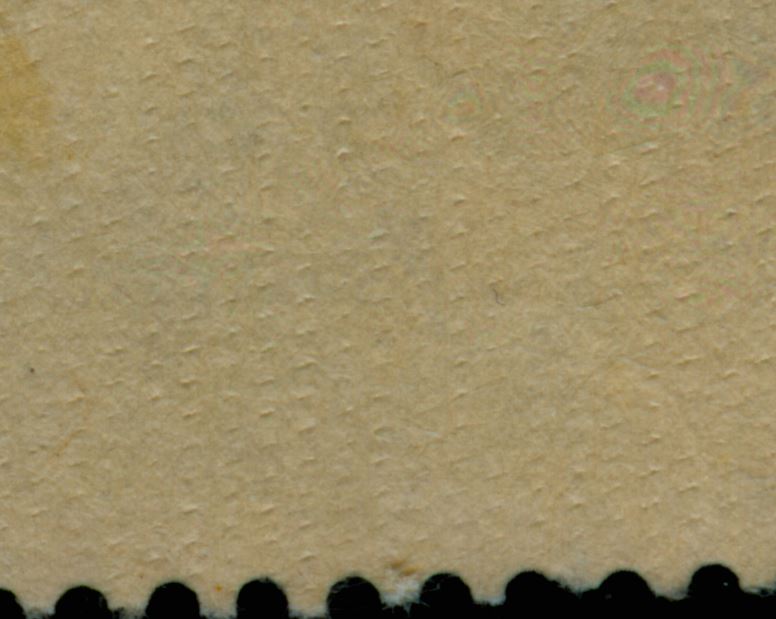
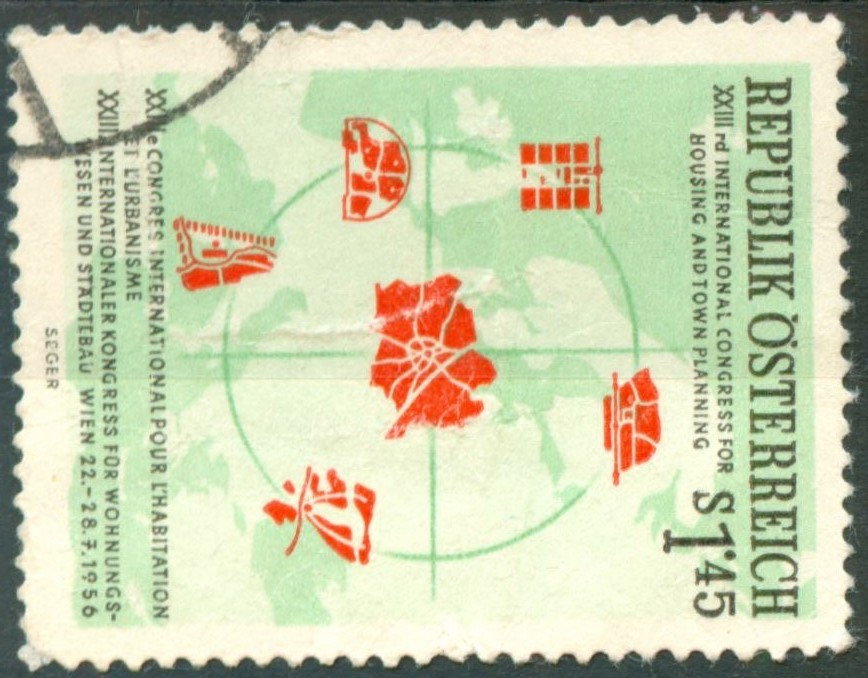
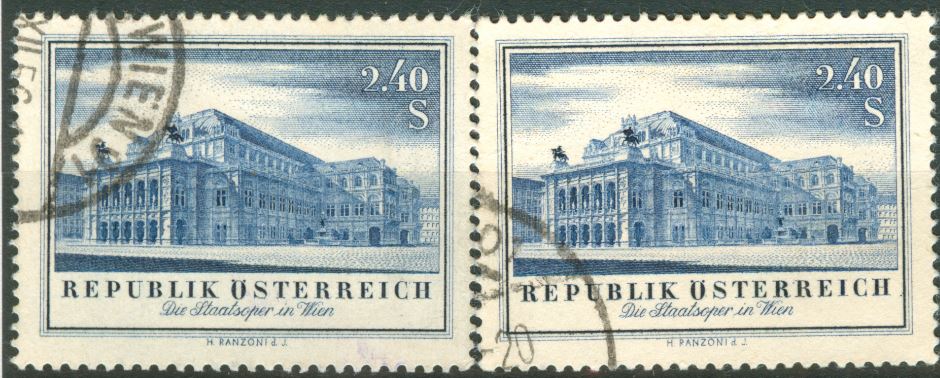
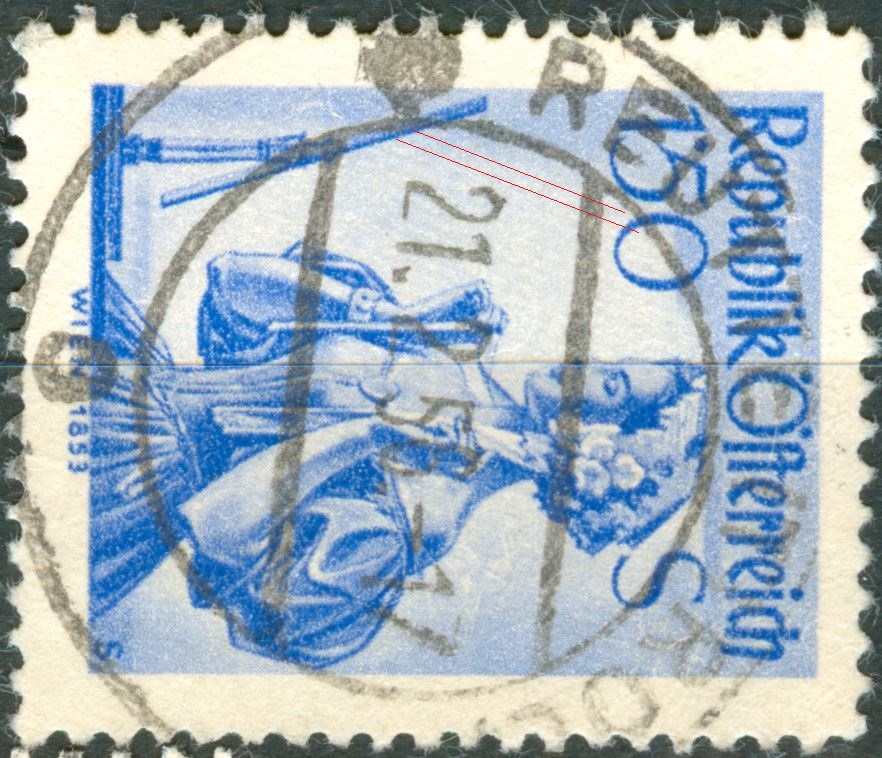
Even clearly visible at the front of the stamps:





 Posted 02/12/2014 1:24 pm