| Author |
 Replies: 12 / Views: 3,235 Replies: 12 / Views: 3,235 |
|
|
Rest in Peace
7742 Posts |
|
|
Hi guys.. Ok, I promise this is the last one..haha...Take a look at these Scott #36 stamps...Look at the dimensions first of all...Way different..Then take a look at the stamp on the left, the Queens ear is missing and there is a line horizontal coming from her ear..Hard to see, but easy when you have the stamp in hand..any ideas. Robert 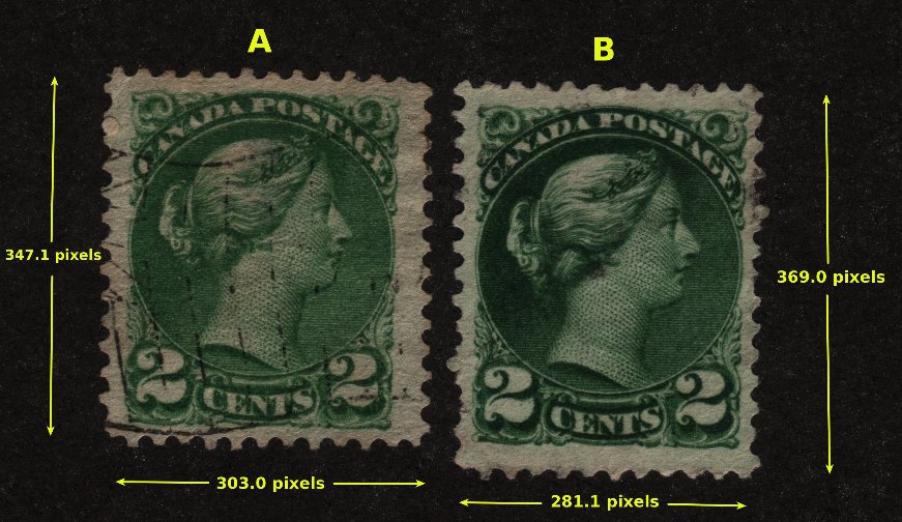 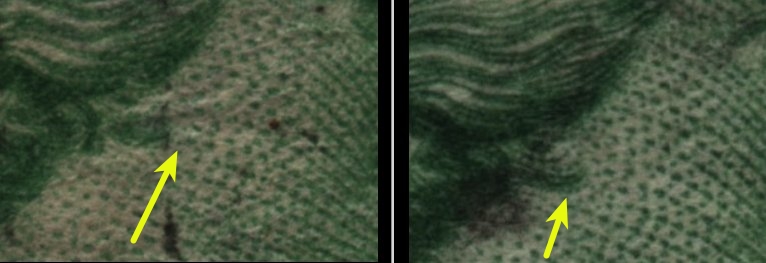 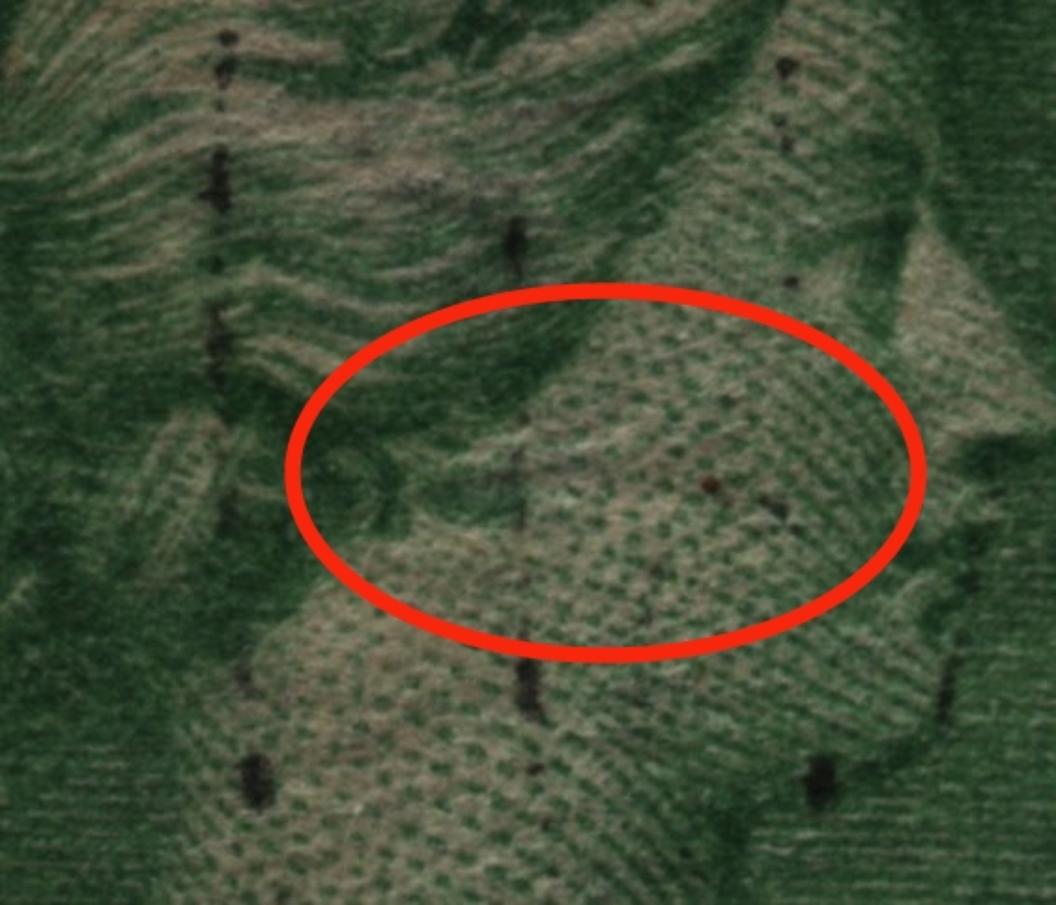 |
|
Send note to Staff
|
|
|
|
|
Valued Member
Canada
305 Posts |
|
|
Hello Wert. Actually, I really enjoy all you questions and your ability to point out détails so please, let yourself go ! To me, the ear is not missing. The stamp on the left just has blotchy ink from overinking or a kiss print. I do not see the horizontal line (in green anyways) you are mentionning. As for the size of the stamp, they greatly vary naturally in the small Queens (and quite a few stamps of this era)
|
Send note to Staff 
|
|
|
Pillar Of The Community
United States
728 Posts |
|
|
Coriandre is correct but there maybe a slight paper anomaly or wrinkle present in that area of the left stamp. The texture appears slightly different in that area of the paper. |
|
Send note to Staff
|
|
|
Moderator

United States
5107 Posts |
|
|
Yep. I think just unfortunate placement of cancellations are hiding the features you wish to point out. The size of the stamp is also consistent with other size variations that I see in the small queens. Here is a link to an earlier one with size questions https://goscf.com/t/39491#39491 |
|
Send note to Staff
|
|
|
Rest in Peace
7742 Posts |
|
|
Pillar Of The Community
Canada
6525 Posts |
|
|
I'd agree about the cancel obscuring the ear. I think that vertical line is creating an illusion that the ear is cut off.
Also check your perfs. The 2¢ green was printed continually over the life of the small queens, and I'd guess, looking at the quality of the two stamps that they are different printings (Ottawa vs. Montreal) and one is of better quality. |
|
Send note to Staff
|
|
|
Pillar Of The Community
Guatemala
1500 Posts |
|
|
The dimensions of the images (green printed areas) of the two stamps is minimal. The difference in dimensions shown above is in the overall size of the stamps, not the images. My understanding is that the printed image of the stamp is what identifies a stamp and not the overall size. Could it be that the left stamp is flat plate printing and the right one is a rotary press printing? |
|
Send note to Staff
|
|
|
Rest in Peace
7742 Posts |
|
|
You are correct quigngt..Took a measurement and BOTH stamps are exactly the same distance across at the design..Just extra paper, or perforation misalignment. 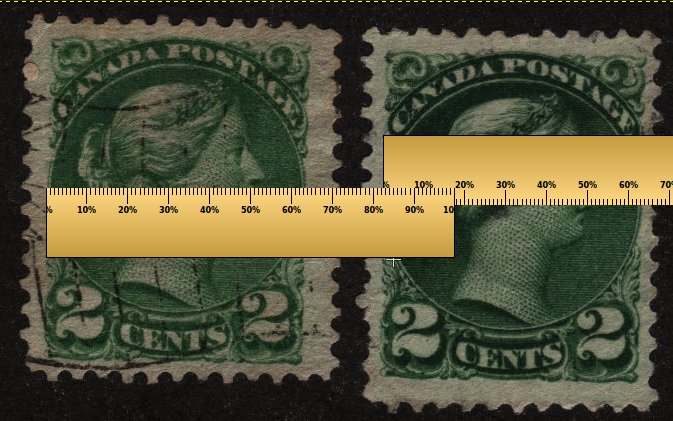 |
|
Send note to Staff
|
|
|
Pillar Of The Community
United States
728 Posts |
|
|
The rotary press was not available until the early 1900's. The Small Queen issue are all flat plate printings. If there are slight differences in image size it may be due to the type of paper the stamp was printed on they used several different papers in printing this issue. The image size is basically the same throughout the printing of each value. The stamp size is influenced by how the perforations were applied and the space between the perforation wheels when they were punched. Stamps are identified by image and not the paper size. |
|
Send note to Staff
|
|
|
Rest in Peace
7742 Posts |
|
|
Valued Member
Canada
305 Posts |
|
|
Rest in Peace
7742 Posts |
|
|
Coriandre....wow
that last one would have had huge margins if it were centered. |
|
Send note to Staff
|
| Edited by wert - 10/31/2014 09:59 am |
|
|
Pillar Of The Community
Guatemala
1500 Posts |
|
|
Quote:
The rotary press was not available until the early 1900's. My bad. I should have used some of my limited brain power to realize a Canada stamp with that low of a Scott number could not possibly have been printed by a not yet existing rotary press.  |
|
Send note to Staff
|
|
| |
Replies: 12 / Views: 3,235 |
|




 Posted 10/29/2014 6:49 pm