| Author |
 Replies: 47 / Views: 6,338 Replies: 47 / Views: 6,338 |
|
Rest in Peace
7742 Posts |
|
|
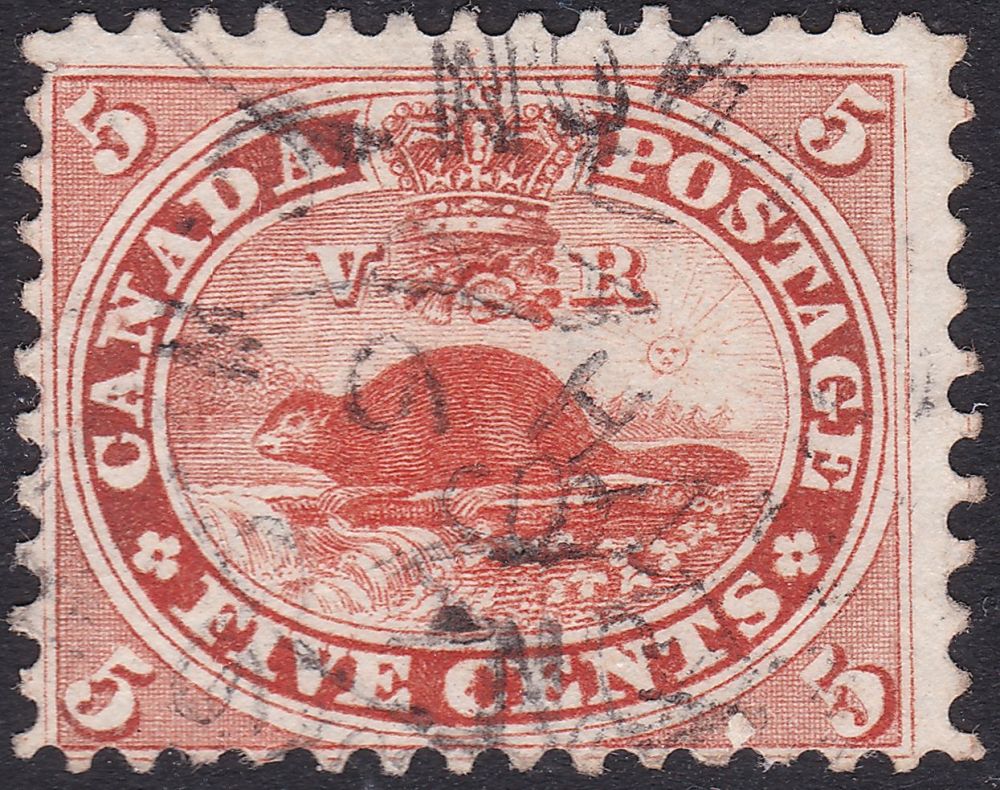
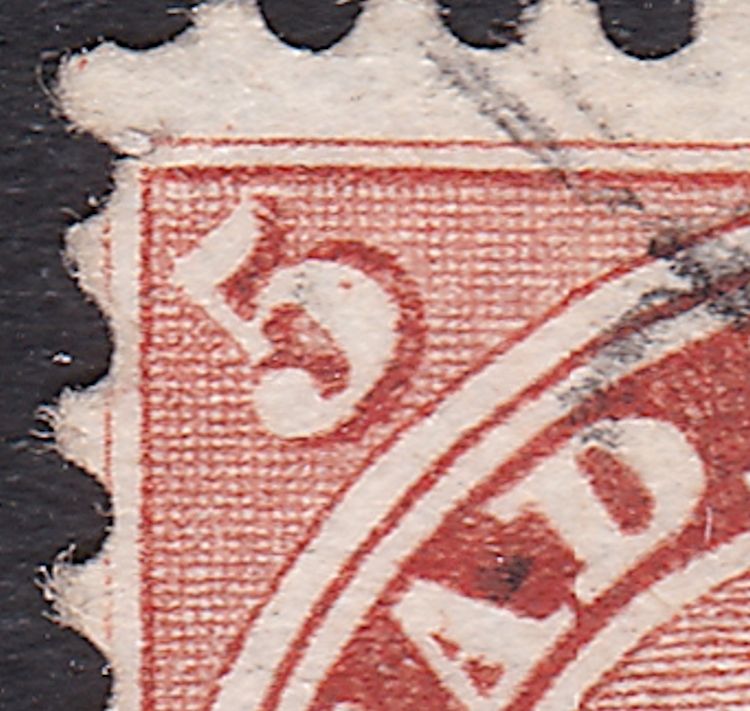
Hi guys..Picked up this Scott #15 from Dr.Jim Watt ...He brought to my attention a dot in the right flower as shown below..Check your #15 to see if you have one also. Robert 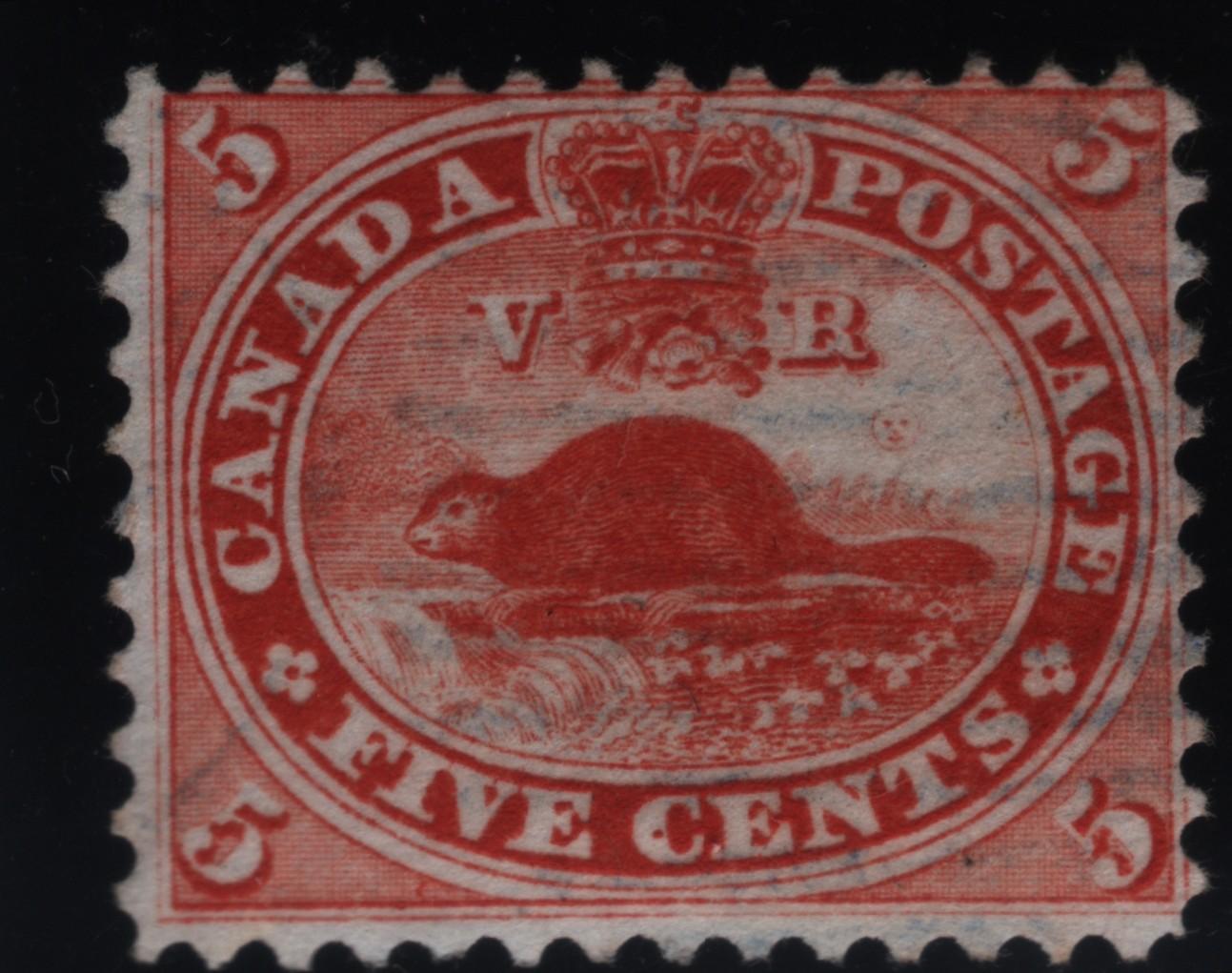 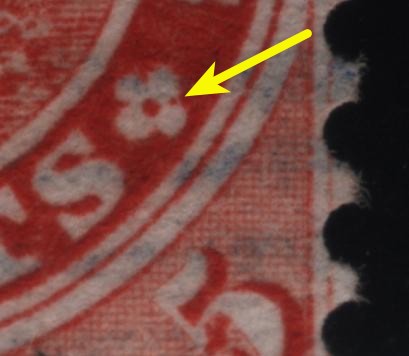 |
|
Send note to Staff
|
|
|
|
|
Valued Member
Canada
305 Posts |
|
|
Wert, the #15 beaver is well documented and most stamps can be plated. There are countless re-entries, dots, constant varieties etc. I have the book at home. Ill check it for you when I get back. |
Send note to Staff 
|
|
|
Rest in Peace
7742 Posts |
|
|
Valued Member
Canada
228 Posts |
|
|
Hi wert,
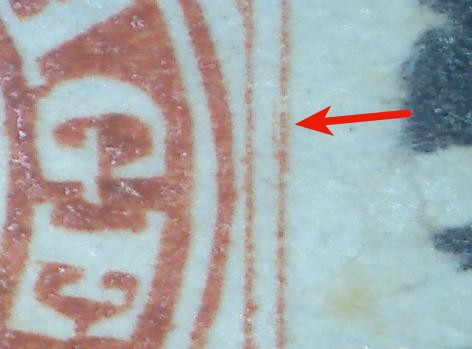
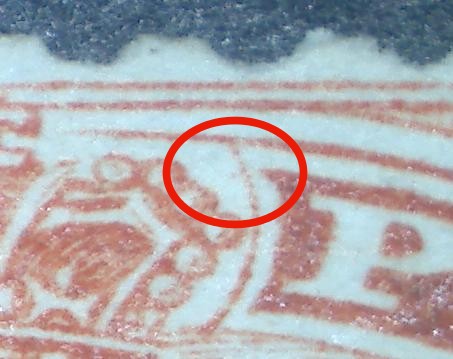
If this was a constant variety with known plate position, I think Jim would have told you what position it was. This looks to me more like a break in the red space between the petals of the flower rather than a separate red dot. In other words, the red space between the petals should extend to where the dot is on your copy. I also notice a mark in the first oval frame above (to the left of) CA of CANADA. I was not able to plate this stamp based on either of these anomalies. Could be some random ink issues that are not constant.
Let's see if Coriandre comes up with anything more conclusive. |
|
Send note to Staff
|
|
| Edited by Scottamer - 07/15/2015 03:08 am |
|
|
Pillar Of The Community
United States
728 Posts |
|
|
The dot above CA is a plate constant feature to all the stamps. There may be a little extra ink in the area of the right flower the petals appear to have a slightly irregular shape, this is probably not a constant variety. I found no mention of the pictured irregularities of the right flower in my reference books. |
|
Send note to Staff
|
| Edited by watermark - 07/15/2015 07:04 am |
|
|
Pillar Of The Community
Canada
644 Posts |
|
|
Pillar Of The Community
United States
728 Posts |
|
|
3Dadeo, Pos. 51,State 6a. THE FIVE CENTS BEAVER STAMP, Geoffrey Whitworth, The Royal Philatelic Society, London, 1985. Pg. 36. "pfs. 89d & H9012 = dots below R of VR developing during printing." Pf 89d is the dot in upper left 5. The three C dots placement is indicative of position 51. |
|
Send note to Staff
|
| Edited by watermark - 07/15/2015 11:06 am |
|
|
Pillar Of The Community
Canada
644 Posts |
|
|
Thanks watermark. I had a feeling it was plate-able, but my references for this stamps are lacking. I must get a copy of Whitworth's book.
Have you looked at the set of books by Kershaw at all? |
|
Send note to Staff
|
|
|
Pillar Of The Community
United States
728 Posts |
|
|
The two Kershaw books are great references as they have actual pictures of the stamps. The draw back is the fact he did not have pictures of every variety. I use Whitworth to make my identifications as there are many stamps referenced there that are not in Kershaw's books. I use Kershaw for verification if a picture of a variety is present in his books. There is nothing like having an actual picture or the stamp itself for a comparison. |
|
Send note to Staff
|
|
|
Valued Member
Canada
228 Posts |
|
|
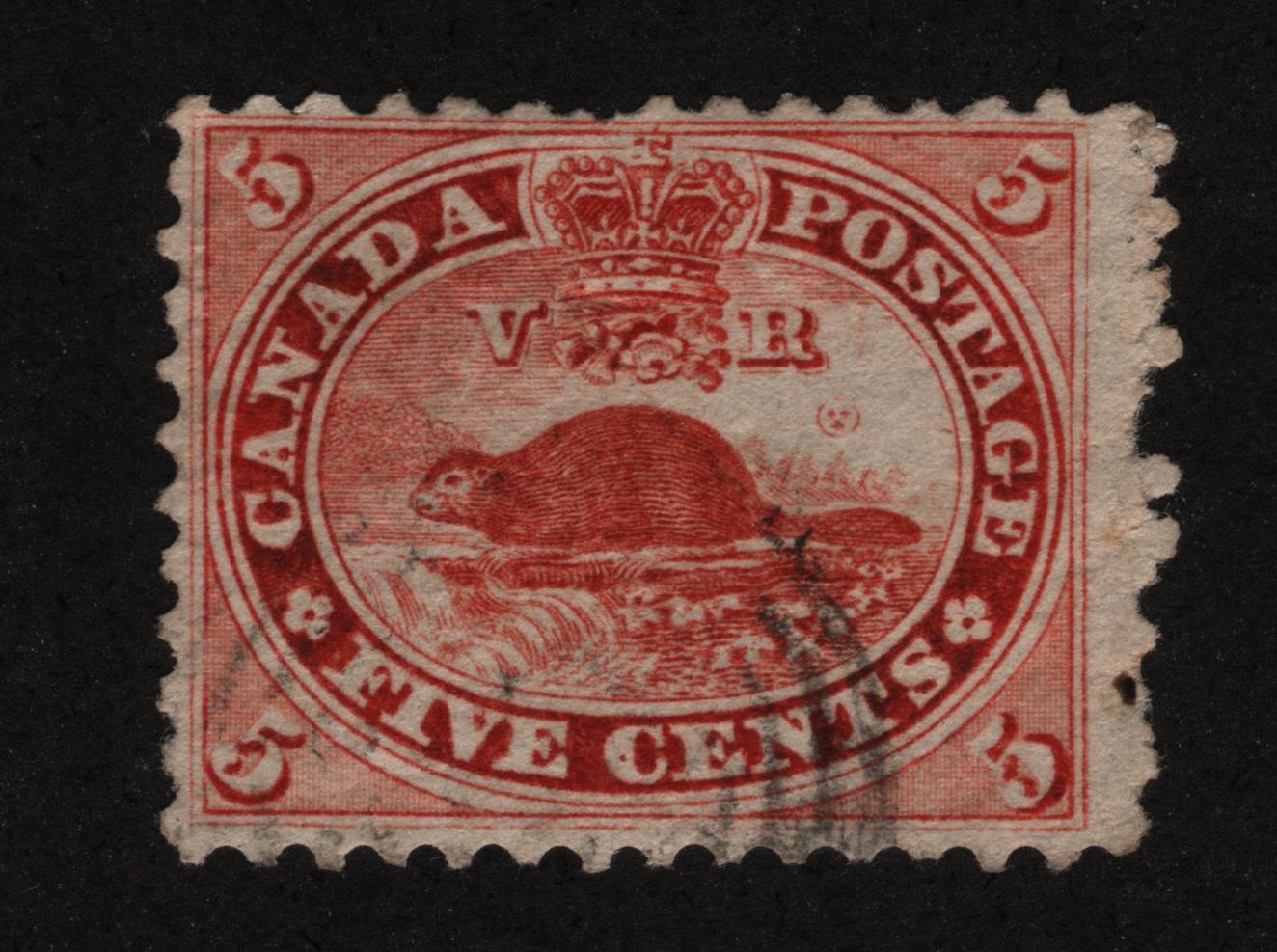
Hey watermark, agreed that there is a mark to the left of CA that is constant but it is usually just a very faint smudge and not a distinct mark like that shown on wert's stamp. Notice how faint the constant mark is on the position 51 stamp also shown here. This is much more typical of the constant mark on copies that I have examined.
Also agreed that this stamp does not seem to be plate-able based on the flower configuration and is not likely to be constant. |
|
Send note to Staff
|
|
|
|
Pillar Of The Community
United States
728 Posts |
|
|
The small dots vary a little and in some cases did not print or wore away. Constant plate features included a dot above CA, dot between Crown and top of P, dot below P, and a dot below AG. The other feature, sometimes mistakenly referred to as a re-entry, is a vertical line between the inner and outer frame lines above GE. These, if they printed, should be present on all images of the stamps. Some changed slightly or wore away with time due to plate wear or may not have printed due to poor inking. |
|
Send note to Staff
|
| Edited by watermark - 07/16/2015 10:13 am |
|
|
Valued Member
Canada
228 Posts |
|
|
Here is an image showing the various constant features that appear on most copies of this stamp as identified by watermark in his post above. A slightly higher resolution and zoomable version can be seen at FlySpecker.com at this link: http://flyspecker.com/15.html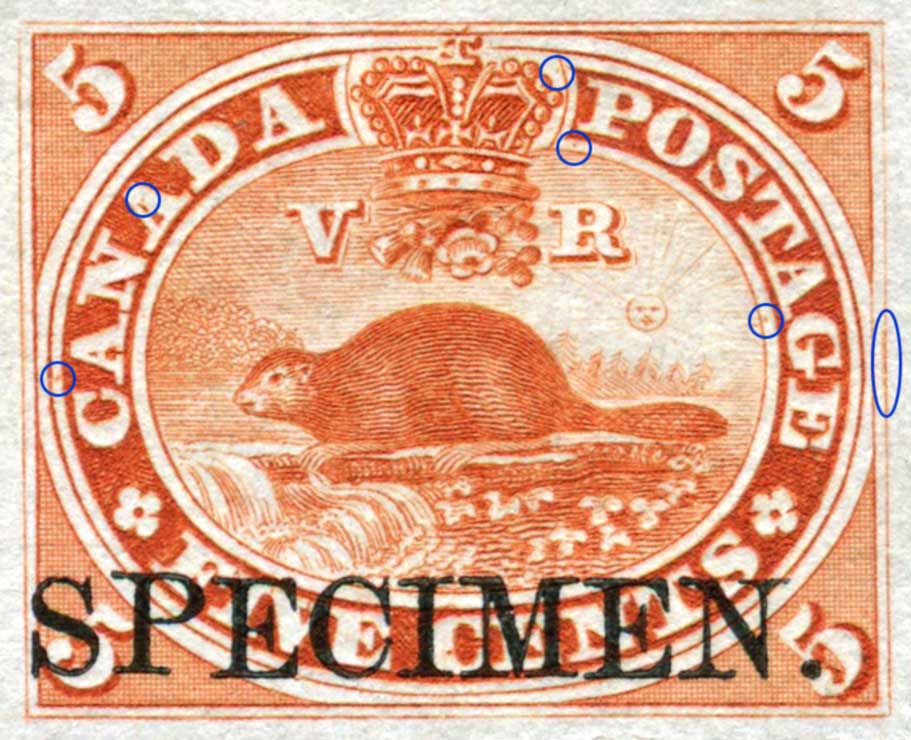 |
|
Send note to Staff
|
|
| Edited by Scottamer - 07/16/2015 5:39 pm |
|
|
Rest in Peace
7742 Posts |
|
|
Pillar Of The Community
United States
728 Posts |
|
|
Hi Scott. The four plate features I mentioned are not considered flaws. These are features that occurred or can be present on all the stamps and do not help in plating individual stamps except on a rare occasion there absence may help. Flaws are usually specific to a single position or stamp in the sheet. Flaws make it possible to plate individual stamps. |
|
Send note to Staff
|
|
|
Rest in Peace
7742 Posts |
|
|
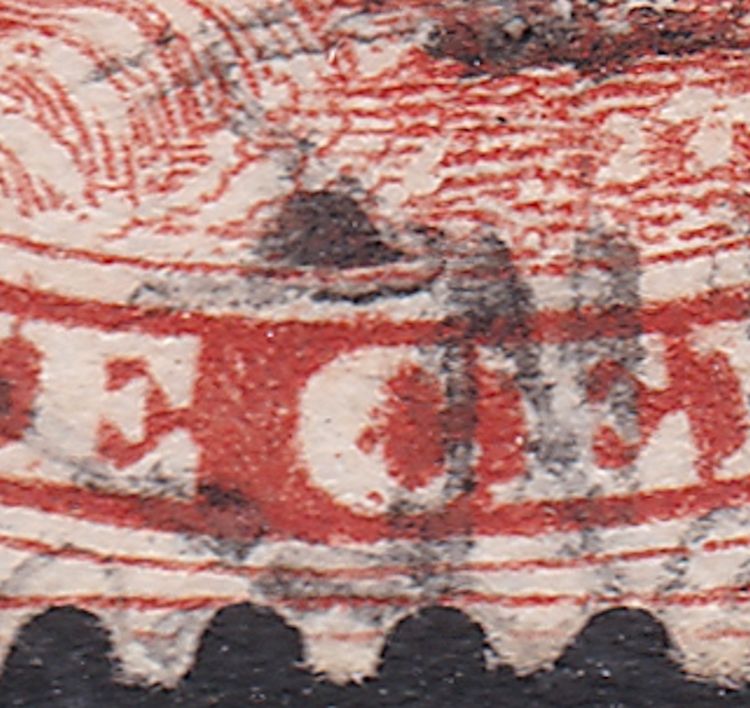
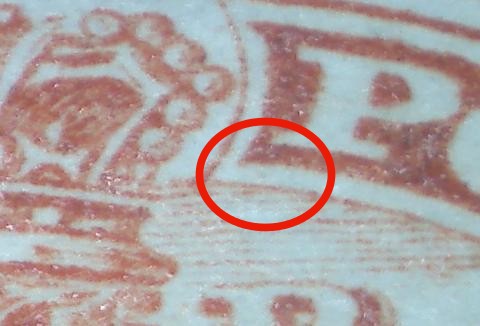
Another flaw/constant that is on this stamp is the irregular border near the crown as shown by my picture..sorry about the flyspecking. Robert 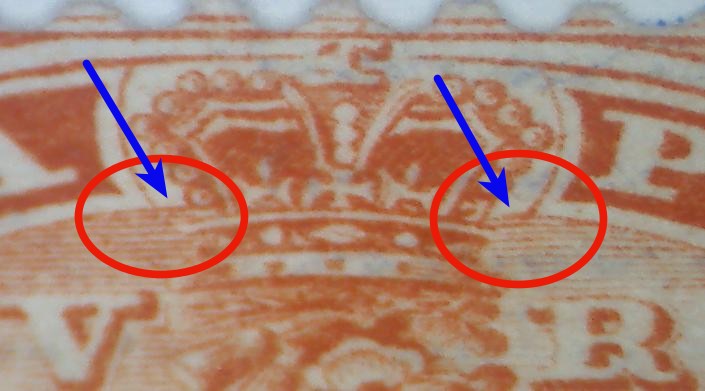 |
|
Send note to Staff
|
|
|
Pillar Of The Community
United States
728 Posts |
|
|
Hi Wert, These flaws or constants you mention near the crown are part of the original stamp design. These are normal and frequently found on engraved stamps of this period. The constant plate features were introduced to the design by a double entry on the transfer roll, if I am not mistaken, that is why they are plate features. Some of these may disappear over time either from wear or breaking off. Plate flaws are introduced by other factors and are constant for specific positions on the plate. These could be flaws, re-entries, or misplaced entries to name a few. |
|
Send note to Staff
|
|
|
Replies: 47 / Views: 6,338 |
|




 Posted 07/13/2015 10:49 pm