| Author |
 Replies: 13 / Views: 2,036 Replies: 13 / Views: 2,036 |
|
|
Pillar Of The Community
United States
6487 Posts |
|
|
Two of my examples of R6c with the T5 major double transfer had become sulpherized, so I decided to apply hydrogen peroxide with a water rinse. The results turned out very well. Before: 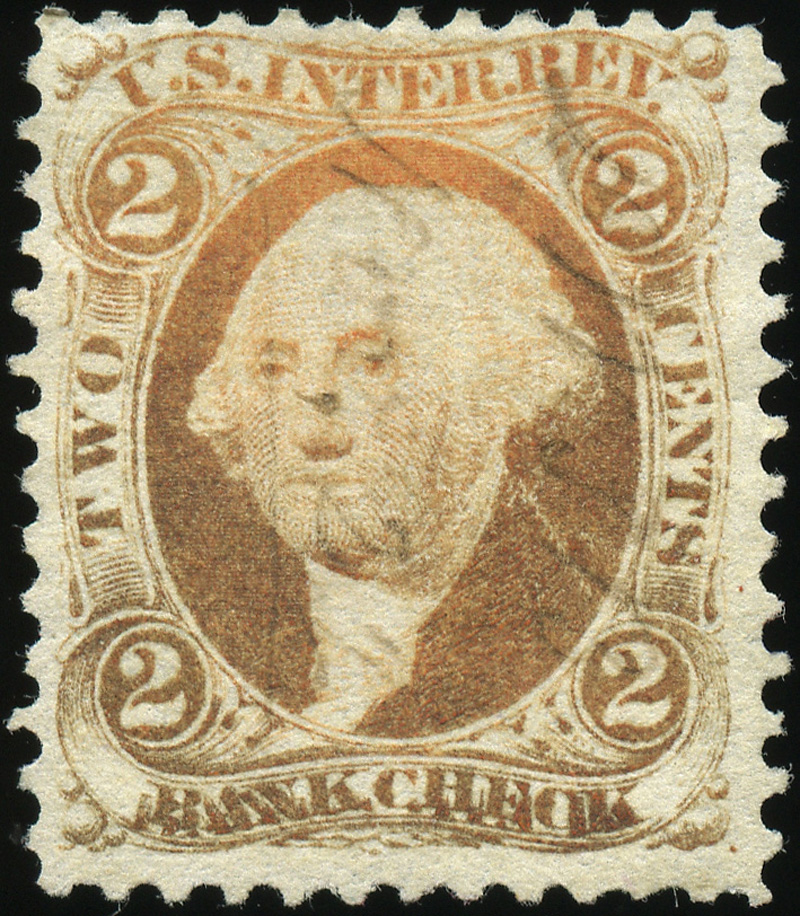 After: 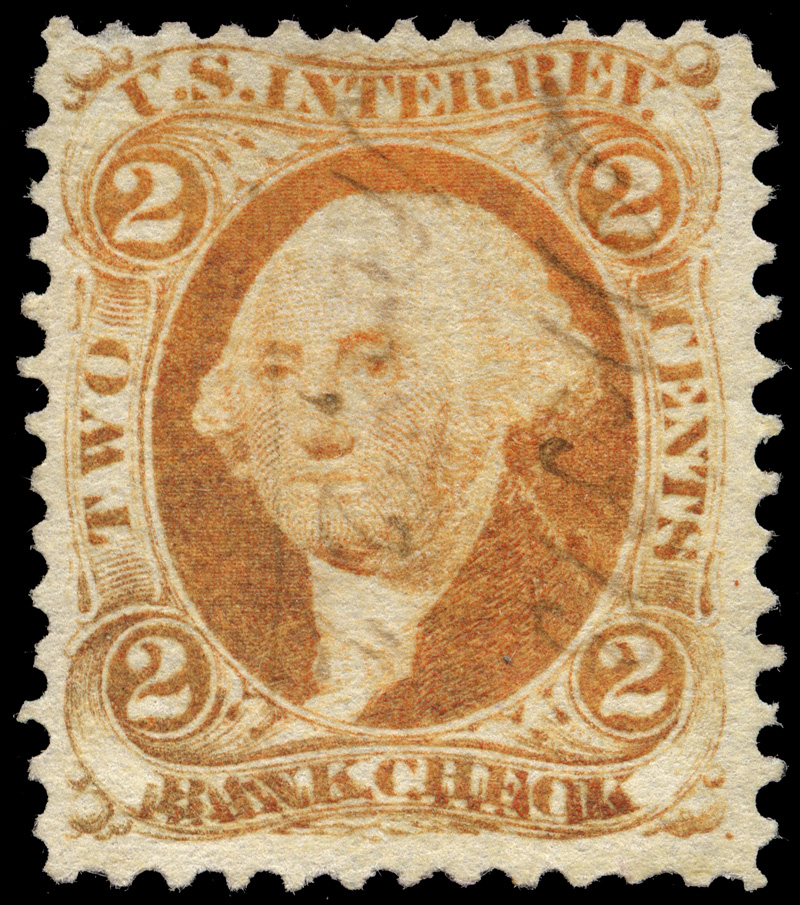 Before: 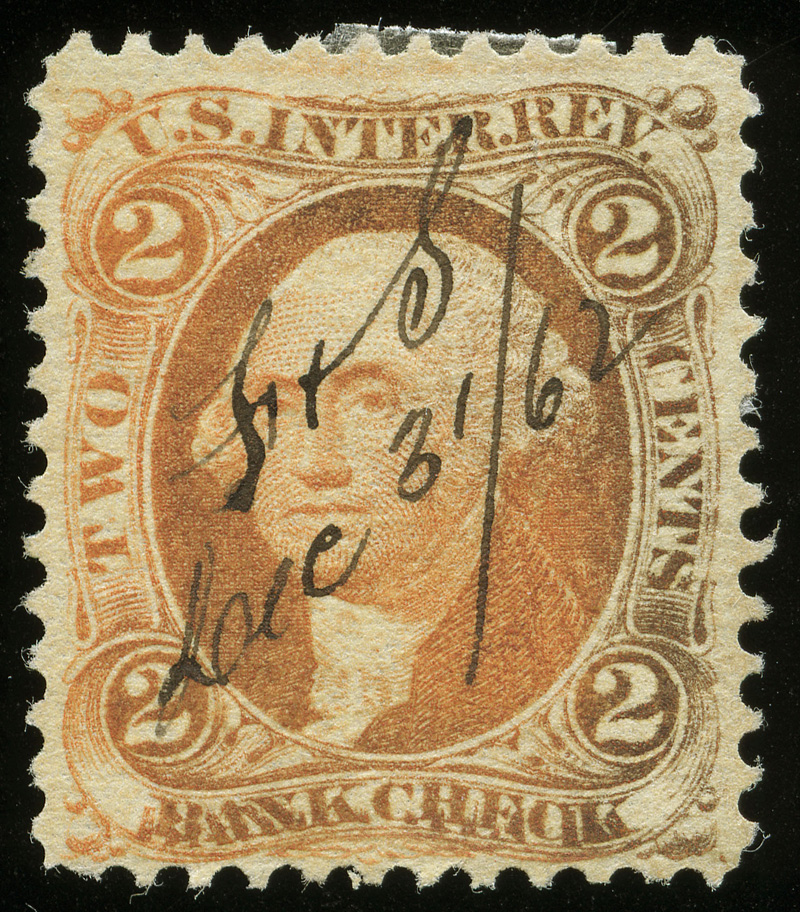 After: 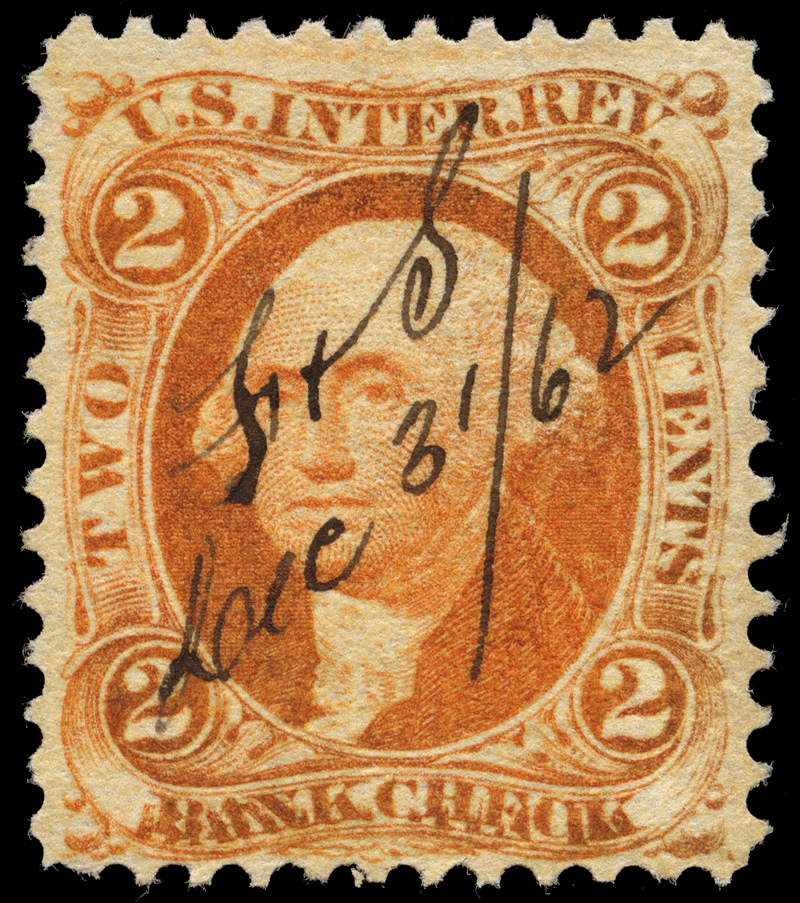 These go well with my newest acquisition: 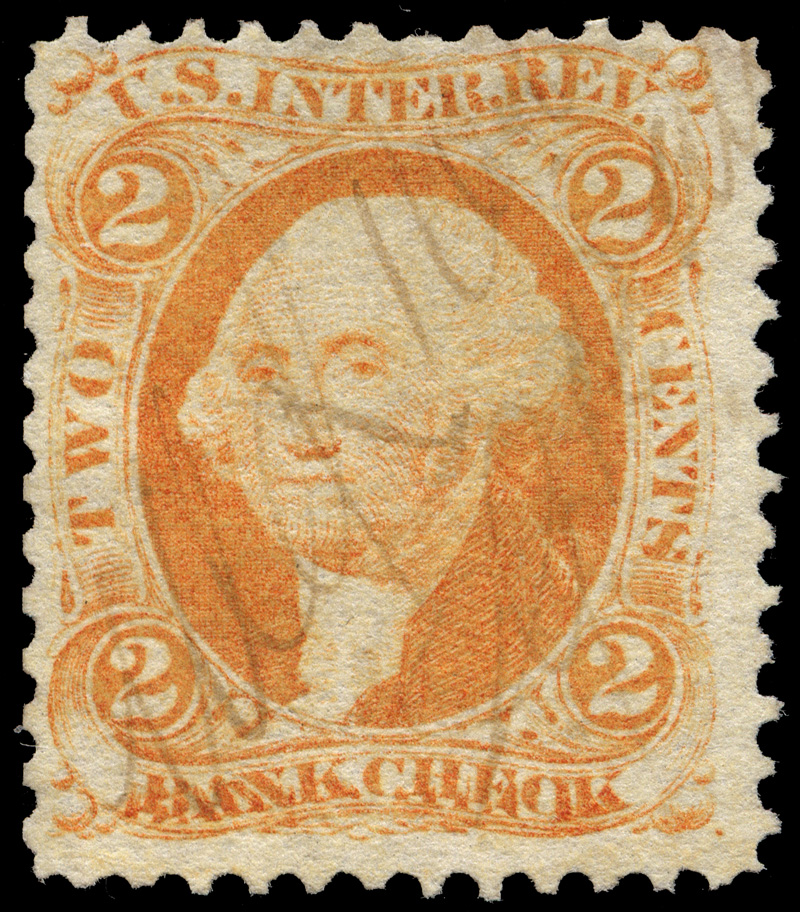 |
|
Send note to Staff
|
|
| Edited by revenuecollector - 08/02/2015 01:10 am |
|
|
|
|
Pillar Of The Community
United States
1614 Posts |
|
|
Pillar Of The Community

United States
856 Posts |
|
|
Very impressive. And inspiring. I have a few candidates for the peroxide treatment, which I've been meaning to try. |
Send note to Staff 
|
|
|
Pillar Of The Community
Norway
1661 Posts |
|
|
Wow - what a difference it makes! The 'bad and ugly' turned up to be good in the end. I'll need to try this |
|
Send note to Staff
|
|
|
Pillar Of The Community
United States
8956 Posts |
|
|
The peroxide treatment worked great, but wow! What a double transfer! And that one is a new one?
Peter |
|
Send note to Staff
|
|
|
Pillar Of The Community
United States
6487 Posts |
|
|
Not new as in a new variety, but new acquisition. All three are the same double transfer. |
|
Send note to Staff
|
|
|
|
Valued Member
378 Posts |
|
|
Impressive. I know there have been threads in the past on using hydrogen peroxide, but would you mind sharing exactly what you did (or which "recipe" you followed)? |
|
Send note to Staff
|
|
|
Pillar Of The Community
United States
6487 Posts |
|
|
Q-tip dipped in hydrogen peroxide, blotted, and then gently rolled or swabbed across the face of the stamp. Then a soak in warm water to neutralize. |
|
Send note to Staff
|
|
|
|
Bedrock Of The Community
United States
10888 Posts |
|
|
Although issued in almost the same quantities, for some reason the orange DT is much less common than the perforated blue bank check DT. |
|
Send note to Staff
|
|
|
Pillar Of The Community
United States
856 Posts |
|
|
Another method: Quote:
The product used to remove [sulphurization] from stamps is common 3% Solution of Hydrogen Peroxide (or simply "Peroxide") which is usually used as an antiseptic to avoid infection in minor cuts and bruises. Simply place your affected stamp in a glass tray or dish then cover it with peroxide. Allow the stamp to soak in the peroxide for approximately 60 seconds, but while it is immersed in the peroxide, swish the stamp around gently to aid exposing all of it to the fluid. While in the peroxide observe the stamp often to see if the brown color is being removed and as soon as it is, or after about 60 seconds, remove it and rinse it under lukewarm gently-running water from a sink tap. The goal is to remove any trace of the peroxide from the stamp.
After this step, press out any excess water using a blotter or absorbent cardboard, and then press the stamp until dry. I place it in a commercially available White Ace small stamp press, removing it after a day or two. If the peroxide treatment worked, your stamp should now be restored to its original color. Note that the peroxide treatment does not always work, but it is usually successful and definitely worth trying.
Of course this can only be used for USED stamps, as the peroxide will remove gum. This is cut-and-pasted from Bill Weiss's web page. |
|
Send note to Staff
|
|
|
Valued Member
United States
466 Posts |
|
|
This is pretty cool and I like double transfers. Quite doubled! Is it technically correct these are actually shifted transfers, even though the catalogs generally say doubled?
SCF members interested should keyword search peroxide, a technique of creating an air chamber with a peroxide soaked sponge and the stamp suspended above it is interesting, and works on mint stamps if done carefully. |
|
Send note to Staff
|
|
|
New Member
4 Posts |
|
|
Bedrock Of The Community
United States
10888 Posts |
|
|
"Shifted" vs. "double" depends a lot on what time period and what location one is discussing. In the US today the phrase is usually "double transfer", although 80 or 90 years ago "shifted transfer" was frequently used. In other countries "shifted transfer" is still used. A double transfer this big has to have been created by a mistake in the original layout, so it really should not be a "shifted transfer" since it is really a doubling of that part of the design. Many smaller DT's are caused by twists or slips during the rocking in process, and "shifted transfer" might work a bit better on those. I don't think it makes a whole lot of difference really. |
|
Send note to Staff
|
|
|
Pillar Of The Community
United States
2830 Posts |
|
|
There are actually several methods where peroxide can be used on mint stamps. This is something I have practiced extensively. No method is either 100% effective or 100% fail safe, but I've probably been successful 95% of the time. From time to time I have damaged the gum of a stamp, but fortunately not one with very high catalog value. |
|
Send note to Staff
|
|
| |
Replies: 13 / Views: 2,036 |
|




 Posted 08/02/2015 01:09 am





