| Author |
 Replies: 16 / Views: 15,558 Replies: 16 / Views: 15,558 |
|
Pillar Of The Community
571 Posts |
|
|
|
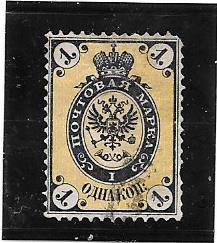
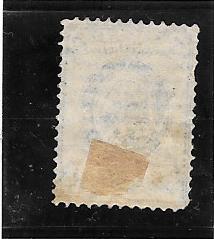
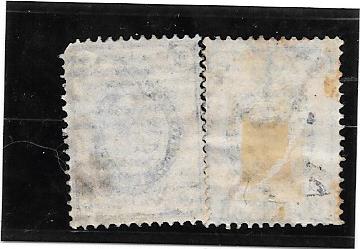
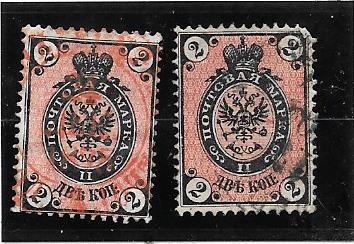
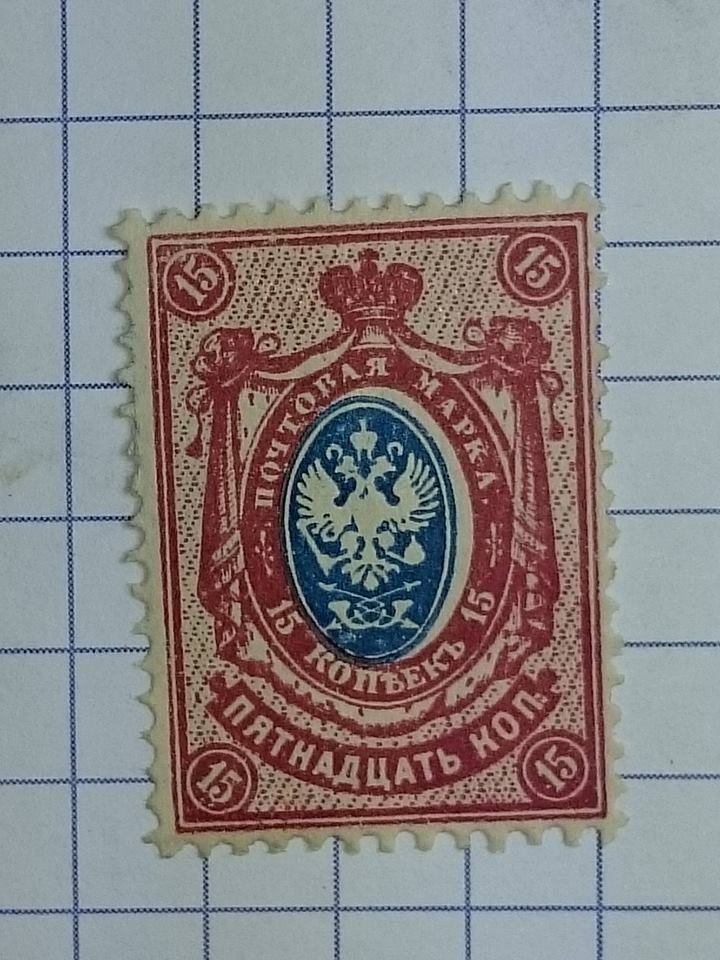
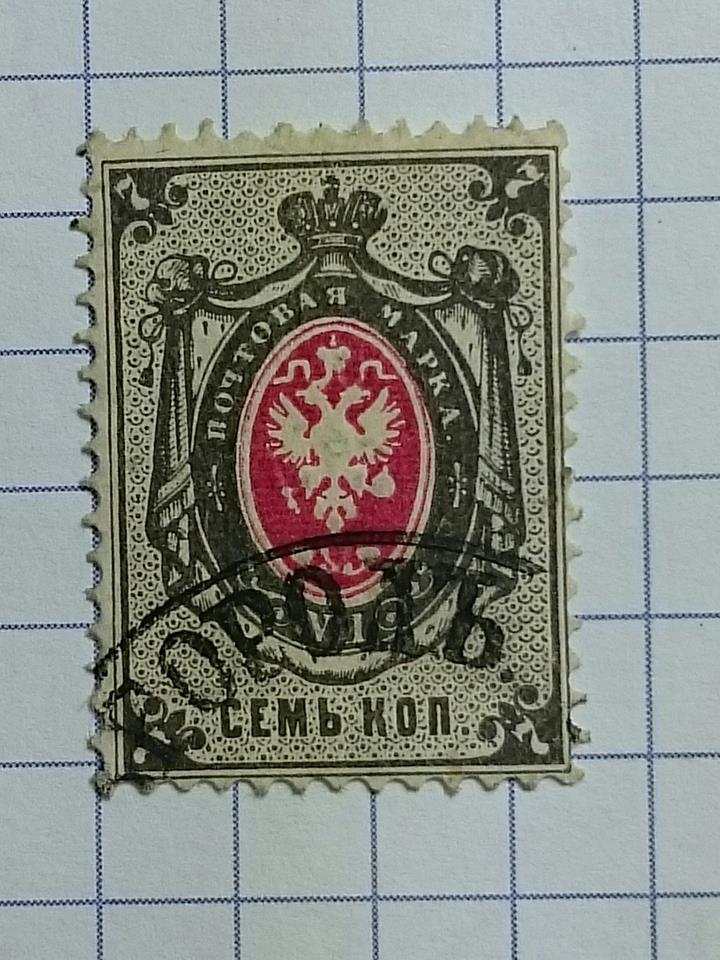
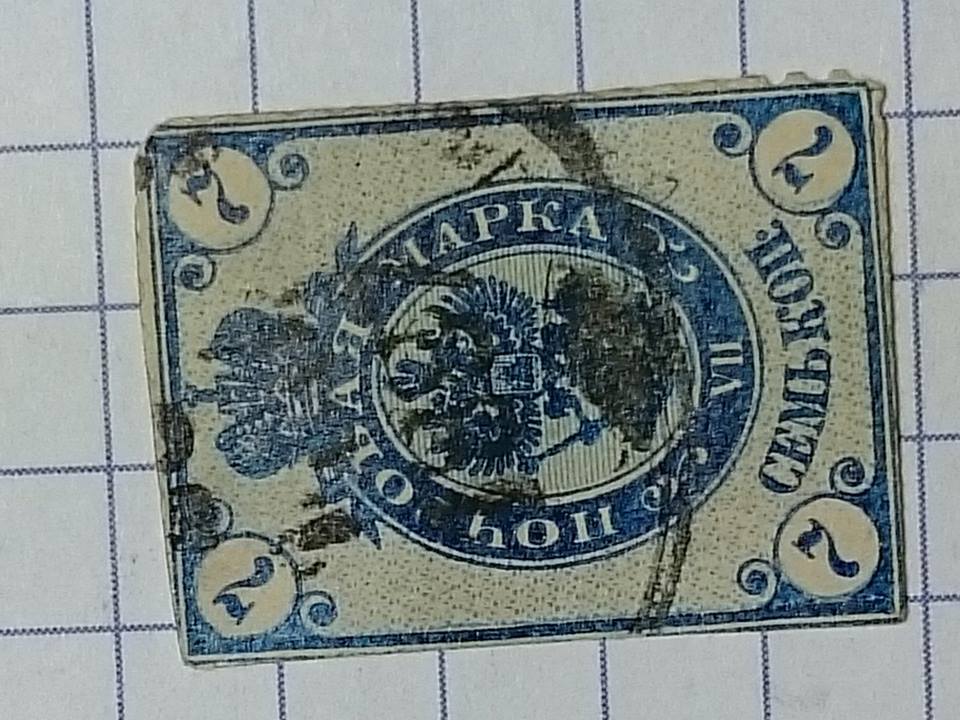
These are three used Russian stamps recently purchased. The 1866 1k black and yellow on horizontally laid paper, used, and 1875 (2) 2k black and red horizontally laid paper used including one of them with red cancellation on topic of front view of stamp.
The question I would like to ask is the following: Would any of these three Russian Empire used stamps be considered to have the "ground work inverted?"
Any information would be helpful. Thank you in advance.
Blazenstar
|
|
Send note to Staff
|
|
|
|
|
Pillar Of The Community
571 Posts |
|
|
Pillar Of The Community
United States
7104 Posts |
|
|
Here is an excerpt from a post of mine from 2011. This is the best "inverted background" information I've seen: Quote:While we sort that out, Rod, you might want to take a look at this October, 1961 issue of The Post Horn from the Scandinavian Collectors Club. The first article deals with the Finnish 10p inverted background of 1906, with clear pictures and explanation for that issue. Granted, it is a different design, so I'm not sure much of this would translate to your particular Russian question, but it is interesting reading, in any event. http://posthorn.scc-online.org/volume_18-4.pdf |
Send note to Staff 
|
|
|
Pillar Of The Community
571 Posts |
|
|
Thank you Cjd..wonderful and very informative. love learning about markings. I have been checking other sites to see if could get more information pertaining inverted stamp markings. Could it be due to the writing, or a specific manner of the scrolls or missing posthorns or in another direction than the normal stamp is placed ect?
I have read that the following have a possibility of inverted/ groundwork can be with these stamps From Russia Scott 19-38 other than being the normal stamp.
1866-70, Horizontal laid paper 1k black and yellow, 3k black and dark green.( V's in groundwork which is an error), 10k brown and blue, (center inverted)
1875-82, Horizontally laid paper,2k black and red, 7k, center inverted, 10 k brown and blue can have (center inverted), 20 k blue and orange can have (center inverted).
1883-66 Horizontally Laid paper, 1k orange,2k dark green, 3k carmine, 5c red violet, 14k blue and and rose with possibility of a (center inverted).
With Thunderbolts Across Posthorns: 1889 4k rose, 1889-9k,2k green,5k red violet (ground work omitted), 7k dark blue, (groundwork inverted and ground work omitted as possibilities), 14k blue and rose, (center inverted)
1902-5, Vertically laid paper, 1k orange,2k yellow green, 3k rose, 4k red rose, 5k red violet, 7k dark blue, 10k dark blue, 14 k blue and rose, (center inverted).
With all the stamps above between Scott 19-38, it would be interesting to know what is the groundwork difference from a normal stamp to help identify. It makes a huge difference for values from a normal stamp.
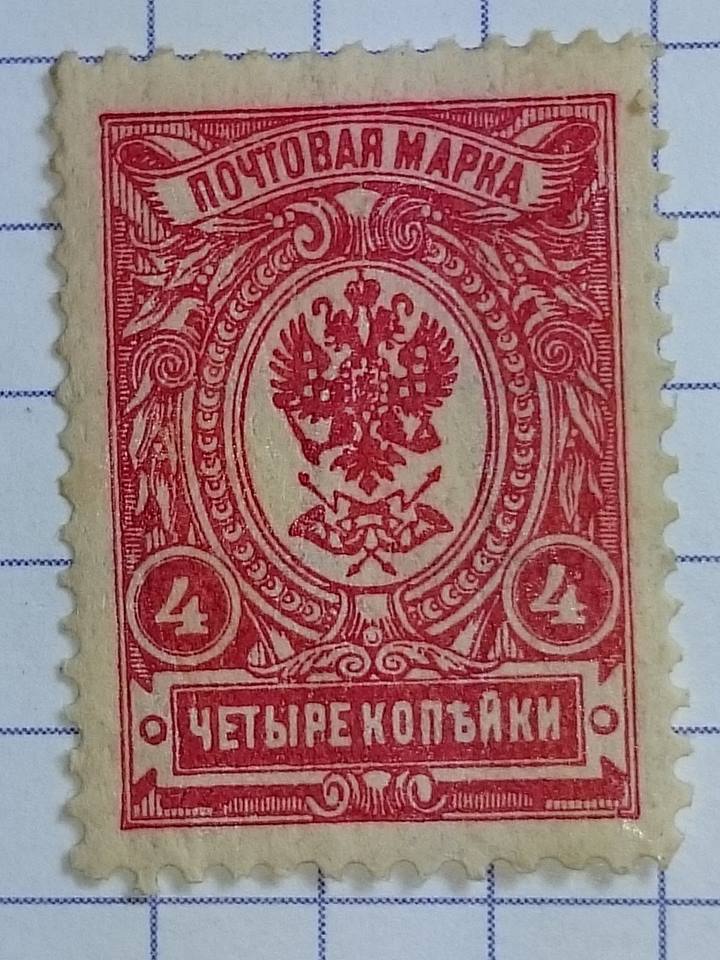
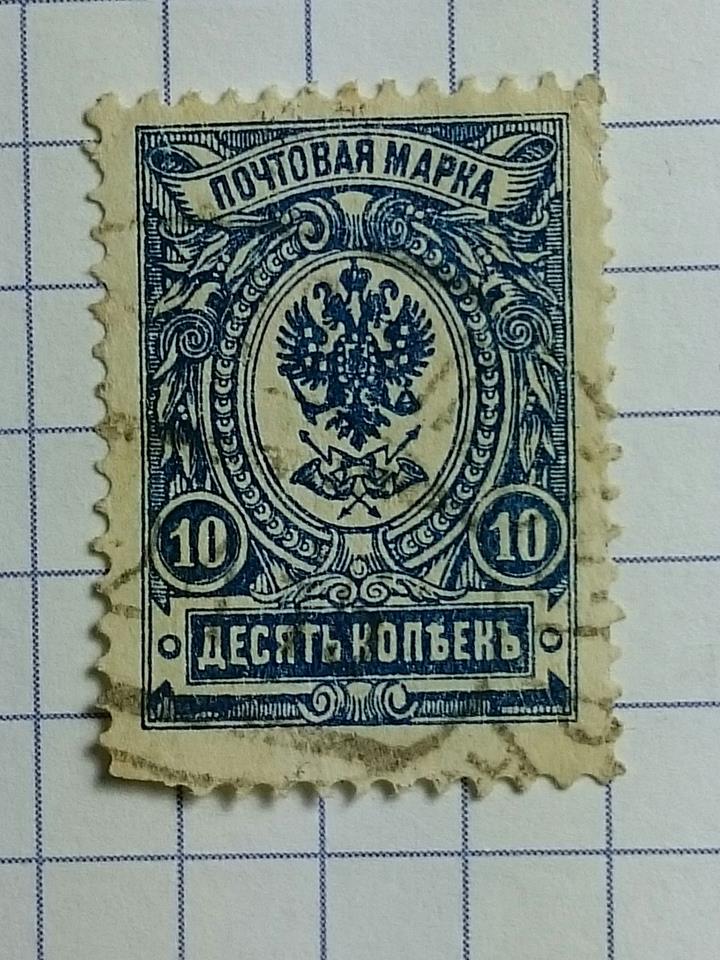
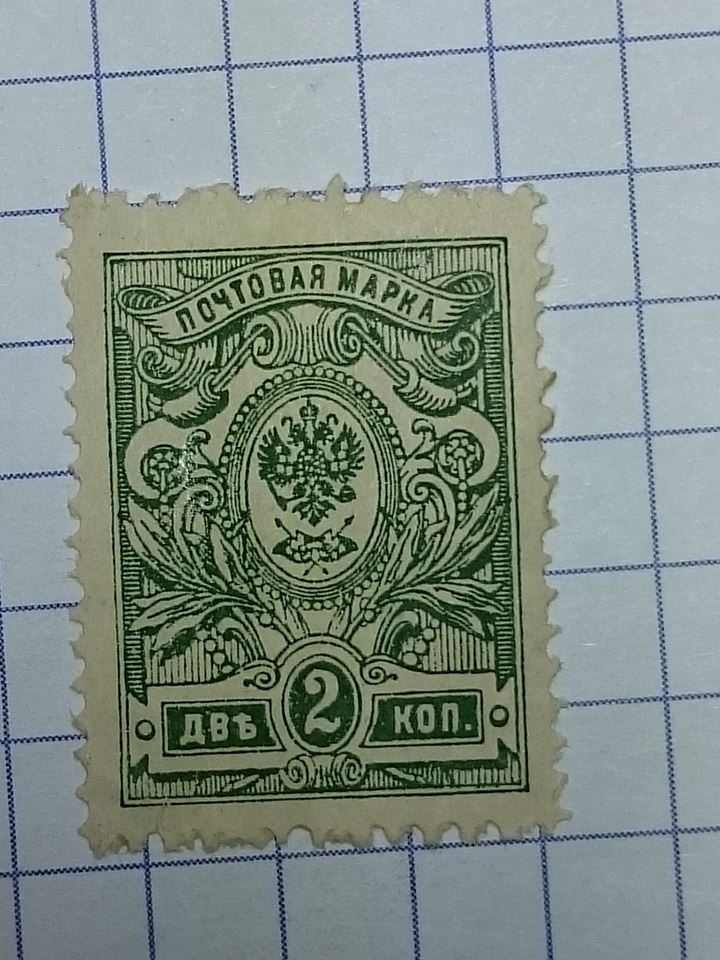
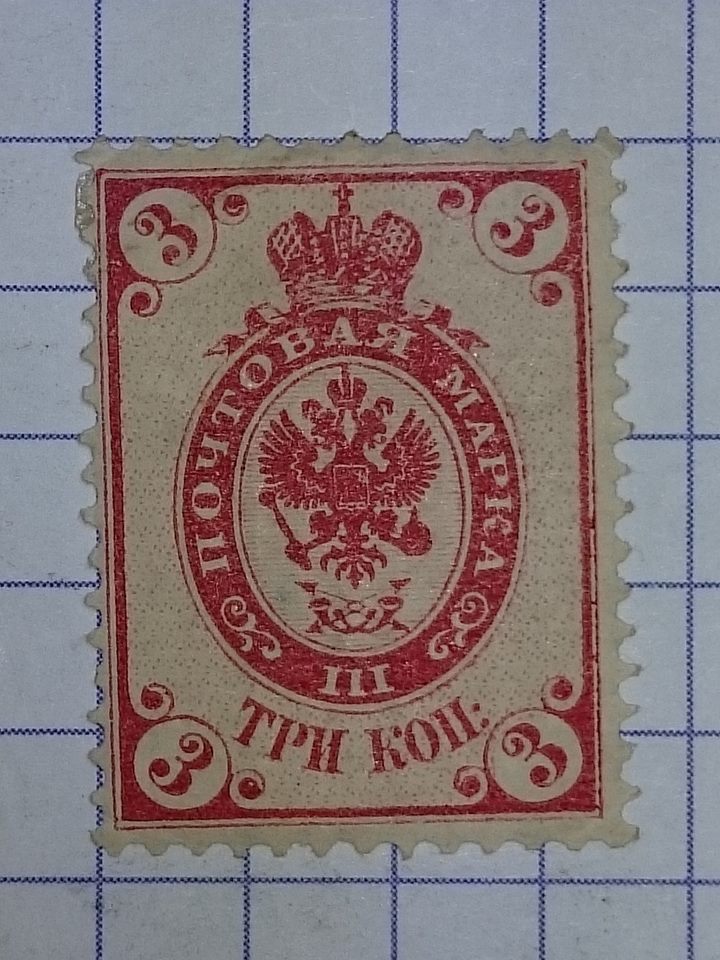
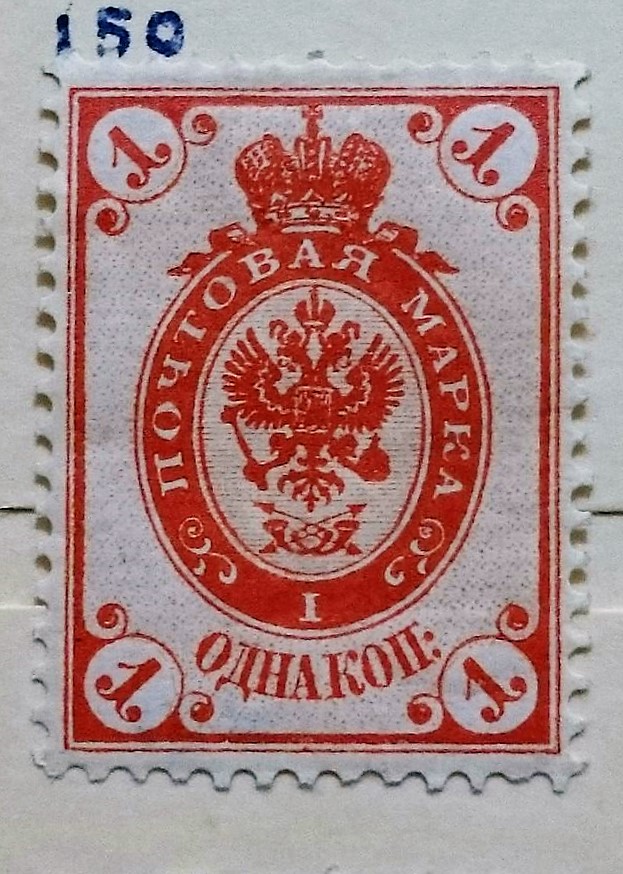
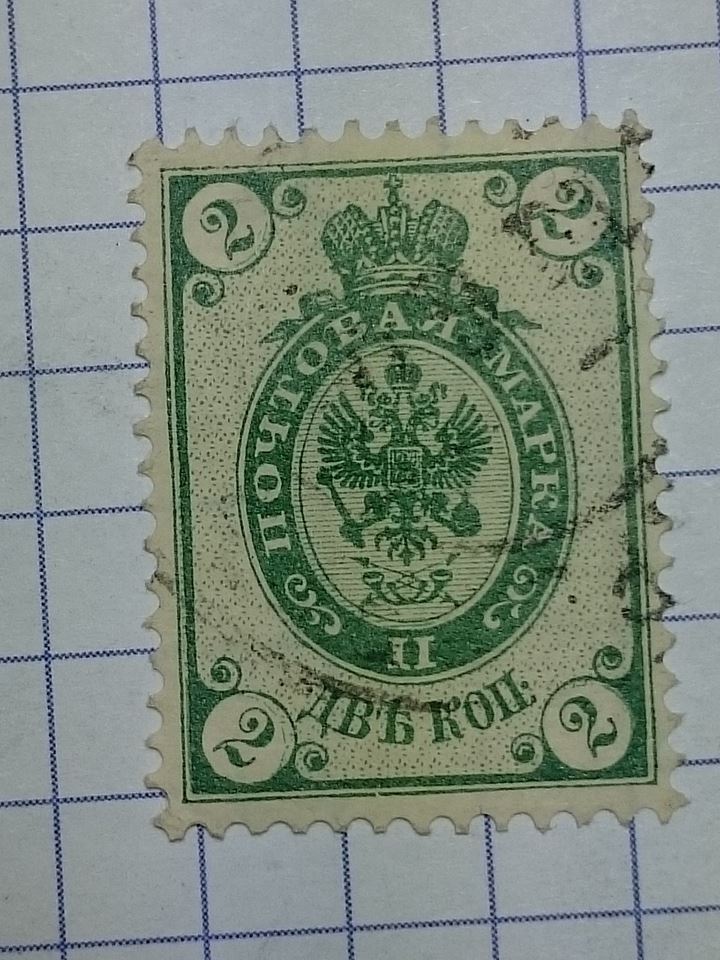
With the above stamps shown in picture,
Not sure if with the 1875- 82 2k black and red, Horizontal laid paper without watermark if makes a difference with the position with the background with the (2) and (11)'s ect in the red area for a ground work inverted. It is very difficult to see with scan the backgrounds and usually have to view under scope. It is with numbers in it, not just color.In Scotts, doesn't specify anything about these matters.
If anyone has information on this, would appreciate input of comment or references to look up to read.
It was very interesting to learn about the 10k red rose from Finland and the slight change to tell the difference between an normal vs inverted. Appreciate your information so much.
Thank you again, Cjd for sharing your linkage with all of us. Have a wonderful day!
Blazenstar
|
|
Send note to Staff
|
|
|
Pillar Of The Community
United States
8956 Posts |
|
|
Blazenstar, I have read an article on this somewhere. I will try and find it if I can. In the meantime, there is probably no way we can tell anything about the background unless you blow the pictures up really good!
I tried enlarging the red ones and they seem normal. In other words, they SEEM to be normal, but the enlargement was blurry. On the yellow stamp I could not tell any detail at all!
Peter |
|
Send note to Staff
|
|
|
Pillar Of The Community
571 Posts |
|
|
Thank you Peter. I agree with you,that the stamps are difficult to view about background with the scans especially with the stringent details required to tell the difference of a normal vs inverted groundwork stamp.
I just found some truly fantastic information about groundworks inverted pertaining to Russian Imperial stamps. I don't know if this is what you may have read in past.
It was on Stampboard, posted Tuesday May 31,2001 with a gentleman screenname, Vasia. The information he provided was fabulous! He had photographs and explained in such specific details what exactly to look for with the inverts/ ground works.
He showed a 3k in photos and others for specific markings. I was so excited to read his information. His comments had answered my question. The 2's in the Scott Russian 26 background red and black the stamp was groundwork was upside down position. So, it does make a difference when viewing it for groundwork inverted.
Those above just appear to be normal stamps compared to the illustrated pictures he had. I am so happy with the information that I get to know the difference what to look for on my adventures! Thank you for your assistance, Peter! smiles
Blazenstar
|
|
Send note to Staff
|
|
|
Pillar Of The Community
United States
8956 Posts |
|
|
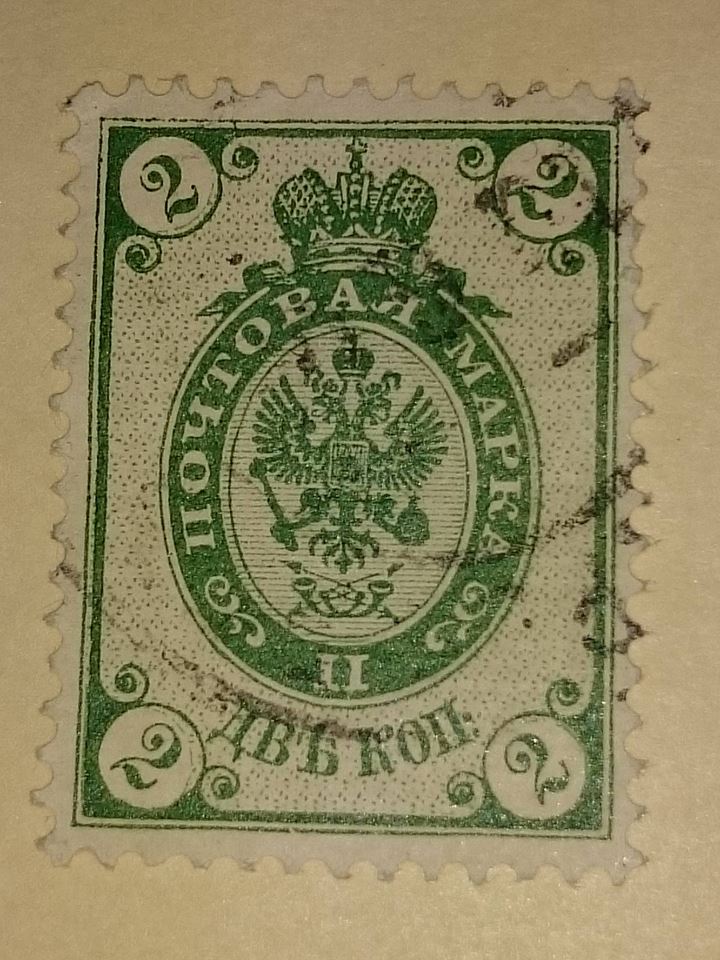
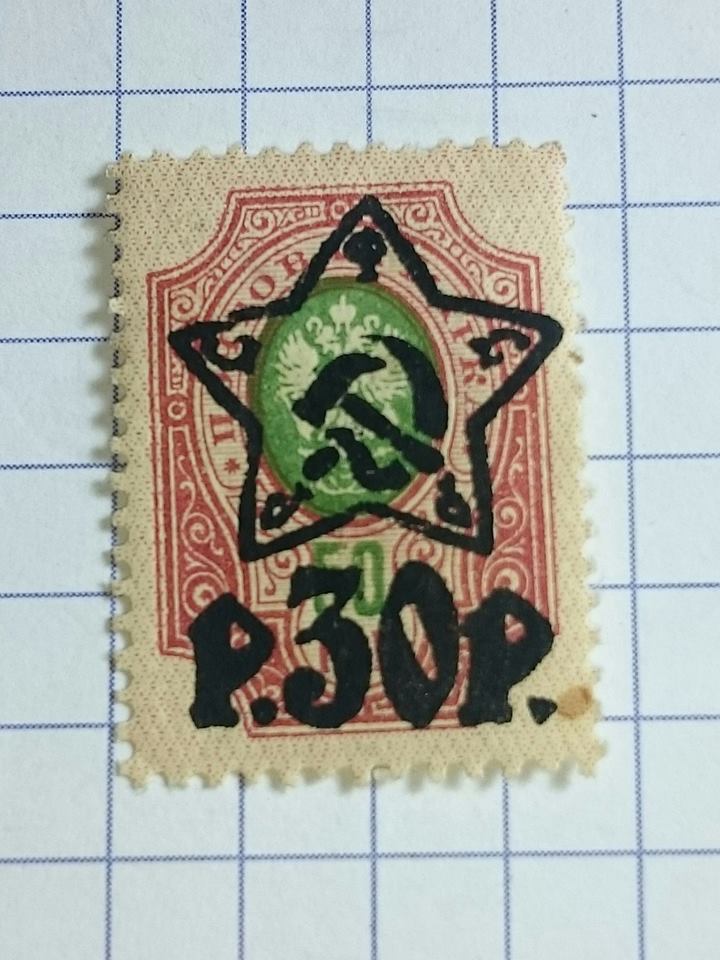
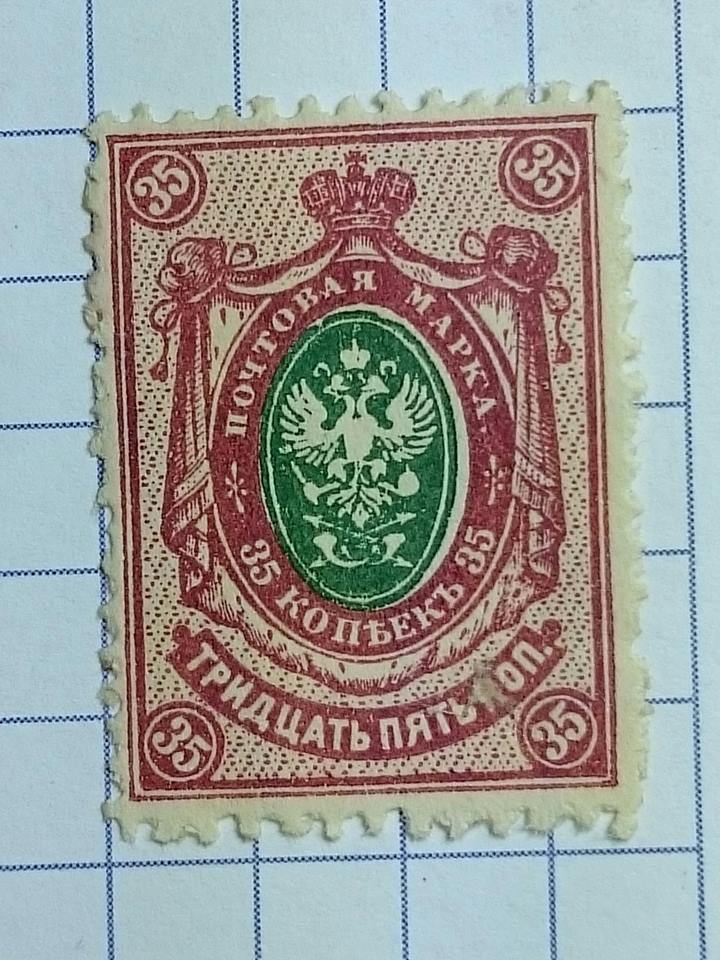
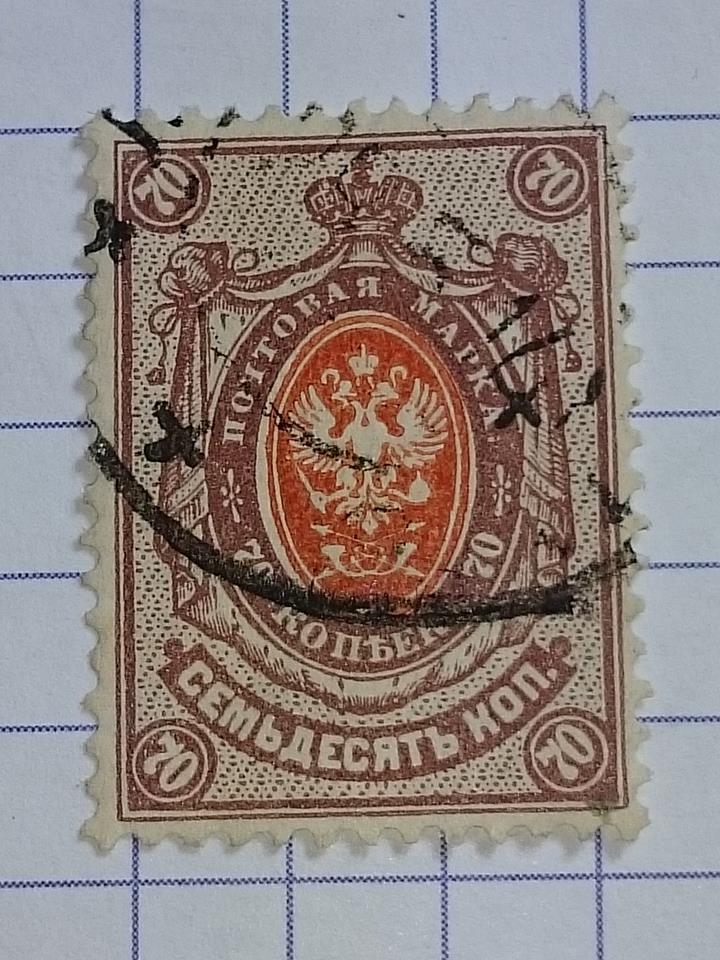
Hi Farazdak, and welcome to this forum. I an afraid I can really not tell much about your stamp because it is very much out of focus. But if I squint my eyes, it looks as if all is normal. If you could please post a scan or an in-focus picture, maybe we can tell better.
Peter |
|
Send note to Staff
|
|
|
Valued Member
Iraq
10 Posts |
|
|
Pillar Of The Community
France, Metropolitan
3756 Posts |
|
|
Pillar Of The Community
United States
8956 Posts |
|
|
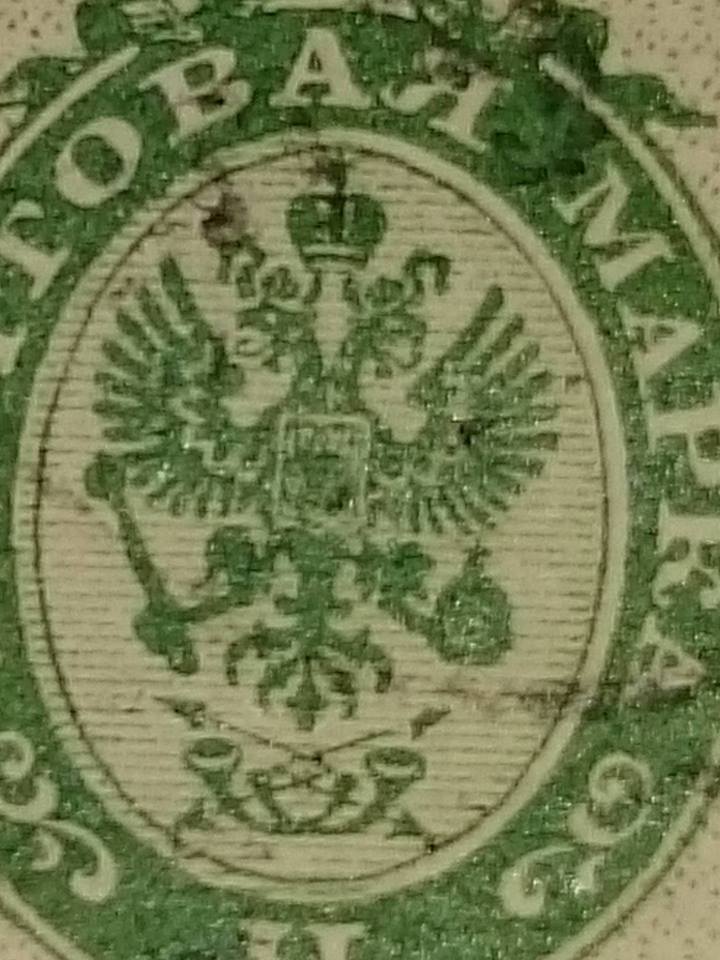
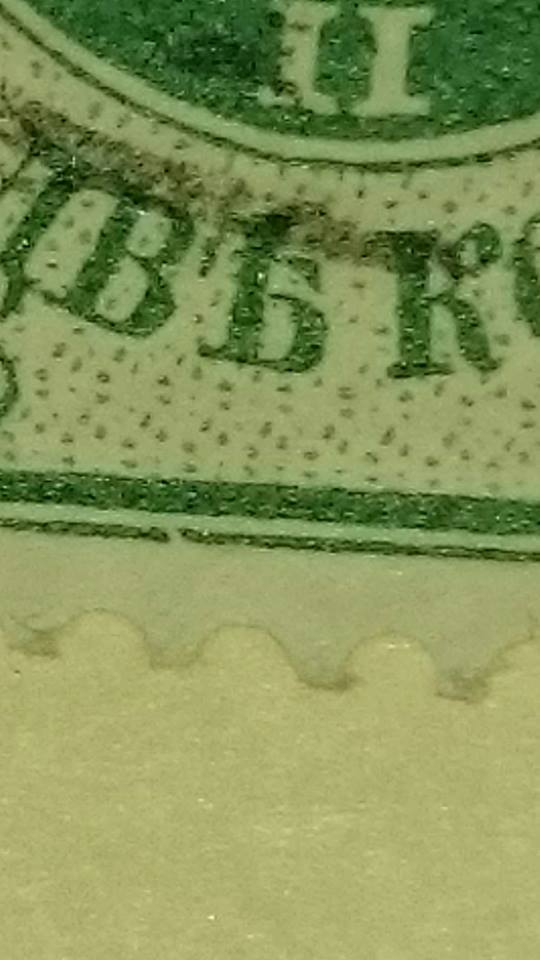
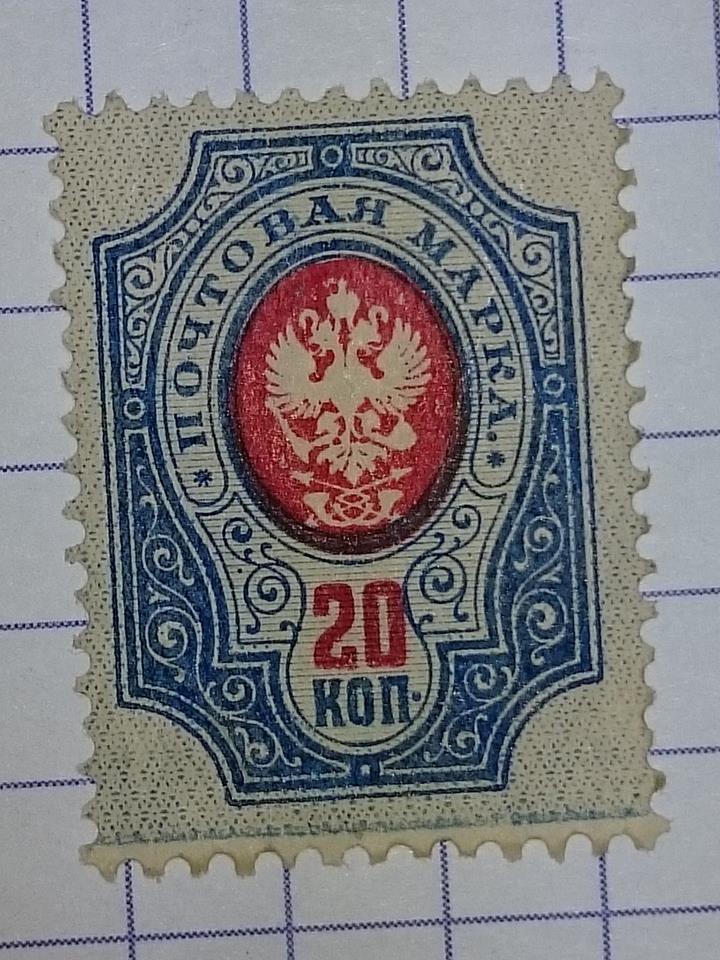
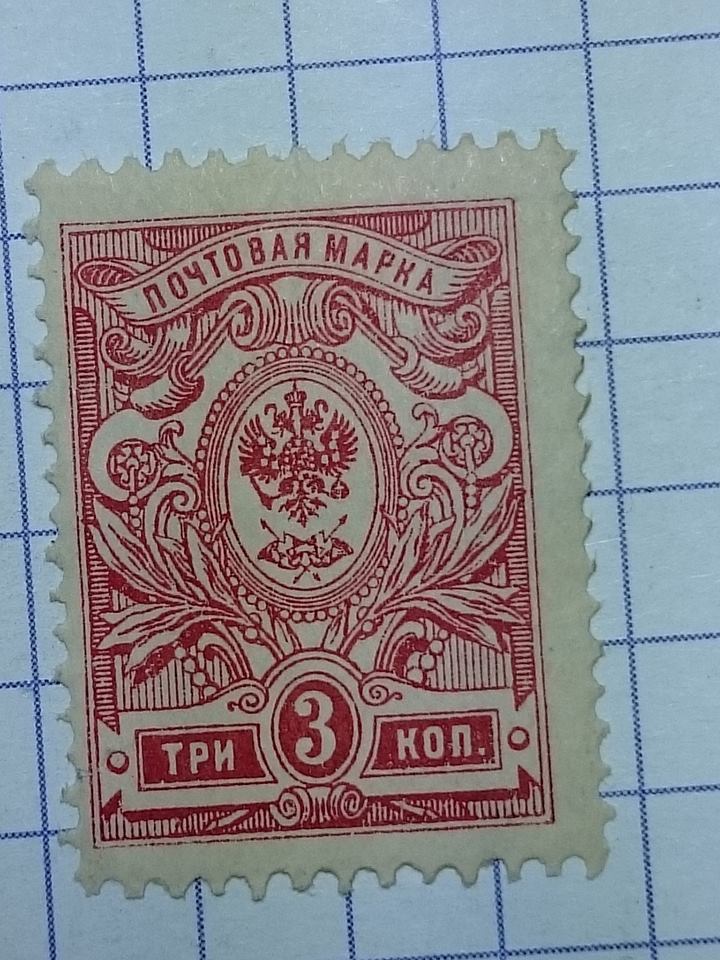
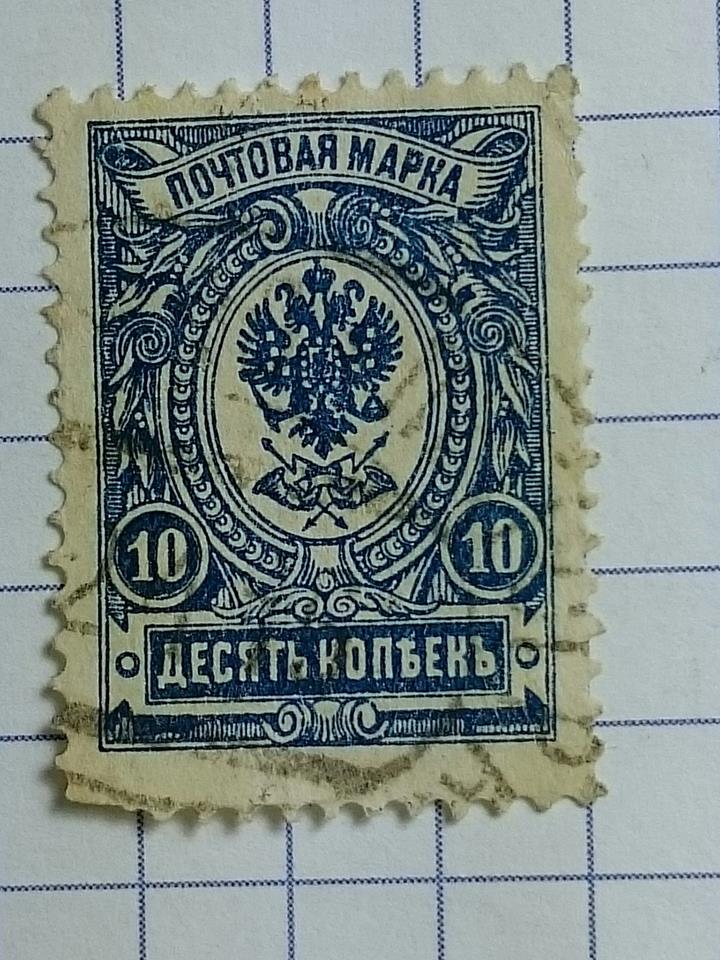
Hi Farazdak, much better pictures. The two items you call errors are just a questions of inking in my opinion.
Like a small piece of dirt on the plate or maybe even a lack of ink.
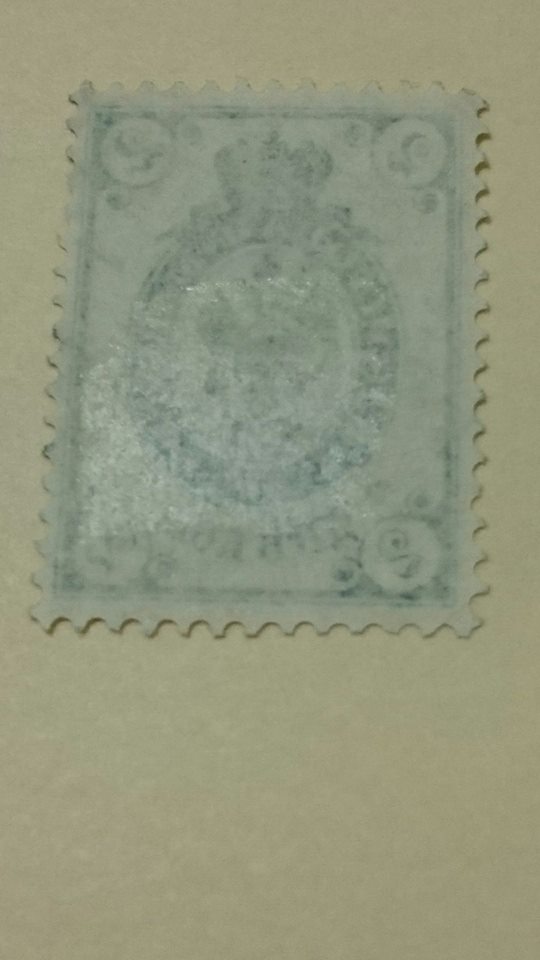
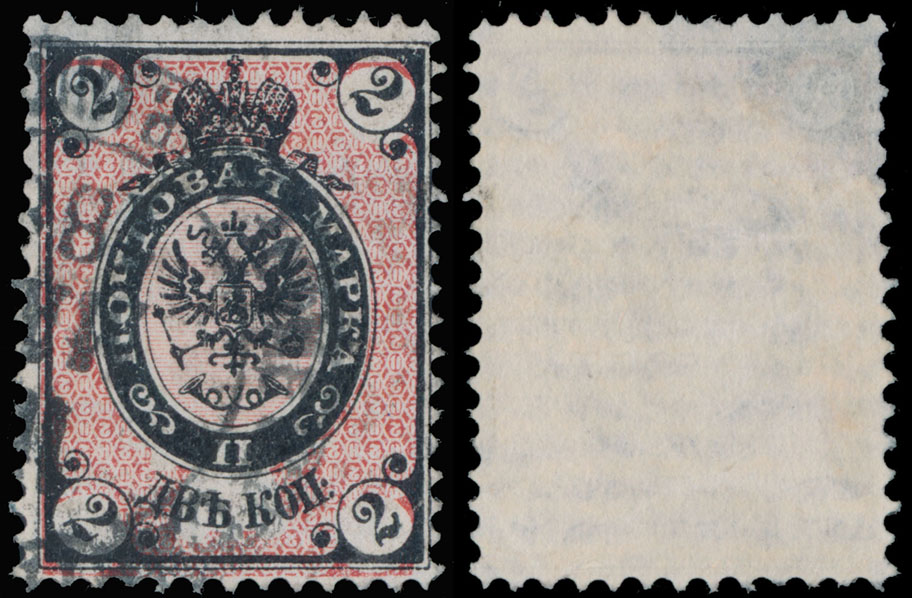
If the background was inverted, on these stamps you would see a white spot on the bottom of the stamp. The area where the crown is lacks the background printing and if the background is inverted you would see an unprinted area on the bottom.
By the way, there is also a broken outer bottom frame on your stamp, which may very well be a known variety.
Peter |
|
Send note to Staff
|
|
|
Moderator

United States
12330 Posts |
|
|
Farazdak, To reply to thread please use this  Please do NOT use this (hope I got the Arabic 'no' right).  Don |
|
Send note to Staff
|
|
|
Valued Member
Iraq
10 Posts |
|
|
Thank you Perf12 the link is fantastic . Than you Peter I will read you analysis very carefully . |
|
Send note to Staff
|
|
|
Valued Member
United States
11 Posts |
|
|
Valued Member
United States
11 Posts |
|
|
1875-79, 2k black and red, groundwork is inverted, partial postal cancellation reads: "S.Petersburg Exped. Pr. Inostr. Kor. 1_ Ma__ 188_" , slight top left corner thin, otherwise fresh colors and intact perforation, VF and extremely rare with five exemplars recorded until now, C.v. $65,000 |
|
Send note to Staff
|
|
|
Valued Member
Iraq
10 Posts |
|
|
New Member
Georgia
1 Posts |
|
|
Hello everyone, Could anyone help me to evaluate following stamp? [URL="https://ibb.co/85pk3D0]  [/url] Thank you in advance. |
|
Send note to Staff
|
| Edited by tatouage - 09/10/2020 4:14 pm |
|
|
Replies: 16 / Views: 15,558 |
|



 Posted 10/19/2015 6:48 pm