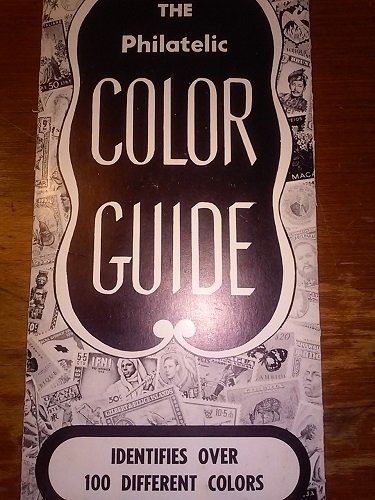
Quote:
I know it's not as old as this one but as long as they're well-looked after they're still going to work
.
Tim, I respectfully disagree. While its true that protecting it from light will help diminish color change, it won't stop it. Even in good environmental conditions, colors change over time. Unless it was stored in a vacuum, it is exposed to all kinds of elements in the air and is having a chemical reaction to whatever it is print on.
The modern color chips from Pantone are recommended to be replaced every 5 years, and these are designed to be industrial color standards. Even raw pigments change over time, never mind the inks that are made from them.
I would also add that without a standard ambient light source defined, any color system will be useless. Color determination procedures should always begin with something like, "held at arms length, under office lighting, using the following color standard". Good color identification systems supply their own ambient light source to control this critical variable.
And as you mention, there has never been a universal color naming nomenclature adopted by our hobby.
Lastly, every human sees colors a bit differently at some level. For example, women see colors differently than men.
Don





 Posted 02/09/2016 10:58 pm