Not to relentlessly grind this particular topic into the ground, but I thought an update was in order.
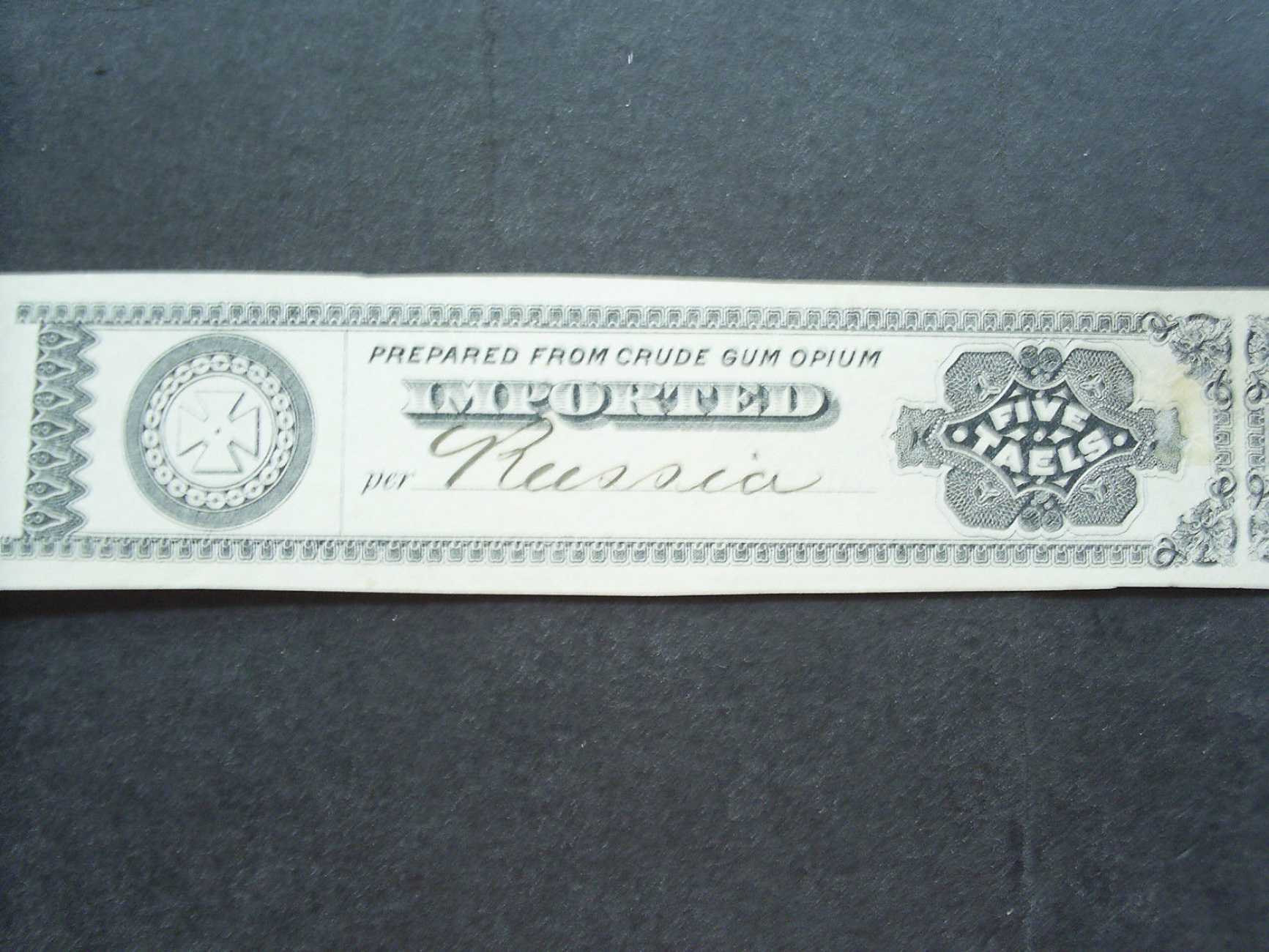
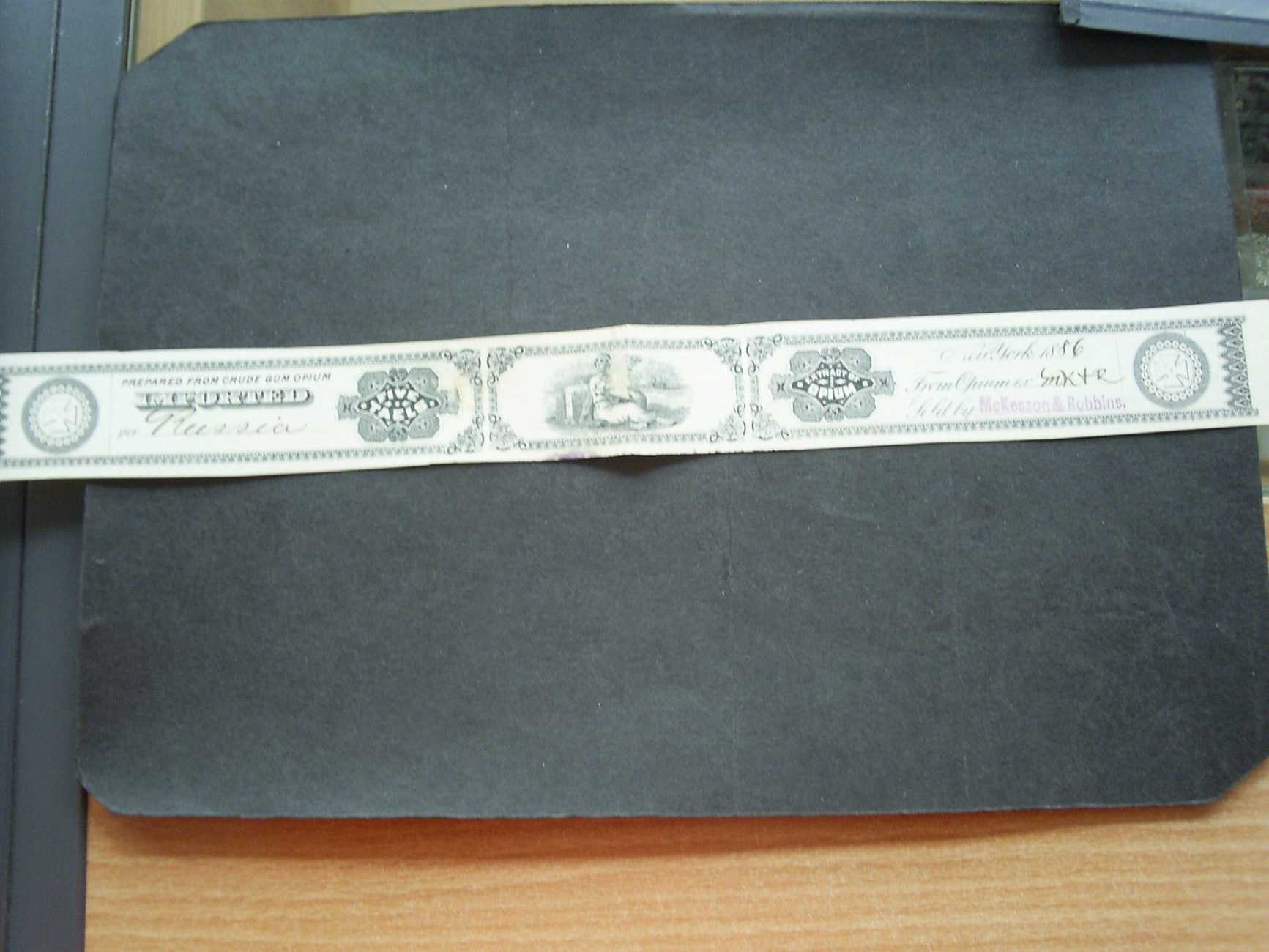
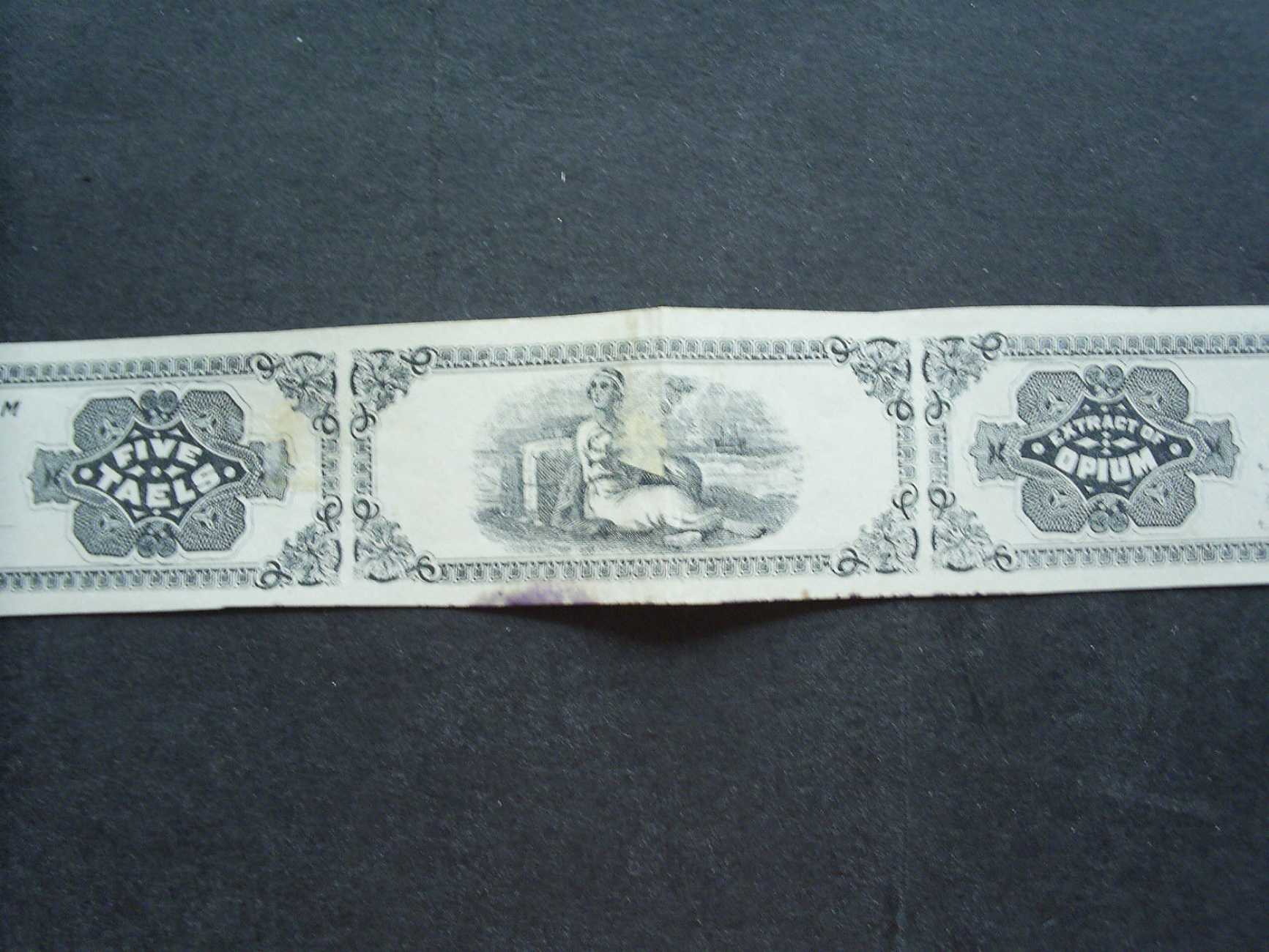
1) I don't believe that the facsimile opium tax paid labels were produced by the Bureau of Engraving and Printing. They are lithographed for one, not engraved, and the quality of the vignette doesn't look like their work. I believe that the labels were privately produced by a few manufacturers. This is a close up of the one illustrated above.
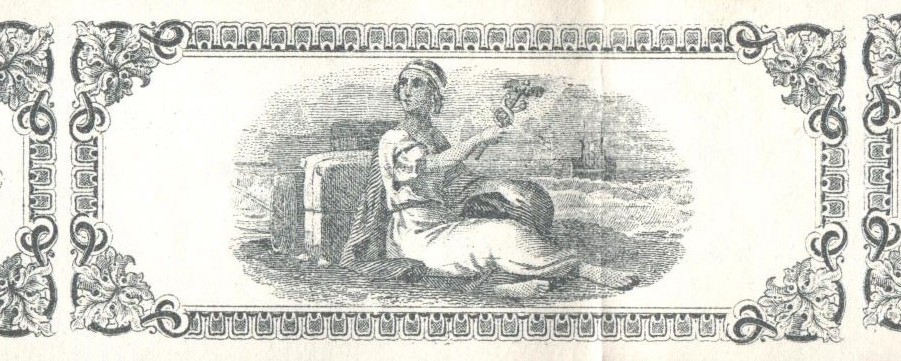
This is the facsimile illustrated in the American Revenuer, June 1979, page 125. It was made by George Marcus and Company, in London, England. It is known in 5 taels black, and no denomination red (presumably to simulate the U.S. red domestic opium tax paid stamp):

I doubt many more varieties from other manufacturers exist, but there could be a few.
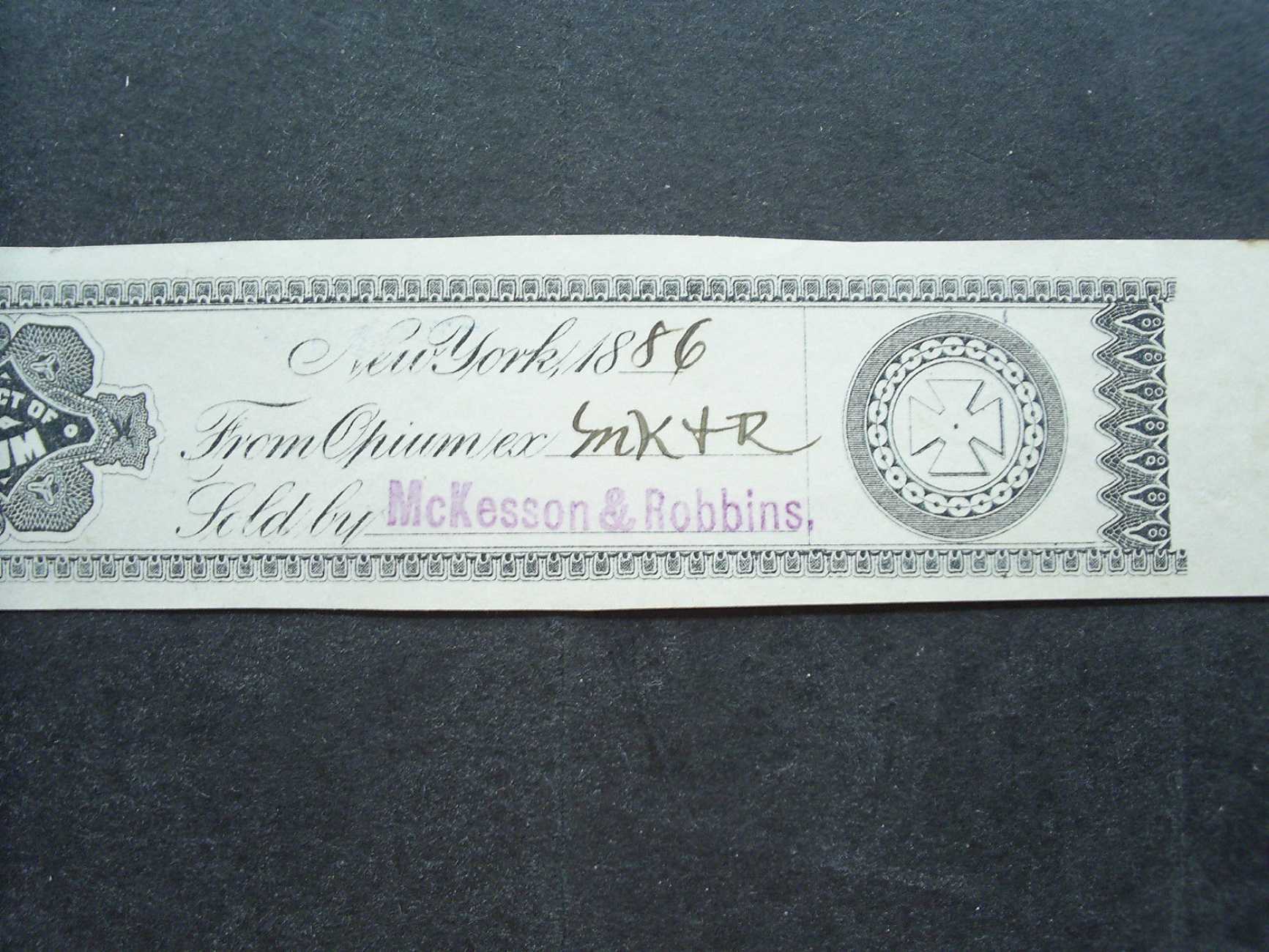
2) I consider the facsimiles seen so far to be remainder copies, not used copies. They clearly have every appearance of having been used, with handstamped and manuscript cancellations and markings and so on, but I think that is how they were made to look.
I agree with the comment made above that the facsimiles were found by the customs service and suppressed. What we have today seems to be those few copies that escaped.
I'm not saying that NO used copies exist; just that, at least in the example that I have, there is no indication that it was actually used.
3) No one has noted that the McKesson and Robbins example has the wording of "extract of opium." This is a different product altogether than simply raw opium powder. From this website:
http://chestofbooks.com/health/mate...f-Opium.htmlthis is what extract of opium is:
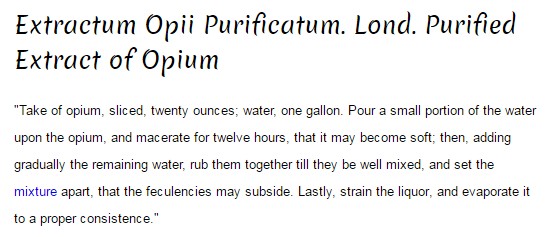
(Sounds like they were making masa).
An in case you were wondering what that one word meant (I know I did), it's this:

Jim





 Posted 02/19/2016 3:49 pm