| Author |
 Replies: 12 / Views: 2,051 Replies: 12 / Views: 2,051 |
|
|
Valued Member
United States
118 Posts |
|
|
|
|
Pillar Of The Community
United States
857 Posts |
|
|
Bedrock Of The Community
United States
10864 Posts |
|
|
Pillar Of The Community
United States
607 Posts |
|
|
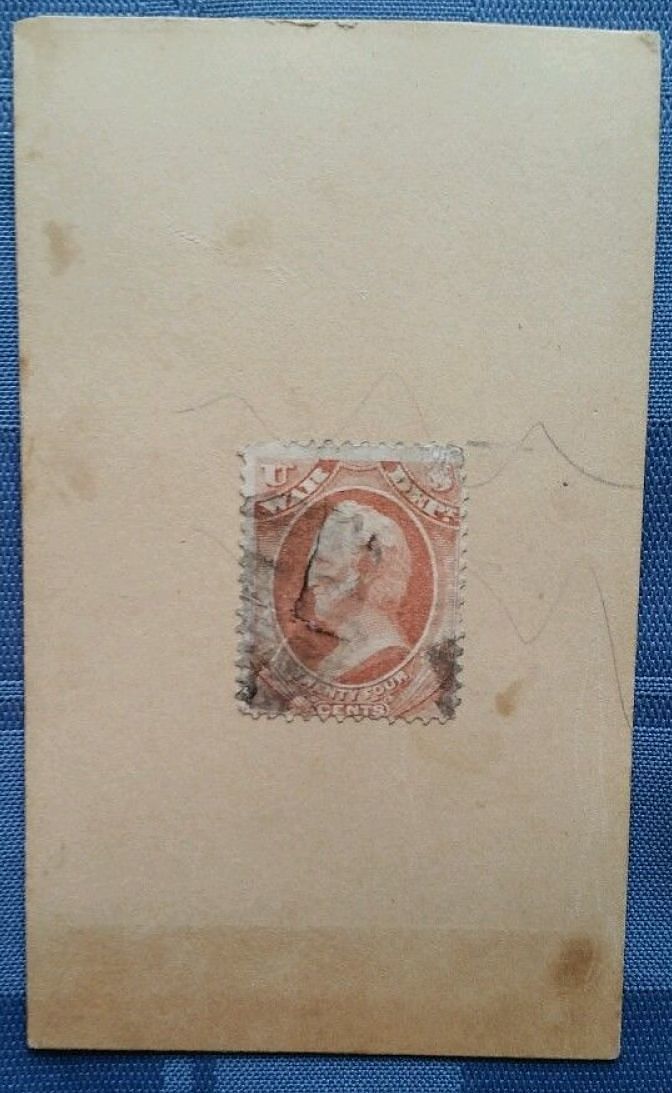
The cancel on the stamp not extending onto the back of the photograph is definitely an indication of a fake. |
Send note to Staff 
|
Bill Lehr
US Postal Stationery Specialist |
|
|
Bedrock Of The Community
United States
10864 Posts |
|
|
Actually on revenue uses generally that is not remotely automatically true. It's often not true on photos; precanceling stamps in the sheet was a common practice. Since technically the tax was paid when the stamps were purchased, many cancelled them to both to prevent theft and save time later. It's the time frame that makes this a fake. |
|
Send note to Staff
|
|
|
Bedrock Of The Community
United States
10864 Posts |
|
|
Also the rate is almost impossible. Retail price up to .25 was .02, .26-.50 was .03, .51-$1 was .05, each additional $1 or fraction was .05. So there was no way to have a .24 tax on one photo. The only way would have been to use one tax stamp for several photos, not legal but occasionally done. |
|
Send note to Staff
|
|
|
Pillar Of The Community
Canada
6525 Posts |
|
|
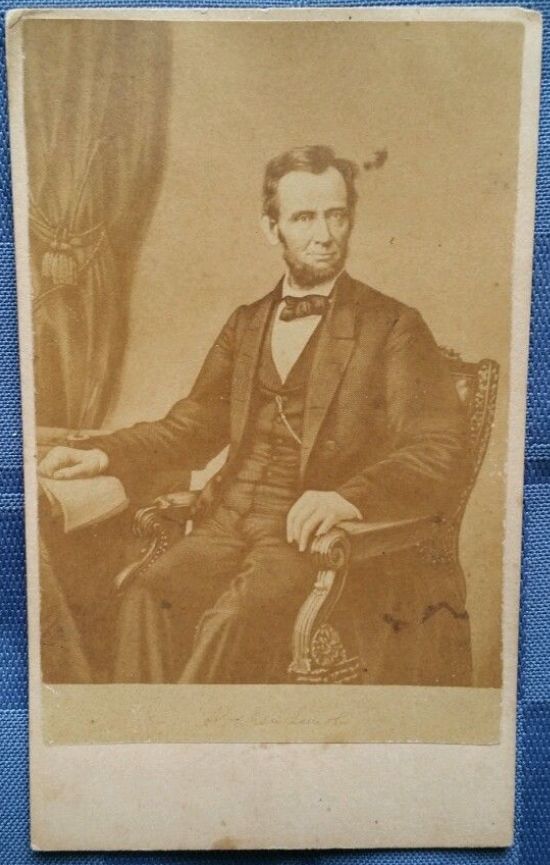
to top it off, it's not even a photo of Abe, it's an illustration, so use of a revenue stamp is moot anyway. |
|
Send note to Staff
|
|
|
Valued Member
United States
118 Posts |
|
|
I noticed a couple of lots that used two 5c stamps (10c total). So technically this would pay tax on a total cost of $1.51 to $2.00, correct?
A lot of money for a picture for the time. |
|
Send note to Staff
|
|
|
Bedrock Of The Community
United States
10864 Posts |
|
|
The tax is actually not moot in this case, that item would have been considered a photo for the purposes of the tax. I have seen many similar examples with stamps on them.
Any photo with 10 cents tax legitimately used is a scarce rate, and well worth collecting for a reasonable price. |
|
Send note to Staff
|
|
|
Pillar Of The Community
Canada
6525 Posts |
|
|
Not doubting you, rev collector, but I thought the tax was for photographers.
I'm always glad to be corrected. |
|
Send note to Staff
|
|
|
Bedrock Of The Community
United States
10864 Posts |
|
|
The tax was on photographs, not photographers per se. For the purposes of the tax this would have been considered a photograph, so unless it sold for less then 10 cents it would be taxed. If it was too small to have a stamp affixed it would be subject to a 5% ad velorem tax (tax based on the value of the item). |
|
Send note to Staff
|
|
|
Pillar Of The Community
Canada
6525 Posts |
|
|
Pillar Of The Community
United States
6469 Posts |
|
|
Chiming in late on this one.
Regarding the stamps not being tied, this is VERY common with revenue usages, especially on CDVs. Photographers tended to store photos by stacking them. If the canceling were done at the time the stamp was affixed, the ink would have been wet, thus likely offsetting onto the next photo that might have been placed on top of it, so photographers tended to precancel much more so than other types of businesses using revenues (other than proprietary industries, where affixing the stamps to physical products necessitated precancels to speed up the process). This is one of the reason you see typeset printed cancels (an entire sheet of stamps run through a printing press) more so from playing card companies and proprietary medicine.
Another comment regarding tied cancels: I had a discussion with another collector via email who made a comment about a particular revenue document I showed with a manuscript cancel, and he said "Its a pity your example is not a right and proper tied usage...", which I found somewhat odd. With front-of-book material, e.g., covers, tying is important. With later revenues, where handstamps, cut cancels, etc. had a tendency to tie the stamp to the document and thus were the standard, I can see that point. However, with 1st-issue manuscript cancels, I would argue that the vast majority of the time, the cancel does NOT tie the stamp to the document. Clerks were supposed to cancel the stamp with their initials and the date, and usually that didn't extend onto the document unless the clerk was in a hurry.
Furthermore, I have yet to ever hear any 1st issue specialist collector or dealer pass on a document because the revenue wasn't tied. It's just not the standard when it comes to manuscript cancels. Maybe this is a collector trying to apply a front-of-book standard to 1st issue revenues?
Tying isn't something that is mentioned in major auction listings when it comes to manuscript canceled revenue documents either... it's just not a factor. As long as the handwriting and ink matches that of the document, and there's no evidence of lifting, or other red flags, it's normally accepted at face value. Tying is not required to make a document "proper". While someone could theoretically lift and replace a stamp or add one to an unstamped document, (1) there's not THAT large of a supply of 1st issue uncanceled revenues to work with as fodder for such fakery, and more importantly (2) there's usually not much to be gained by it.
The only major exceptions to this philosophy are items that might be faked to garner considerably higher value (e.g., bisects, exceedingly rare imperfs or part perfs that might not have been able to stand on their own merits were they off document).
Weird... I've never encountered that mindset before when it comes to 1st issue revenue documents... |
|
Send note to Staff
|
|
|
| |
Replies: 12 / Views: 2,051 |
|




 Posted 05/13/2016 12:15 am