JkBlue,
Agreed that if a user does exactly as you describe, with a non-compressed format, then the loss of detail is minimal.
Disagree if the user is working with a typical saved image. Once an image has been saved in a
compressed format like JPEG*, virtually ANY rotation will cause a substantial and notable lose of quality. This is because of the way most files are compressed (and decompressed to do the rotation) during the process. Some 90/180 degree JPEG rotations can be done with loss of data/pixels IF the image dimensions are a multiple of the file's block size. This is typically 8x8 or 16x16 pixels for JPEGs.
And of course users must have an application that is capable enough to rotate an image without data loss. There was a lively discussion among imaging experts a few years back on whether or not Photoshop was capable or not of doing rotating images without loss; if I recall correctly the consensus ended up being that it could not.
So I think we can summarize with;
- Quality loss will occur if you are working with a previously saved image in many of the typical formats like JPEG.
- Quality loss may not occur if you are working a freshly scanned, higher DPI image, have an application that is capable enough, and know how to do it.
Don
*You are apparently saving in an uncompressed JPEG format. Some apps are able to do this, in others this is available as an option when saving, in others it is not clear what they do. But do not assume that uncompressed JPEG format is typical for most imaging apps; the 'value' of the JPEG format is thought to be that the compression decreases the image size. (Faster downloading times and less disk space.)
Edit:
There is actually a term for the type of JPEG quality data loss over multiple processes; it is called 'generation loss'. Rotating a JPEG once might not show much as JKBlue has shown above, but here is what happens with rotational generation loss (image rotated 200 and 500 times).
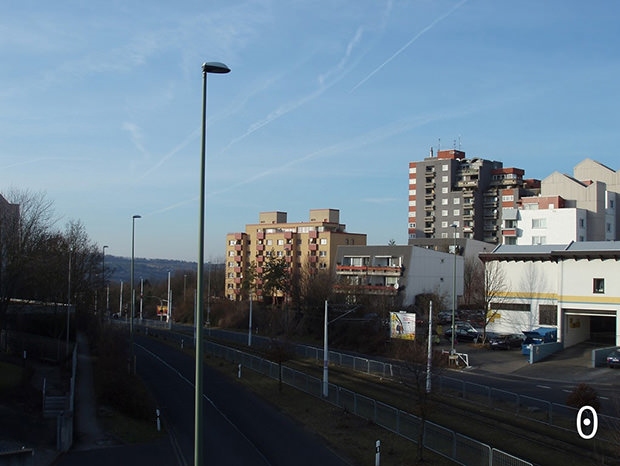
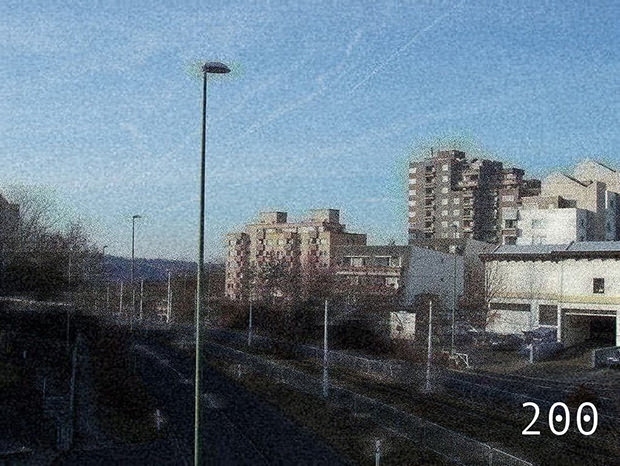
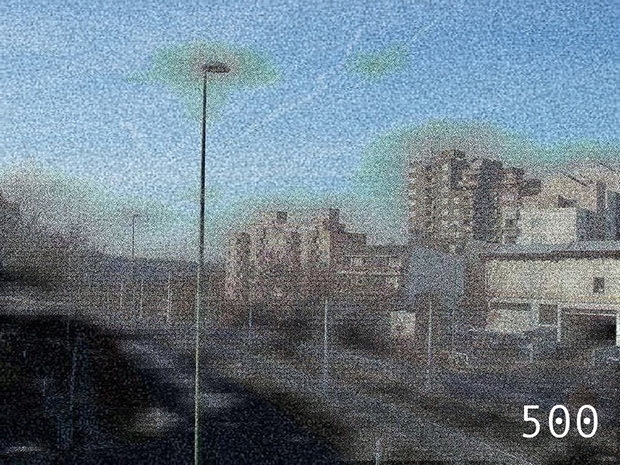
Edit; Jk, Here is your original image, copied form your site, rotated 75 times in Photoshop, and saved only once as JPEG without any compression. This is what just the rotation process can do in terms of pixel loss. Of course no one would ever do this, it is only for demo purposes.





 Posted 08/30/2016 08:43 am


