I am suspicious of the stamps I am getting out of these packets so I have been researching fakes, counterfeits and forgeries. I found the wikipedia entry on this very interesting. Here is the link if you are interested:
https://en.wikipedia.org/wiki/Phila...nd_forgeriesThis is bit in the wikipedia article was interesting to me as a new stamp enthusiast and makes me wonder about the stamps I have from these packets:
Quote:
It may not be possible to distinguish between a philatelic and postal forgery if the stamps are unused, merely by looking at them; the techniques utilized in producing them are identical.
and another from the same entry:
Quote:
Later, especially in the late nineteenth and early twentieth century, massive numbers of stamps were forged for the packet trade, including very common as well as rare stamps, so that the fact that a stamp is common is no guarantee that it is not a philatelic forgery.
For further reading on the famine stamp and how to tell a counterfeit I read Scotts Monthly Stamp Journal dated March 1922, here is the link if you are interested:
https://books.google.com/books?id=k...tamp&f=falseI just love the stamps and learning new things. This was very interesting, what I am taking away from this is that I should be suspicious of every stamp.
For this Russian Rostov famine stamp, I don't think there is any way for me to tell if this is a counterfeit or not. Looked it up in the Scott catalog again, there are no dimensions or anything else listed in the 2009 catalog for this stamp. So, with this I will move on to other stamps - if anyone else has some method of detecting whether these Rostov famine stamps are forgeries, please let me know.
Rod222, do you know if you very lovely set is real or not? If you know they are real, how did you find that out? I am curious, and would be so grateful to hear just a little more about this if you would be so kind as to tell me.
Thanks, Julie





 Posted 11/21/2017 11:05 pm


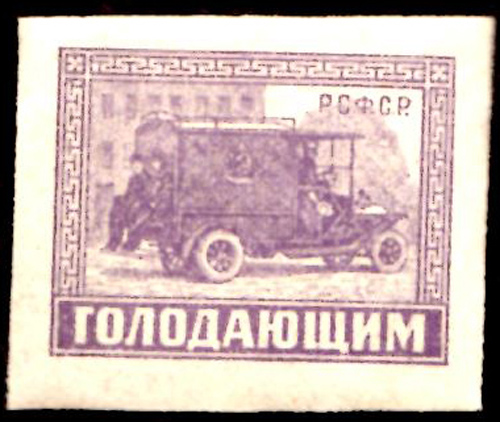


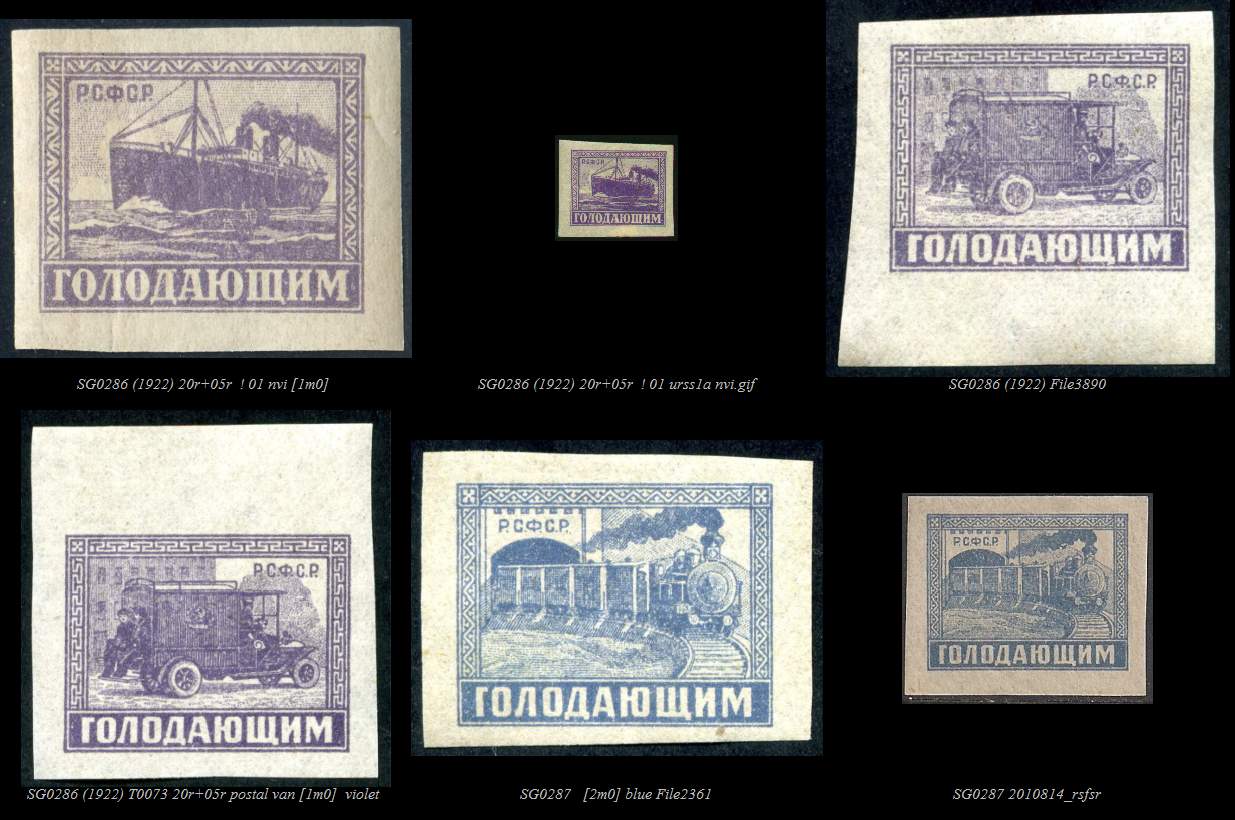


 - I think we have done this once before, I will try to remember this time, sorry I had forgotten you told me that once before. Julie
