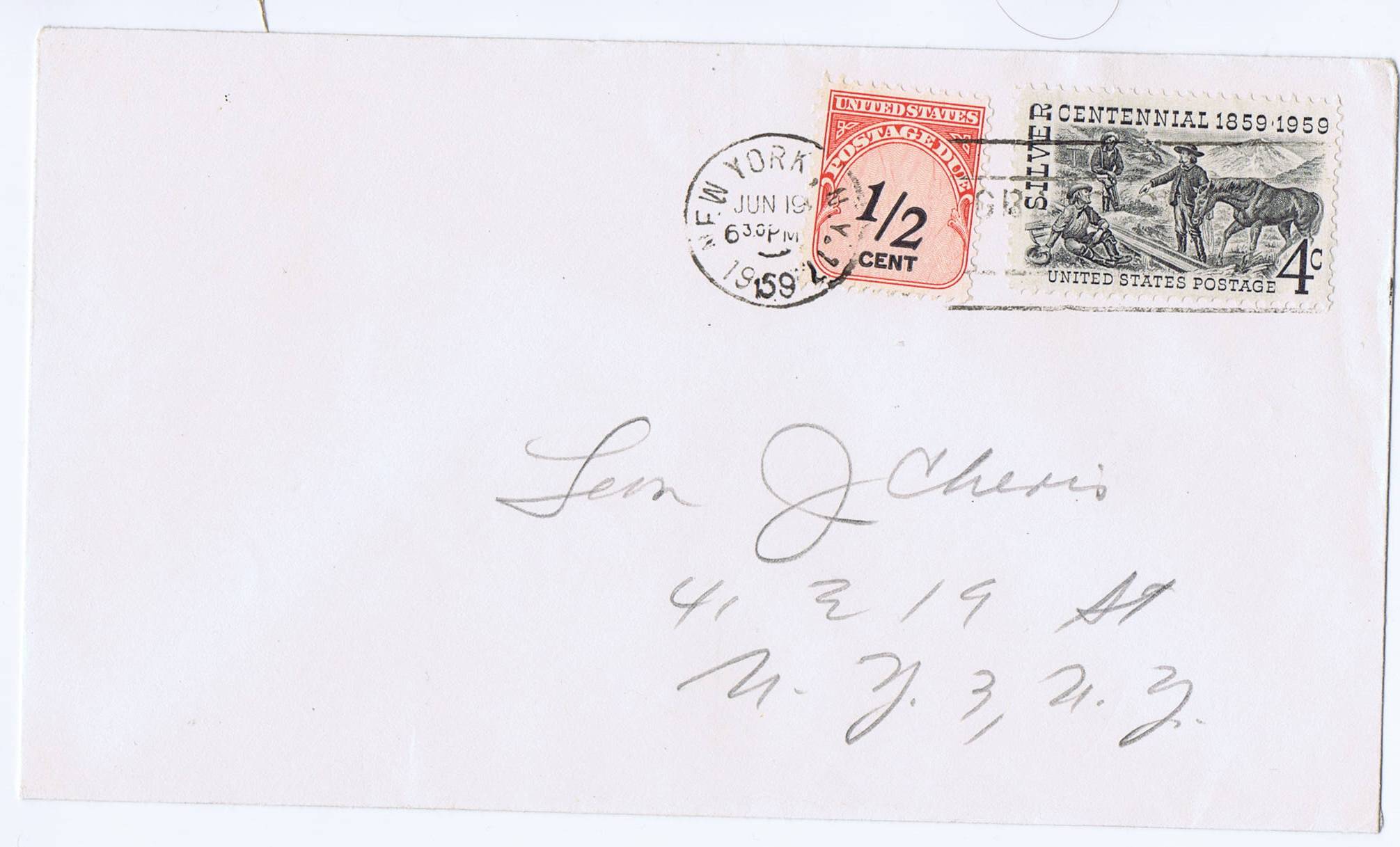
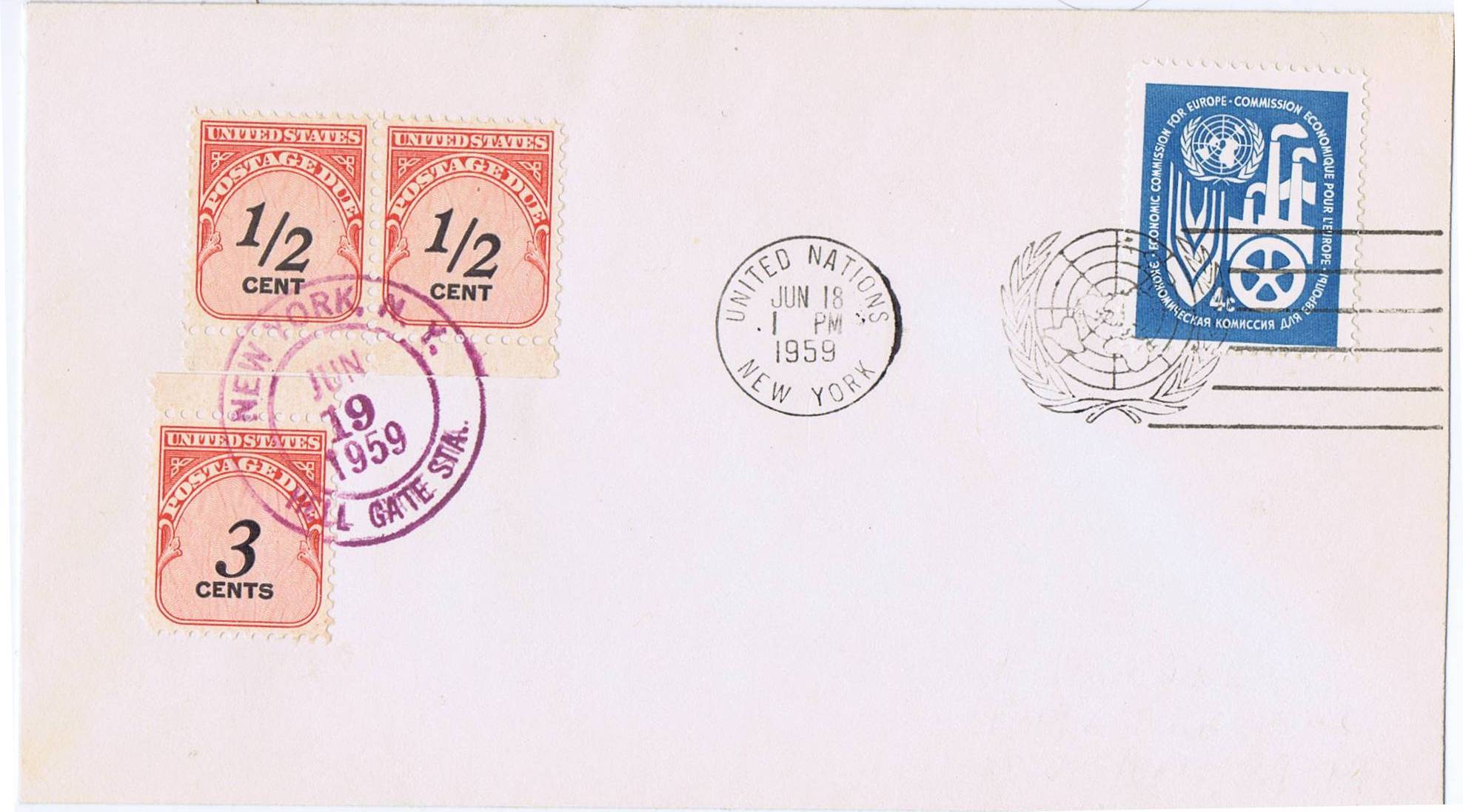
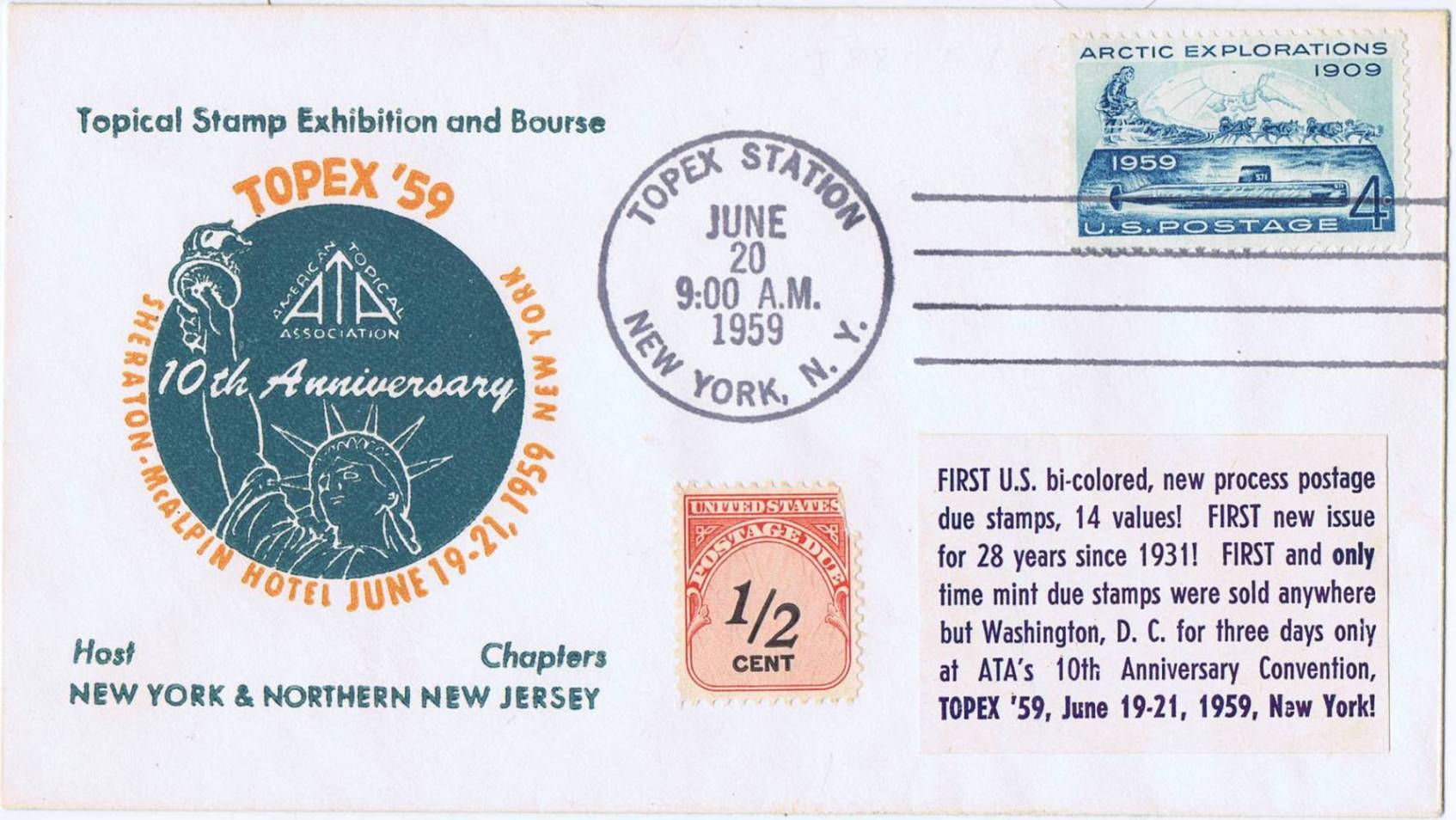
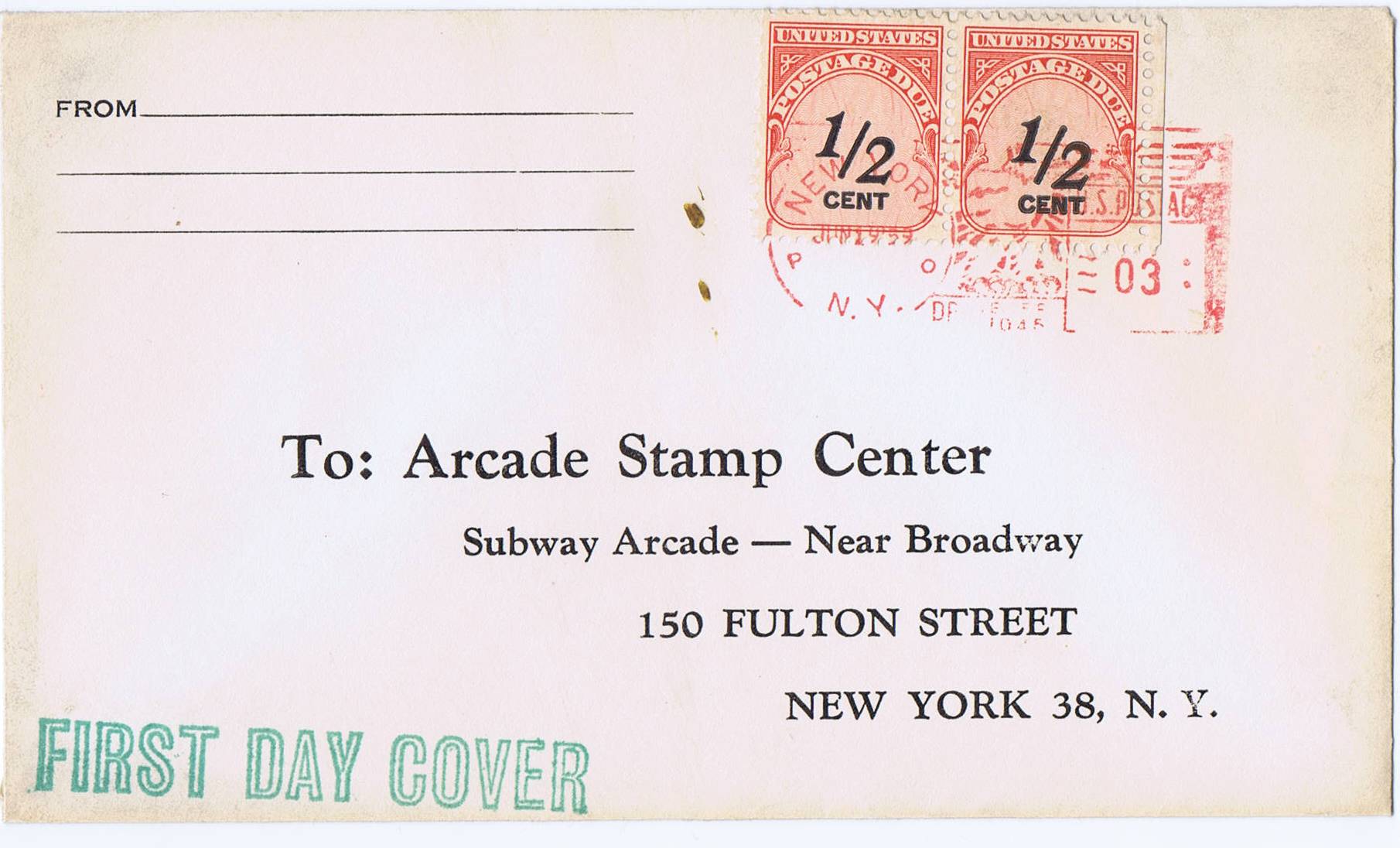
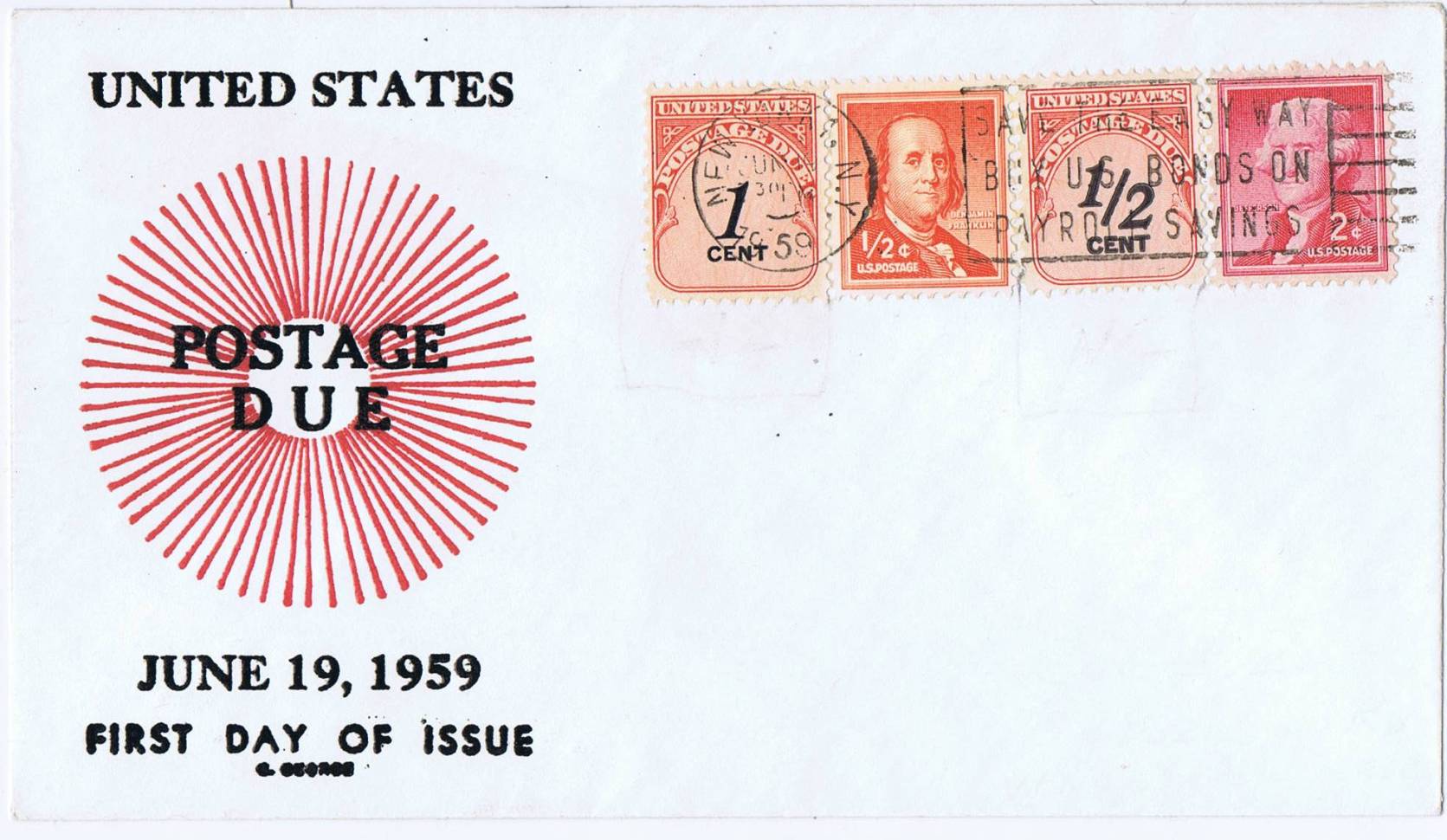
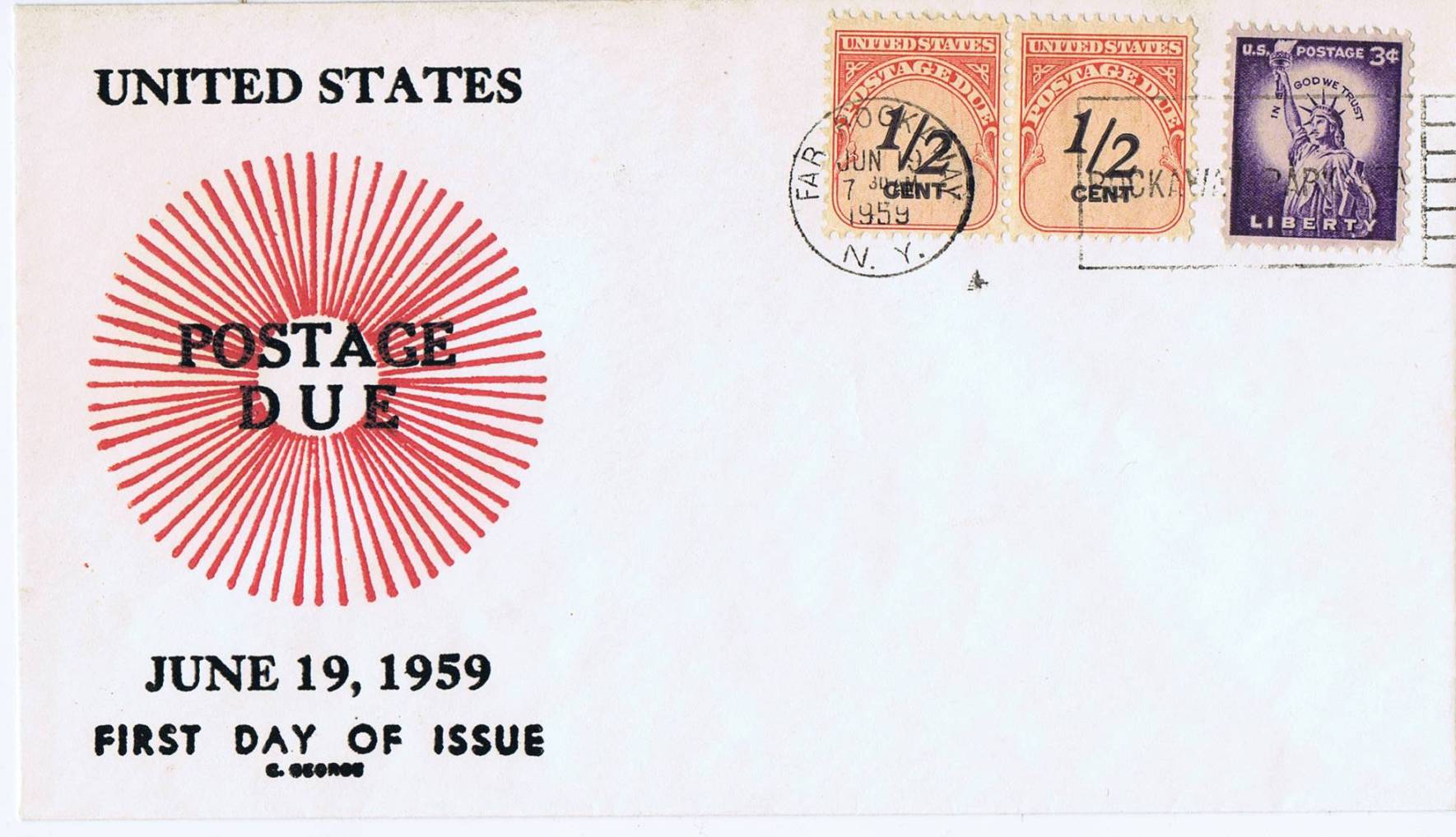
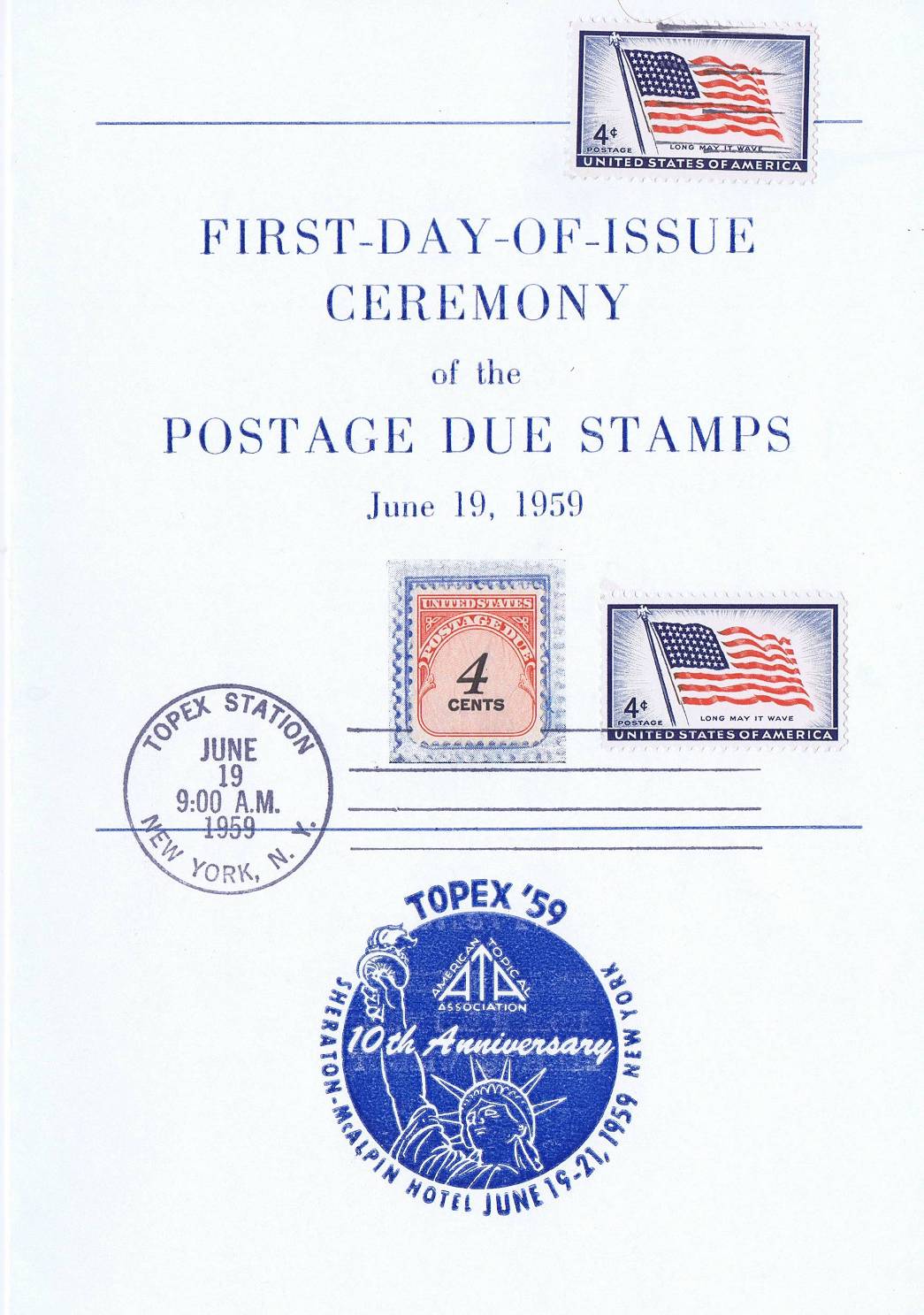
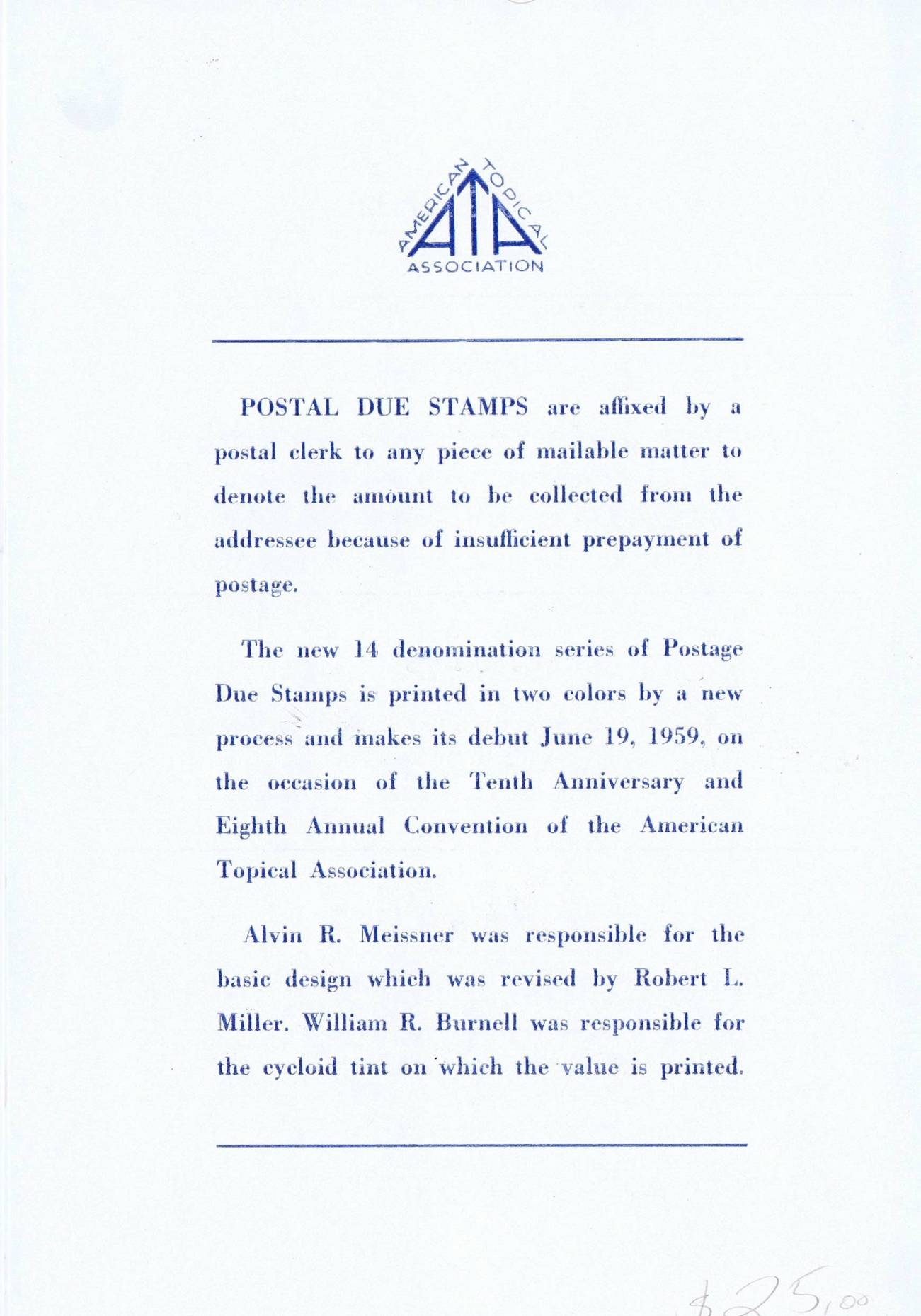
Normally at Chicagopex I might find 1 or 2 half-cent postage due covers (J68, J69, J79). Given the size of the bourse, that is a very tiny number. This year, for the first time, I included half-cent postage due covers in my wantlist that I mailed out before the show. Boy did it pay dividends!
Additionally, it prompted two potential spin-off collecting desires (just what I freaking need... like a dang hole in the head!)
First, we start off with a cover that, while not directly related to my half-cent dues collection, was attractive enough that I decided to purchase it. It's a Canal Zone cover with an overprinted half-cent Nathan Hale originally affixed, 1-1/2 cents short of the 2 cent rate, with 2 different style postage dues (J13 and J16) signifying the double penalty of 3 cents paid.
The plate single of the Hale is quite attractive. The combination of factors (plate # single, 2 different series of postage dues) implies a philatelic cover rather than commercial. This isn't unusual though, as Scott states in a footnote following J14:
Quote:
Values for Nos. J12-J29 on cover are for philatelically prepared items. Commercial usages on cover are much more valuable.
J13 catalogs $110 on cover as a philatelic usage, so even as what it is, it's not a bad item.

Ok, now on to the U.S. dues...
We start with a rarther nondescript 1935 cover with a margin pair of J79. Even-numbered multiples signifiying full cent amounts are by far the most common usage of half-cent dues that are encountered. Normally I wouldn't expend the effort, but it was dirt cheap, so why not?

Next, a 1946 cover with a 1-1/2-cent prexie coil featuring a J79. A bit ragged at right. Presumably the 1/2-cent Nathan Hale was lightly affixed as change when 2 cents were paid for the 1-1/2 cents due.

Another 1-1/2-cent due cover featuring a J79.

Yet another J79 cover, from 1940. This one's got a lot going for it, IMO. You've got a nice 1-1/2-cent Harding imperf (used a wee bit late, isn't it?) along with a nice large Fourth Class Mail label, and an oversized pointing finger "RETURN TO SENDER UNCLAIMED Due 1-1/2 Cents" auxiliary handstamp.
The consensus I got from the postal history dealers I have spoken with is that with respect to desirability of fractional postage due auxiliary markings of the 20th century, they run from least to most desirable:
4. Manuscript (handwritten) "Due XX"
3. Handstamped "Postage due ... cents" with the amount written in by hand (see second cover above)
2. Handstamped "Postage due" line stamp with 1-1/2 cents as part of the handstamp (see above cover)
1. Handstamped "Postage due" line stamp with 1/2 cent as part of the handstamp
The last will be the most scarce as solo half-cent due usages are the hardest to find.
Obviously these are general types, as you then get into the size/ornateness of the handstamp, additional wording, etc. This particular auxiliary handstamp is not only oversized but has the 1-1/2 cents within it, which is uncommon (see covers with similar pointing finger markings to follow).

Not a half-cent postage due, but either a 1/2-cent Nathan Hale used in lieu of a half-cent due, or more likely the Hale was change and a half-cent due that had been affixed fell off (see gummed area northwest of the Hale), on a metered cover. This and the next cover are the first fractional-rate due covers with meters I have seen. The pointing finger auxiliary handstamp on this cover is a more typical marking (compare with the one above).

Now we get into the J68 covers. Notice that all of the above covers, with the exception of the last one, are J79... no J69 half-cent dues. The more I collect half-cent covers/cards, the more I am convinced that (outside of J88 obviously) J69 is incredibly tough to find on cover. To date I have only found a single example on cover, compared to double digits of both J68 and J79.
J69 catalogs more used than either J68 or J79 ($1.90 vs $0.25 and $0.25), but that still doesn't represent the scarcity on cover, comparatively speaking.
This first J68 cover is similar to the one imediately above, being metered and also originating from the same company. It, like the second cover above, appears to have an unused Nathan Hale 1/2-cent as change for 2 cents paying the 1-1/2 cents due. It also features a lengthy auxiliary marking worded "POSTAG(E DUE 1)1/2 CENTS This mail is returned charged with postage due, according to amended Sections"
I'm not sure if that wording is complete or not.

A nice commercial J68 cover with precanceled postal stationery and also precanceled dues, along with a large-format boxed auxiliary handstamp.

This cover, while not a J68, J69, or J79, is lovely IMO. It's a bisected 1-cent due, and by all accounts is a legitimate commercial usage, not a philatelic creation. Old typewritten explanation card accompanied the cover.

Keeping with that theme, when I saw this one I had to buy it as well, even though it's not half-cent related. A bisected 2-cent due along with another 2-cent due denoting a total of 3 cents due.


And lastly, a cover that I referred to in a previous post. Clyde Jennings famously offered a $500 bounty for anyone who could produce a legitimate solo usage of J88 on cover. I don't know whether he ever paid out. I've seen reference to a solo usage on a postal receipt that may have been legitimate, but I've never seen a picture.
The only usages of J88 you can find, for the most part, are first day covers, which are purely philatelic. None that I have seen pictures of had a reason for the J88 to be there, and do not have any auxiliary markings indicating any postage due.
The only non-FDC example I have seen is the cover below. It is philatelic and contrived, but it went through the mail stream and the rates involved were legitimate. The seller originally wanted considerably more than I was willing to spend, but I was able to talk him down by 60%, so it fell into the range I was willing to pay.
One nice aspect to it is the Philatelic Foundation's cover analysis that accompanies the certificate, which explains the reasoning for their decision. I don't know that they still offer this service, as I cannot find anything on the PF website about the service.
Is it a perfect cover? No. But given the virtually zero population of commercial usages, I am completely content with this cover until the improbable day that a real commercial usage of J88 comes along...





 Posted 11/28/2017 9:39 pm





 Even if it is philatelic, it wasn't crazy expensive, and I like the aesthetics. Thanks for the info.