Quote:
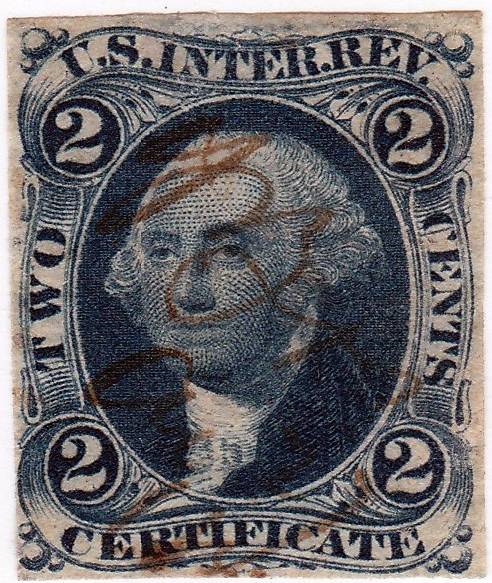
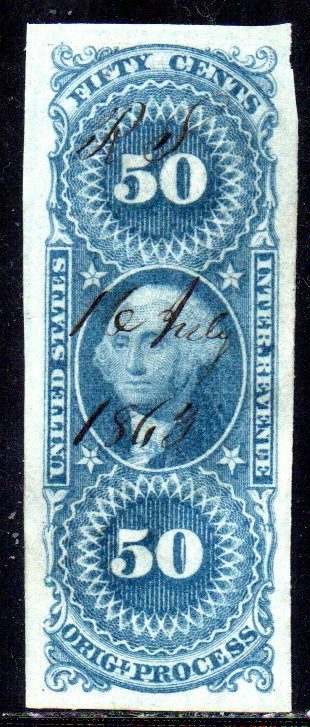
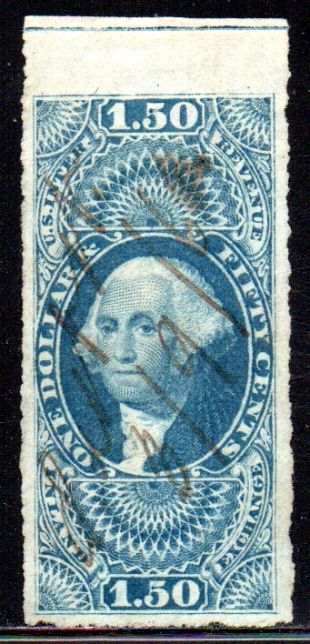
Isn't reasonable, however, to think for all the stamps that have nice big margins, there would be some that do not? It was my understanding that these stamps were printed pretty close together, and someone cutting these apart in 1863 probably couldn't have cared less about cutting them neatly and with nice even margins.
True, however a stamp needs to be able to stand on its own merits. If it doesn't have sufficient margins (and other positive indicators) to likely preclude (note that I don't say "absolutely") that it hasn't been trimmed, you cannot consider it to be a valid imperforate stamp. It could very well be one, but it can't stend up under its own weight.
The same thing applies to 1st issue silk paper multiples. You will encounter muultiples where not all stamps have blue silk threads. As long as the multiple is intact, all stamps in the multiple are treated as silk papers (I don't care about some of the ridiculous historic pronouncements on some certs claiming that a multiple contains some silk papers and some non-silk papers; that's B.S.). However, the moment that multiple is broken up, any individual stamps that no longer can stand up to scrutiny, i.e., do not have prerequisite silk threads, are no longer considered silk papers.
I know this is a hot-button topic with some people and that opinions definitely vary. I find the notion that you would have an intact multiple containing multiple paper types to be utterly bogus.
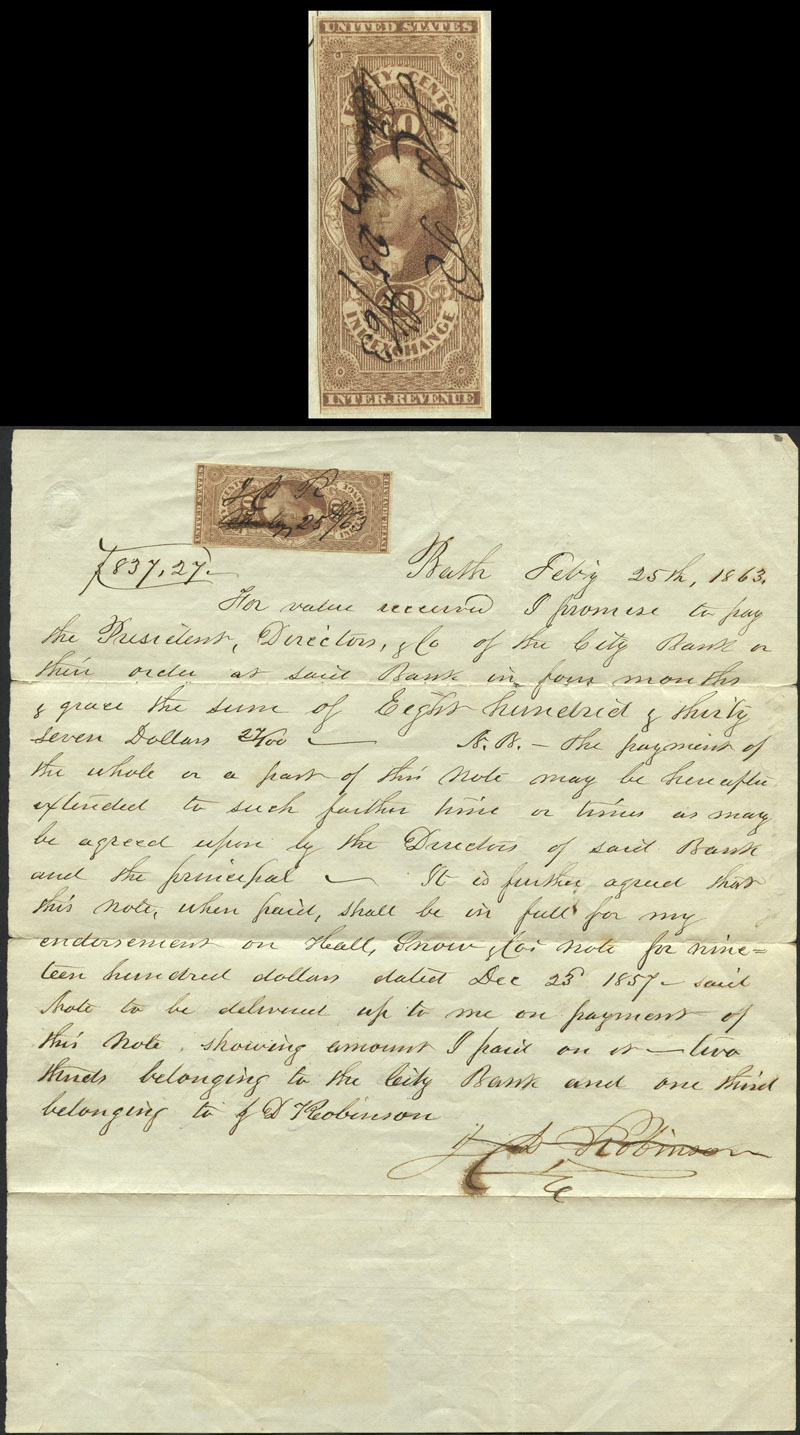
Back to the original topic: As an example of an "imperf" that is completely plausible but in my opinion noncertable, see the document below.
R53a is incredibly scarce, and given there have never been any horizontal pairs reported, and none of the veritcal pairs are convincing, there are many who argue that R53a does not really exist and that all examples are either misperfs or created from part perfs.
On the document below, the stamp used is VERY tightly trimmed, yet otherwise has all of the correct attributes (color, date, impression) for an R53a. It is barely tied to the document via manuscript cancel (evident under close examination) and the document and stamp show no evidence of the stamp having been lifted or otherwise tampered with.
So is it an R53a?
In my opinion it very well could be, but there isn't sufficient evidence to come to that conclusion. There is no way to know whether it started life as an R53a, R53b, or R53c. If I were to send this into the PF for a cert, I would expect "decline opinion".
It just can't stand on its own merits, so you have to consider it as not being legitimate.
I purchased it as a reference piece and it makes for good conversation.





 Posted 11/29/2017 7:14 pm