| Author |
 Replies: 12 / Views: 2,159 Replies: 12 / Views: 2,159 |
|
|
Valued Member
United States
25 Posts |
|
|
Why is the bottom of this stamp not perforated? I though a stamp at the edge of a sheet would still be perforated, and that causes a selvage. There is also a line at the bottom. If this was cut from a sheet at the line, wouldn't there still be perforations? Thanks!  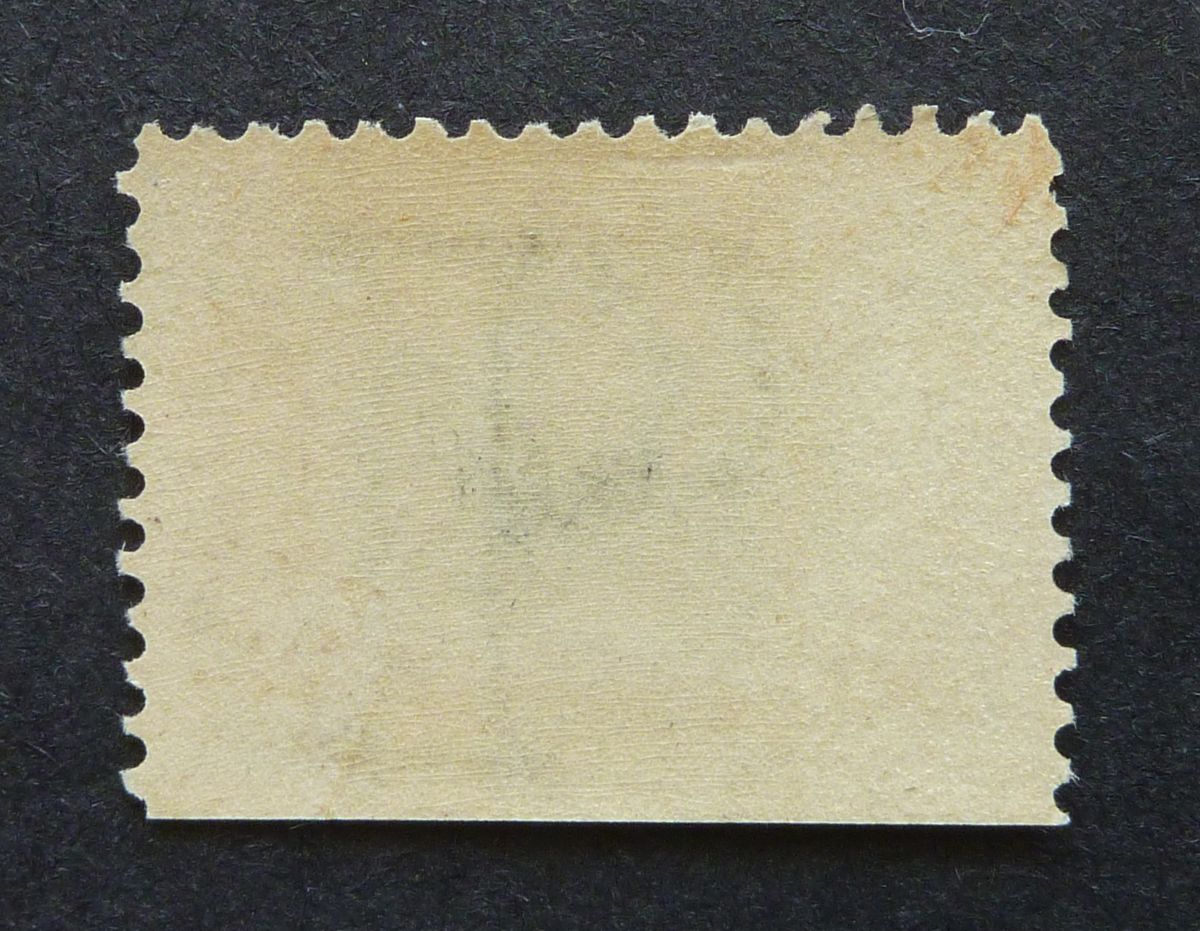 |
|
Send note to Staff
|
|
|
|
|
Pillar Of The Community
United States
6668 Posts |
|
|
It's from the way they were printed. They were printed in sheets of 200 subject plates then cut into 2 panes of 100 stamps. Yours is from the bottom row of the top pane. The brown line you see was the cut line. |
Send note to Staff 
|
|
|
Pillar Of The Community

United States
1498 Posts |
|
|
This particular issue was not horizontally perforated between the two panes of 100. In fact, if you search this forum, you can find examples of the Pan American issues that are perforated but traces of the cut line remain on the horizontal perforation edges. This indicates that the perforations along the cut line were added by a private individual. Considered an alteration, this can reduce the value of the stamp. |
|
Send note to Staff
|
|
|
Valued Member
United States
25 Posts |
|
|
Thank you. Is there a name given to that as an identifier? Is it called something? Also is it more or less desirable, if at all? |
|
Send note to Staff
|
|
|
Pillar Of The Community
United Kingdom
8630 Posts |
|
|
Whilst stamps with a straight edge are, by definition, less common, they are customarily worth less because their appearance is less attractive than a copy perforated on all four sides. |
|
Send note to Staff
|
|
|
Moderator

United States
12330 Posts |
|
|
Valued Member
United States
192 Posts |
|
|
"Straight edge" is the term used to describe a stamp from the edge of this type of pane. |
|
Send note to Staff
|
|
|
Bedrock Of The Community
12743 Posts |
|
|
Valued Member
United States
66 Posts |
|
|
Bedrock Of The Community
12743 Posts |
|
|
StamperMA - The cracking of the gum, the color of the gum, the lack of uniformity of the gum and the perf tip fibers are coated when the the image is blown up. |
|
Send note to Staff
|
|
|
Valued Member
United States
66 Posts |
|
|
Rogdcam - Bear with some questions from an inexperienced collector. Let's take the last indicator you mentioned: Quote:
...the perf tip fibers are coated when the the image is blown up When I blow up the image I see (at least I think I see) lots of perf fibers that are distinctly more white than the yellowish gum. To me they look like fibers that do not have gum on them. Am I misinterpreting the image? Dennis |
|
Send note to Staff
|
|
|
Pillar Of The Community
United States
1414 Posts |
|
|
Quote:
The stamp has been regummed. The gum is clearly disturbed at the top, perhaps from a hinge and a subsequent attempt to hide the hinge mark. Although the gum cracking pattern is a cause for concern, the stamp cannot be called regummed without direct examination by a competent philatelist. Also, be mindful that individuals who "upgrade" stamps want a complete makeover. When altering a stamp, why stop halfway? Regummed straight edge stamps are uncommon. |
|
Send note to Staff
|
|
|
Valued Member
United States
233 Posts |
|
|
I have commented on the straight edges before. As they are generally considered less valuable than the fully perforated examples, they are much less common. To have a complete horizontal or vertical cut line from a press sheet of 200 stamps there is only a 20% chance of that happening. To have a 2 cut lines on a stamp (one horizontal, one vertical) you only have a possibility of one in 200. Unless my math is wrong. I don't mount straight edges in my general collection but save the ones I come across in a stock book. I'm happy that they don't command higher prices. Cheers! Wolf-==- One of 6 pages...  Back in the day collectors used to reconstruct sheets with the center of the press sheet stamps showing the possible cut line positions. Hard to find these. |
|
Send note to Staff
|
|
| |
Replies: 12 / Views: 2,159 |
|




 Posted 03/23/2018 5:44 pm


