Quote:
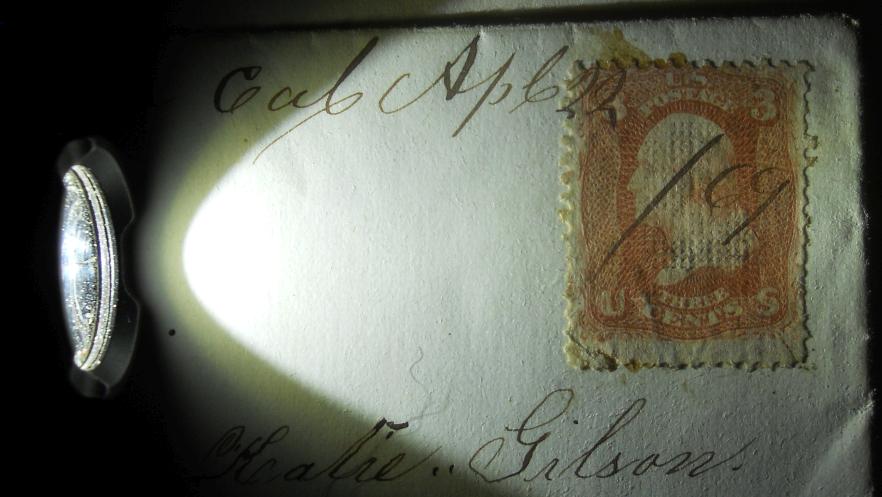
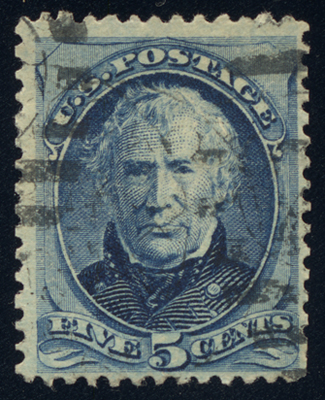
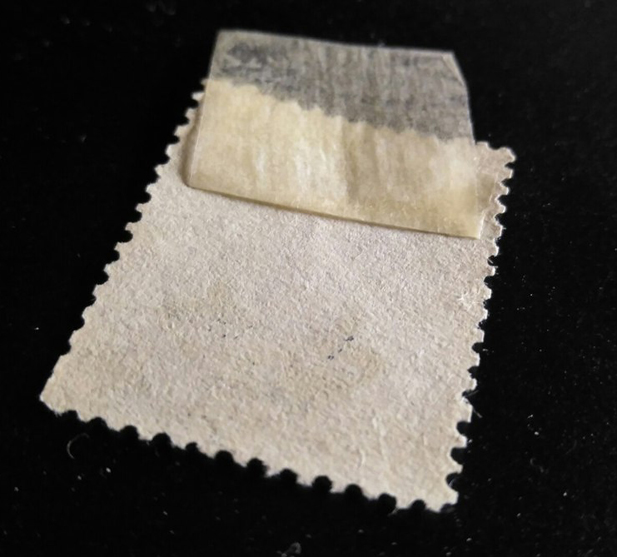
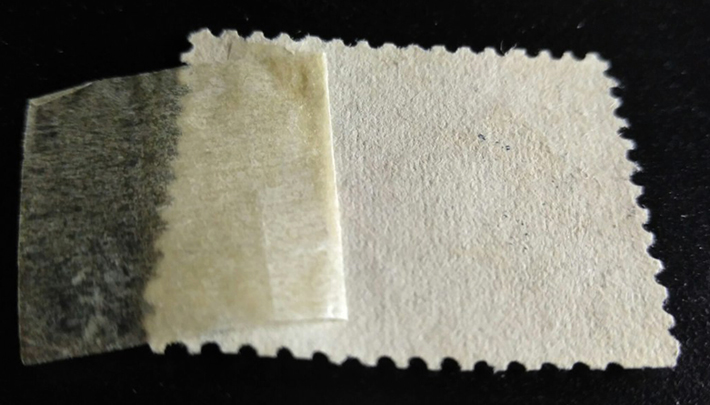
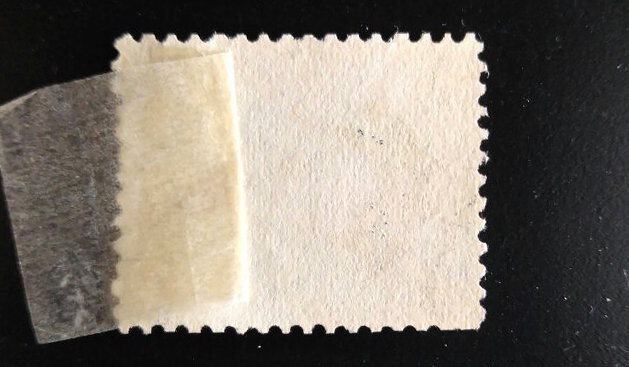
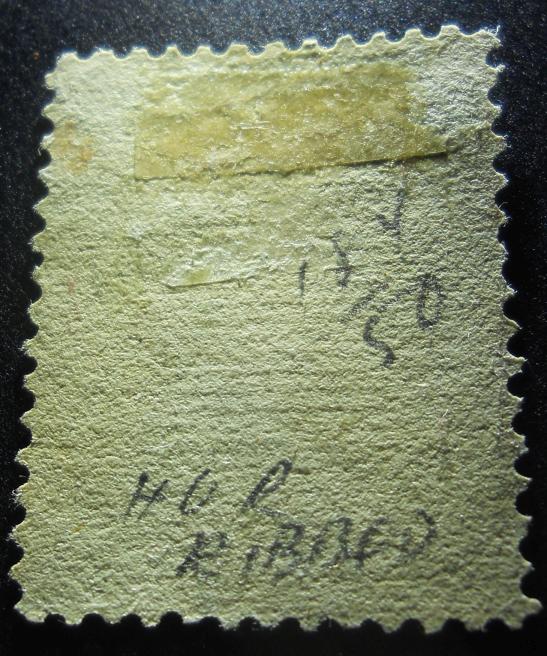
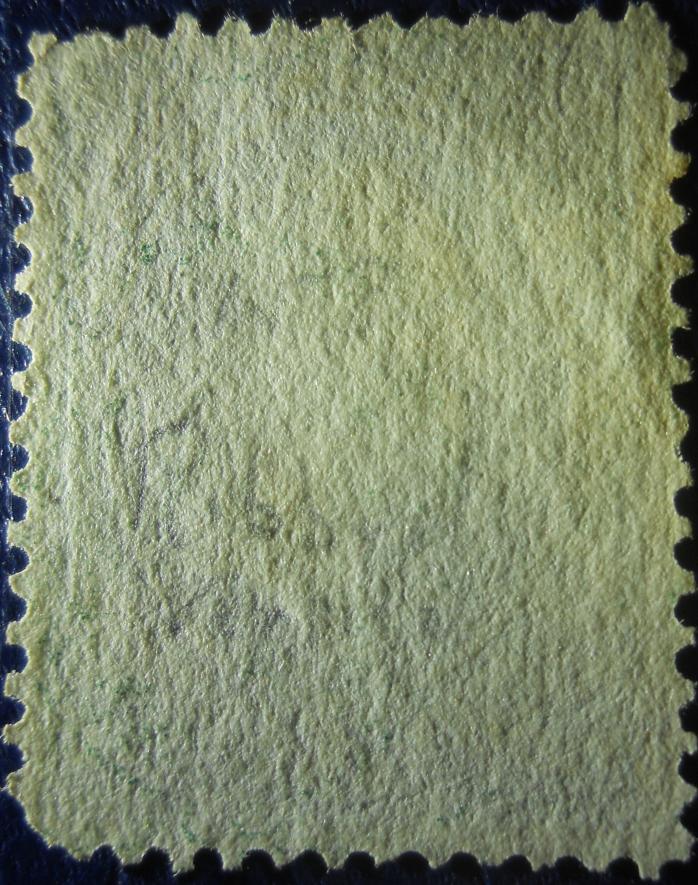
RIBBED PAPER – Also has the appearance of parallel lines in the paper, but the difference between ribbed and laid is;
Since the Dover edition re-publication in 1978 of Dard Hunter's book on Papermaking, originally copyrighted in 1947, philatelic students of paper have paid more attention to our use of terminology than earlier students had given to it. In this case, it is a bit idiosyncratic to speak of "laid lines" in machine made paper. True laid lines are a characteristic of a type of handmade paper only, resulting from the deposit of paper fibers upon a fine mesh wire lattice.
LAID: Characteristically, fine wires were set down closely spaced and at right angles to widely spaced "chain" wires in a frame (deckle) into which a slurry of paper pulp was poured and allowed to settle out through the wire mesh. The wires affected the orientation of the pulp fibers settling on them in a way that left an imprint from the wire in the fabric of the paper. Often fine metal design elements were incorporated into the lattice, and when the pulp settled on and around these the texture of the paper would form up differently than as between the wires, resulting in a visible watermark.
MACHINE MADE: (based on the Fourdrinier model) A pulp slurry is drizzled from a head box onto a continuously moving fine wire mesh belt on rollers which advance the forming web of paper. The web is passed beneath a large roll (Dandy roll) which squeezes out water and provides a fine finish to the upperside of the forming web. The surface of this roll may be adorned with fine wire mesh or metal designs that impart a colorless imprint on the web as a watermark. Sometimes the Dandy roll surface is fitted with wires to impart a watermark which resembles an array of laid lines.
Since stamp paper in the US in the 1870s was entirely machine made paper, it is anachronistic to speak of laid lines. A better term for paper which has been watermarked to resemble laid paper might be "pseudo-laid" paper. In the 1870s and 80s certain experimental papers not regularly issued to the public are known with pseudo-laid line watermarks, notably for the 1c to 10c Campbell Hall and Co experiments, and some types with the 2c red brown of 1883.
RIBBED PAPER: despite the researches and conjectures of Roy White, the mechanism by which ribbing was embedded in/upon machine made paper has not yet been unambiguously determined. Most students are agreed that it was not done at the Dandy roll, but at some point later in the chain of manufacture, perhaps in conjunction with final calendaring of the web or as cut sheets.





 Posted 03/19/2018 10:33 am