| Author |
 Replies: 56 / Views: 12,851 Replies: 56 / Views: 12,851 |
|
|
|
Pillar Of The Community
United States
2555 Posts |
|
|
Pillar Of The Community
United States
2555 Posts |
|
|
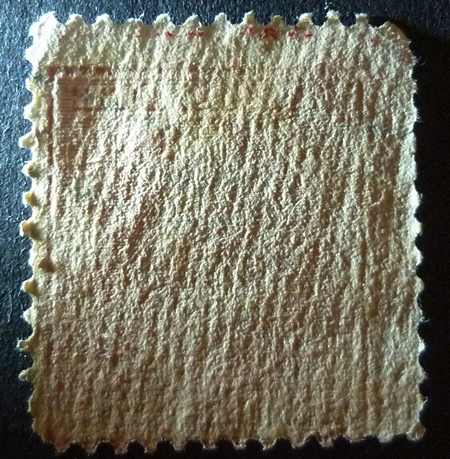
Last pic was in a side-lit condition. This pic is looking down the paper with the light more or less in front of me. 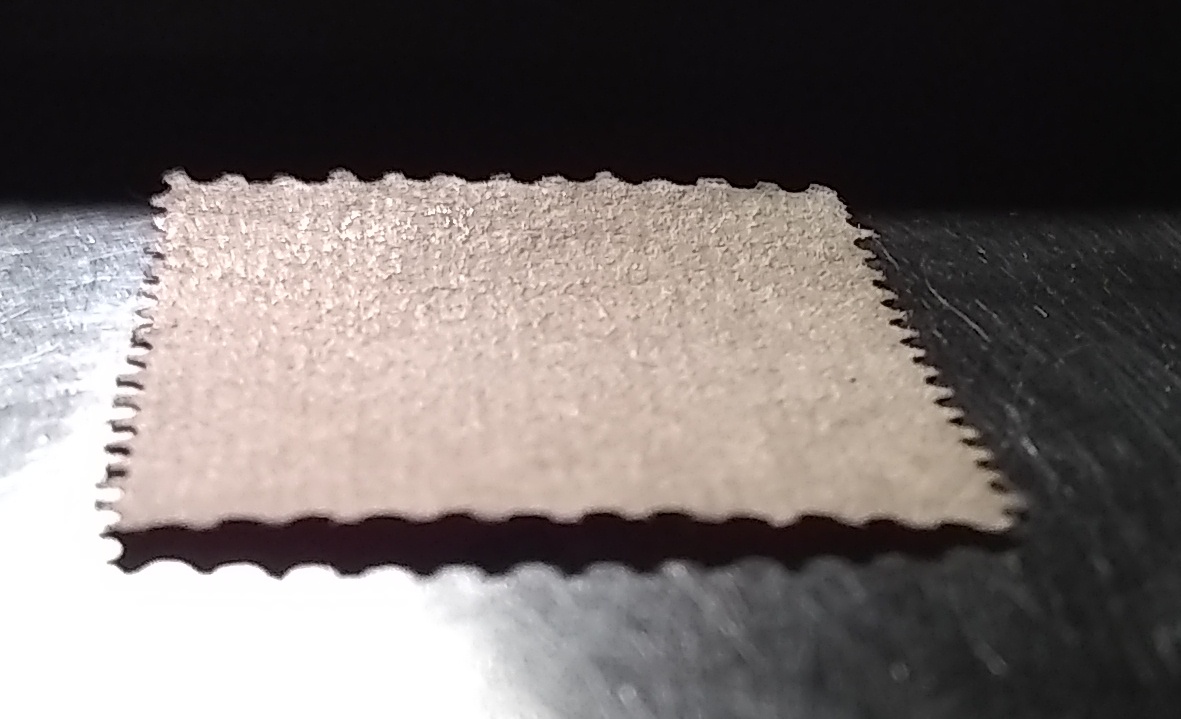 |
Send note to Staff 
|
|
|
Bedrock Of The Community
12748 Posts |
|
|
Valued Member
213 Posts |
|
|
Essayk,
It's already been released. Finished. Research completed. Books published. Articles written, and continue to be written. Exhibits graded, and more exhibits on the way.
I'm here to sell books, not to engage in hyperbole.
Paper is a technical subject. Paper is a scientific subject. There is also a formal history, that is, Paper History.
If someone tells me they are an expert on Postal History. I'm inclined to ask what's in their library? North Atlantic Mail Sailings? History of Letter Post Communications Between the United States and Europe? Gold Rush Steamers of the Pacific?
Same thing goes for paper and paper history. Are you saying something authoritative? I'll ask, what's in your library? I'm looking at a dozen books on my shelf right now, and that doesn't include all the library research and articles I've reviewed.
However, since you asked I will state this once again. For the record. Everyone please pay attention. There are ribbed papers in the 1861 Issue and the Revenue Issues of 1866-67. This ribbing is associated with the first use of American-made press felts (~1865). Circumstances are well documented and are in the philatelic record. It happened to stamps in 1866-67, and it happened again in 1873. There are books written on the paper machine and descriptions on the textiles used in making press felts.
Much of this information for American Philately has come out only recently, within the last few years. Progress has been substantial, and continuing. I'm doing the best I can to get the information out. Like I wrote previously, 99% of people are simply going along with what has been accepted canon for the past 125 years. However, there are a few, very few, experts and specialists who know differently. How long it will take to convince the other 99% I have no idea. But, as I say. The research is published, so now its only a matter of time before changes are finally realized.
-AJV |
|
Send note to Staff
|
| Edited by AJ Valente - 03/22/2018 2:14 pm |
|
|
Pillar Of The Community
United States
1946 Posts |
|
|
Quote:
Circumstances are well documented and are in the philatelic record.
There are books written on the paper machine and descriptions on the textiles used in making press felts. Quote:
Much of this information for American Philately has come out only recently, within the last few years. Progress has been substantial, and continuing.
I'm doing the best I can to get the information out.
The research is published, so now its only a matter of time before changes are finally realized. You have here alluded to recently published literature, but you have not given citations for ANY of it. So far the only reference you have given is to the book you published in 2010, which I purchased. It gives a serviceable, albeit rather convoluted, history of the paper making/publishing industry in the US 19th century, but nothing about the mechanism for making ribbed paper. Inquiring minds want to know, so please give us citations so we can follow up. Bibliographic and or online reference entries please. Quote:
Paper is a technical subject. Paper is a scientific subject. Bring it on. I grew up in paper making country in Wisconsin. My father was a research chemist for Kimberly-Clark Corporation. I gave presentations on the topic while still in high school. I have a PhD in another field, which attests to my fitness for researching a question. Don't be shy. If you have something of substance, point us to it. Please. |
|
Send note to Staff
|
| Edited by essayk - 03/22/2018 5:27 pm |
|
|
Bedrock Of The Community
12748 Posts |
|
|
Valued Member
213 Posts |
|
|
For those of you who are wondering what this conversation is all about, the prevailing theory regarding ribbed paper is it was purpose made by a dandy roller. This is why you see the prior post depicting a dandy roller. Now, what I am reporting is something closer to the truth. Yes, its a watermark, but more of a manufacturing defect. Of course, for those of you from Missouri, here's the evidence: 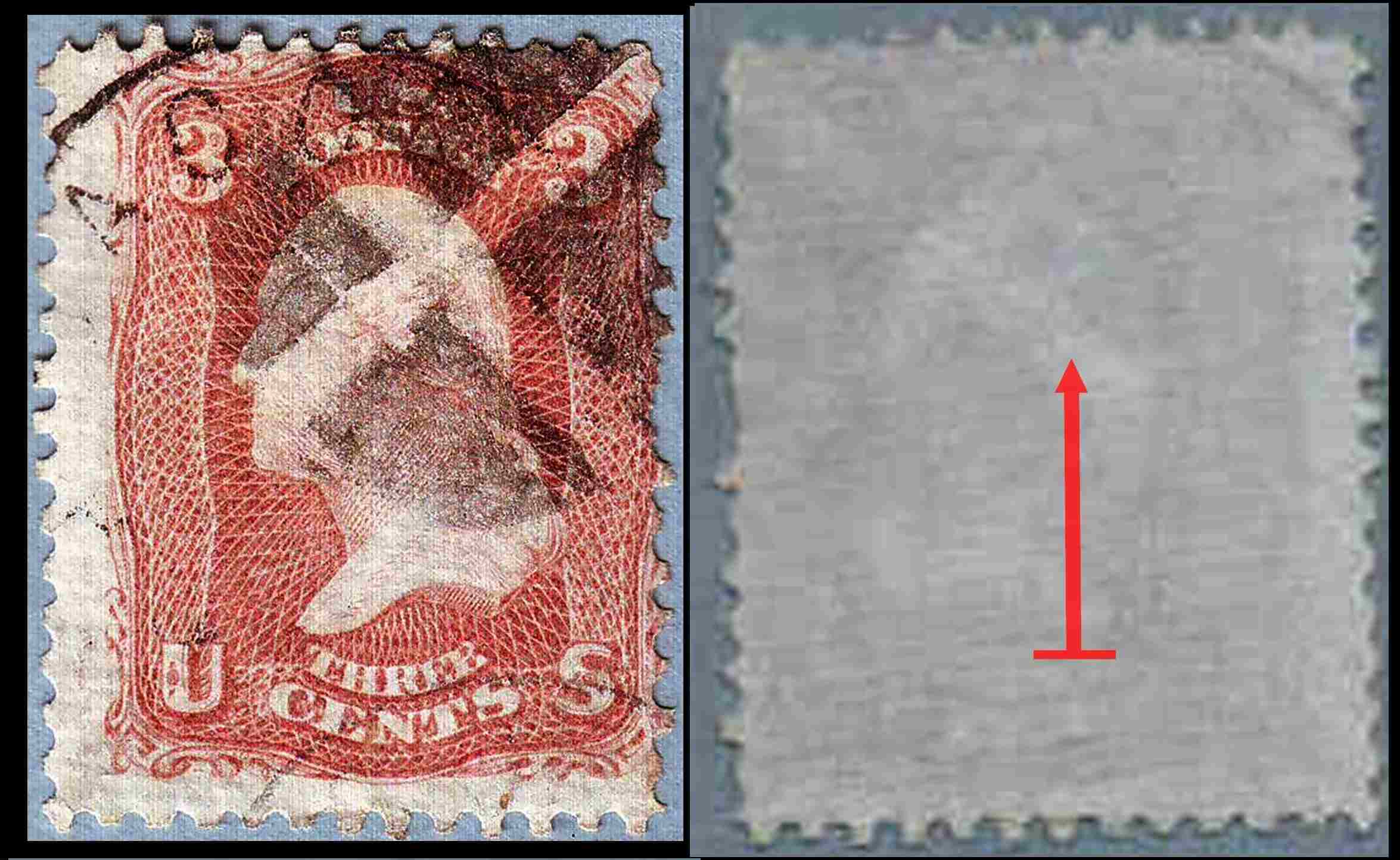 |
|
Send note to Staff
|
|
|
Pillar Of The Community
United States
2555 Posts |
|
|
I have a 3c 1861 on what you could call horizontally ribbed paper. It doesn't seem to be the same as the one above but I can't tell. There is nothing useful about the image of the back of that 3c 1861, AJ. I also have an R39c revenue that I have said is on vertically laid paper but it doesn't look like a ribbed paper banknote or my 3c 1861. I would have to dig some stuff out as a refresher but I have always felt that the paper of the ribbed paper banknotes was different in more ways than just the ribbing. |
|
Send note to Staff
|
|
|
Pillar Of The Community
United States
2555 Posts |
|
|
It seems to me that if the ribbing was created by a worn belt, then intuition would suggest the ribbing should be parallel to the direction of travel but in the case of the ribbed banknotes and even these 3c 1861's, the ribbing is perpendicular to direction of travel. |
|
Send note to Staff
|
|
|
Valued Member
213 Posts |
|
|
Oh great! I also collect Fox River Valley. For those of you unaware, the Fox River Valley of Wisconsin was the largest paper producing region in the world in the 1880s and 1890s. Dr. Dard Hunter started his paper museum there in Appleton, although it later moved to Atlanta. The paper mills pulped a lot of their own correspondence, so philatelic material from this time is quite scarce. Only a handful of covers are known. By sheer chance, I found this unbelievable all-over illustrated cover (below) showing the locks and everything! (Judges mark it down because it is trimmed, edge worn, and damaged--but it's the only one known.) The Richmond Brothers erected the first paper mill in Appleton in the 1850s. Rare stamps and unique covers, now we're talking Paper History! 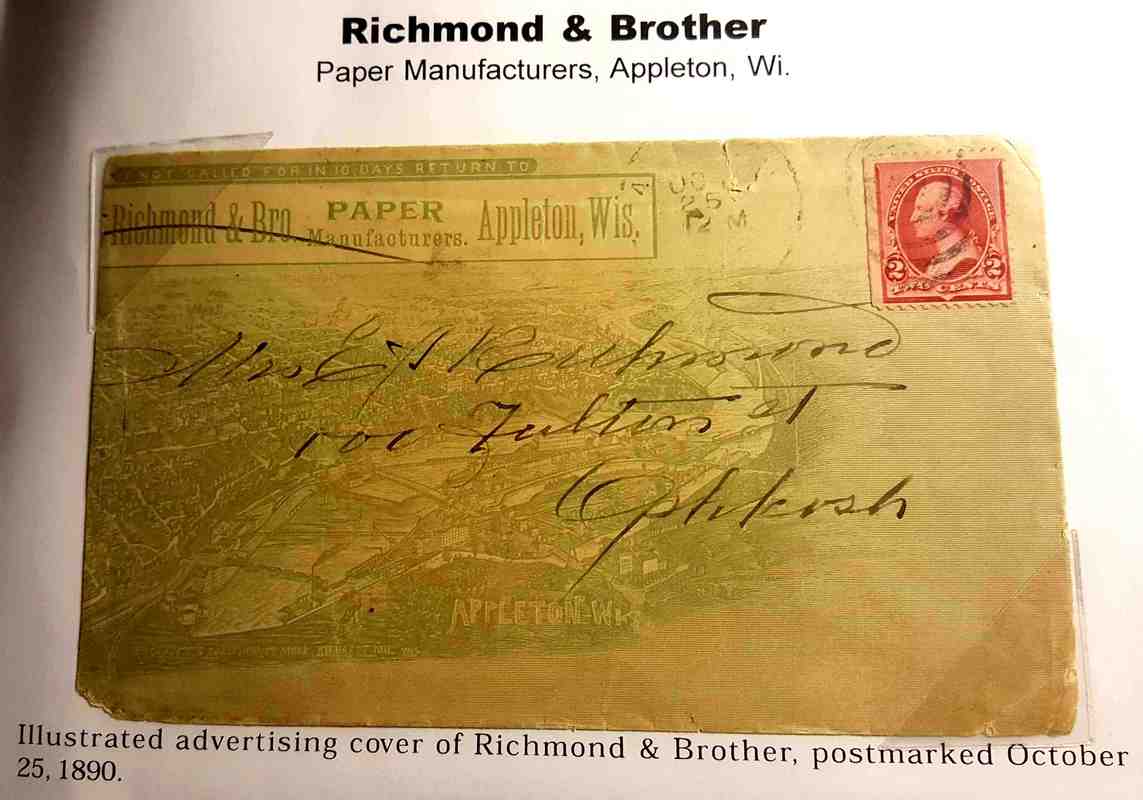 |
|
Send note to Staff
|
|
|
Pillar Of The Community
United States
1946 Posts |
|
|
Quote:
the prevailing theory regarding ribbed paper is it was purpose made by a dandy roller. This is why you see the prior post depicting a dandy roller. Sorry to disagree, A. J., but you have overlooked my earlier post: Quote:
RIBBED PAPER: despite the researches and conjectures of Roy White, the mechanism by which ribbing was embedded in/upon machine made paper has not yet been unambiguously determined. My remarks about ribbed paper refer specifically to the ribbing we observe on some stamp paper used by the Continental Bank Note Co in the mid 1870s. I make no comment about its similarity in appearance or origin with any earlier or later "ribbed" paper. As a stamp paper phenomenon, this ribbed paper was first described early in the 20th century. While the question of its intentionality certainly is up for grabs, the association of the Dandy roll with this ribbing is not a prevailing view, and makes no sense. Quote:
Now, what I am reporting is something closer to the truth. Yes, its a watermark, .... Since the example you use to illustrate this point is from a product of a different company of a decade or more earlier, I will merely observe that ribbing from the 1870s does not behave at all like a watermark, inasmuch as it is not rendered visible in watermark fluid nor on transillumination. Can you cite any authorities who describe the process by which ribbing was done in the 1870s? If so, would you be willing to do that here? Quote:
For those of you unaware, the Fox River Valley of Wisconsin was the largest paper producing region in the world in the 1880s and 1890s. Dr. Dard Hunter started his paper museum there in Appleton, although it later moved to Atlanta. Since you are familiar with the Fox River Valley, perhaps you have heard of my hometown, Neenah? I believe the paper museum you speak of was part of the Institute for Paper Chemistry which used to be at Lawrence University in Appleton, but in 1989 moved to Georgia Tech in Atlanta. However, I have not heard that any of the paper companies in that area serviced the stamp producers in the 1870s. Anything new to report on that score? Still waiting for that bibliography I asked about earlier. Do you have something? |
|
Send note to Staff
|
|
|
Pillar Of The Community
1375 Posts |
|
|
Pillar Of The Community
United States
1946 Posts |
|
|
The move is now finished. One interferance down and two to go, then I can attend to this thread again. Any chance we will be hearing from AJ again? |
|
Send note to Staff
|
|
|
Pillar Of The Community
United States
2555 Posts |
|
|
I would like to bring to the front a couple of my previous remarks so that we can revive this wonderful thread. Quote:
I would have to dig some stuff out as a refresher but I have always felt that the paper of the ribbed paper banknotes was different in more ways than just the ribbing. Indeed. The most readily apparent of the differences is the increased opacity of the paper, whether you are examining with reflected light or by transmitted light. Also, with the ribbed paper there is a total lack of any mesh pattern left by the wire of the paper machine. These are huge differences that I don't believe were created by the same equipment or process. Quote:
It seems to me that if the ribbing was created by a worn belt, then intuition would suggest the ribbing should be parallel to the direction of travel but in the case of the ribbed banknotes and even these 3c 1861's, the ribbing is perpendicular to direction of travel. The above quote of mine has a time stamp of 12:50 A.M., clearly I should have been in bed. What I meant is that the large bank notes on ordinary paper were printed on a paper with a grain that runs east-west, as evidenced by the vertical stitch watermarks that can be found on them. I have not been able to find a single example of a horizontal stitch watermark on a large banknote. Most of the regular issue large banknotes on ribbed paper are printed on a vertically ribbed paper. I surmised that the grain runs parallel to the ribs. As it turns out, I believe that to be true. Below is an image of a horizontally ribbed stamp at left and a vertically ribbed stamp at right. I clipped pieces out the horizontally ribbed stamp and overlaid them on the vertically ribbed stamp. The result shows that the vertically ribbed stamp is taller and narrower, just as you would suspect with vertical grain. 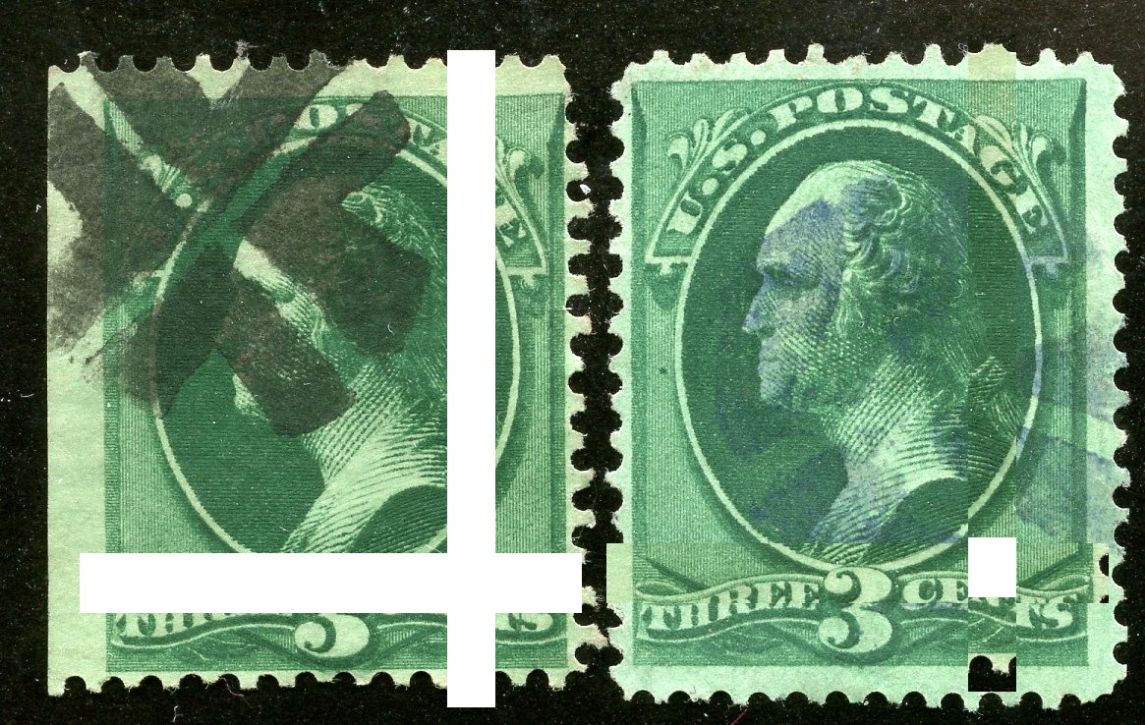 Why is this important? It seems to be all but impossible to find a normal large banknote printed on paper with north-south grain but the exact opposite is true for the ribbed papers! I think this is prima facie evidence that the ribbed paper is a different paper and not just some artifact of worn mill equipment on normal paper. |
|
Send note to Staff
|
|
|
Pillar Of The Community
United States
2555 Posts |
|
|
It should be understood that I am not suggesting the ribbing was an intentional characteristic of the ribbed papers nor am I disagreeing or endorsing AJ's explanation of the cause of the ribbing. |
|
Send note to Staff
|
|
|
Replies: 56 / Views: 12,851 |
|



 Posted 03/22/2018 10:02 am