| Author |
 Replies: 8 / Views: 1,451 Replies: 8 / Views: 1,451 |
|
|
Pillar Of The Community
3865 Posts |
|
|
|
In the book "The Stickney Rotary Printing Press" by Louis E. Repeta, he mentioned that in addition to U.S. stamps some stamps from Belgium, Canada, Cuba, Czechoslovakia, Poland and Sweden were also printed by this press.
I am currently looking for which stamps from Poland were printed by this press. The stamps would have been recess line engraved (intaglio) and most likely line perforated. Also, they would be from after WWI and before WWII.
So far, I have found the following stamps by Scott catalogue number which fit the above description:
253, 254, 255, 267, 275, 277, 278, 282, 283, 285, 286, 293, 305, B28, C10, C12, J92, J93, J94, 1K19, 1K24
However, I cannot be sure about these stamps are Stickney rotary press printed unless I can find more information on them and I am able to confirm whether they have any gum breakers on their gum. Any help would be greatly appreciated.
|
|
Send note to Staff
|
| Edited by jogil - 05/02/2018 12:32 pm |
|
|
|
|
Pillar Of The Community
Australia
554 Posts |
|
|
The main reference for pre-war Polish stamps is still "Polskie Znaki Pocztowe" Warsaw, 1960. According to this all of the stamps you list were printed flatbed not rotary, usually in sheets of four sectors, the printing press is listed as "Nadherny" if that means anything to you.
I must admit that I've never really looked at the printing descriptions, it's all a bit dry & there's a fair bit of it. A couple of obsevations after a quick perusal.
Most pre-war Polish stamps were printed typo flatbed, even definitives with runs into the millions, but some of these were also printed rotary, usually on different paper which makes collecting them easy.
The only ones that have the printing press named are the ones you list, that is until 1937, when the "Goebel" printing press was introduced & most Polish stamps were printed using that & I see that these were comb perforated.
I'll have a slower look over time & see if there's any more info hidden in the book. Any more info on the Stickney press, when was it mainly used? |
Send note to Staff 
|
|
|
Pillar Of The Community
3865 Posts |
|
|
YeaPolska: Thanks for the information. In the U.S., the Stickney press was used from 1914 to 1962
The confusion probably comes from this footnote in Scott:
"There were two printings of Nos. 176-190, the first being from flat plates, the second from rotary press on thin paper with perforations 12 1/2."
However, these stamps were not printed by recess line engraved (intaglio) printing. |
|
Send note to Staff
|
| Edited by jogil - 05/03/2018 08:17 am |
|
|
Rest in Peace
Netherlands
963 Posts |
|
|
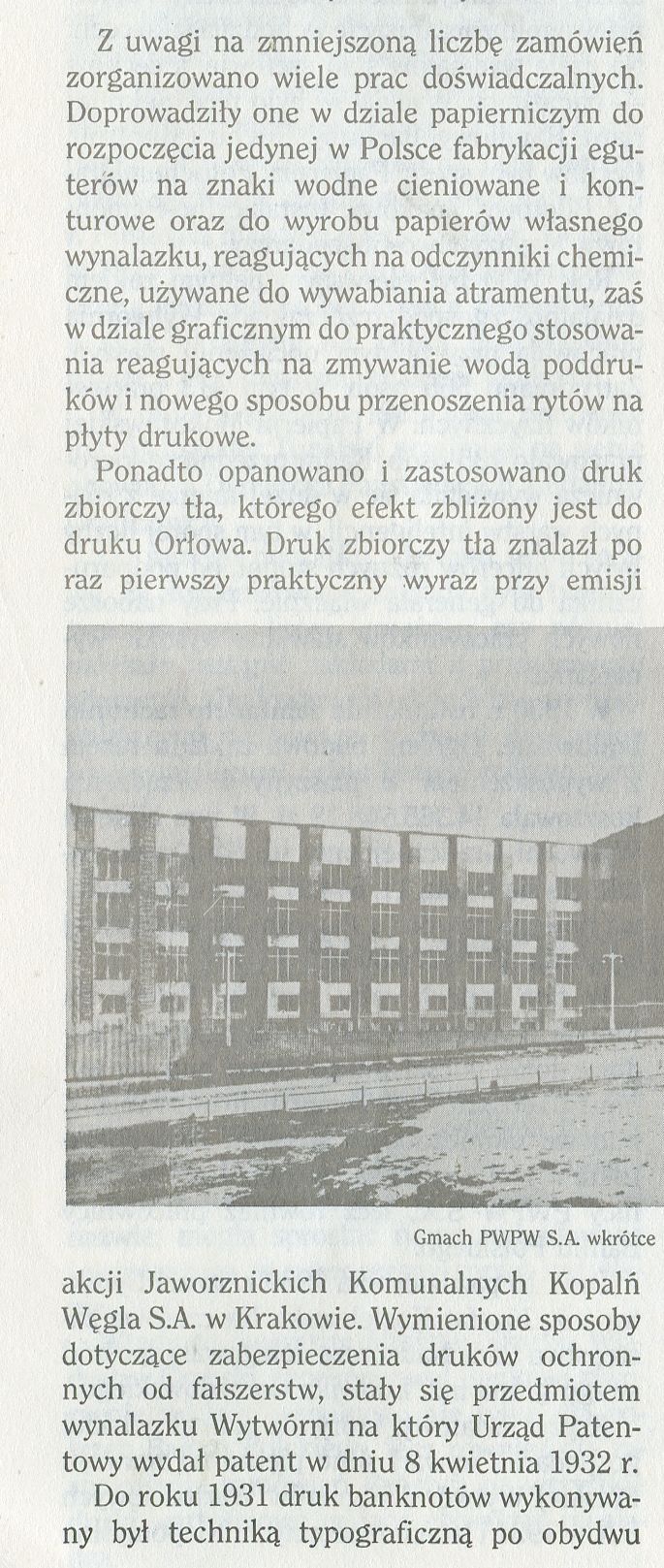
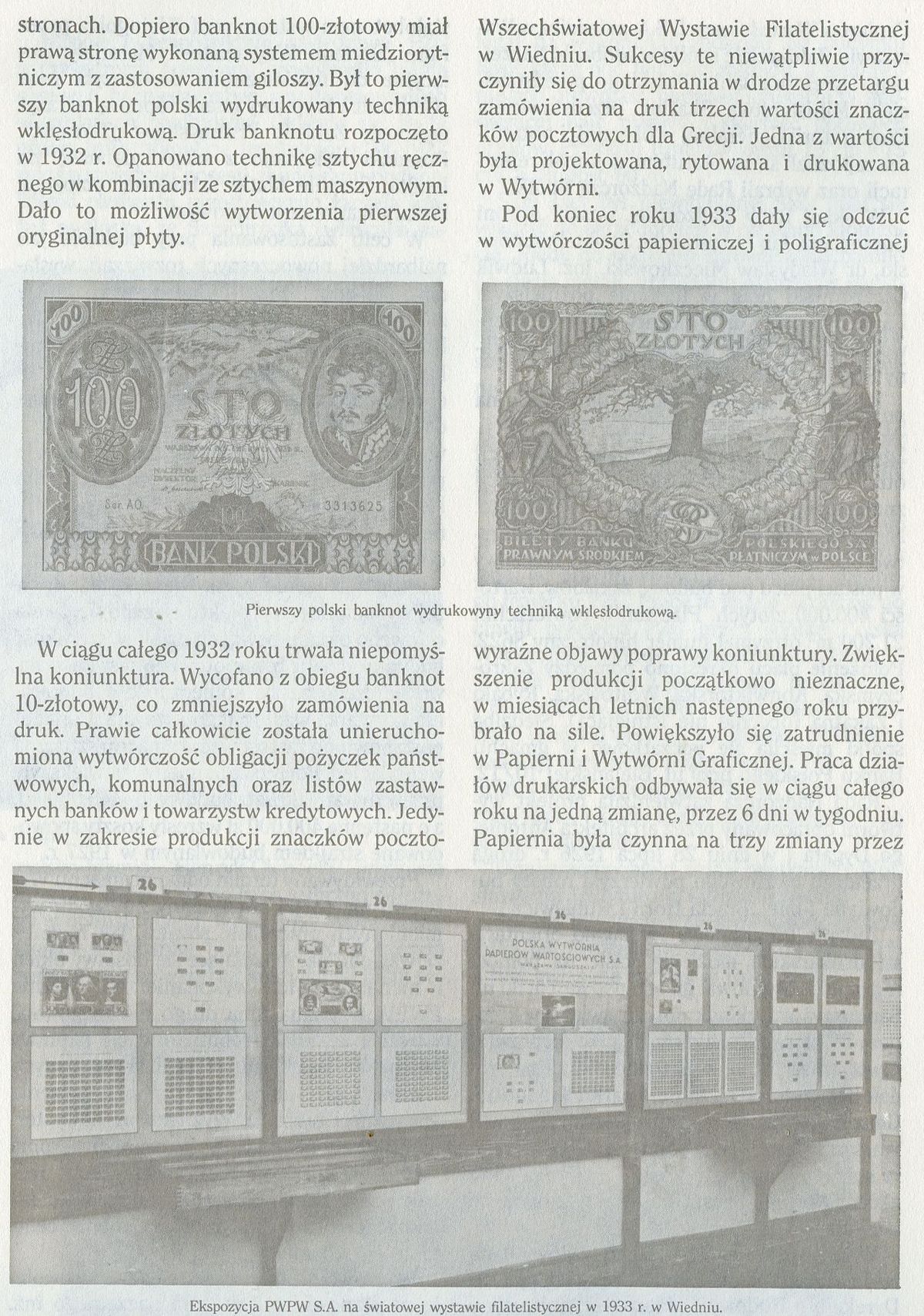
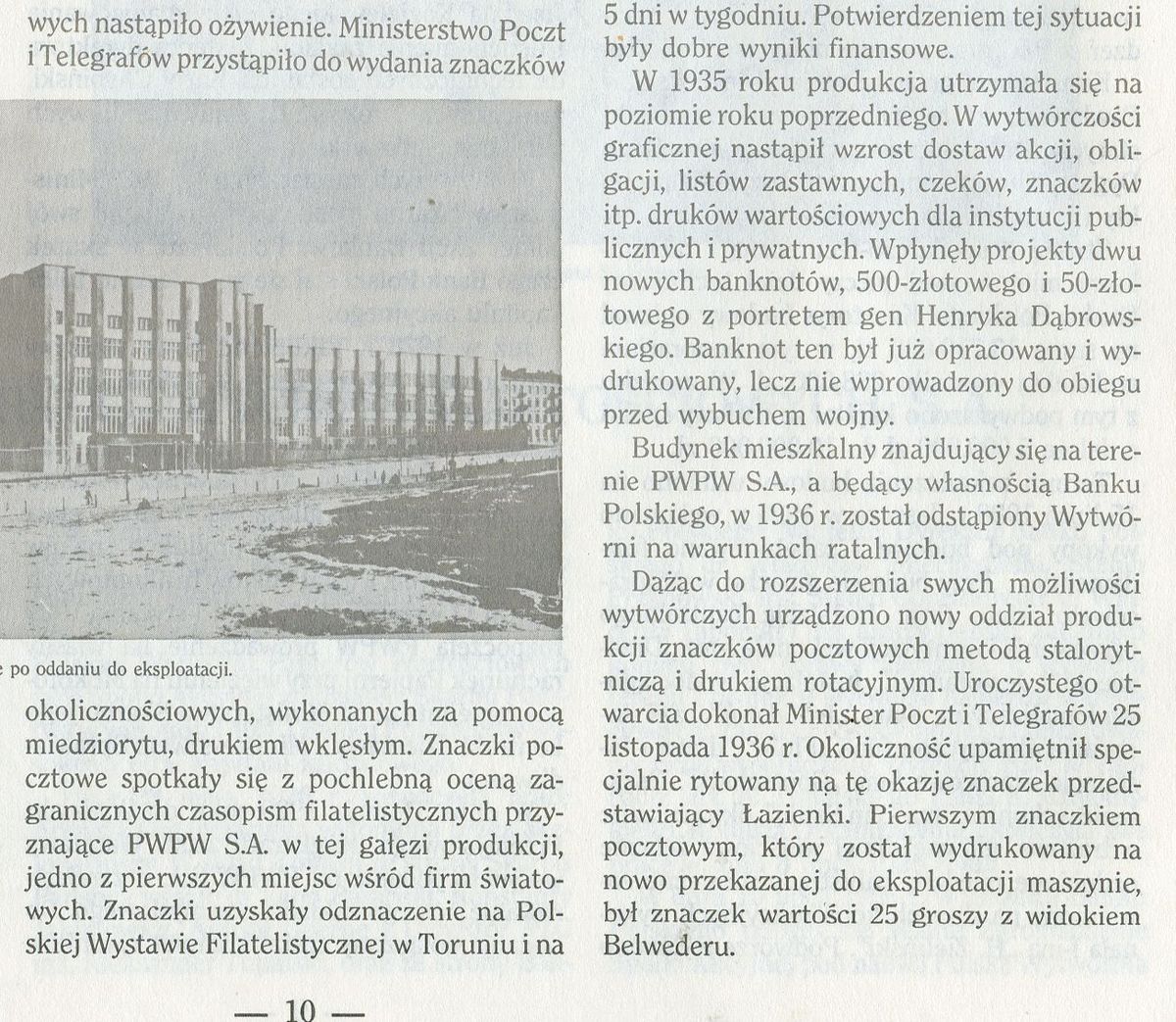
I am in Poland right now, but back at home I can look thorugh the PWPW [State Printers] 75 years history book. I did this once, but don't think I found any Stickney in there. |
|
Send note to Staff
|
|
|
Pillar Of The Community
Australia
554 Posts |
|
|
I've just had a look at THE tome for Upper Silesia, "Handbuch von Abstimmungsgebiet Oberschlesien" edited by Rolf Ritter & there is no mention of what type of printing preses were used for the Miners stamps. |
|
Send note to Staff
|
|
|
Pillar Of The Community
3865 Posts |
|
|
Pillar Of The Community
Australia
554 Posts |
|
|
No, the Polish word used is "Wypuklym" which translates as Typography. The German "Buchdruck", which is the same. This applies to all the stamps in the series, the lower fennig values as well as the higher Miner Mark values. |
|
Send note to Staff
|
|
|
Rest in Peace
Netherlands
963 Posts |
|
|
Pillar Of The Community
Australia
554 Posts |
|
|
Looks like a nice book, haven't seen it before, doesn't appear to be a copy available on the net at the moment. Here's the Greek stamp. Scott 381 1934 Athens Stadium. It sells for about a buck used but over $100 mint! Designed, engraved & printed in Poland. 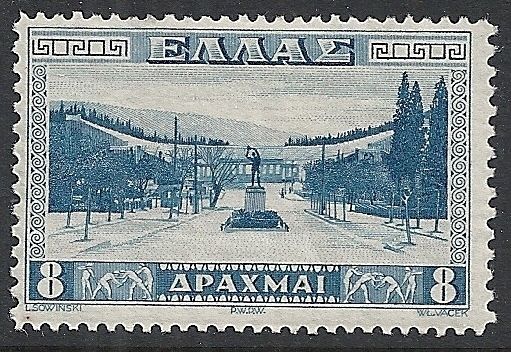 |
|
Send note to Staff
|
|
| |
Replies: 8 / Views: 1,451 |
|




 Posted 05/02/2018 12:28 pm