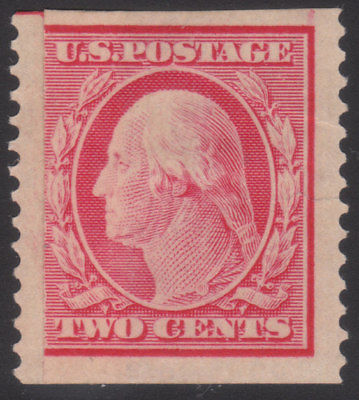
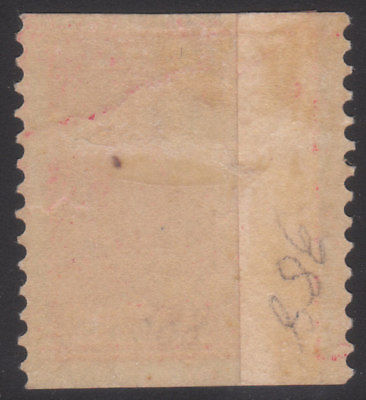
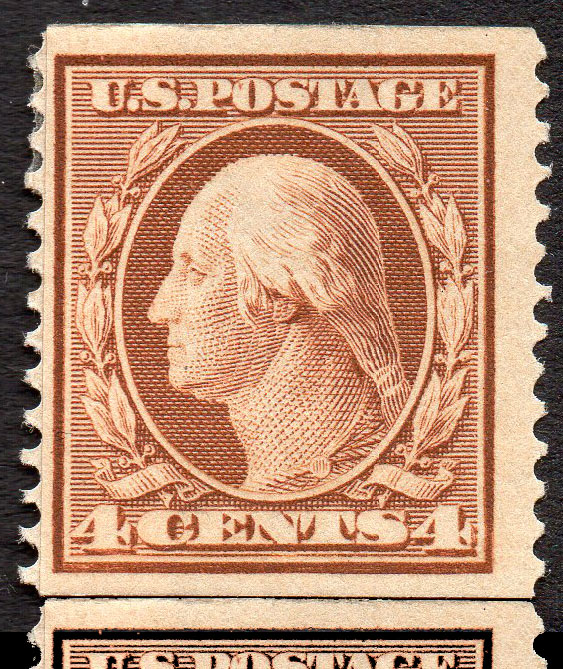
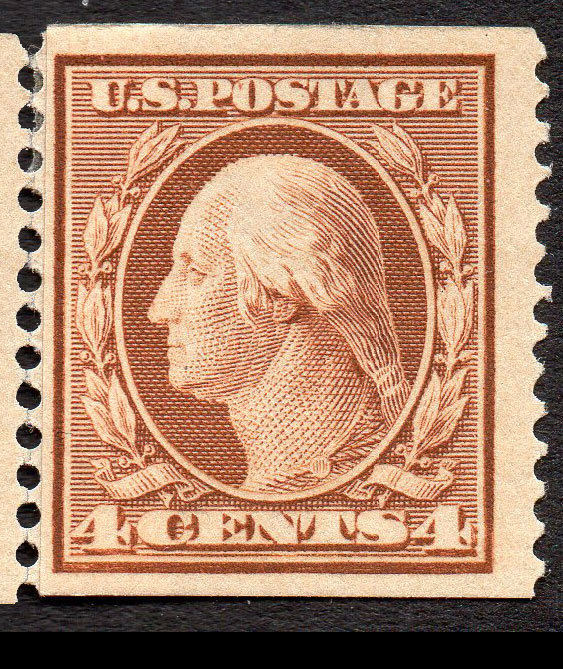
The "388 paste up single" by the OP is a non-starter because of the curved top margin and the pastel color. Some 388 coils were auto wound products of the new coil stripper associated with the Stickney Rotary press still under development. Hand assembled coils would be expected to show width differences at every paste up. Auto wound coils were a uniform width except for the row at the top or bottom of the web. An 11th knife was added before the transition to perf 10 flat plate coils. Lack of a center line suggests that the stamp is from a booklet with a vertical watermark or from a 384 sheet with perforations added. The color of a 388 should be expected to be deeper, but not the bright carmine seen on fakes made from auto wound imperforate coils.
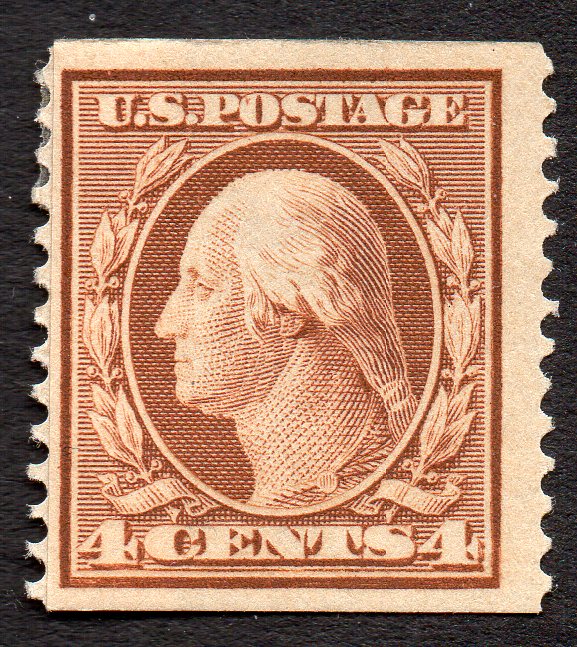
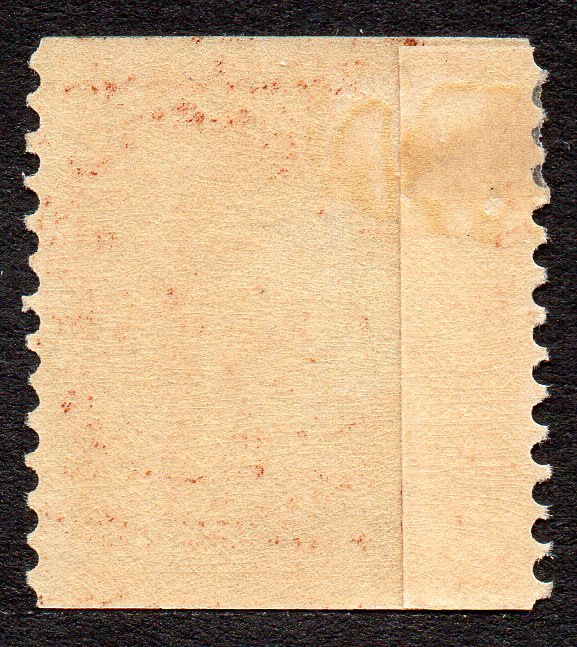
The 354 single could be genuine. The edges may be parallel enough to be genuine, but a 1200 or 2400 DPI scan would be more definitive. Because the scan had good metadata, it was possible to verify that the perforations were 12-66 and that the deviation between the top and bottom edges was close to the 0.001" (0.025 mm) criteria I use as a test for genuine flat plate coil edges. The bottom edge appears to be more sharply cut than the top edge, but direct examination would be required. Because imperf 4 cent horizontal coils were not available, most fakes fail because the top and bottom edges don't match. Finally, the perforations on the right side do not match as closely as I would like to the left side perforations. Direct examination of the perforations on the right side would be needed.
The bottom line: Some fakes are more dangerous than others.





 Posted 09/06/2018 5:22 pm