| Author |
 Replies: 59 / Views: 4,744 Replies: 59 / Views: 4,744 |
|
Pillar Of The Community
673 Posts |
|
|
|
Hi All,
I'm working on a study of the Continental issues with silk fibers or "paper with colored fibers". Was wondering if anyone has any examples that they can scan and post up here? I have a couple but I need a lot more for what I'm working on. Would greatly appreciate it.
Thanks,
-S
|
|
Send note to Staff
|
|
|
|
|
Pillar Of The Community
United States
8956 Posts |
|
|
You could search the forum for "silk paper". You will find plenty of examples of these
Peter |
Send note to Staff 
|
|
|
Pillar Of The Community
Spain
518 Posts |
|
|
Hi. It does not serve to scan stamps with white paper. It is easier with paper of color, as this one MICHEL CH 766. Regards.  |
|
Send note to Staff
|
|
|
Pillar Of The Community
673 Posts |
|
|
I think I need to be more clear.
Have MORE than enough examples of "Silk Paper".
What I'm looking for specifically are the US SCOTT #156 through Scott #166 with "Paper with Silk Fibers" or "Paper with colored fibers" as described in the listing (actually only 159 is described as "Paper with colored fibers"). Garden variety "silk fibers" are not the focus. Revenue stamps, not the focus. Only 156 - 166.
|
|
Send note to Staff
|
|
|
Pillar Of The Community
United States
3293 Posts |
|
|
Quote:
You will find plenty of examples of these I think most of the silk paper conversations have been about U.S. revenue stamps. |
|
Send note to Staff
|
|
|
Rest in Peace
United States
920 Posts |
|
|
Pillar Of The Community
673 Posts |
|
|
@littleriverphil, yes, that is correct, and these are not at all like the fibers in the revenues or the private die (experimental silk). I'm particularly intrigued by the Scott catalog describing the 159 as "Paper with Colored Fibers". Though looking at Siegel I can find no stamp in their history described as such. One does mention a 159 with "silk fibers", but Scott doesn't recognize it.
@Caper123, thanks for these examples. Just want to mention that these are not silk fibers. They are fairly common in many of the continental issues, something of the makeup of the pulp in the paper. They may however, be what become "colored fibers" if exposed to the printing ink, but I've not yet proved that.
|
|
Send note to Staff
|
|
|
Pillar Of The Community
United States
2555 Posts |
|
|
I have a few examples of what I am calling continental silk paper although none of them are as astonishing as the #178 that Clark posted a while back. There is also potentially some variation between students as to what is continental silk paper, as evidenced by various comments and images posted here on SCF. I may post mine but perhaps you could lead with some of your own images :)
What is it that you expect to gain through this study? Does it begin with an initial set of beliefs, theories, or assumptions? |
|
Send note to Staff
|
|
|
Valued Member
213 Posts |
|
|
The silk-threaded revenue stamp paper was made by Hudson-Cheney paper Company. Mr. Cheney, being a former silk importer, had his eyes on the banknote paper contract held by Willcox. Willcox, at the time, used jute fibers in the currency paper. The issue came to a head in 1878 when the banknote contract came up for bidding, and was won by Crane & Co., who continues to make US currency paper to this day.
Due to cost-cutting there was a steady digression of silk within revenue stamp paper such that by the mid-1880s there ended-up perhaps no more than one single strand per stamp. However, even this meager offering is substantially more than what can be said of the so-called "Continental silk papers."
The paper for banknote-era stamps was made by the Crane Brothers of Westfield MA. They were capable of making double paper with silk threads embedded within. I'm currently researching the national archives to see what else I can find about them.
The paper machine, pulp, and process used to make stamp paper was completely independent from what may be considered silk-threaded bank security paper (checks, certificates, etc.). The machine used to produce security paper would occupy a different location within the plant. Silk was an expensive commodity, and for it to be handled so casually as to migrate to a completely different area of the plant simply defies explanation.
What we do know about revenue stamp paper had been carefully recorded by the Treasury department, doubtless because they had a vested interest in security matters. On the other hand, Post Office department records are largely silent on this issue, with certain exceptions found in the Travers Papers (e.g. experiments with wood-pulp paper in the 1880s, experiments with chemical removal of cancellation inks in the 1870s).
In short, one should not believe everything one sees in the US Catalog with regard to 19th century stamp paper, especially listing emanating from the 19th century itself. Such paper varieties were largely based on unfounded speculation at the time. Anyone who is of the opposite opinion however, knock yourself out.
|
|
Send note to Staff
|
| Edited by AJ Valente - 01/03/2019 9:00 pm |
|
|
Pillar Of The Community
United States
2555 Posts |
|
|
On that note, I will post an item from my collection to help the discussion along. AJ, feel free to comment on it. 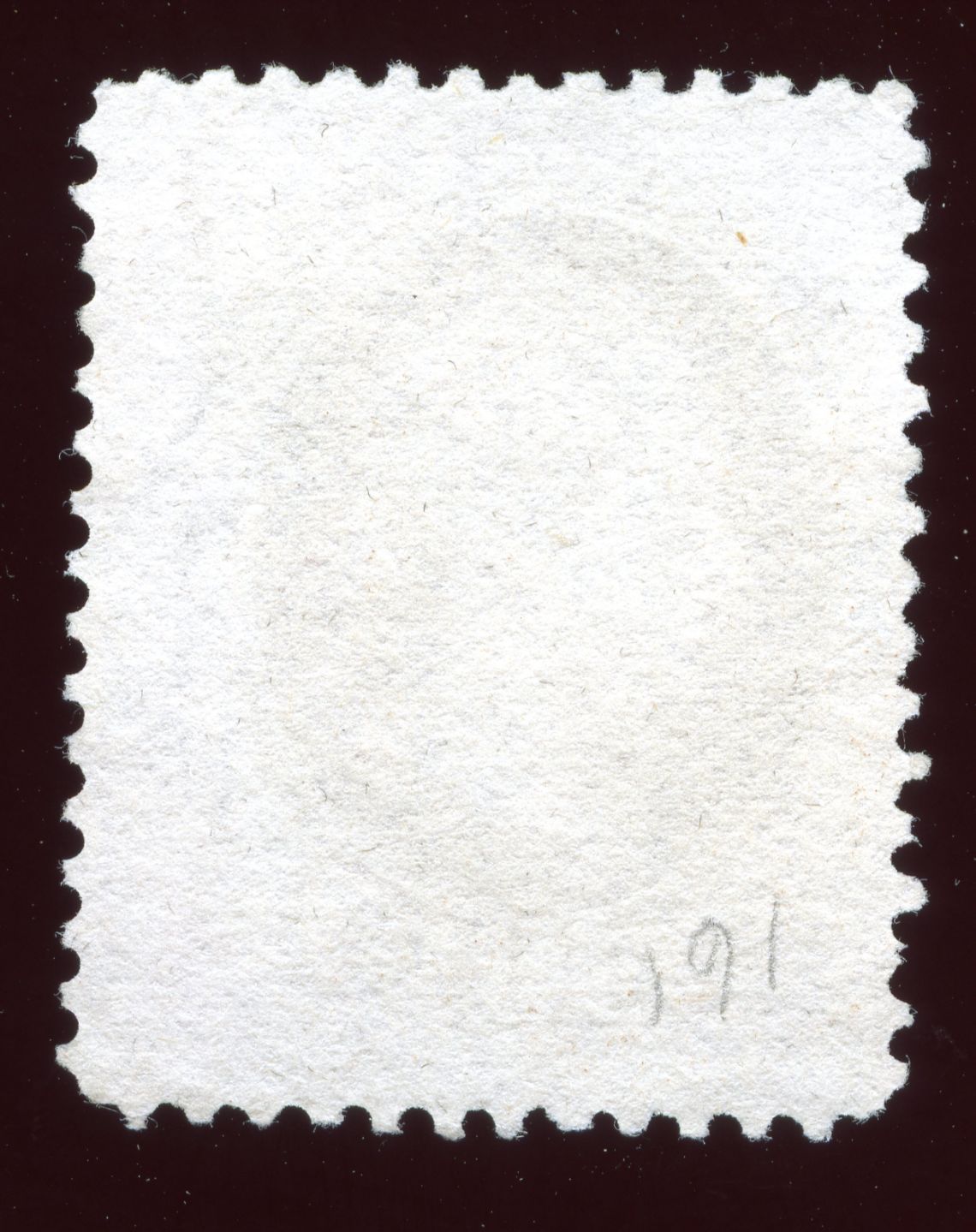 |
|
Send note to Staff
|
|
|
Pillar Of The Community
United States
2555 Posts |
|
|
Bedrock Of The Community
United States
10851 Posts |
|
|
"Due to cost-cutting there was a steady digression of silk within revenue stamp paper such that by the mid-1880s there ended-up perhaps no more than one single strand per stamp".
I would like to know exactly where this information comes from. I have never seen any sign of this in my 48 years of studying revenues. It is true that the silk threads were often unevenly mixed, so some stamps had a lot more then others. I had the opportunity to examine the imperf block of 144 of the Neubauer & Co (RO140bvar, PFC 482271) which showed this clearly. The only silk paper with one strand per stamp was experimental silk, which was issued in 1870 at the beginning of the silk paper era. |
|
Send note to Staff
|
|
|
Pillar Of The Community
United States
1414 Posts |
|
|
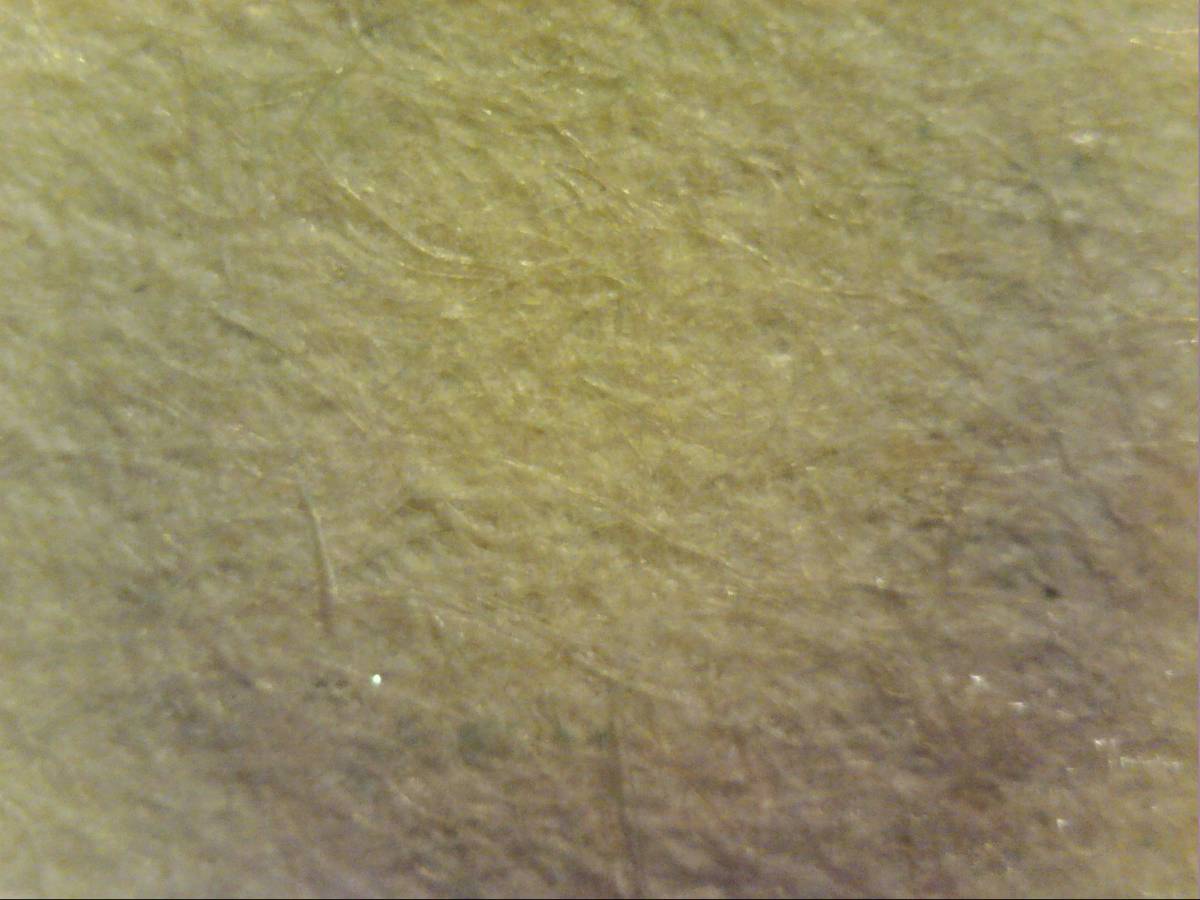
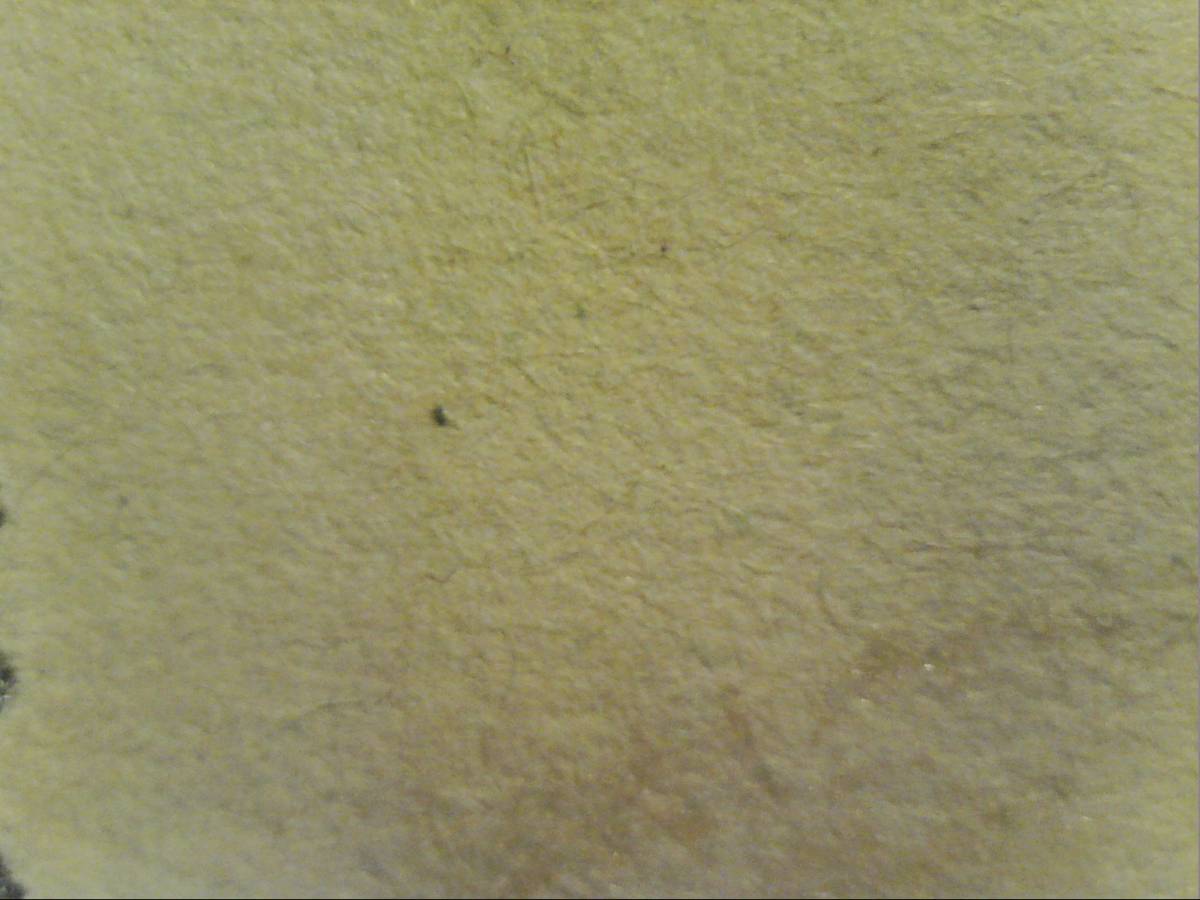
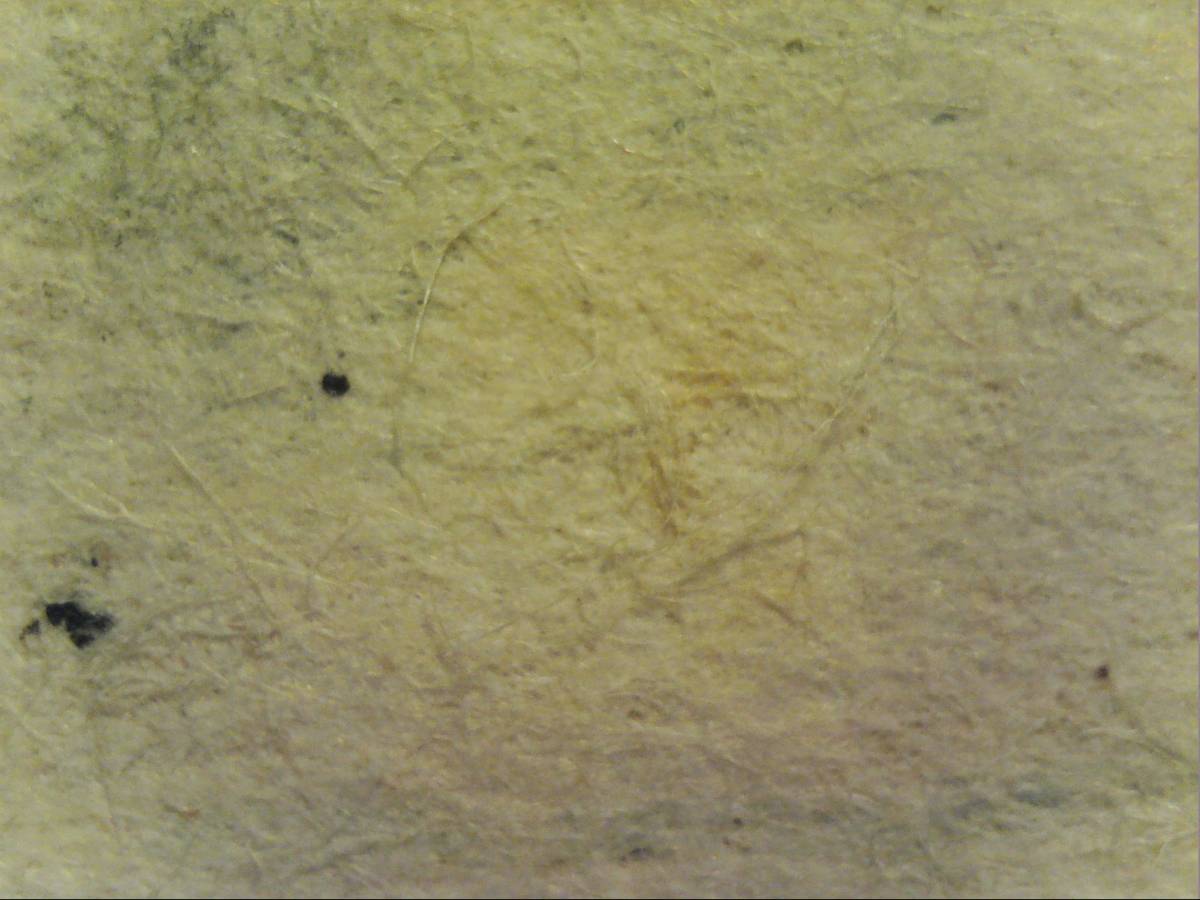
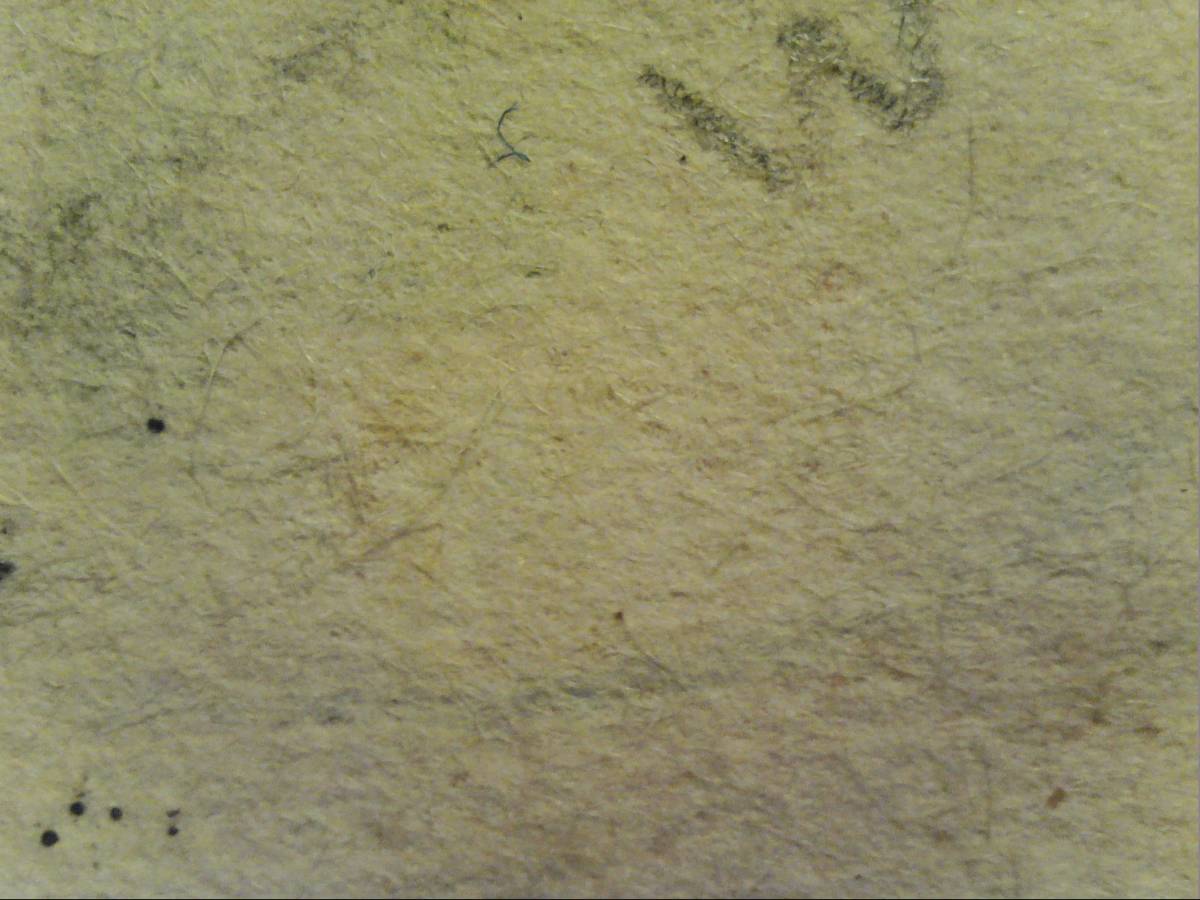
Random observations about Continental Silk Paper. Continental Silk paper was in use for a fairly short period of time. On cover examples are scarce because a good 10x or 15x magnifier is needed to spot examples. The fibers are visible front and back. I have an article that I will hand out again at the APS Summer Seminar Banknote course that debunks the notion that the fibers are silk. Fibers tested were cotton or linen. Fibers in Continental Silk paper are black, almost too small to see and are numerous. The Scott 6 cent listing of color fibers is unconfirmed in my opinion. I have not seen the Landau exhibit covers. A cover in the bank vault matches other Continental examples. Dates of production do not align with 24 cent silk paper examples, but I estimate that twenty or more exist, most likely unnoticed. Whether the fibers were pulp contamination or intentional is still open to debate. If the Ron Burns paper study is published, some of these questions may have more definitive answers. The second image is from a loose stamp, not from the cover in the first image: 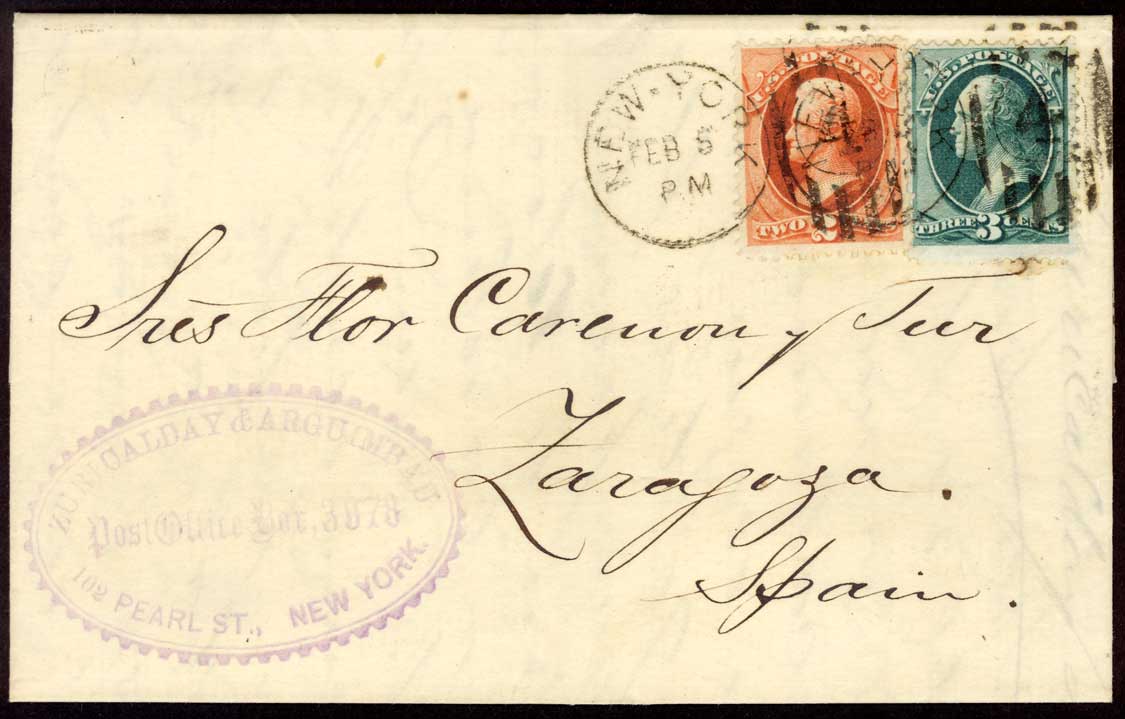 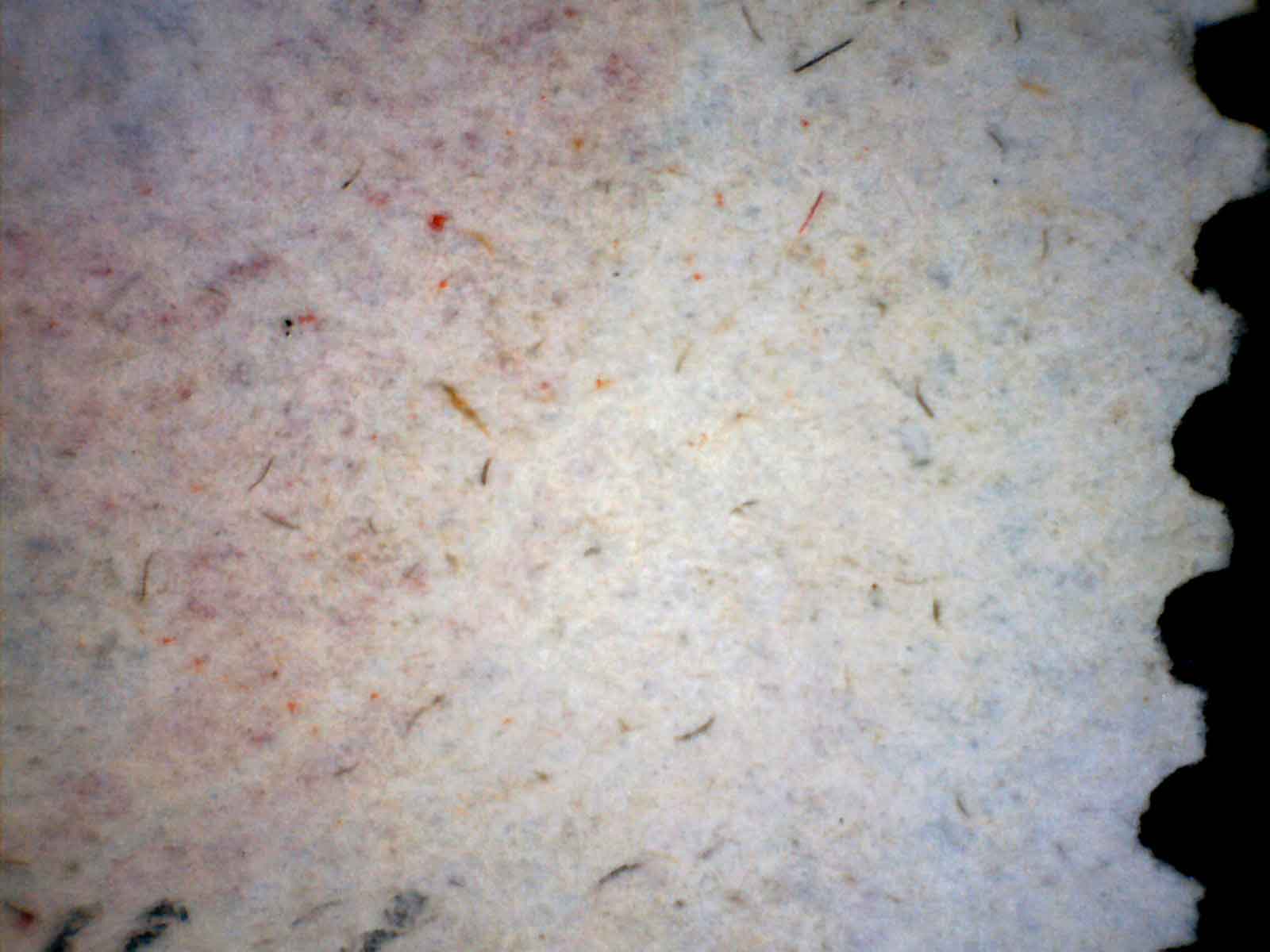 From a communication to Bill Weiss several years ago: "Continental silk fibers are small and numerous. Fibers will be visible in the margins or unprinted areas from the front and all over the back if accessible. The paper is slightly thicker and softer than the thin hard or very thin National Bank Note papers and earlier Continental Bank Note hard paper. Except for ribbed paper which appeared before the Continental Silk paper, printing on Continental Bank Note stamps seems less defined with fewer small details and thin lines showing. One way, as yet untested, to separate near black Continental 30 cent printings from black National Bank Note printings is to evaluate the quality of the impression. Sometimes, black ink flecks on the 30 cent may appear to be fibers. Finding Continental silk fibers is easier on the 6 cent Scott 159 or the 2 cent vermilion Scott 178. Few silk paper examples on cover have been recorded because few have looked. I found a couple in Ed Hines stock at Washington 2006 including a nice international usage of the 6 cent 159." |
|
Send note to Staff
|
| Edited by cfrphoto - 01/04/2019 12:37 am |
|
|
Pillar Of The Community
1375 Posts |
|
|
hello ClassicPhilatelist,
perhaps you show some of your examples?
with images you can show what your research is about. |
|
Send note to Staff
|
|
|
Pillar Of The Community
United States
796 Posts |
|
|
rev collector is correct that uneven mixing occurred. silk fibers are usually blue and small. jute cloth fibers and wood pulp are often present and show as black or brown and can be mistaken at times. xerox copies of the Newbauer block are in the PF reference collection. the silk in this block runs the gamut in size and distribution.
cfrphoto you have a real nice example and thanks for sharing it. |
|
Send note to Staff
|
|
|
Valued Member
213 Posts |
|
|
The environment of 19th century paper mills was really bad. In the case of the Crane Brothers mill, one machine making manila paper operated side-by-side with another machine making fine printing paper. The air was often filled with soot, dust, straw, jute, textile fibers, excess moisture and debris of various kinds. See Judith McGaw, Most Wonderful Machine, Chapter 9, page 310. Some paper mills, especially those making fine papers, took to hanging curtains and canopy's over the working parts of the machine to keep deposits of airborne materials to a minimum. (See image) It's hard to verify in specific cases since photographs and images of the plant are lacking. Whatever methods the Crane Brothers used to mitigate the problem worked rather well. Still, over the course of many years there may have been episodes of contamination that have gone unnoticed. Leave it to stamp collectors to notice such things.  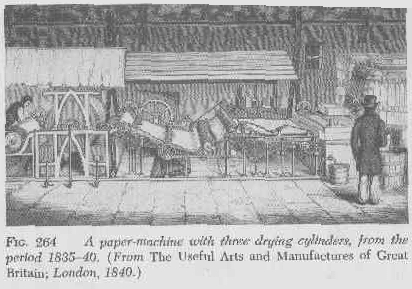 |
|
Send note to Staff
|
| Edited by AJ Valente - 01/04/2019 09:32 am |
|
|
Replies: 59 / Views: 4,744 |
|




 Posted 12/31/2018 1:28 pm