| Author |
 Replies: 64 / Views: 5,245 Replies: 64 / Views: 5,245 |
|
|
|
Pillar Of The Community
Canada
5821 Posts |
|
|
Rest in Peace
Netherlands
963 Posts |
|
|
Martin,
I am not saying Gratton is wrong, but I would like to know his arguments for this being Rolland paper apart from the colours of the gum.
You may be a paper chemist but without invasive methods that is of no help to you!
Rein
PS
"Stamp expertizing
Specialty : errors, freaks, oddities, color errors, missing printing, paper defects, fakes, forgeries, publishing articles in journals"
Apart from publishing it sounds too freaky to me :) |
Send note to Staff 
|
| Edited by Galeoptix - 02/20/2019 12:53 pm |
|
|
Rest in Peace
Netherlands
963 Posts |
|
|
Martin,
The report which you ae referring to may impress people but me!
Measurements do not play a role, it is the preffered direction of the fibres that counts and the curling may support it.
There is NO reason why one would add "laid lines" to an existing wire/sieve of several meters long. But even if it pays to add those "lines" they should be intertwined into this existing line-binding of the sieve which - although possible - would give a different effect to the normal "rhomboids" of a linen-binding. And this should show and these experts shpuld have mentioned this side-effect!
They didn't!!
Rein |
|
Send note to Staff
|
| Edited by Galeoptix - 02/20/2019 1:41 pm |
|
|
Rest in Peace
Netherlands
963 Posts |
|
|
Pillar Of The Community
Canada
5821 Posts |
|
|
   Rein said: Quote:
Normal linen-binding with probably later on applied horizontal lines in the finishing off of the paper!
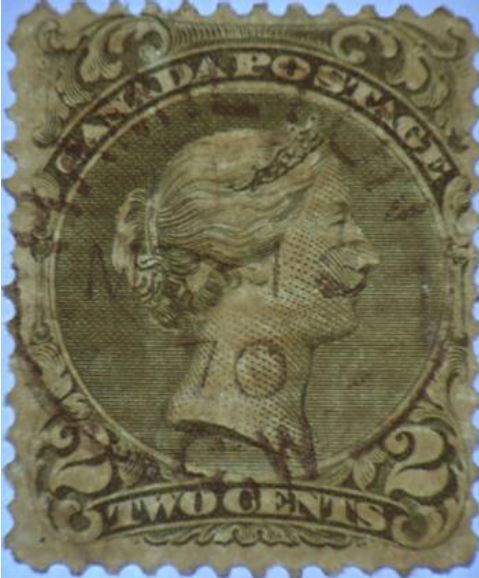
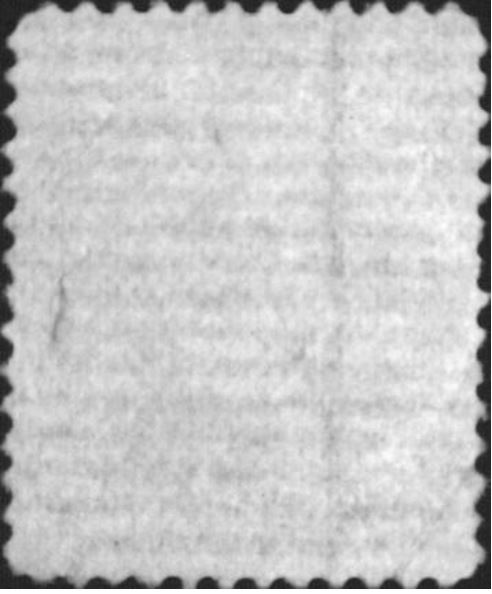
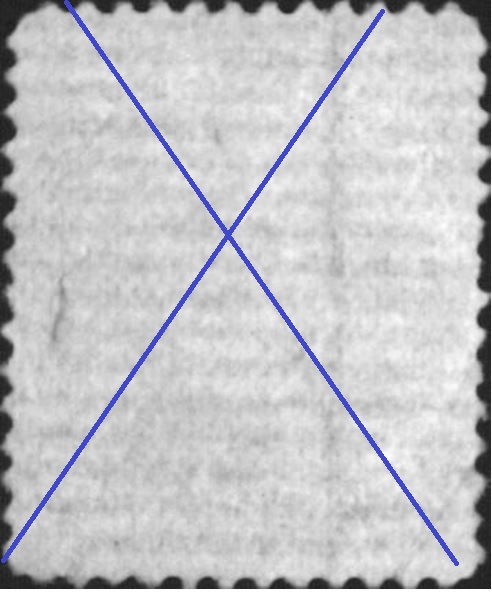
NO LAID PAPER! Rein are you saying that this 2¢ Large Queen on laid paper above which was sold at auction in 2014 for $215,000. plus 15% buyers premium, ($247,250) is NOT laid paper ? |
|
Send note to Staff
|
|
|
Rest in Peace
Netherlands
963 Posts |
|
|
Martin,
Yes, you understood me quite well :)
Whatever the "lines" are it is NOT laid paper!
Stamp collectors are fools at times!
This 2c Large Queen stamp may be an interesting variety, but as you can see from the picture, the "mesh" runs though the "lines" so the lines do NOT belong to the wire/sieve.
Anyone could observe that...
BTW, I've just watched an old "A touch of Frost" episode on TV, and the bottom-line was that 20 years ago nobody asked the right questions! So much damage could have been prevented! This goes for philately as well :)
Rein
|
|
Send note to Staff
|
|
|
Rest in Peace
Netherlands
963 Posts |
|
|
Discussing stamp papers from the old days shows the knowledge about the paper-making or rather the lack of it.
Modern day stamps are not much easier.
Getting the sieve structure visible is one of the first steps, the establishing of the direction of paper, the preferred direction of th fibnersin machine-made paper is the very first.
Estasblishing which side of the stamp has the wire side and which the felt side is a very difficult one as in the old days paper makers were very proud of the results of their work!
|
|
Send note to Staff
|
|
|
Rest in Peace
Netherlands
963 Posts |
|
|
In scanning the stamp papers of Canada there seems to be a natural break around the introduction of the Wilding definitives of 1953.
The Wildings were known for their different types of paper plus the so-called "ribbing" that could be at the front, at the back either horizontal or vertical. The first misunderstanding is that this "ribbing" is like a "laid paper" that is an extra effect added to the paper-making. This is NOT the case! All visible effects are related to the type of binding of the sieve!
In the 1952-1972 period the pre-dominant binding is the twill-binding. The previous binding was the linen-binding that was the ONLY type of binding available in the 1850-1937 period. Around 1972 a completely new type of binding got introduced: the multilayer binding.
So far it is quite difficult to get the sieve structure visible of the 1937-1952 period. If at all!
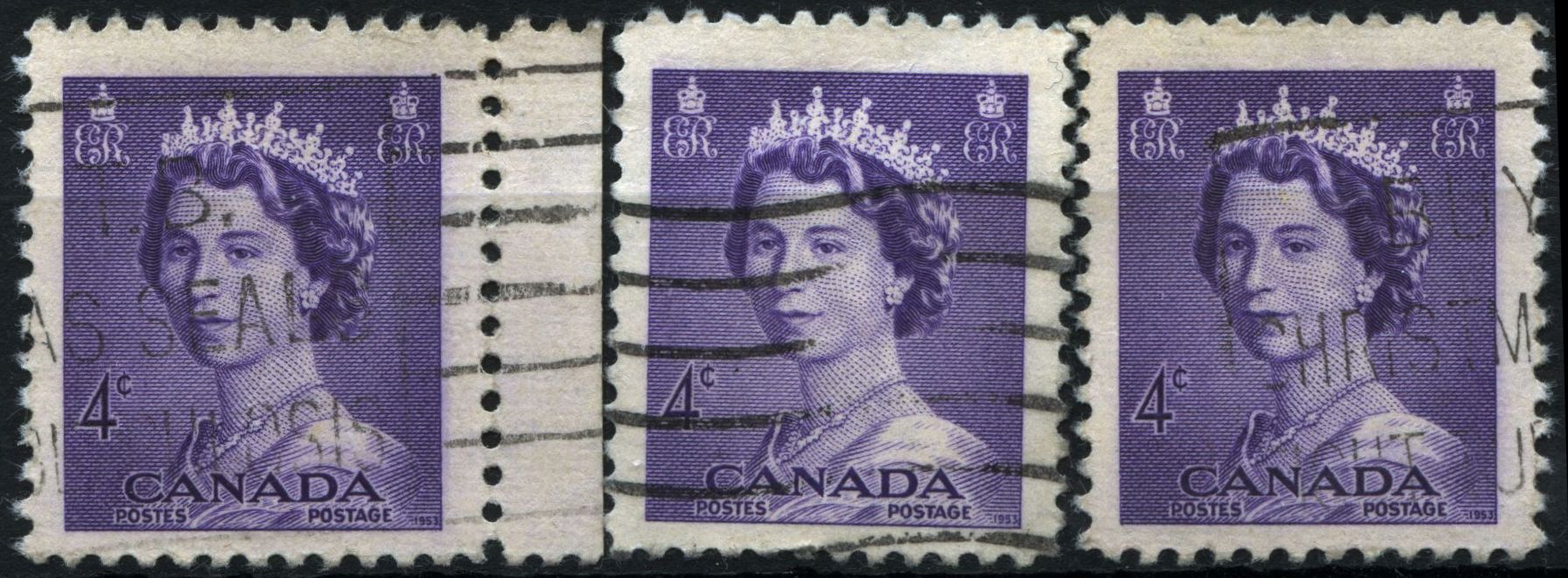
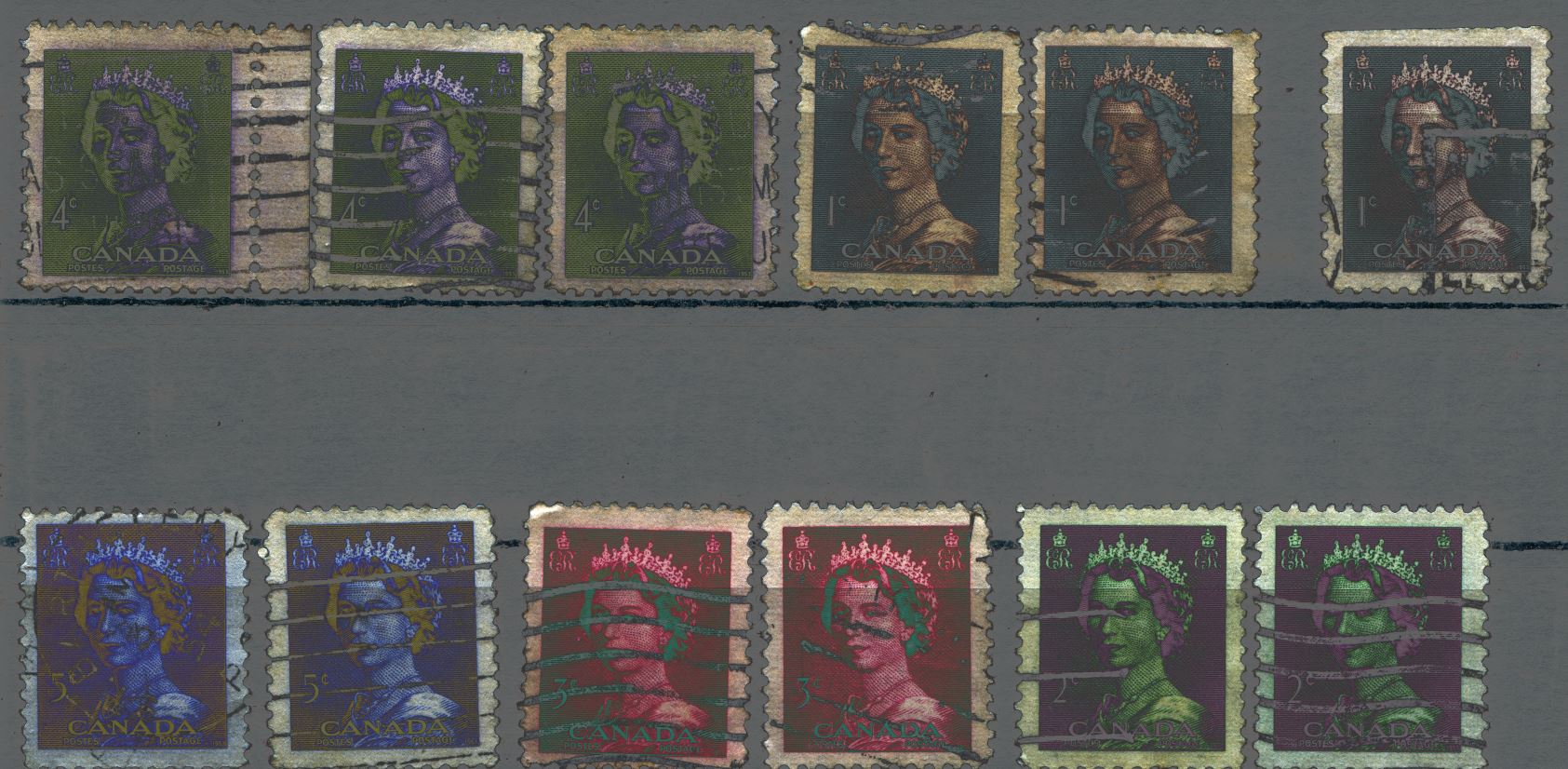
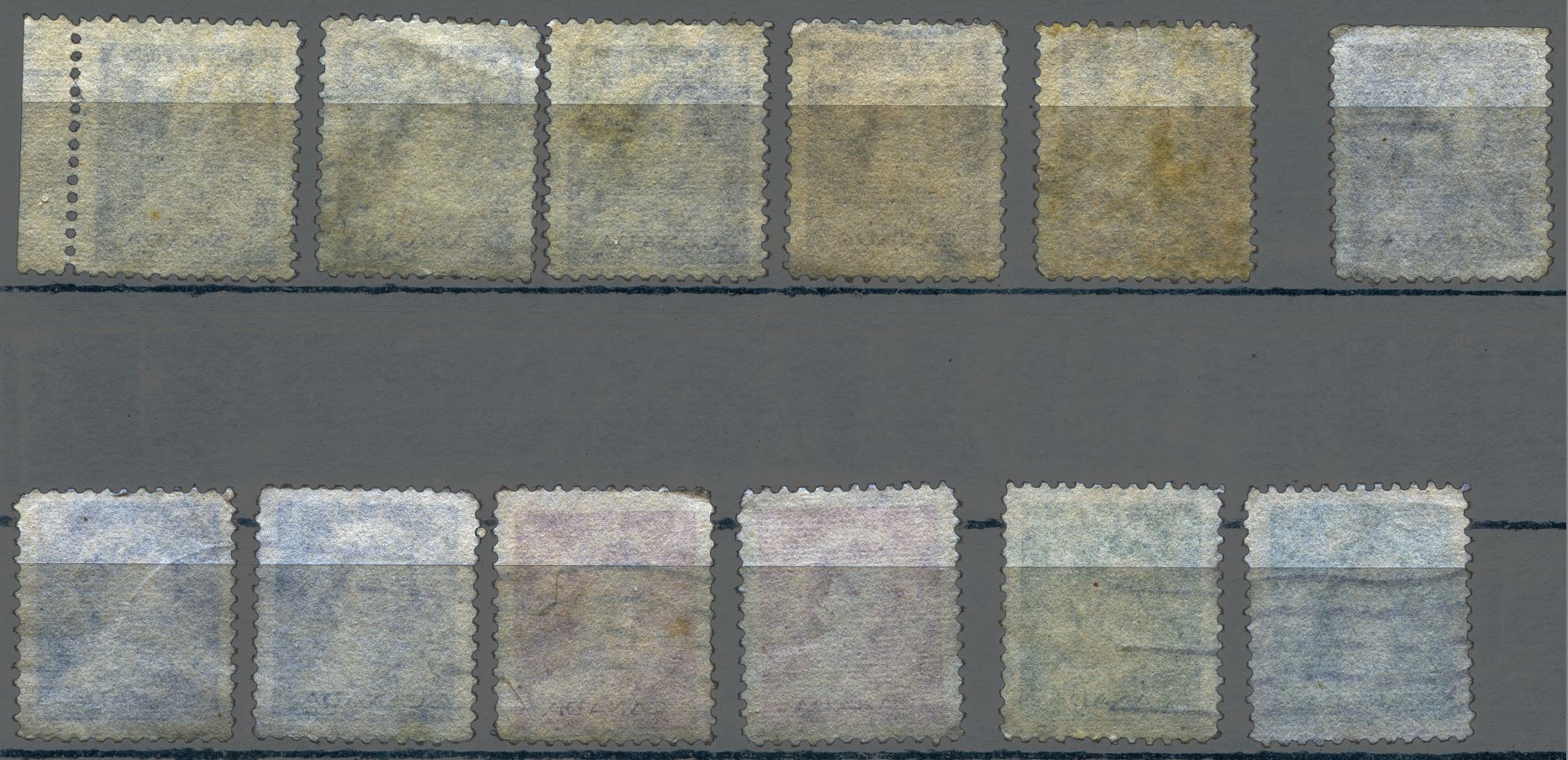
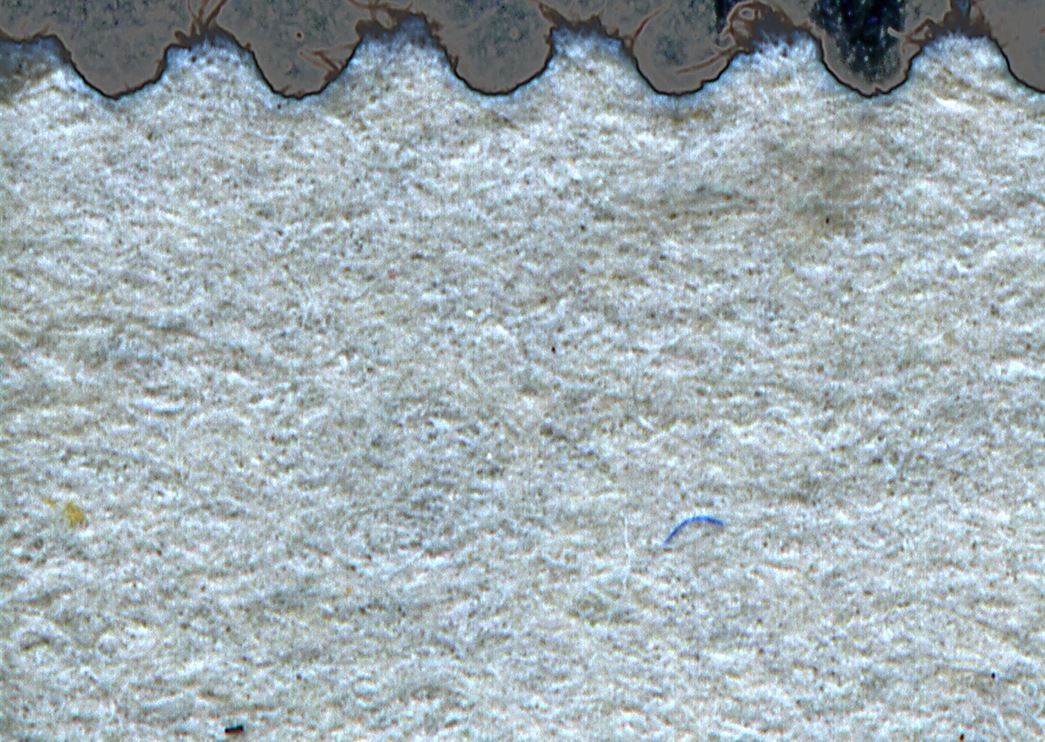
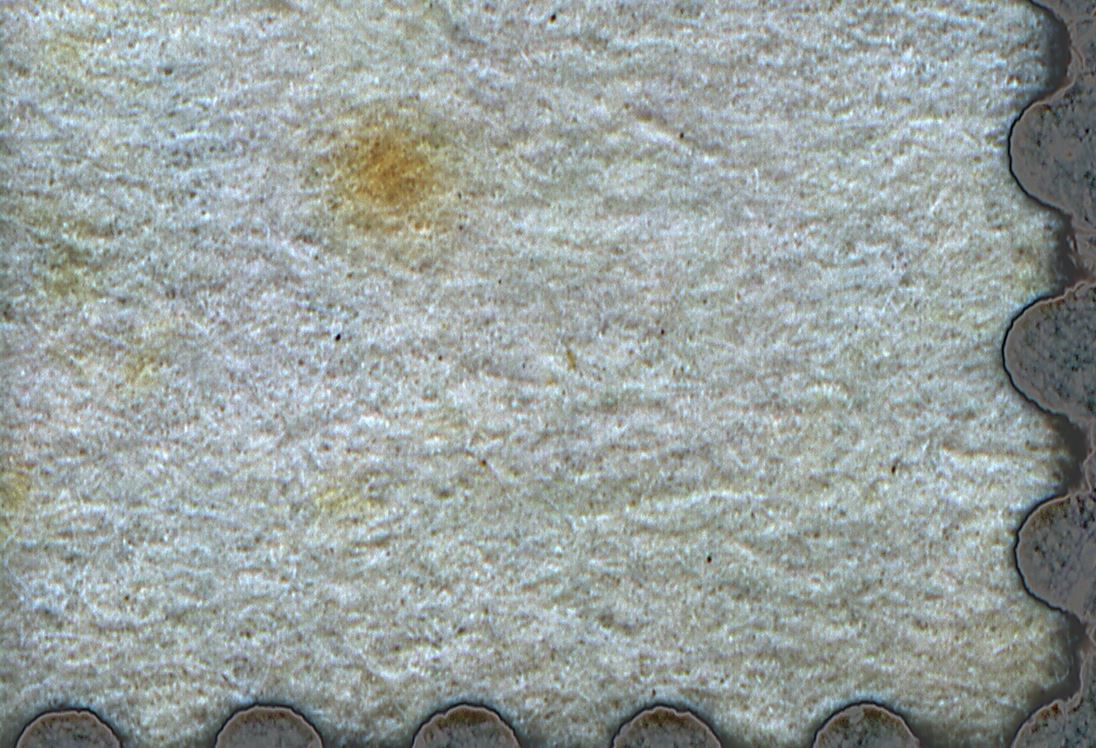
The 1953 Karsh QEII definitives all have the felt side at the back; the wire side of the paper - as visible at the front -often shows horizontal parallel lines that most likely are the reflection of the horizontal threads of the sieve [weft] that are slightly thicker than the vertical threads [warp].
This phenomenon was the same during the 1952-1956 period. I.e. not just the Karsh definitives but also the first printings of the Wildings, but also the commemoratives of that period.
Around 1956, the sieve structure appeared at the back. And stayed there! At the back the remnants of the fiber's position were better visible at the back than previously at the front because of the calendering of the front of the stamp.
|
|
Send note to Staff
|
| Edited by Galeoptix - 02/28/2019 05:06 am |
|
|
Rest in Peace
Netherlands
963 Posts |
|
|
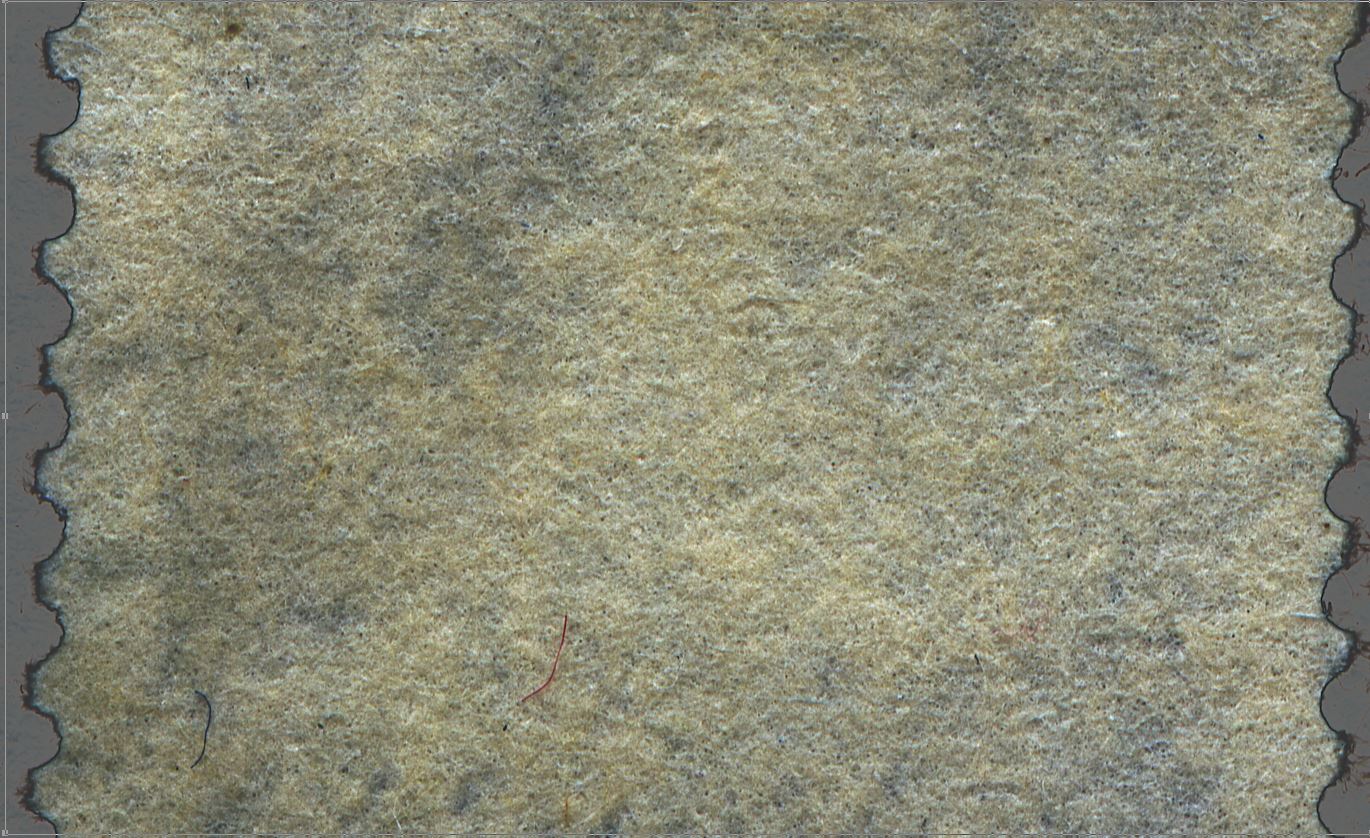
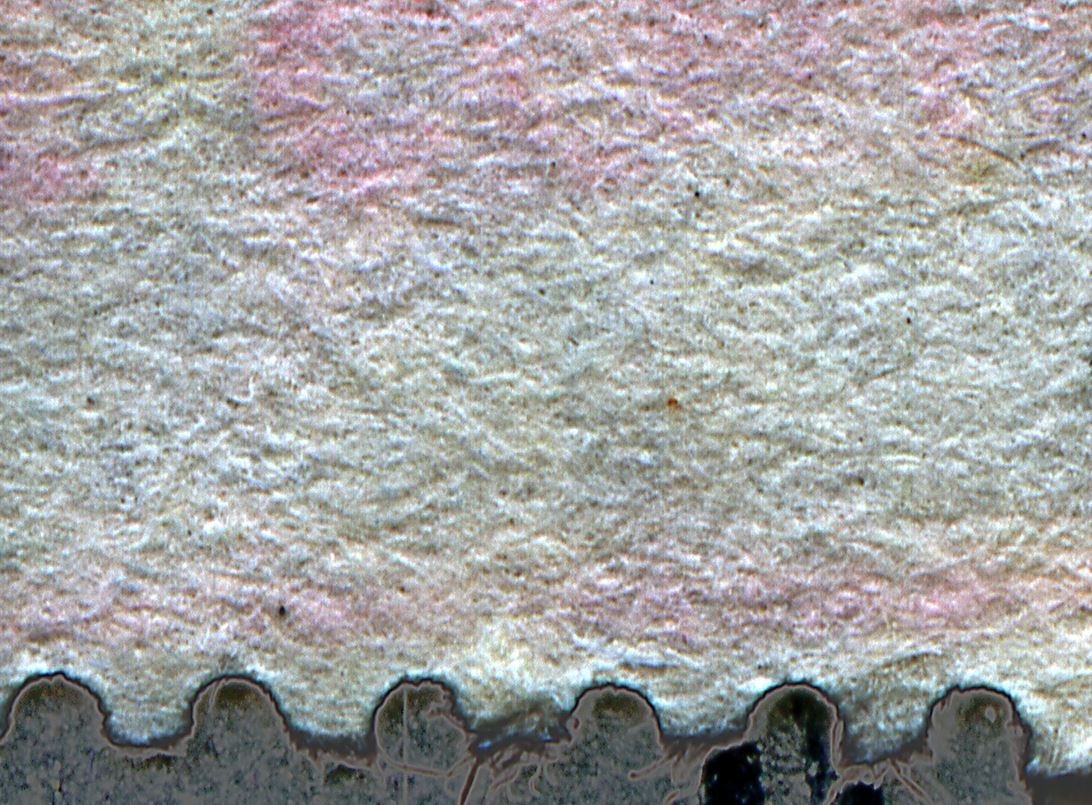
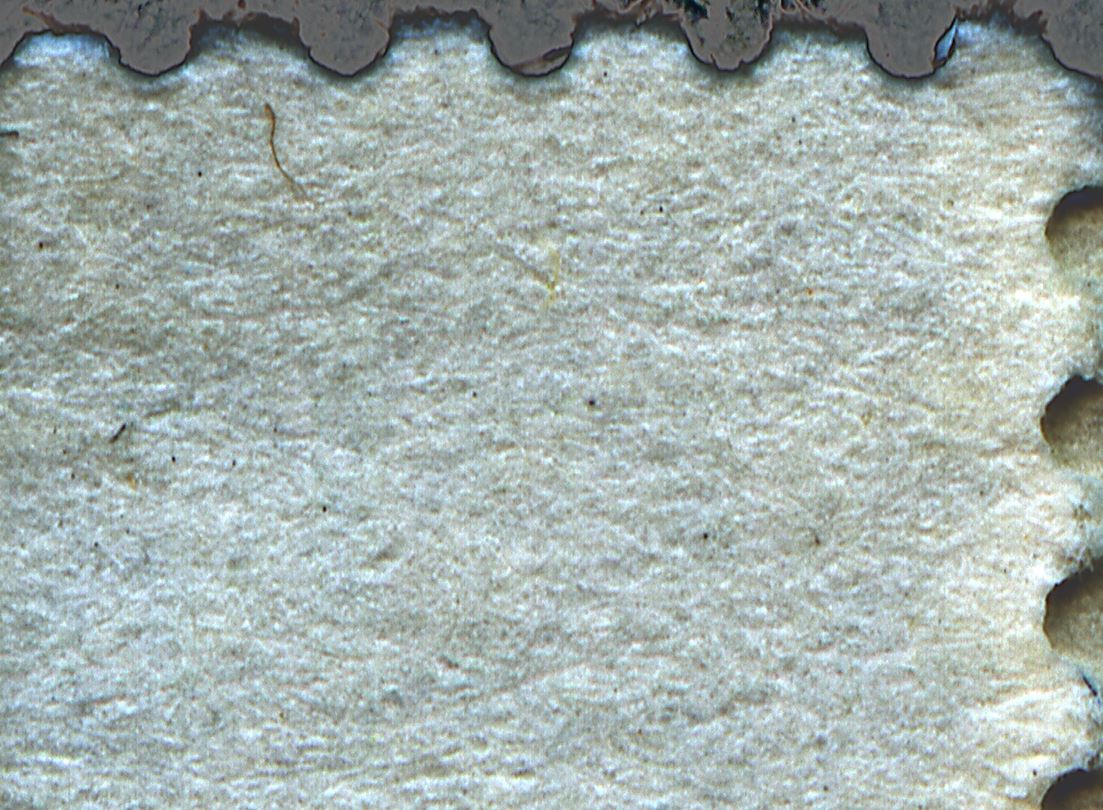
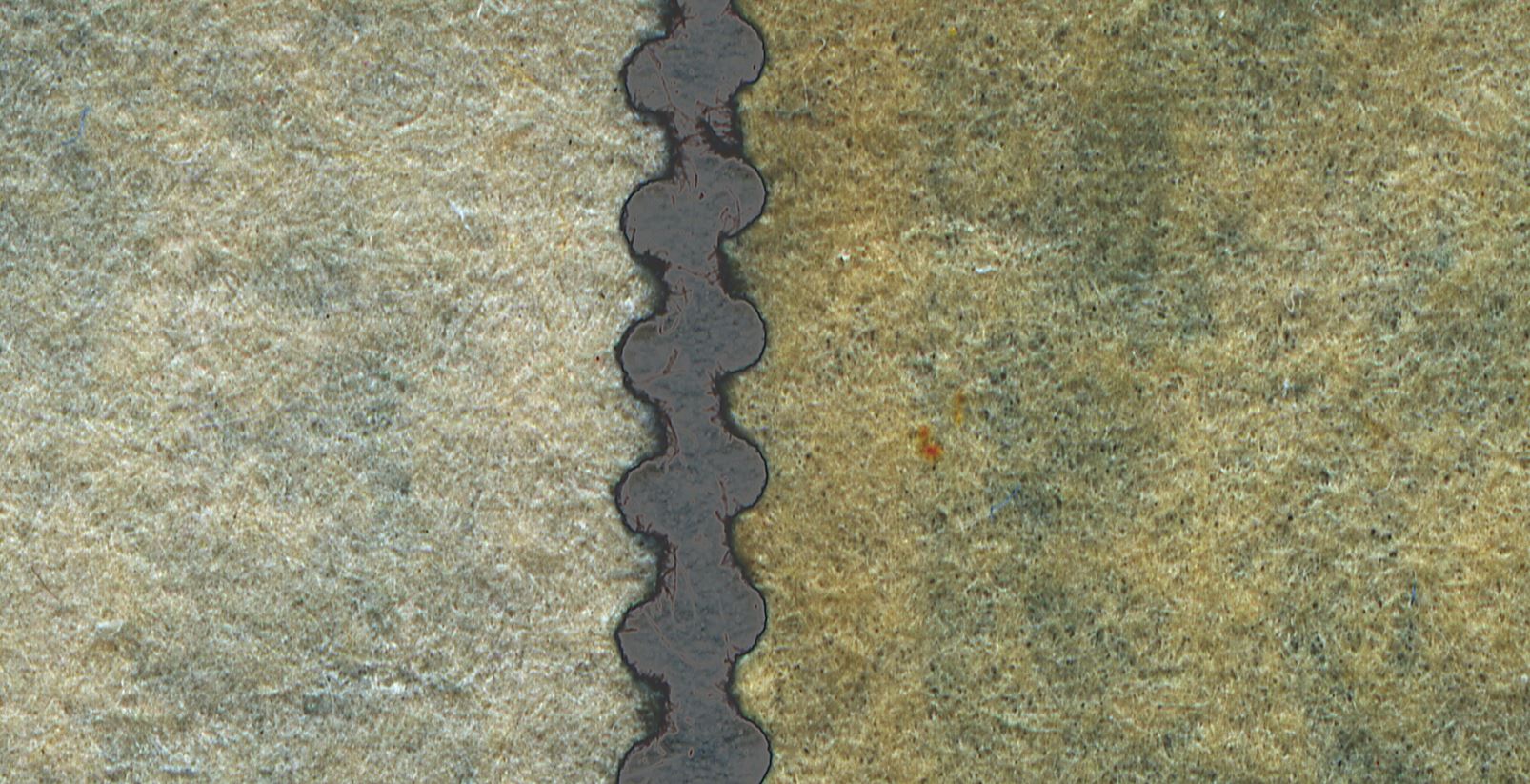 The felt side usually has a rather smooth surface with lots of pores or craters. At the left the wire side at the back of the stamp, at the right the felt side. ALL 1953 Karsh QEII definitives have the felt side at the back. |
|
Send note to Staff
|
| Edited by Galeoptix - 03/01/2019 04:33 am |
|
|
Rest in Peace
Netherlands
963 Posts |
|
|
Rest in Peace
Netherlands
963 Posts |
|
|
Rest in Peace
Netherlands
963 Posts |
|
|
Rest in Peace
Netherlands
963 Posts |
|
|
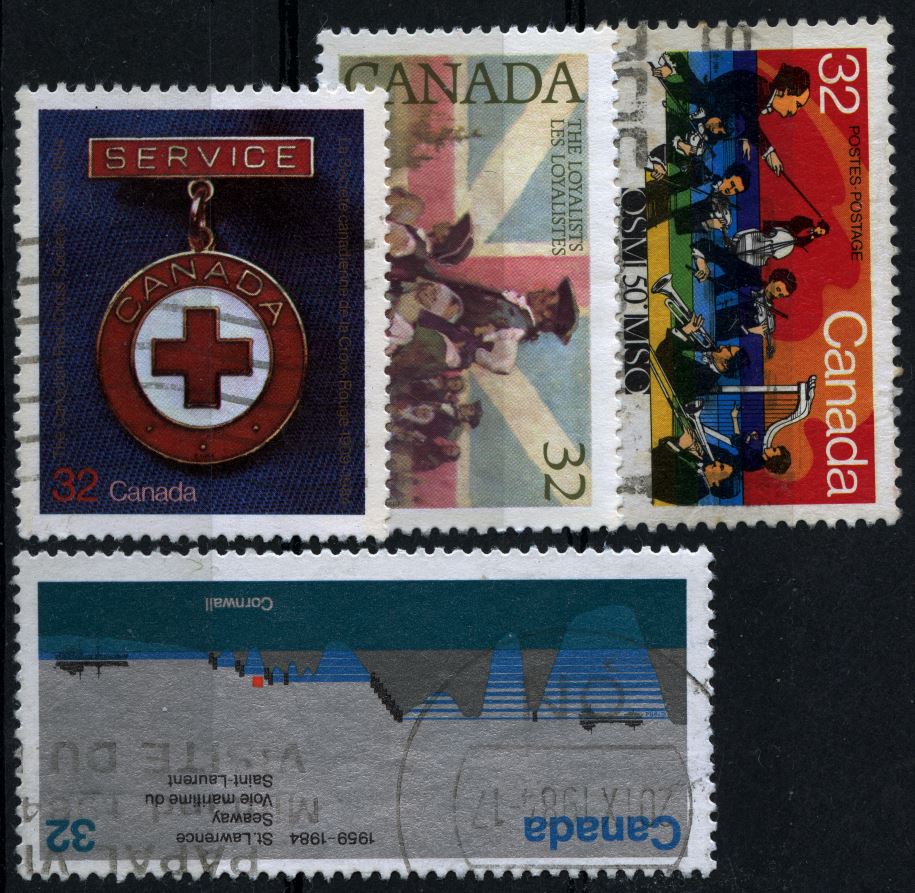
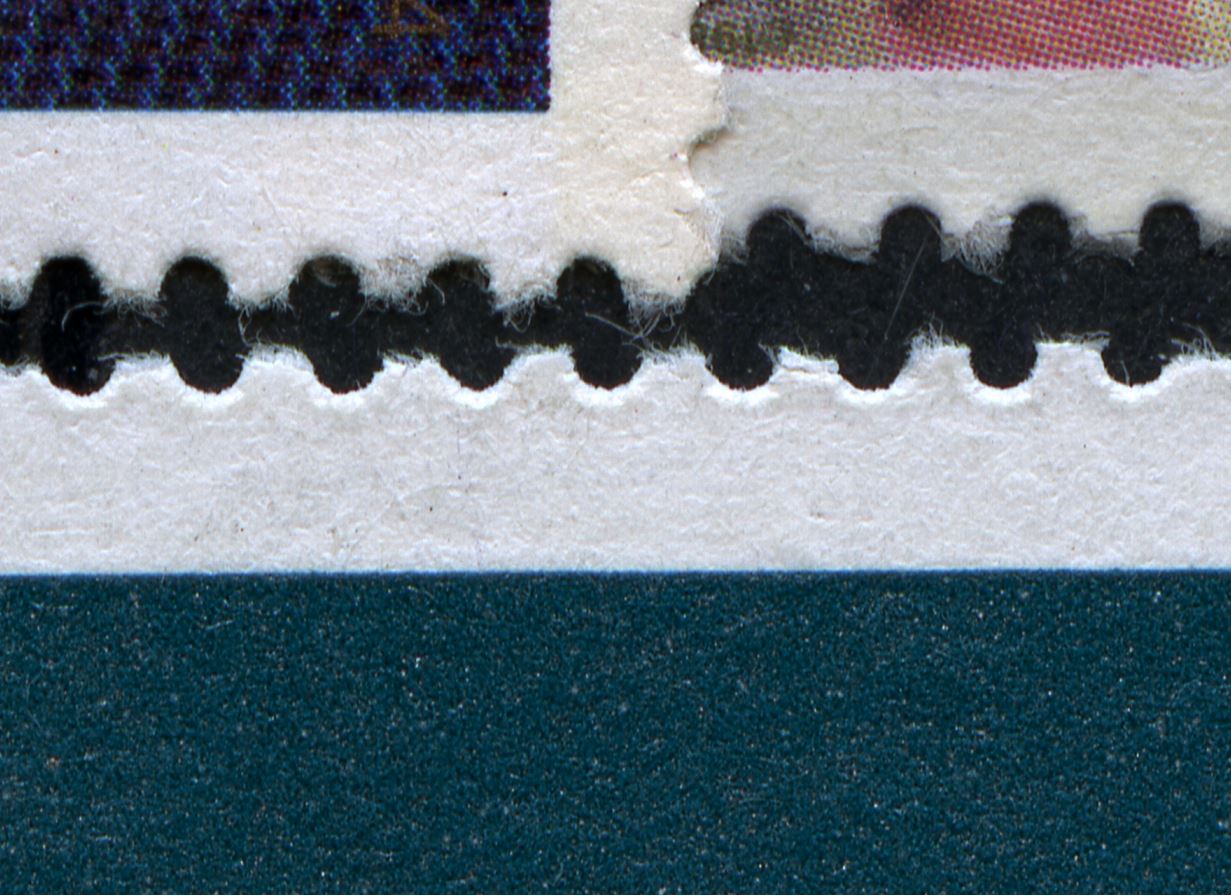
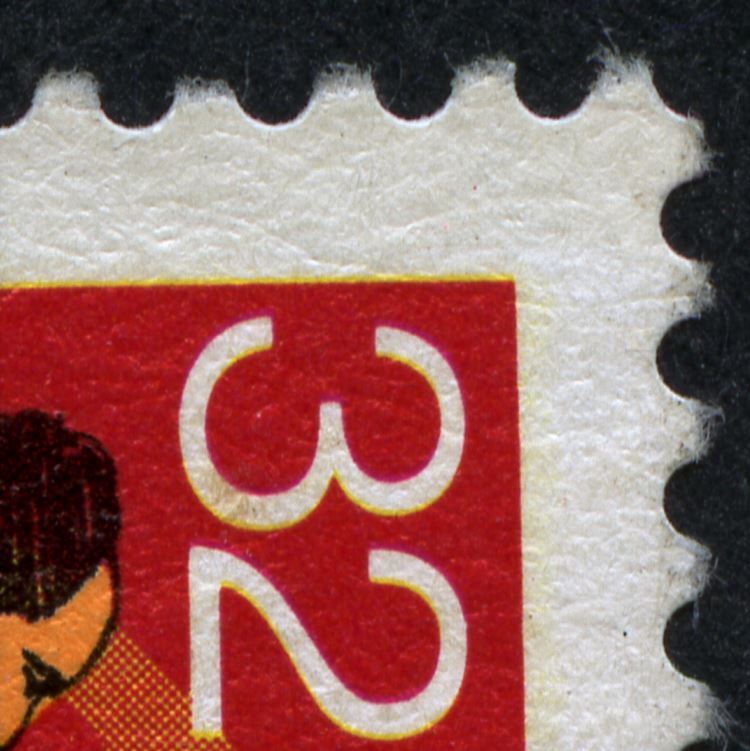
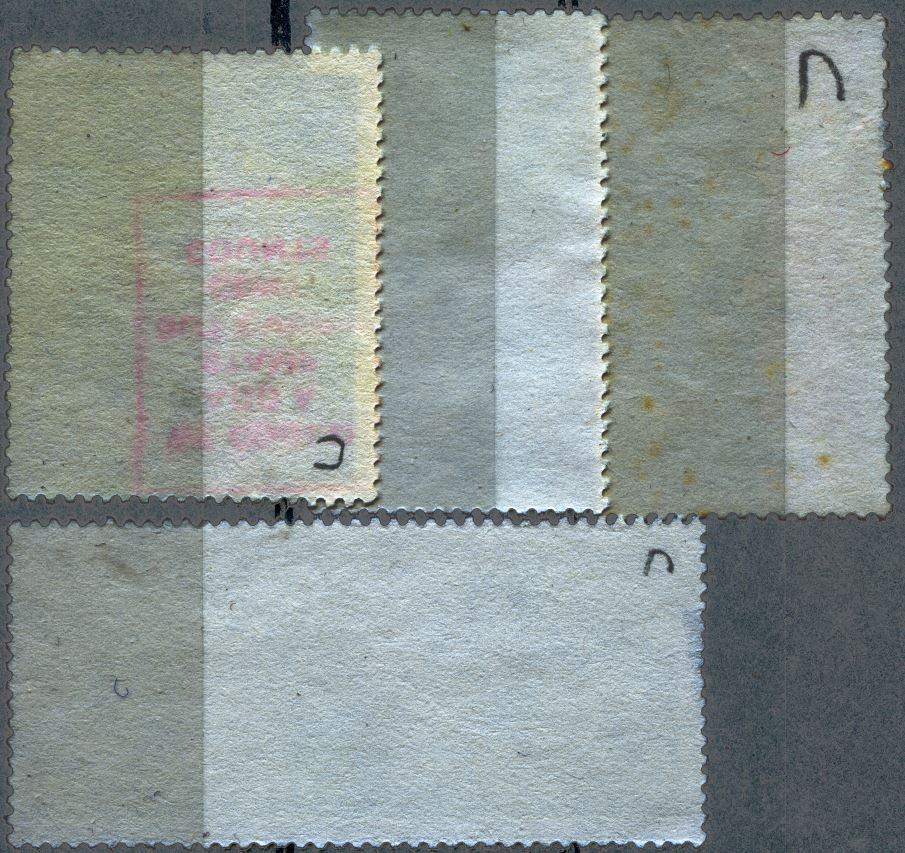
In 1983 after the Abitibi Paper Mills closing down, the Post Office needed other sources for their stamp paper. And look abroad, so the story tells!
Two names came up:
- Clark;
- Harrison & Sons
The latter is a well-known manufacturer of stamp paper but what about Clark???
Has anyone got an idea where this name came up from???
As it is not indicated on sheet margins; the "C" standing for "Coated Papers Ltd' and NOT "Clark", how are we going to recognize it?
Robin Harris points out the you can't tell used copies Clark from Abitibi! Is that true????
|
|
Send note to Staff
|
|
|
Rest in Peace
Netherlands
963 Posts |
|
|
Rest in Peace
Netherlands
963 Posts |
|
|
Replies: 64 / Views: 5,245 |
|




 Posted 02/20/2019 12:33 pm