|
This page may contain links that result in small commissions to keep this free site up and running.

Welcome Guest! Registering and/or logging in will remove the anchor (bottom) ads. It's Free!
To participate in the forum you must log in or register.
| Author |
 Replies: 8 / Views: 1,064 Replies: 8 / Views: 1,064 |
|
|
Pillar Of The Community
Australia
1692 Posts |
|
|
Selected stamps from my collection shown at the stamps of special interest display at the Australian Commonwealth Collectors Club of NSW (ACCC). In attendance were Michael Drury and Geoff Kellow.
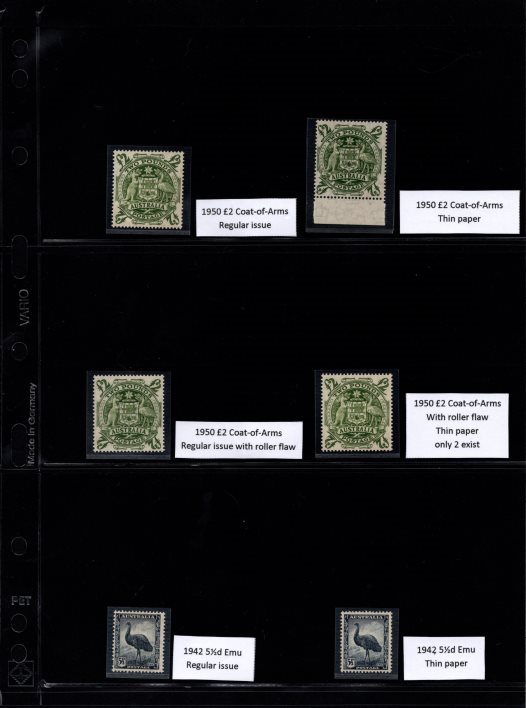
Front
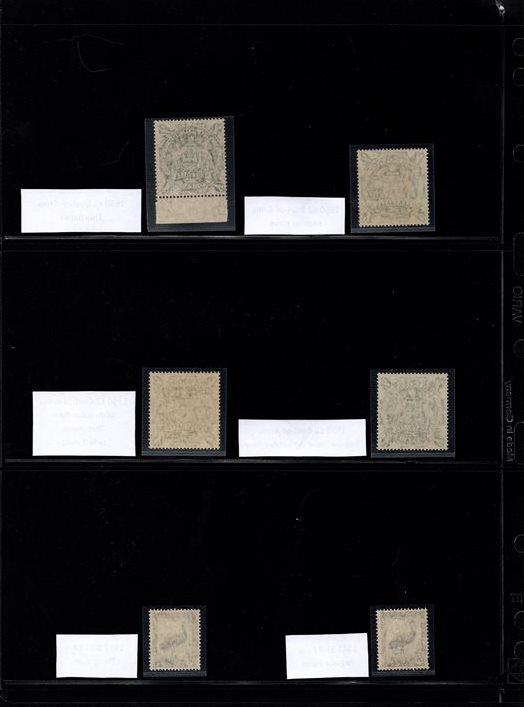
Back
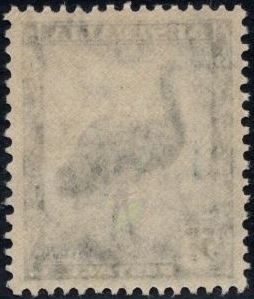 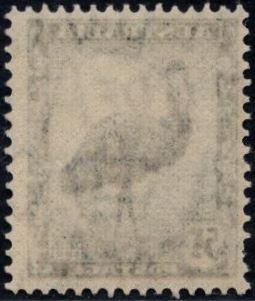
The stamp on the left is the regular issue and the stamp on the right, thin paper. The thin paper is more translucent (transparent) than the regular issue as shown,
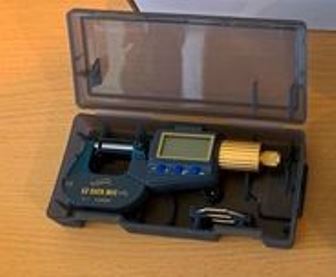
as they both look very similar from the back a more accurate measurement should be undertaken by a micrometer shown below.
|
|
Send note to Staff
|
| Edited by Rob041256 - 03/09/2019 2:39 pm |
|
|
|
|
Valued Member
Thailand
87 Posts |
|
|
Very nice good sir! Please share any/all other pages of this presentation. So that is a clear Vario stocksheet with a solid black interleaf placed behind it correct? I am mulling over doing the same for my current collecting study so as to easily view the backsides. It is one of the major reasons why I haven't yet pulled the trigger on going forward with a linen-hinged paper album system. This viewing flexibility is quite beneficial. |
Send note to Staff 
|
|
|
Pillar Of The Community
Australia
1692 Posts |
|
|
Hi BattleshipRB23
The page is the clear type Vario where you can see both back and front of the stamp without removing the stamp, and there is the solid black interleaf which separates it from other pages, as well as highlighting the back of the stamp.
I also use clear hingeless mounts to prevent the stamp from sticking to the page. I recommend this type of album highly. I have one other presentation which was in October 2018, which I will upload soon, and I will be presenting one particular stamp on the 18th of this month. Either Monday or Tuesday of next week I will post the finished page for the next presentation.
Rob |
|
Send note to Staff
|
| Edited by Rob041256 - 03/10/2019 03:29 am |
|
|
Valued Member
Thailand
87 Posts |
|
|
Looking forward to viewing them good man! I await most patiently.
I really do appreciate your mentioning the reason why you use the individual stamp mounts within the stock page... I had always chalked it up as a collector simply wanting that extra protection in case a stamp should ever fall out of the stockpage. It never had occurred to me that it was to "prevent the stamp from sticking to the page" which makes perfect sense, most especially in humid environments.
Your valued recommendation is now definitely pushing me hard over to using the Vario system rather than a linen-hinged. As my study collection will amount to less than 50 pages the cost will not be exorbitant at all. I just need to find a high-quality, non-plastic, narrow binder with slipcase... but it is hard to find a quality narrow binder these days that isn't leatherette or some other feux-leather plastic binding material. |
|
Send note to Staff
|
|
|
Pillar Of The Community
Australia
1692 Posts |
|
|
Hi BattleshipRB23
I have been collecting stamps for 50 years, and have learnt a few things along the way, I have in the past had stamps stuck to pages, some were removed safely other stamps were not so fortunate, luckily they weren't my expensive stamps as they had already been placed in clear hingeless mounts and put into clear pages.
I found it far too expensive and unnecessary to buy a real leather slip case for the pages, so I purchased a faux leather slip case; they look nice and do the job quite satisfactory, whether the slip case is real leather or not is irrelevant as long as it keeps the dust out.
I've seen collectors use a small binder with slip case to house their pages until they were able to get a proper page binder; the normal binder housed the pages perfectly.
As you have a study collection of less than 50 stamps, buying a real leather slip case (they are very expensive) would be a waste of money.
I have over 5,264 Australian stamps from 1853 – 2019 (I also have selected stamps from other countries as well), many of my pre-decimal stamps are scarce to rare and others certified very rare to extremely rare, and as mentioned I only use a faux leather case to house the pages, I have 7 albums with faux leather slip cases.
I also have research (study) stamps, over 4,000 to be precise of the 1938-1956 ½d kangaroo, two collectors started the research in 1952, one had since died and the other retired, he is now in his late 80s. I bought the research stamps consisting of single stamps, blocks of 4, 16, 20 and half-sheets to full sheets, there is one coil sheet of 640, that is a very large sheet; I bought an A3 album (faux leather), which is quite a large album considering a normal album is A4 and the small Vario clear pages and album a little smaller; the sheet of 640 is so large that I had to fold it to fit the sheet into the A3 album.
These stamps have various errors and many in progressive states, it also came with an incomplete manuscript which I intend to complete and publish.
Rob |
|
Send note to Staff
|
| Edited by Rob041256 - 03/10/2019 3:21 pm |
|
|
Valued Member
Thailand
87 Posts |
|
|
Appreciate all the advice and your highlighting your collection. That Kangaroo Study sounds amazing!
I certainly do hear you about the price of quality leather binders but I so love the texture and look of it along with the usually much heavier clamping ring mechanisms found in them. I am a tad sensitive to plastic odors especially those commonly used for binders and albums. That is the main reason currently keeping me from pulling the trigger and going Vario... however, the pros are now beginning to outweigh the cons as the Vario system does offer nearly unlimited flexibility, expansion, and viewing capabilities that I seek.
I may just need to stick with using a stockbook for a little longer, giving myself more time to really mull over which system will work best for my study collection... black-mounts on linen-hinged paper or clear-mounts in Vario plastic stock pages.
BTW: That is 50 pages anticipated not 50 stamps. |
|
Send note to Staff
|
| Edited by BattleshipRB23 - 03/12/2019 12:54 pm |
|
|
Moderator

United States
12330 Posts |
|
|
Quote:
... whether the slip case is real leather or not is irrelevant as long as it keeps the dust out... Just for clarification purposes, no polyvinyl chloride (PVC) plastics should ever be used anywhere near stamps of value. This includes binders, slip covers, and totes. The plasticizers added to PVC plastics 'out gas' and release chemicals into the atmosphere; so the PVC plastic does not have to come into physical contact to cause damage. Collectors of important stamps need to look closely at not just the material which come in direct contact but also for anything that might impact the ambient environment itself. Vario pages do not contain any PVC or other plasticizers. I do not know if the 'faux' binders which Robs speaks of have any PVC or plasticizers, but collectors should be alert when buying plastics for use around their stamps. (Google "PVC faux leather" returns many products.) Don |
|
Send note to Staff
|
|
|
Pillar Of The Community
Australia
1692 Posts |
|
|
Hi Don
The importance of protecting valuable stamps from damage is paramount.
All my albums are Lighthouse albums and all are free of any damaging material such as PVC and plasticisers, these albums house the clear Vario pages and clear hingeless mounts for extra protection. If the collector has stamps of significance, such as rarity and of historical significance I would strongly give the advice needed to help keep such stamps protected.
Research stamps may and may not need to be given such protection unless the research stamps have significant importance and monetary value such as varieties, errors, plate numbers, colour trials, plate proofs etc.
Of course all research undertaken with stamps will have a degree of importance, it would depend on the researcher whether or not the stamps they have would warrant special attention.
To me, although I can afford a real leather case, I find spending a few hundred dollars on a single leather case not necessary; though other collectors may prefer such albums (they do look stunning and will last a lifetime if looked after, but they can be heavy).
Your post to collectors warning of buying PVC or other plasticisers (90% of plasticisers are used in PVC) is important advice for anyone wanting to further safeguard their collection.
I can assure you Don that none of my albums are PVC, but to collectors who have non-valuable stamps I do not think a PVC cover will create a concern.
As "faux leather" is made from a fabric base, which is chemically treated with wax, dye, or polyurethane for colour and texture, I should have rephrased my wording in my original post when I mentioned "faux leather" it should be "leather like" with non-PVC material.
Rob
|
|
Send note to Staff
|
|
|
Pillar Of The Community
Australia
1692 Posts |
|
|
Hi BattleshipRB23 The kangaroo study will take a little time as the sheer volume of stamps must be individually recorded and plate positioned. The albums I have do not emit any odours or chemicals, some of my stamps are valued at thousands of dollars each (invoice not catalogue value) and keeping them away from everything damaging is top priority; in my case it has become a very expensive necessity. I can easily purchase leather cases but I see no real importance it would have on my stamps when it comes to protection. With valuable stamps one would need to purchase a dry cabinet used for cameras and camera accessories with a built in digital thermometer, hygrometer, dehumidifier and a lockable door with rubber seal. These cabinets may be expensive, especially when the largest is needed in my case but they are of great importance as they produce the ultimate protection against dust, sunlight, moisture and heat. Also what increases protection for stamps is to isolate any with rust or foxing as damaging airborne pores from these stamps can travel to other stamps permanently damaging them. I have seen an album that had a strong smell of mildew and the contents (all Australian stamps) were full of rusty stamps; that particular album was inherited to a couple who wanted to sell the collection to me. I normally do not buy from the public but I knew these people and offered to buy the album if any interested me. The collection consisted of about 250 stamps, and the market value would have been around the $8,000 - $9,000 mark, if not for the smell of mildew and major rusting on every stamp, the collection was worthless, one such stamp was a rare McCracken £1 Coronation specimen, I have the Ash £1 Coronation specimen (it is shown as my avatar), it was destroyed, there are less than 200 of the McCracken specimens in existence. 50 pages is quite a lot, my research kangaroos take up four A4 albums and one A3 album, a mammoth task; researching is time consuming but quite rewarding at the end. Rob |
|
Send note to Staff
|
| Edited by Rob041256 - 03/12/2019 3:52 pm |
|
| |
Replies: 8 / Views: 1,064 |
|
|
To participate in the forum you must log in or register. | |
 Earliest Stamp With In-Design Date? My First Stamps Help Newbie.help With Stamp Identification (J29) Inherited These Stamps, Are They Genuine? APS Membership Discount Metropex Stamp Show: Roseville, Minnesota October 23-24 Weird Covers, 1885,1886, And 1982 For Users Of Two-Post Blue International Albums What Is Your Experience With Binders. New Member Posting Image Of Avatar, Front And Back Of U2 Cut Square, Market Value Or References? Working On An Offline Collection George Washington 3 Cent 1861 With Print On The Back Hello From The Netherlands - New Member Then And Now, From Old Postcards New Member Wanting To Add An Avatar Sparks Auction Fees? 163 VF Nyfm Vertically Ribbed 163 XF Quartered Cork, Labeled Jumbo 136 VF Quadruple Split H Grill Nashville Philatelic Society-Your Invitation To Our Auction Night Meeting Monday, October 26, 2026 Nashville Philatelic Society-Your Invitation To Our Meeting Monday, October 19, 2026 Christmas Around The World 2026 C.e. In The Large Queen Cancel A More Condensed Album Page Experiment. US Scott #3 Postmarked Or Fake? Linn's Is Back - The Newspaper Is Back In Print Earliest Stamp With In-Design Date? My First Stamps Help Newbie.help With Stamp Identification (J29) Inherited These Stamps, Are They Genuine? APS Membership Discount Metropex Stamp Show: Roseville, Minnesota October 23-24 Weird Covers, 1885,1886, And 1982 For Users Of Two-Post Blue International Albums What Is Your Experience With Binders. New Member Posting Image Of Avatar, Front And Back Of U2 Cut Square, Market Value Or References? Working On An Offline Collection George Washington 3 Cent 1861 With Print On The Back Hello From The Netherlands - New Member Then And Now, From Old Postcards New Member Wanting To Add An Avatar Sparks Auction Fees? 163 VF Nyfm Vertically Ribbed 163 XF Quartered Cork, Labeled Jumbo 136 VF Quadruple Split H Grill Nashville Philatelic Society-Your Invitation To Our Auction Night Meeting Monday, October 26, 2026 Nashville Philatelic Society-Your Invitation To Our Meeting Monday, October 19, 2026 Christmas Around The World 2026 C.e. In The Large Queen Cancel A More Condensed Album Page Experiment. US Scott #3 Postmarked Or Fake? Linn's Is Back - The Newspaper Is Back In Print
Disclaimer: While a tremendous amount of effort goes into ensuring the accuracy of the information contained in this site, Stamp Community assumes no liability for errors. Copyright 2005 - 2026 Stamp Community Family - All rights reserved worldwide. Use of any images or content on this website without prior written permission of Stamp Community or the original lender is strictly prohibited.
Privacy Policy / Terms of Use Advertise Here |
| Stamp Community Forum |
© 2007 - 2026 Stamp Community Forums |
| It took 0.3 seconds to lick this stamp. |
 |
|
|
|


 Posted 03/09/2019 2:36 pm


