| Author |
 Replies: 15 / Views: 1,371 Replies: 15 / Views: 1,371 |
|
|
Valued Member
United States
124 Posts |
|
|
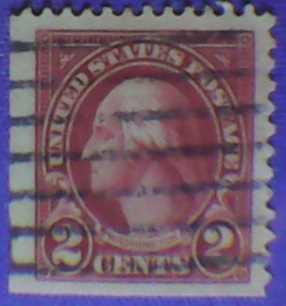
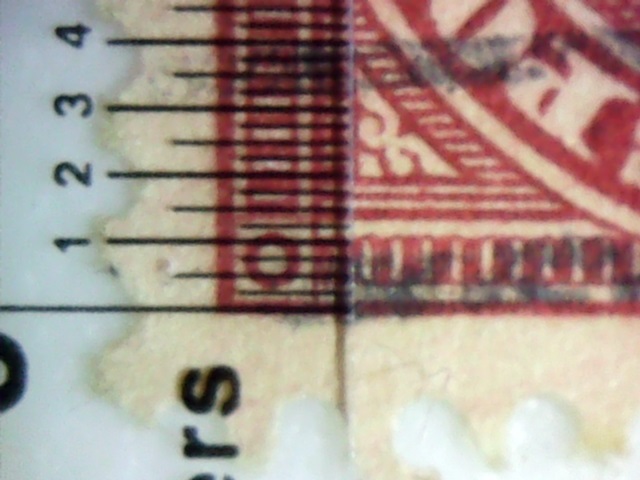
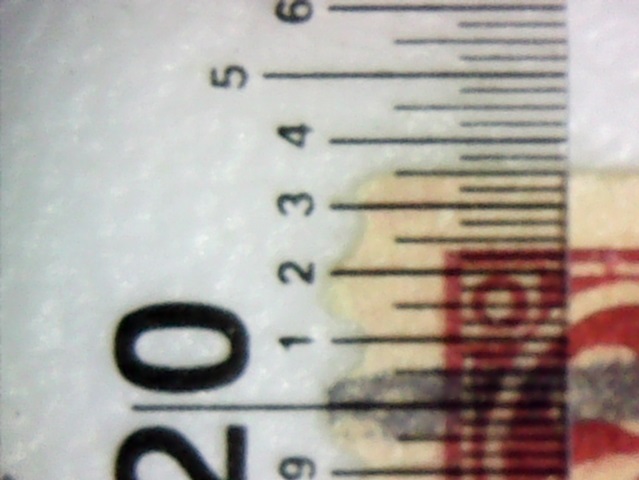
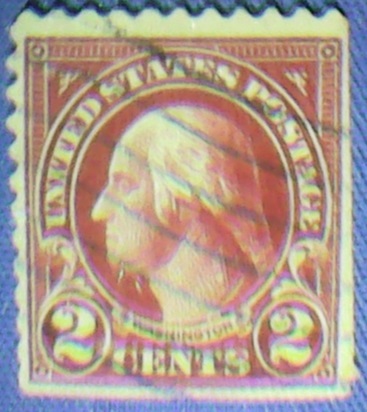
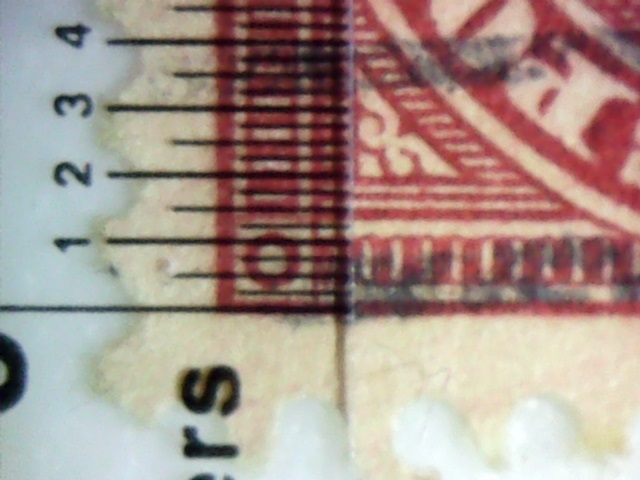
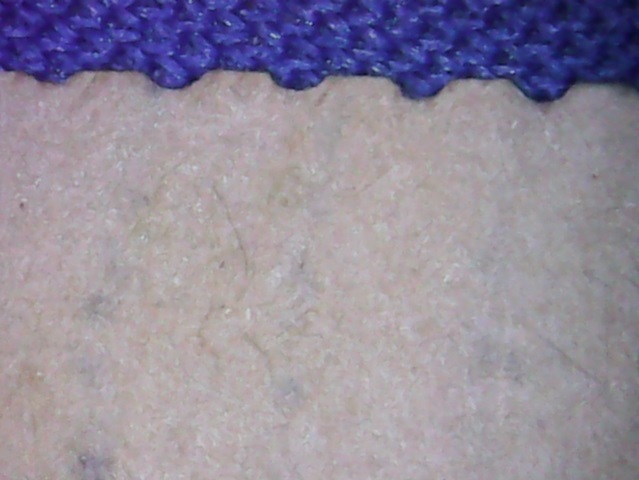
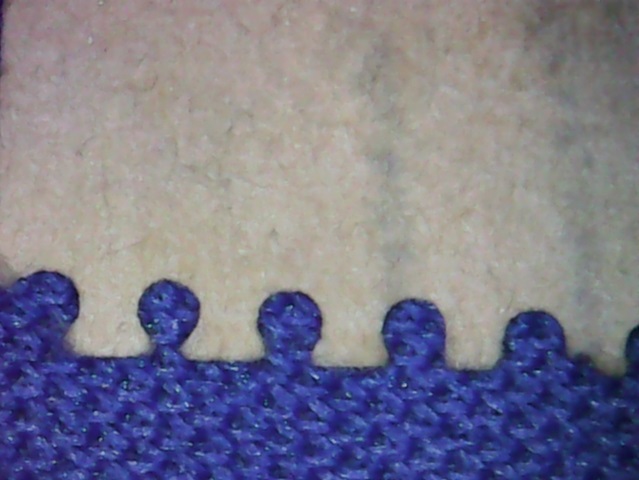
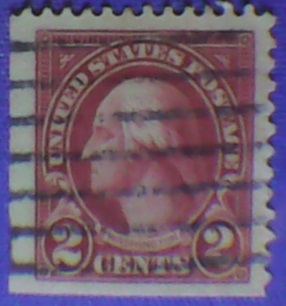
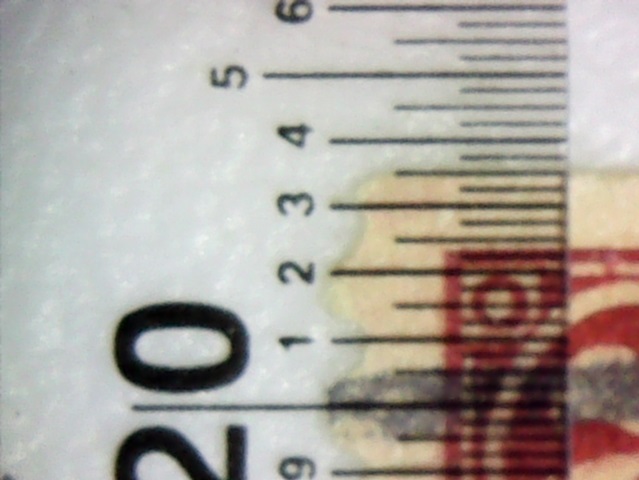
As you know I inherited a small collection and have been trying to understand the aspects of identifying them. So I took a general 2 cent Washington stamp to measure, check perfs and so forth. This way I would know I'm doing it correctly. It's a common no value stamp that has many topics and discussions just because of others thinking they have a valuable stamp, I've been reading a lot. So what in the heck did I do wrong. This one has a vertical perf., stamp design is 19.5mm x 22mm which is all normal. So here is where my problem comes in. I have the Precision US Specialty Multi Gauge and the closest I can get the perfs is 9.5 not the normal 10 or 11. This was supposed to be practice for me and I do not understand what I'm doing wrong. 10 just does not fit at all. Here are photos. Be brutal as I really am confused and need to be set straight. Thanks all. Got as close with the pictures as possible so you could see. First is the 9.5 then the 10 Thanks for any help    |
|
Send note to Staff
|
|
|
|
|
Pillar Of The Community
United Kingdom
895 Posts |
|
|
I can't see what you are doing wrong. Try with other stamps and see how they measure up. If they come out as you would expect, you're the gauge is measuring correctly and the stamp is indeed 9.5. Then the question is, why... |
Send note to Staff 
|
|
|
Pillar Of The Community
Australia
3299 Posts |
|
|
Pillar Of The Community
United States
3224 Posts |
|
|
Pillar Of The Community
6366 Posts |
|
|
Scott rounds-off the perforation rate, which creates confusion like this. The true value is somewhere between 9.5 and 10. Someone will share a more exact value for us no doubt. Don't sweat it, you have a normal Scott 599 coil. |
|
Send note to Staff
|
|
|
Valued Member
United States
124 Posts |
|
|
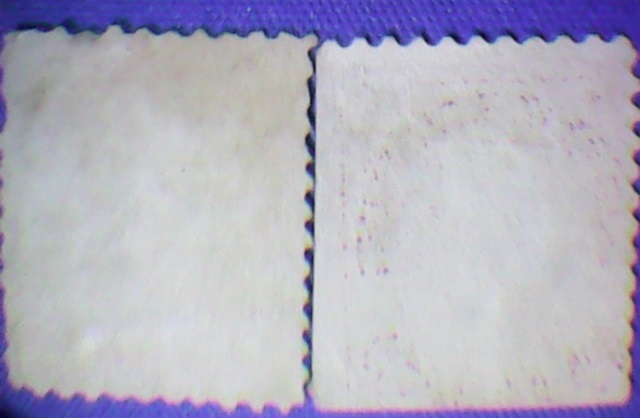
Thanks all. I thought I was losing my mind...too late, ha ha. I really appreciate the feedback. What would looking at the back do? What should I be looking for? Thanks again.
|
|
Send note to Staff
|
| Edited by wannahocalugie - 11/29/2019 8:17 pm |
|
|
Valued Member
United States
124 Posts |
|
|
Pillar Of The Community
6366 Posts |
|
|
Valued Member
United States
124 Posts |
|
|
Valued Member
United States
124 Posts |
|
|
Hey John, just read the thread. Very informative and confusing all at once. More reading to do. I'll get there. |
|
Send note to Staff
|
|
|
Valued Member
United States
124 Posts |
|
|
Am I doing the measuring correctly? I know some measure from all points, but I thought it best to go from outside to outside as some of the stamps have a wide boarder. Just have time on my hands and figured I would get to know this inherited collection. Oh, and is it just me or does anyone else find that the flat plate stamps seem messy close up? Splattery, if you'll forgive the non-word. At least I think that is the type I'm looking at. If this gauge is off on mm it may be off on other parts too. Cheryl |
|
Send note to Staff
|
|
|
Moderator

United States
12330 Posts |
|
|
To ID US stamps of this era, follow these steps. 1. Determine the design 2. Determine the perforation gauge 3. Determine any watermarks (if watermarked) 4. Determine print type (flat plate, rotary, offset) For #4, there is no requirement to measure; dimensional tolerances really limit the usefulness of any published catalog dimensions. Please note that we typically see folks trying to measure when they think they have stumbled across a rarity and are using the design dimensions as 'proof'. We strive to instead steer collectors towards learning how to identify US stamp printing types (flat plate, rotary, offset) by other criteria. You can learn how to do this, and avoid the frustration of measuring anything, in the many threads in this community and/or on Stamp Smarter. http://stampsmarter.com/learning/Ma...methods.htmlhttp://stampsmarter.com/learning/ID...arities.htmlDon |
|
Send note to Staff
|
|
|
|
Valued Member
United States
124 Posts |
|
|
Love that site. It is saved in the favorites and I'm reading through the articles. Slowly but surely. This is so helpful. Thanks for the info. For my purposes I took just a common variety of stamps to verify this gauge. If it is off then I needed to know. It seems the perfs are the best and that at least I know is right. Fun stuff and thanks again. |
|
Send note to Staff
|
|
|
Valued Member
United States
124 Posts |
|
|
Pillar Of The Community
6366 Posts |
|
|
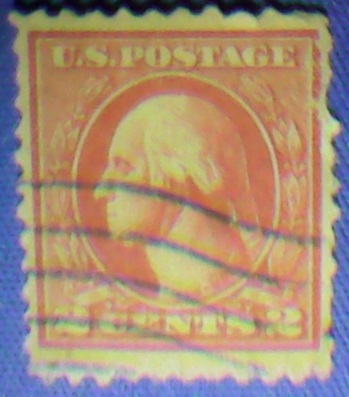
The second stamp, with the 2's in the ovals at the bottom was a workhorse stamp for about 15 years and was printed by both flat (early) and rotary (late) presses. And with several perforation rates. And in sheet, booklet, and coil formats. Fortunately, there are not many actual combinations of these variables. In your case, the stamp shows red ink set-off on the reverse side. This positively indicates a flat plate printing, almost certainly a Scott 554, from a sheet, note the remaining perforation at the lower right that wasn't cut off by the scissors. |
|
Send note to Staff
|
| Edited by John Becker - 12/03/2019 10:43 am |
|
|
Valued Member
United States
124 Posts |
|
| |
Replies: 15 / Views: 1,371 |
|




 Posted 11/29/2019 11:55 am


 Joke is on me it seems