| Author |
 Replies: 13 / Views: 1,352 Replies: 13 / Views: 1,352 |
|
|
Pillar Of The Community

United States
1012 Posts |
|
|
How do I determine if this stamp is a 139, 150 161 or 187? Though I do not see any small crescent cut into the ball directly under the E of Postage (so not 161)…so between 139, 150 and 187. I figure the more I ask, the more I learn. Thank you for any guidance. 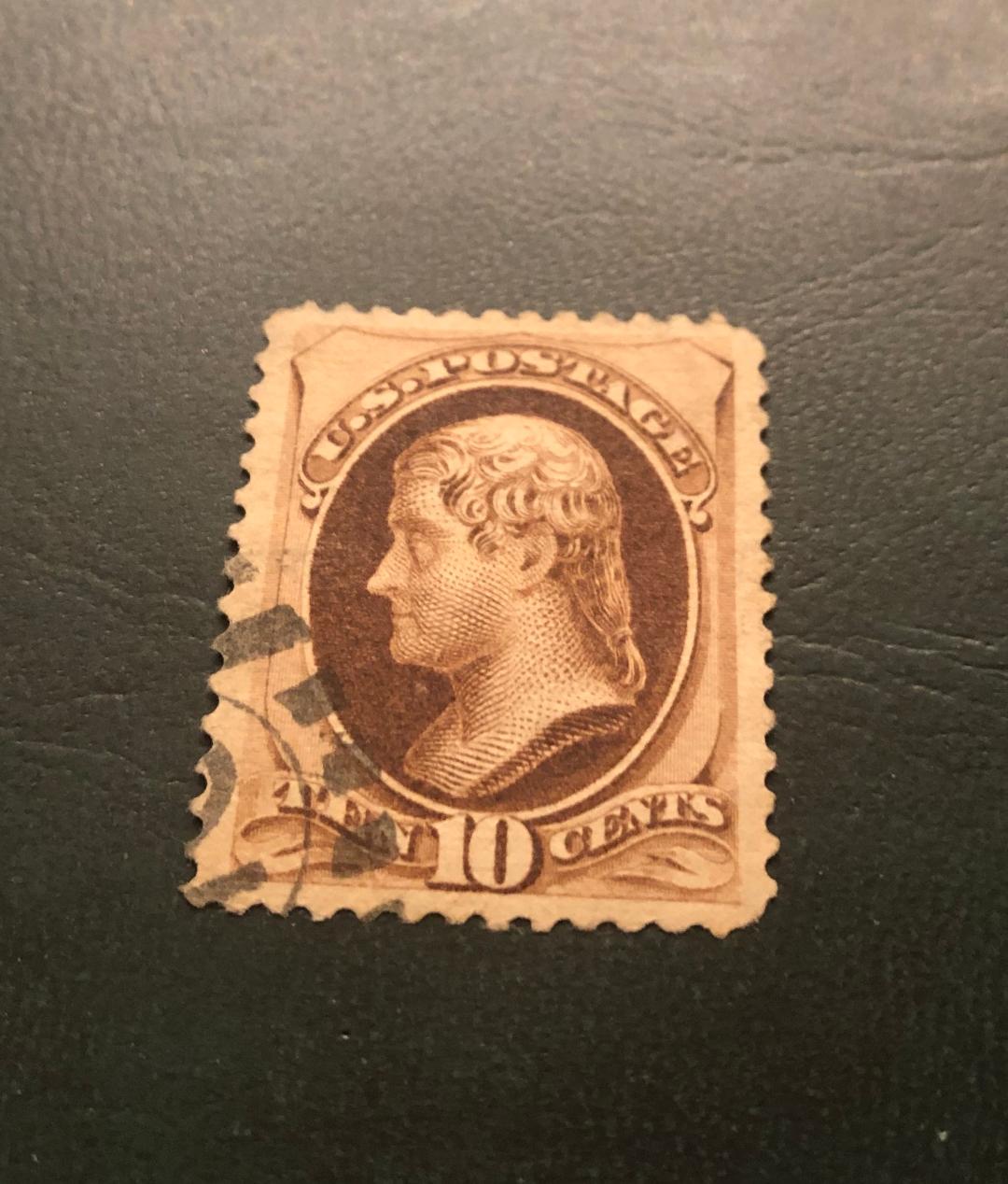 |
|
Send note to Staff
|
| Edited by Mrita75 - 12/19/2019 11:21 pm |
|
|
|
|
Pillar Of The Community
United States
1012 Posts |
|
|
I am going with 150 or 187 (as paper is soft). and am searching on here and stamp smarter. Wow - so many variables! |
Send note to Staff 
|
| Edited by Mrita75 - 12/19/2019 11:20 pm |
|
|
Pillar Of The Community
United States
1817 Posts |
|
|
A scan of the rear might help the Forum in visually identifying the paper type. If there is no grill it is not #139. |
|
Send note to Staff
|
|
|
Pillar Of The Community
United States
1012 Posts |
|
|
Thanks, I do not believe it to be #139 either. Here is the back of the stamp. Thank you for your help. 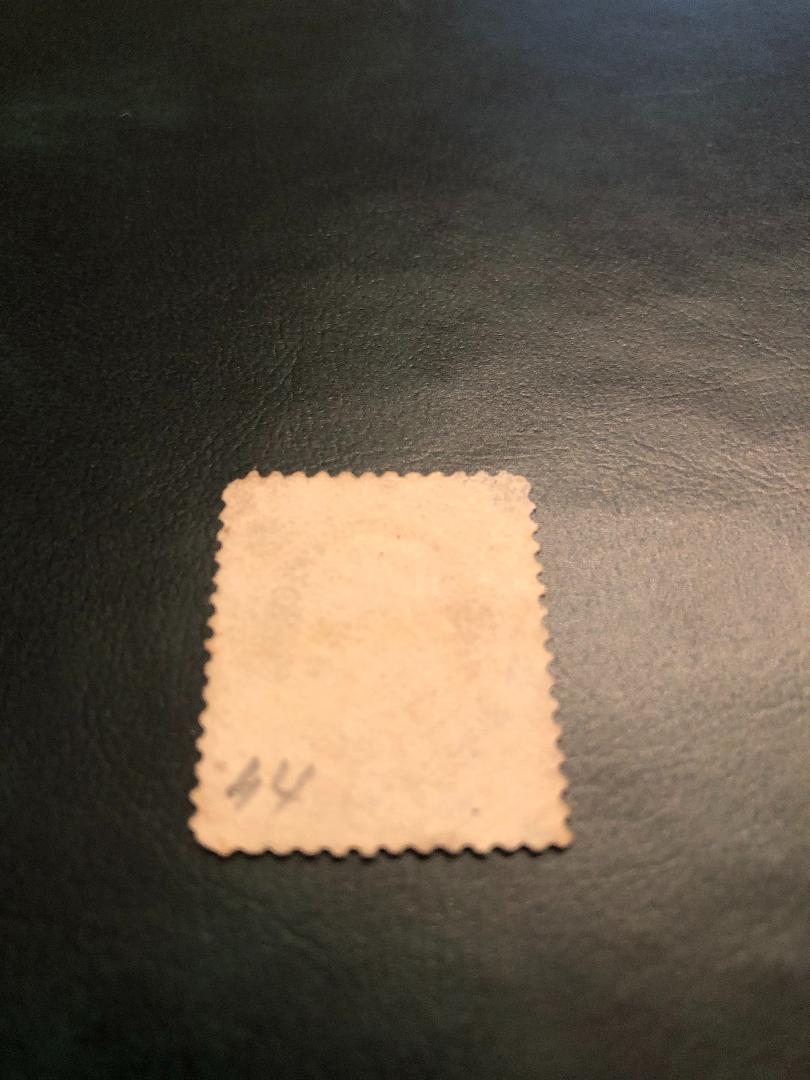 |
|
Send note to Staff
|
|
|
Moderator

United States
12330 Posts |
|
|
Pillar Of The Community
United States
1012 Posts |
|
|
Thank you Don,
I read both links. ok, so I believe that it is the Soft paper. I believe I see the a mesh or weave when I put it to a light and pretty translucent. so Drum roll. I think it is a 187. 1879 American Bank Note printing. |
|
Send note to Staff
|
|
|
Pillar Of The Community
United States
1012 Posts |
|
|
I tried another Bank Note and I believe this one is not on the soft porous paper - even though it is pretty translucent, I do not see the mesh pattern My best guess = #178, 2 cent vermillion Jackson. Practice practice. 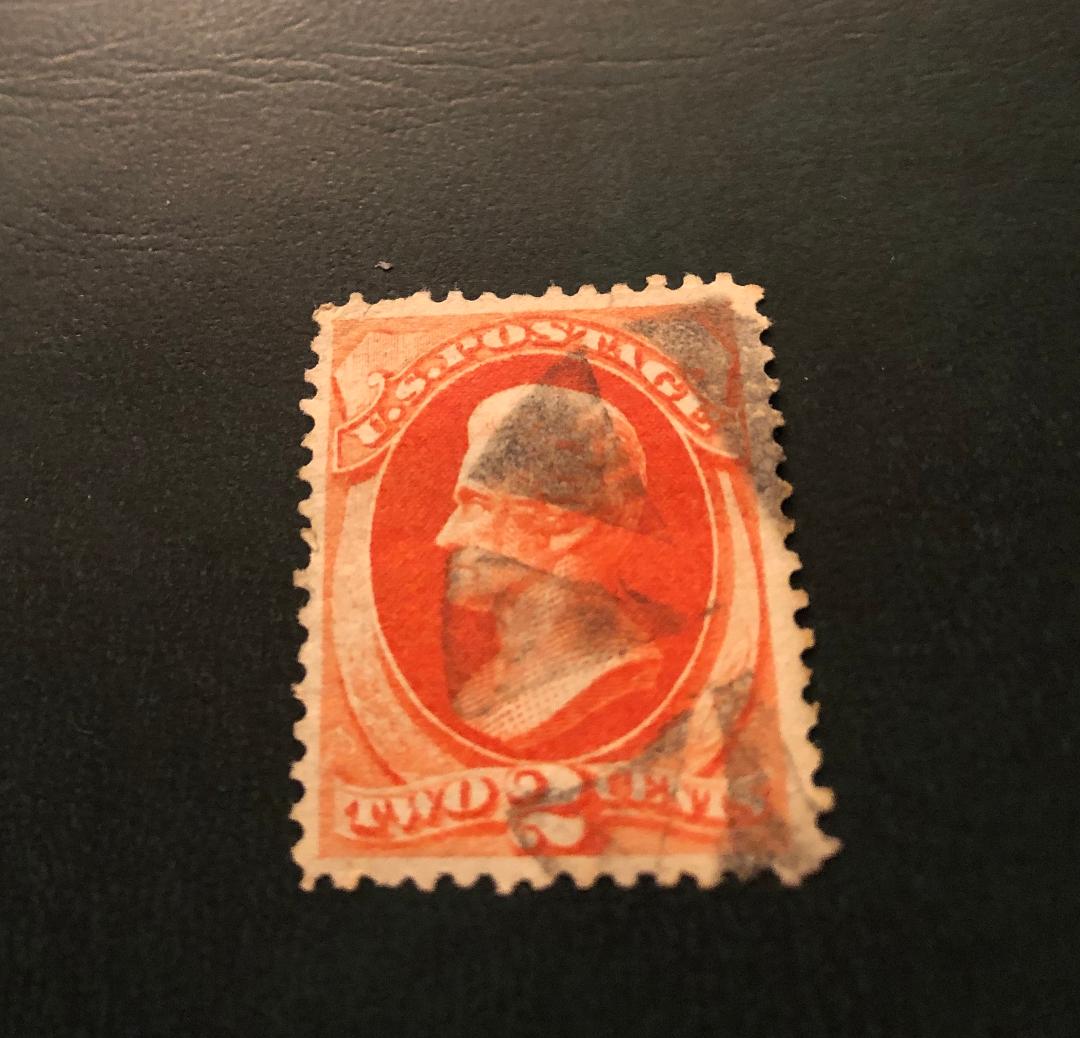 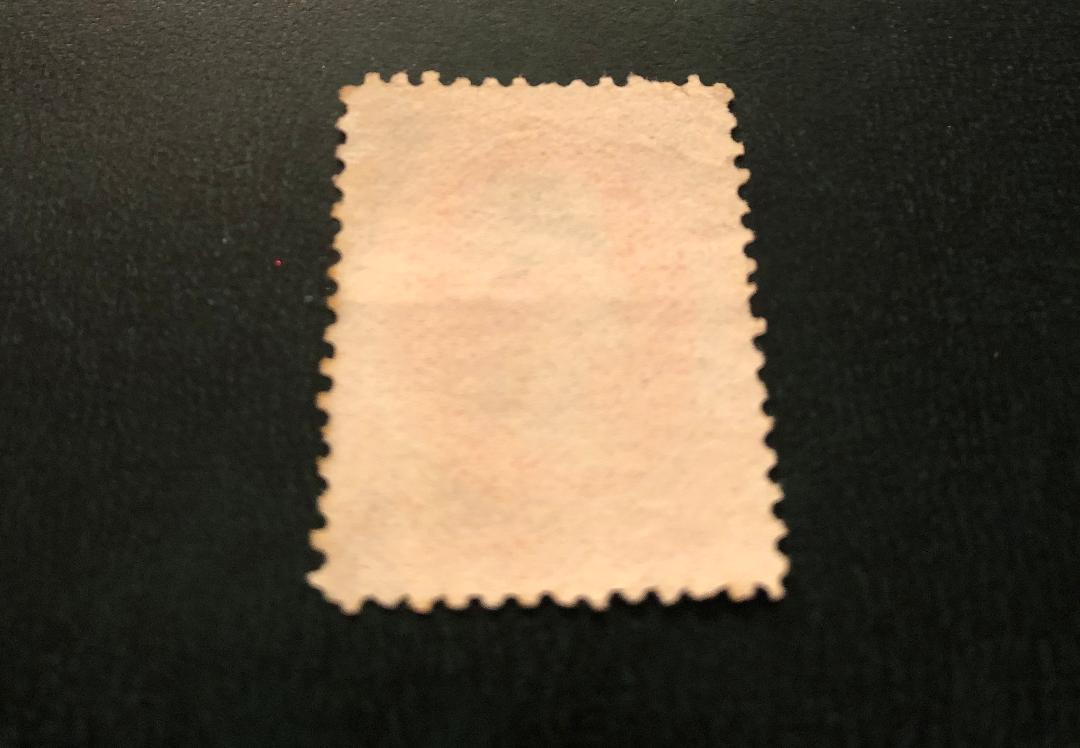 |
|
Send note to Staff
|
|
|
Pillar Of The Community
United States
3289 Posts |
|
|
Used soft paper banknote stamps usually show paper fibers when examined closely. Compare your Sc. 187 with your Sc. 178, also hold the two of them overlapping with your new tongs and shine the light through the pair. Oh and the Sc.178 could be on intermediate paper, or double paper, just to make it interesting.  |
|
Send note to Staff
|
| Edited by littleriverphil - 12/20/2019 12:56 pm |
|
|
Pillar Of The Community
United States
1012 Posts |
|
|
187 definitely has the paper fibers. The "178", I see a few - definitely not as many as the 187 when I held them together. does it have to be NO fibers to be a hard White paper? I am on the fence - still think I lean toward the Sc178. I appreciate you taking time with me. |
|
Send note to Staff
|
|
|
Pillar Of The Community
United States
3289 Posts |
|
|
No, all papers will show some fibers, but the soft paper will be "fuzzier". If the prefs didn't sow some fiber, most become suspicious of re-prefing. The main tell is the translucence of the paper and the mottling or lack of. |
|
Send note to Staff
|
| Edited by littleriverphil - 12/20/2019 1:32 pm |
|
|
Valued Member
97 Posts |
|
|
Mita75:
I like the 10c stamp in your original post. It has a couple of short perfs, but they don't stand out much, the cancel is about as neat and unobtrusive as they get and it is well centered. The one in my album is apparently uncancelled, but obviously regummed. I like yours better.
I'm just an old collector, certainly no expert on the banknotes, but I'll share a tip I found useful. Get a few 3 cent 1869 stamps, the blue locomotive with grilled paper. They were only issued for about a year, so the paper doesn't vary a lot. You can get off-ceter or heavily cancelled examples for maybe a buck each. They are good samples of the paper the NBC used for their printings of the 1870 issue. Then get some 2 cent Washington and 5 cent Garfield stamps from the 1880's. The paper used on these stamps varied, but should all be quite distinct from the 1869 stamps.
Use these reference stamps to compare with other stamps for paper type. Some stamps will be in between and hard to categorize. Some may not "snap" like hard paper, but won't show the "mottling" of soft paper either, etc. I don't like those, but some people do. If you look through enough banknote stamps, you'll find some on ribbed paper and maybe other scarce varieties. Like I said, I'm no expert and I'm probably wrong about something or other, but my point is to emphasize the value of experience. Read what the experts say and make your own observations. |
|
Send note to Staff
|
|
|
Valued Member
United States
87 Posts |
|
|
SwedishTiger is awesome. I also have used the Micarelli book for ages. Has helped me a ton over the years. You'll learn a lot sitting down and just checking your stamps to the book. 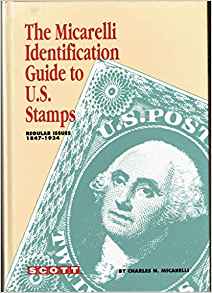 |
|
Send note to Staff
|
|
|
Pillar Of The Community
United States
1012 Posts |
|
|
Thank you for the advice. I like your suggestion to buy some of the varieties with different paper and use that to help me learn. I will also check out the book. I am trying to gain confidence - your responses, suggestions, etc. help encourage me. I have a few more Bank notes as well that I will work on.
Thanks guys. |
|
Send note to Staff
|
|
|
Pillar Of The Community
United States
2555 Posts |
|
|
Mrita 75, I think you are getting it! Your first stamp is definitely a #187. Also, without much risk, I can say your other stamp is a #178. Don't get hung up forever on the oft-traded cookbook approaches to stamp identification. Your stamps are fairly readily identifiable using only the images of the front of the stamps that you provided. |
|
Send note to Staff
|
|
| |
Replies: 13 / Views: 1,352 |
|




 Posted 12/19/2019 11:01 pm


