| Author |
 Replies: 17 / Views: 1,668 Replies: 17 / Views: 1,668 |
|
Valued Member
United States
363 Posts |
|
|
Hello community, I have in my possession a copy of #292 and #293 and each of them have a hinge remnant on the back. No original gum to worry about, they are used/cancelled. Here's a photo of the $1 #292... 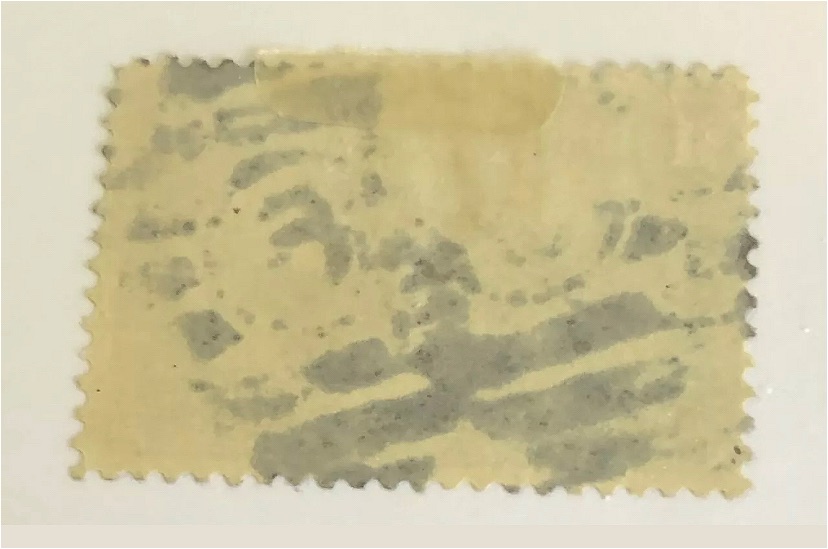 I would like to remove these hinges prior to placing the stamps in my hingeless album. Given the value of these stamps there is little room for error. There does not appear to be a tear or other damage that would free up by removing the hinges. I'm hesitant to submerge each stamp completely in water. I think I heard on a podcast that a cotton swab can be used to apply water immediately on the hinge and after awhile I can use my stamp tongs to pull of the loosened hinge. I've searched the forum and come up short. Thank you for your expert advice. |
|
Send note to Staff
|
|
|
|
|
|
Bedrock Of The Community
12761 Posts |
|
|
Personally I would soak the stamps in clean cold water. Because of the hinge placement at the very top and over the perfs on the stamp in your picture be very, very careful and slow going about the process. It may take several goes. Patience is your friend. |
Send note to Staff 
|
|
|
Pillar Of The Community
United States
796 Posts |
|
|
use a small pointed artists brush dipped in water and applied to the back of the hinge several times and long pointed tongs to lift the hinge when it curls up or can be pushed around with the brush. have patience as this will take a bit of time. |
|
Send note to Staff
|
|
|
Pillar Of The Community
United States
752 Posts |
|
|
I agree with rodgcam: I wouldn't have a pair of tongs anyway near this hinge. I would throw it in a bowl of cold clear water and let the hinge separate from the stamp of its own accord. If it doesn't, I would let it dry and leave it alone. Dealing with a firmly stuck hinge on the edge that affects perfs and does not separate on its own in water is asking for trouble if you have to use tongs to get it off |
|
Send note to Staff
|
| Edited by funcitypapa - 02/12/2021 08:32 am |
|
|
Rest in Peace
United States
652 Posts |
|
|
I would suggest purchasing a gallon of distilled water from your grocery store. Depending on where you live, there are many chemicals in your water that will affect the appearance of the stamp under UV. Generally, this does not happen with distilled water. |
|
Send note to Staff
|
|
|
Valued Member
Guernsey
13 Posts |
|
|
I second that wtcrowe, luke warm distilled water is also my preferred choice (especially when submerging as it appears to clean them a little also). Additionally, floating the stamp on top of the water with cling film around the top of a bowl (to prevent contamination) is my favorite method. The cotton bud method on non gummed, can sometimes in my experience make the area rise/pop up like a mound and be quite difficult to dry/press back out. However, this does not appear to be the case when removing from gummed backs with a moist bud. As it can retain its shape much more easily. |
|
Send note to Staff
|
|
|
Pillar Of The Community
United States
1162 Posts |
|
|
Soaking stamps like these, specifically, in clean water has been standard procedure for well over a century. There are some early British stamps that won't hold up to a water-soak, but these US stamps will be fine. Soak them long enough to allow the hinges to 'float' off - it should take a few minutes. After the hinges are soaked off, you will want to dry them by placing them between non-colored blotter paper and place a couple of books on top to keep it all flat. Leave that for a few hours (I leave overnight). I use an old phone book, and am careful to place the stamps between un-printed sections of the pages
I would rather give a water bath than to potentially do a 'half-soak' with a brush and then 'pick' the hinge off with tongs. I use the paintbrush method when removing stuff from a gummed stamp, with the hope of leaving the gum behind - I don't see the need to do this with used stamps. |
|
Send note to Staff
|
|
|
Rest in Peace
United States
920 Posts |
|
|
As others have recommended, I use room temp water and let it do 99% of the work. I also use a wet cue tip to gently help slip hinge or unwanted paper from the back of the soaking stamp (while still in the water). Once removed I place it in a paper drying fold between a stiffer water-permeable layers, followed by a thicker water absorbing layer, sandwiched between to 1/8" layers of plastic and all held together with a mild clamp. Keep it there until well dry, and viola! This method was recommended by a museum paper conservator and has always worked well for me. Again, don't hurry the process in the water. 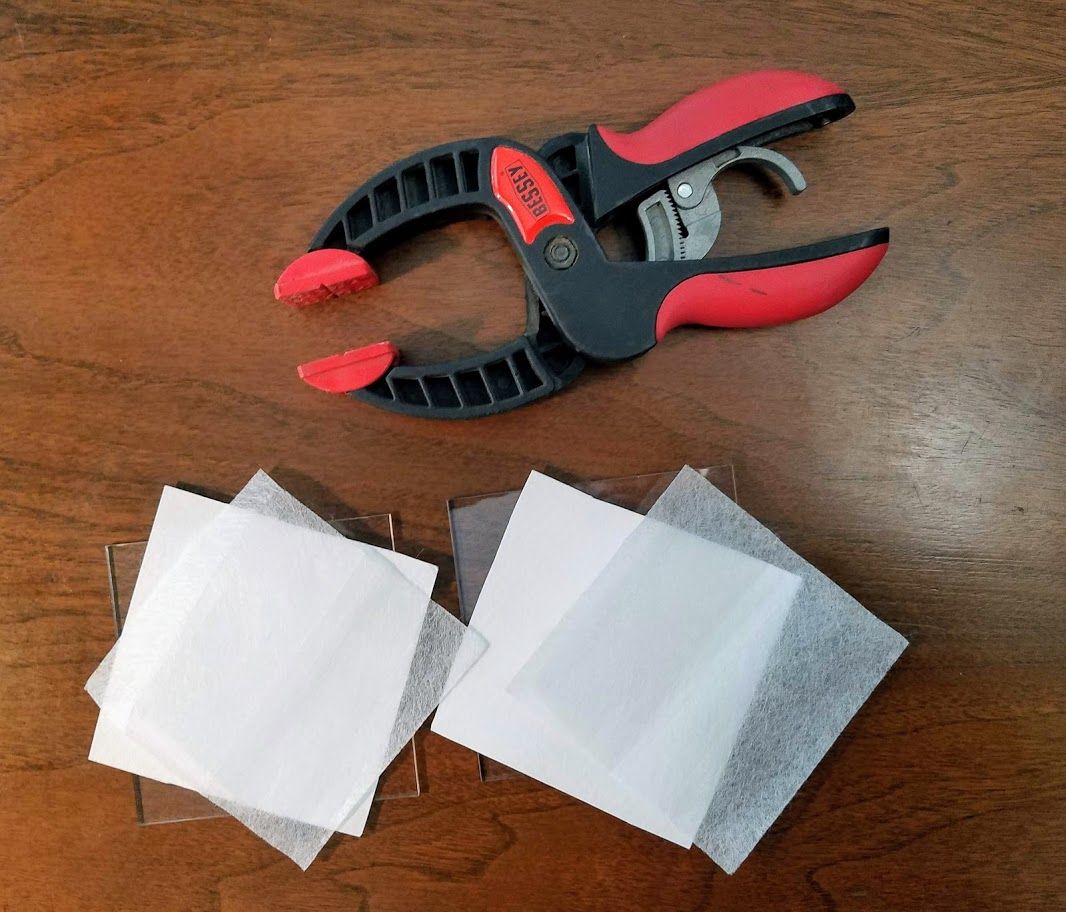 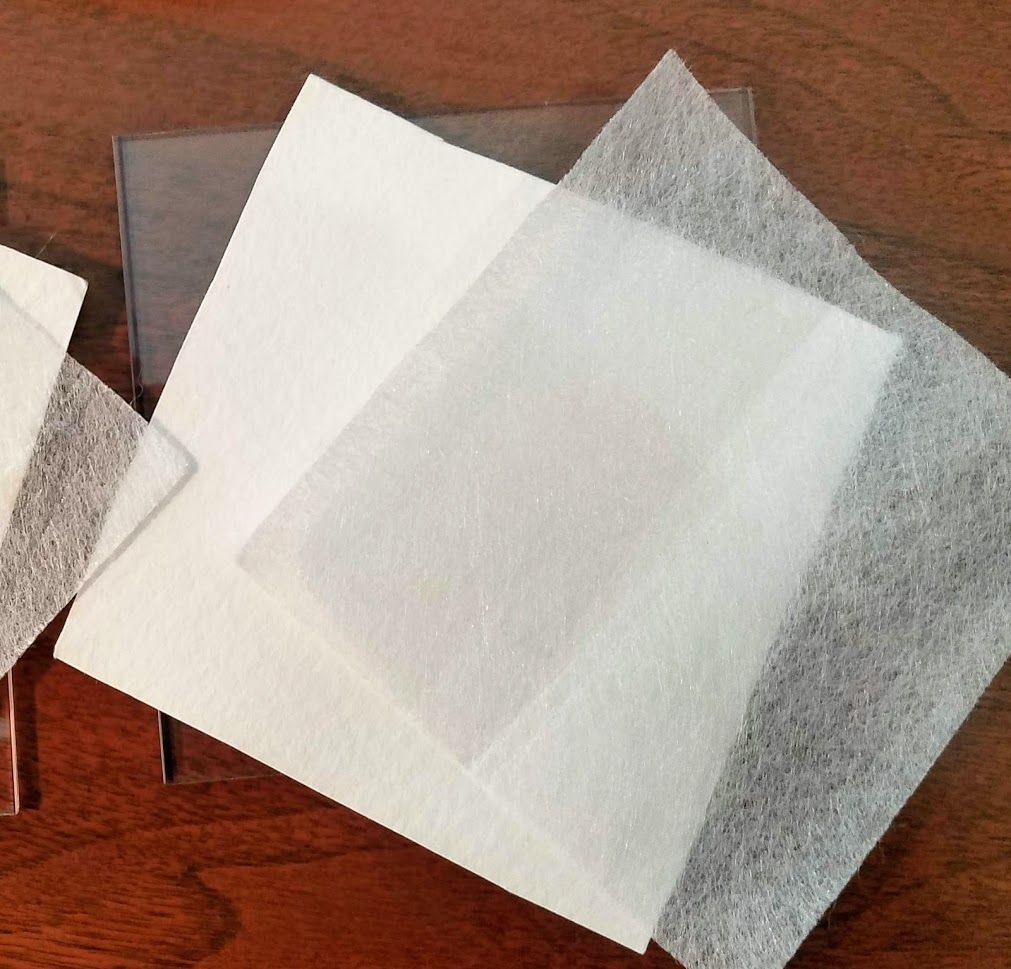 |
|
Send note to Staff
|
|
|
Pillar Of The Community
1367 Posts |
|
|
Soaking a stamp nearly always removes the hinge which will typically float away from the stamp. Since you really want to avoid scraping or poking at an old stamp, especially with something pointy, I'd suggest not moistening the stamp in order to use tongs to peel the hinge off. That might work, but I'd be very nervous doing that. A mistake could easily tear the paper or otherwise damage the stamp. Soaking stamps is as old as stamp collecting, and it works without harming the stamp so it's proven safe.
Just be careful how you remove the stamp from the water. It can get a little tricky if you pick it up wrong, and I'm not sure if there is a "best" way. I usually just use fingers, not tongs, but maybe someone has a safer method. And be aware that if you try to get fancy to lift a stamp out of the water, anything you use may attract the wet stamp to it. Then you'll have your nice old stamp attached to whatever spoon or spatula or wire thing you used which could be a recipe for tearing the stamp as you try to remove it. Thus, my use of fingers.
As for using distilled water, I don't but I'll consider it. I use ordinary tap water and I've never, not once, seen any evidence of a stamp becoming stained, discolored, or otherwise harmed by it. If others have, though, I can understand their using distilled water. I'd guess that the tap water in different communities will vary enough that some people might be better off using distilled water, but as I said I've never done that.
Also, logically, warm water is likely to soften the glue faster and may be more effectively, so that's what I use rather than cold water. But if warm water works that doesn't mean hot water will work even better. Hot water seems like it might affect the color of certain stamps or soften the paper -- or who knows what? Cold water works just fine, though, and seems least likely to affect a stamp's color.
So much to say about soaking a stamp! Who knew? And while I'm at it, there's an expensive fluid I've tried a few times called "Stamp-Lift Fluid". In my experience, it just does not work but maybe I'm "painting" the fluid on the back of stamps the wrong way. I have no idea. So in my expereince, water works better. And it's a whole lot cheaper. How often can you say that nowadays? |
|
Send note to Staff
|
|
|
Valued Member
United States
469 Posts |
|
|
Thanks for the advice on stamp lift. I was going to try it.
H2O is not all equal it really depend on where it comes from. In urban areas they treat the water with chlorine, I can't drink city water. It's for bacteria and virus Destruction.
H2O in the country is well water. Now you really need distilled. Sulphur is common, carbon as CO2 is common in my area. It's strong enough to dissolve the copper pipes, you get a blue ring at the drain. So.... If you value your stamps ..... I treat my wafter. I actually have a treatment plant in the basement. I use a 53% sodium solution and an injector pump to raise the ph to 7.1 or so.
I don't know if the chlorine will "hurt" stamps. I think that the NA would leave a residue. Subsequently I always use distilled in my radiators as well as floating stamps.
Mr WT Crowe recently posted to use distilled water. I would not argue with Mr Crowe in any matter regarding stamps.
Cheers |
|
Send note to Staff
|
|
|
Moderator

United States
12330 Posts |
|
|
Cool clear water. The stamp hinge is obviously one of the vintage Dennison hinges and should float off well without risking mechanical intervention.
Don |
|
Send note to Staff
|
|
|
|
Valued Member
United States
363 Posts |
|
|
Awesome tips everyone. I will post photos and videos of my process to my twitter and Instagram accounts (see link in my signature below). |
|
Send note to Staff
|
|
|
|
Pillar Of The Community
500 Posts |
|
|
The only US stamps I've had soaking issues with are some bureau postage dues. Those inks were somewhat water soluble and would bleed - a person could usually tell if any of those were soaked at some point. Does anyone know why postage dues from this era were this way and not regular postage? Weird. As others have said, your stamps should not be impacted by a reasonable amount of water immersion.
Congratulations on those stamps BTW! Beauties! |
|
Send note to Staff
|
|
|
Pillar Of The Community
United States
796 Posts |
|
|
as a clarification: I use the artists brush to see if the hinge is ready to move and lift off by testing a corner. once free of the stamp the tongs are used to remove the remnant and them to lift the stamp out using the tongs normally or in an open horizontal position under the stamp. the brush is also used to stir the water around and insure the stamp is off the bottom of the container before removal. I use blotters and a weight for drying. |
|
Send note to Staff
|
|
|
Valued Member
Canada
304 Posts |
|
|
Reading all of this, I am so amazed that for 55 years I have been soaking 1000s of stamps in tap water with absolute total success except for 2 stamps. One was a Canadian stamp where I did not recognize that it had been printed on the gum side and the colour started disappearing the instant it hit the water. The second was a German stamp where I did not see the Michel catalogue warning that water will turn the stamp from brown to green. That's it.
Am I really just lucky, or is there over paranoia about soaking used stamps in water to remove a hinge or paper remnants? |
|
Send note to Staff
|
| Edited by PMStamp - 02/13/2021 1:55 pm |
|
|
Pillar Of The Community
United States
1106 Posts |
|
|
PMstamp, I've had the same experience as you. I've soaked stamps for fifty years without any problems. I use tepid water and fish them out with rounded tongs or my fingers, put them on a clean tea towel or a chamois until they are just damp and then put them into a drying book with a heavy book on top for a couple of days. The only problem I've encountered is when the stamp falls apart because the hinge is covering a tear or thin. Presumably the OP's stamp has been soaked at least once before without incident to get into an album. If someone is new to soaking, I would recommend practicing on some lesser value stamps until you get a feel for the technique you choose to use. Otherwise, I don't think there will be a problem. Dan  |
|
Send note to Staff
|
Experienced stamps need a home too. I'd rather have an example that is imperfect than no example.
I collect for enjoyment, not investment.
APS Member #223433
Postmark Collectors Club Member #6333
Meter Stamp Society Member #1409 |
|
|
Replies: 17 / Views: 1,668 |
|




 Posted 02/11/2021 11:31 pm


