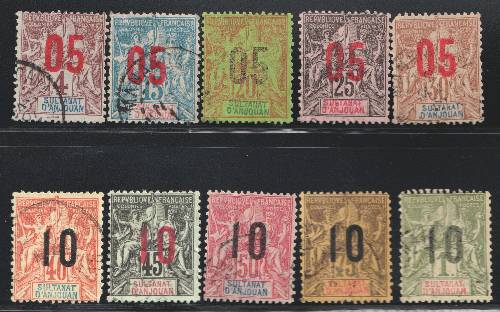
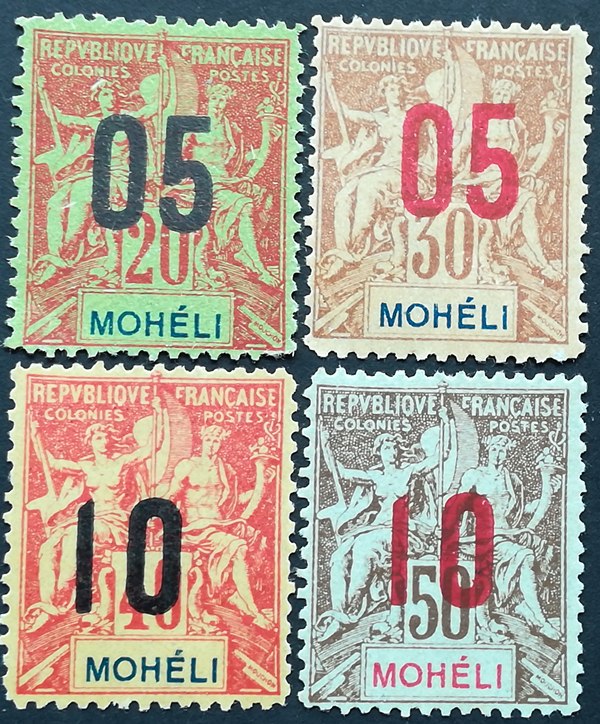
You may have underestimated the commerce here?
Not to mention the coaling stations here, and their assumed correspondence requirements.
Caveat: This is Gutenberg, I am guessing circa 1900, but I could be way out.
Population: of the Archipelago

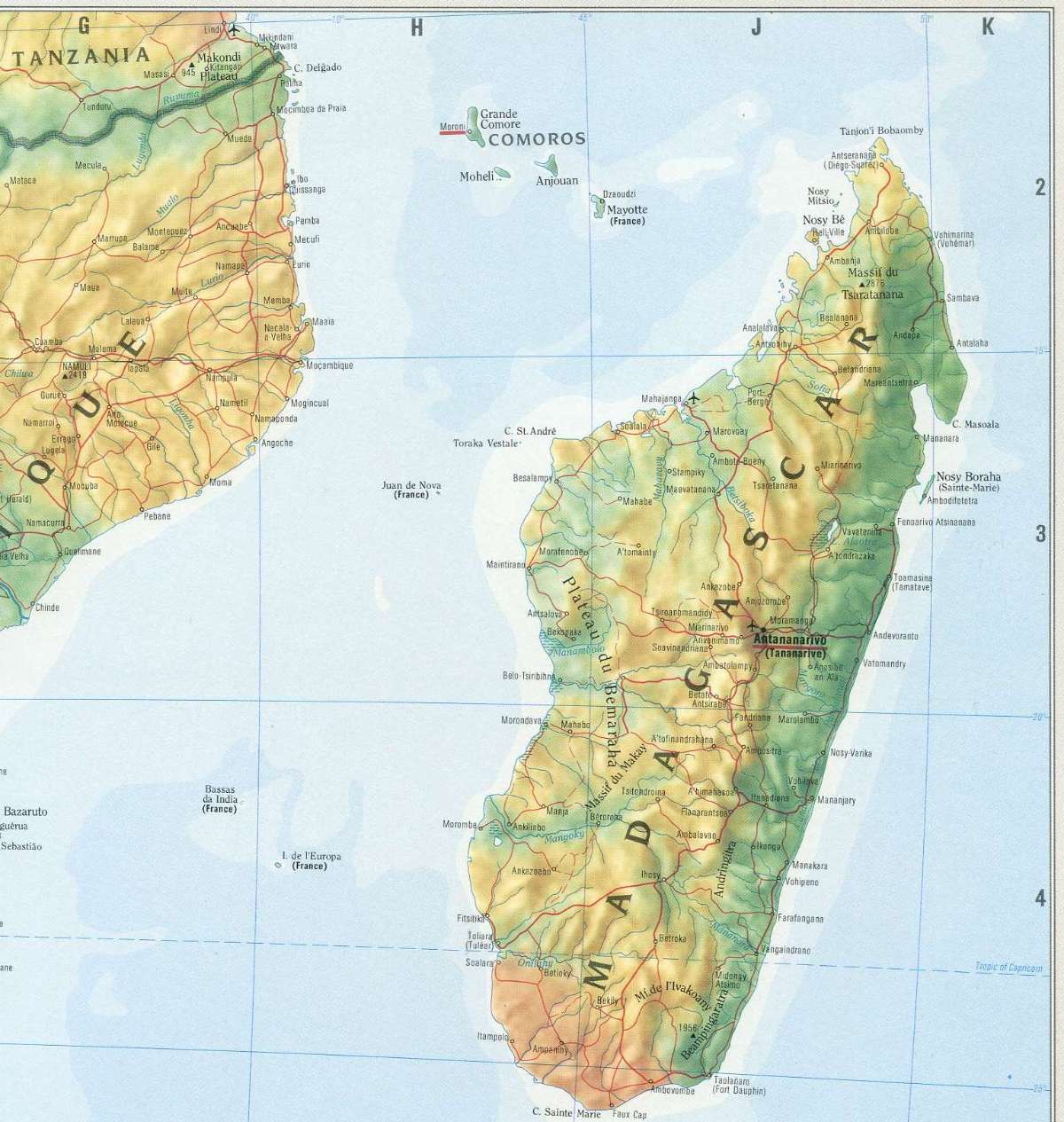
The islands were first visited by Europeans in the 16th century; they are marked on the map of Diego Ribero made in 1527. At that time, and for long afterwards, the dominant influence in, and the civilization of, the islands was Arab. According to tradition the islands were first peopled by Arab voyagers driven thither by tempests. The petty sultans who exercised authority were notorious slave traders. A Sakalava chief who had been driven from Madagascar by the Hovas took refuge in Mayotte c. 1830, and, with the aid of the sultan of Johanna, conquered the island, which for a century had been given over to civil war. French naval officers having reported on
the strategic value of Mayotte, Admiral de Hell, governor of Réunion, sent an officer there in 1841, and a treaty was negotiated ceding the island to France. Possession was taken in 1843, the sultan of Johanna renouncing his claims in the same year. In 1886 the sultans of the other three islands were placed under French protection, France fearing that otherwise the islands would be taken by Germany. The French experienced some difficulty with the natives, but by 1892 had established their position. The islands, as regulated by the decree of the 9th of April 1908, are under the supreme authority of the governor-general of Madagascar. The local administration is in the hands of an official who himself governs Mayotte but is represented in the other islands by administrators. On the council which assists the governor are two nominated native notables. In 1910 the sultan of Great Comoro ceded his sovereign rights to France. In Anjuan the native government is continued under French supervision. The budgets of the four islands in 1904 came to some £30,000, that of Mayotte being about half the total. The chief sources of revenue are poll and house taxes, and, in Mayotte, a land tax.
The Iles Glorieuses, three islets 160 m. N.E. of Mayotte, with a population of some 20 souls engaged in the collection of guano and the capture of turtles, were in 1892 annexed to France and placed under the control of the administrator of Mayotte.





 Posted 06/20/2021 07:07 am