Quote:
Parcelpostguy,
Until this thread I have NEVER heard of the phrase "foreign matter freak".
Who or what organization has defined this as a philatelic term?
When was it originated?
It is clearly *not* in common or widespread usage within the hobby.
The EFO Collector's Club, APS Affiliate 103, founded in 1978 beginning with John Hotchner. We began shortly there after to define and codify the various philatelic errors, freaks and oddities in the EFOCC's Journal, The EFO Collector. The various flavors of EFOs were discussed in the general philatelic press in the EFO Column,
EFO Citings, in Stamp Collector Newspaper (authored by Hotchner, then Pagter) and in Linn's Stamp News in Hotchner's various writings. The behind the scenes discussions included Jacques Schiff the lead dealer in US errors and freaks and most EFO experts, collectors and dealers of the period. Hotchner and Pagter were the first Philatelic Press members advised of the CIA Candlestick invert by Jacques at lunch in Lehr's Greenhouse Restaurant in San Francisco during WESTPEX.
The core which worked with John, as the lead, for the definitions also helped with early editions of the Datz US Errors book. The book was for errors (as defined in the classification list) and not freaks nor oddities.
If you do not want to click through on the link I posted above, then just search for the "EFO Collector's Club" on the internet. On the home page click on "Resources" at the left and scroll down to "Papers, Articles" and the Hotchner Classification paper is listed first. Each line item number can be clicked upon for types within the general category.
Errors
1. Imperforate (Perforations, roulettes or die cutting)
2. Perforations of the wrong gauge applied
3. Inverted perforations
4. Pair of full stamps with the interpane gutter between
5. Pair of full stamps with the intersheet gutter between
6. Stamps misperforated so that the interpane or intersheet gutter is placed within a stamp
7. Perforations intended to separate panes are shifted within a pane, with a full stamp width on either side
8. Perforations fully doubled or tripled
9. Fully missing color or missing tagging
10. Inverted color
11. Error of color (ink)
12. Reversed colors
13. Stamp printed on both sides
14. One or more colors leading to the completion of a stamp is fully offset on the reverse of the stamp by the blanket roller
15. Double prints
16. Inverted overprints and precancels of Bureau of Engraving and Printing
17. Wide-spaced overprints/Bureau precancels
18. Missing overprints/Bureau precancels
19. Se-tenant Bureau precancels
20. Mistakes in the overprint
21. Double overprints or surcharges
22. Full plate number or other self-contained marginal marking within a misperforated stamp or souvenir sheet
23. Full plate number or self-contained marginal marking within a miscut stamp or souvenir sheet
24. Plate number only missing when associated color-design elements are present
25. Stamps unintentionally printed on paper watermarked for another issue or not watermarked at all
26. Stamps printed on the wrong paper
27. Grills fully missing or wholly doubled and tripled
28. Gum missing from a full stamp, or present on the front of a stamp
29. Bureau repair splice creates a mismatched coil strip
29.1. Self-stick stamp images printed on backing paper
Freaks
30. Single line(s) of perforations misplaced
31. Single direction misperfs affecting all the stamps of a pane or coil, aligned with the design
32. Diagonal misperfs affecting many to all the stamps of a pane
33. Four-way misperfs (boardwalk margins)
34. Two-way misperfs
35. Individual or multiple perfs off line
36. Blind perforations
37. Lines of perforations partially missing
38. Perforations partially doubled
39. Markings from perforating equipment on stamps
40. Paper creases
41. Paper folds
42. Straddle-pane miscuts and gutter snipes
43. Booklet and coil miscuts with marginal markings, including plate numbers
44. Coil miscuts unrelated to marginal markings
45. Booklet miscuts unrelated to marginal markings
46. Souvenir sheet miscuts
47. Double paper/mill splices
48. Double paper/roll-to-roll splices
49. Bureau or other printer repairs and splices
50. Rejection markings
51. Slime holes
52. Non-error grill varieties
53. Unprinted areas in the stamp design
54. Excess ink on stamps
55. Excess ink between stamps
56. Color variations
57. Tagging varieties
58. Printing on reverse
59. Doubled impressions
60. Color misregistrations
61. Overprint and precancel problems
62. Gum varieties
Oddities
63. Essays, proofs and specimens
64. Plate varieties
65. Design errors
66. Counterfeits, fakes and intentionally created varieties
67. Rotary coil end strips
68. Flat-plate coil paste-ups
69. Private perforations
70. Semi-official separations
71. Bisects
72. Spacing and sheet layout varieties
73. Other experiments
74. Test stamps, coils and booklets
75. Printer's waste
76. Different perforations on stamps of the same design
77. Local precancel varieties
78. Perfin varieties
79. Cancellation and meter varieties
80. Pre-first-day cancels
81. Cinderellas
82. Unissued stamps
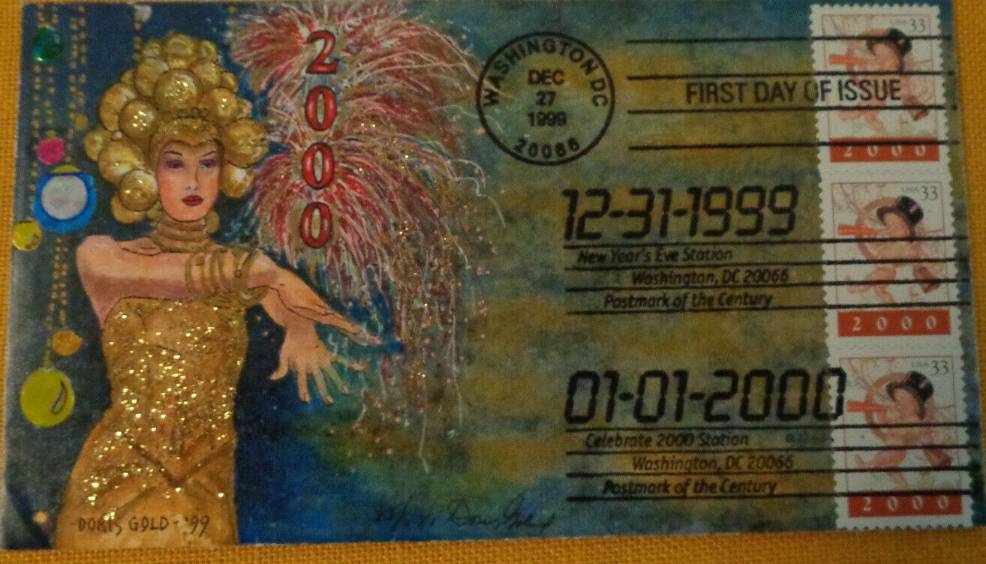
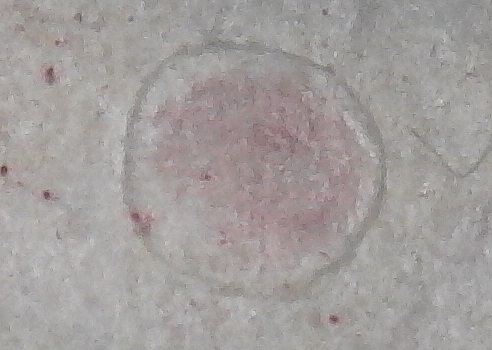
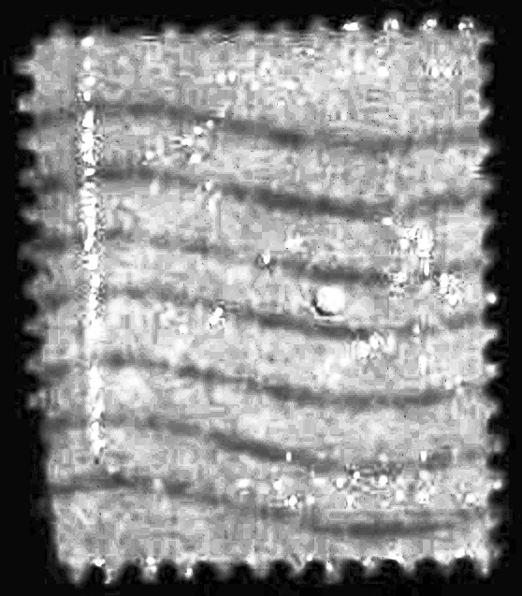
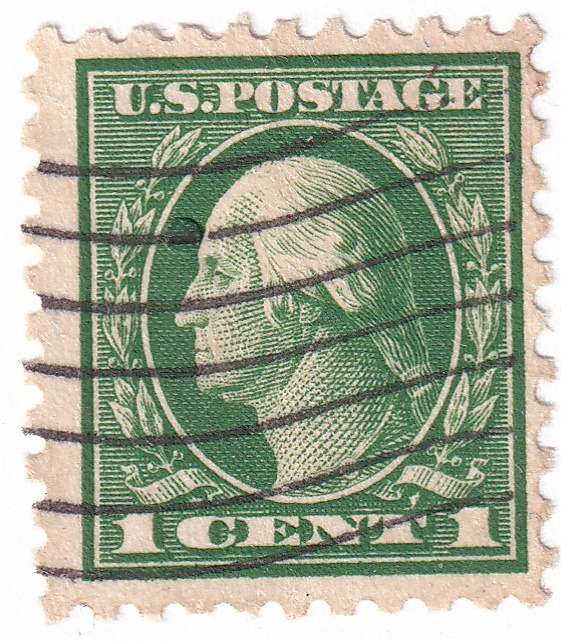
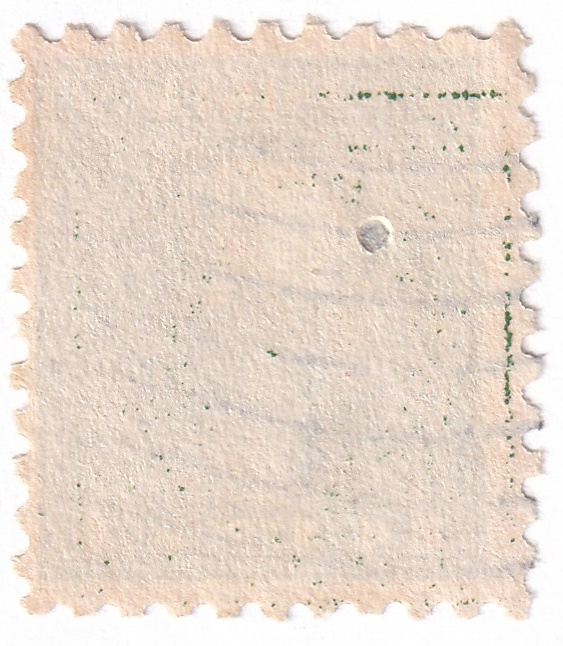
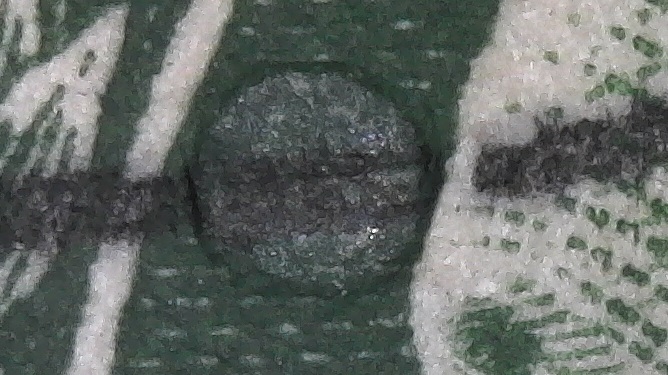
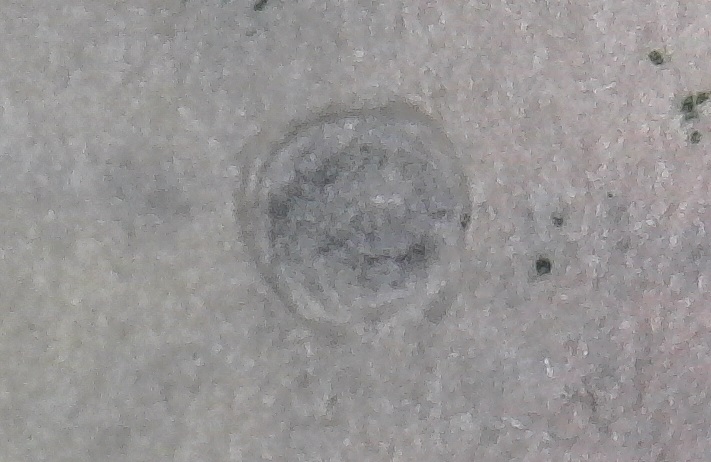
This is the illustration used for "Foreign Matter' freaks.





 Posted 06/26/2021 6:10 pm






 Of course some judge might ask why the exhibitor did not show any Feb 29 covers from 1900.