| Author |
 Replies: 11 / Views: 1,135 Replies: 11 / Views: 1,135 |
|
|
Valued Member
United States
66 Posts |
|
|
|
|
Valued Member
Japan
353 Posts |
|
|
Hello dandow, thanks for posting these cute & interesting labels.
A quick observation:
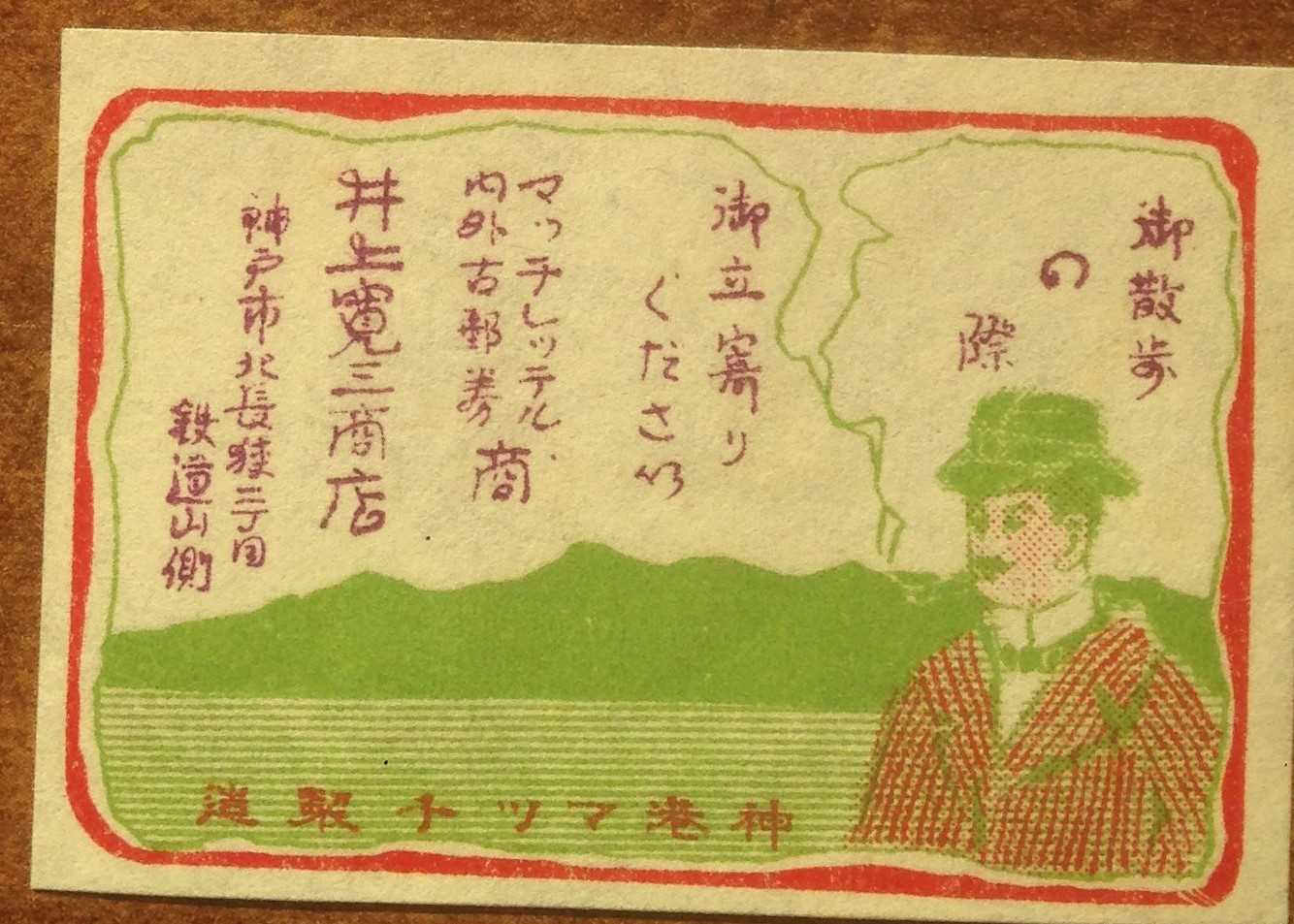
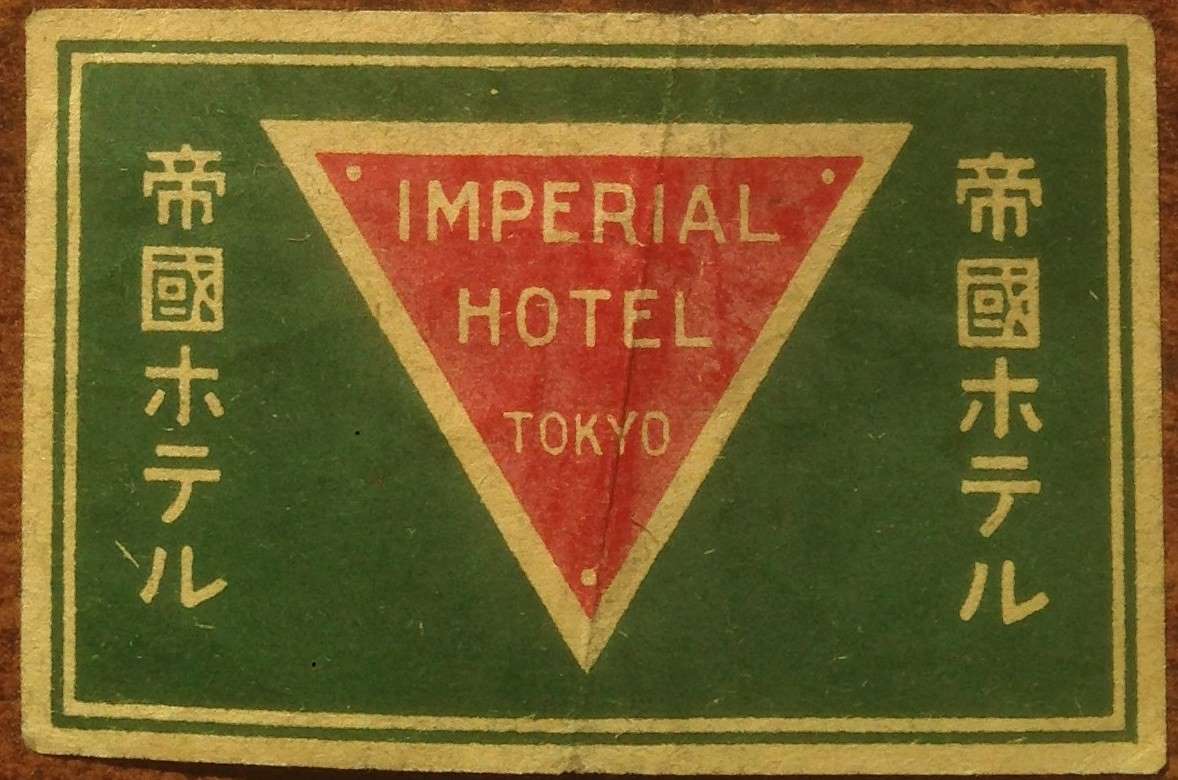
The third label from the bottom (with an illustration of a smoking gentleman) is a matchbox label, and the Imperial Hotel label might also be a matchbox label. Comparing the size of these two labels might confirm this.
More investigation to follow !
- Hironobu |
Send note to Staff 
|
|
|
Valued Member
Japan
353 Posts |
|
|
Hello dandow, observations for the first 10 images.
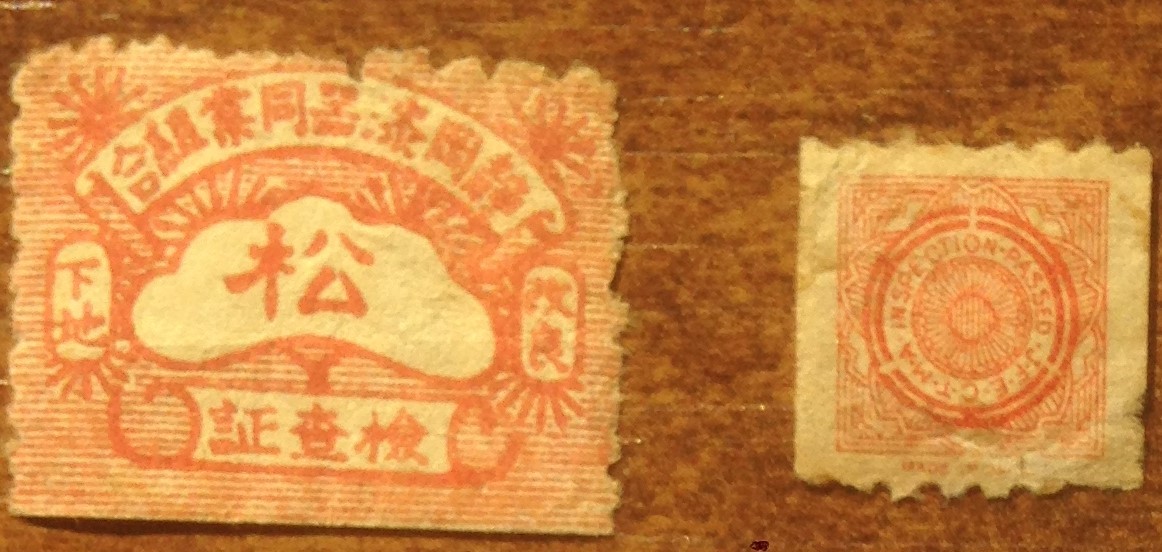
Image 1, left: Shizuoka Lacquerware Trade Union inspection label
ditto, right: inspection label of J.F.E.C.T.M.A.; the last "M.A." should be Manufacturers Association
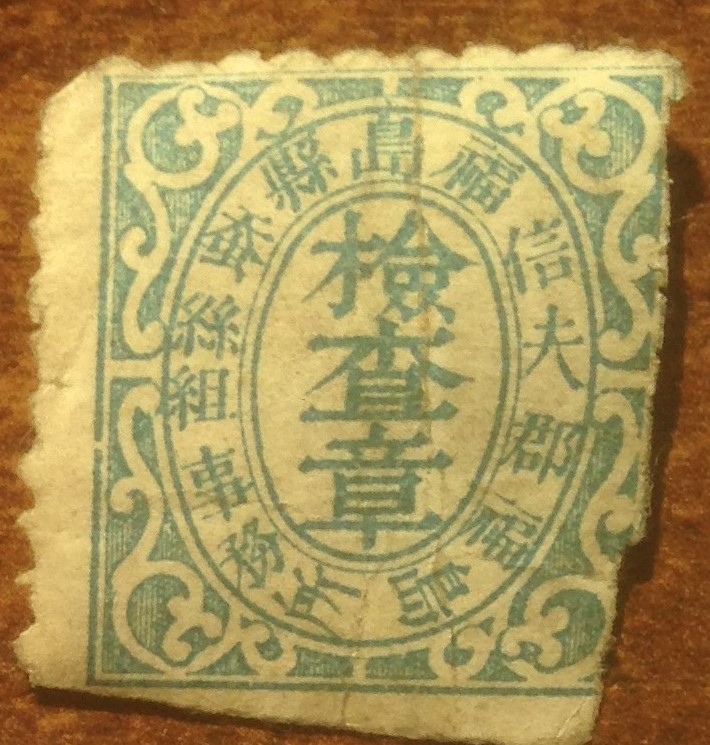
Image 2: inspection label of Fukushima prefecture silk thread office
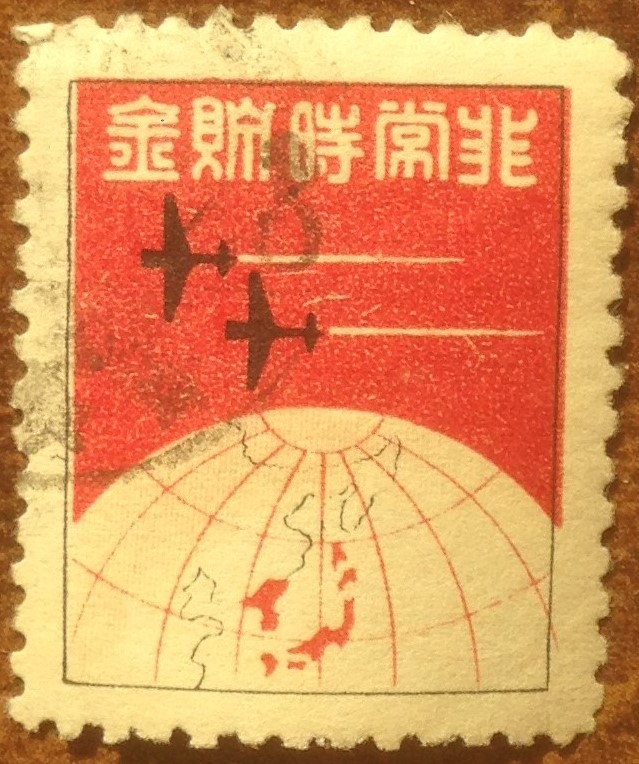
Image 3: savings label, probably from WW2 period; the top inscription reads as "Emergency State Savings"
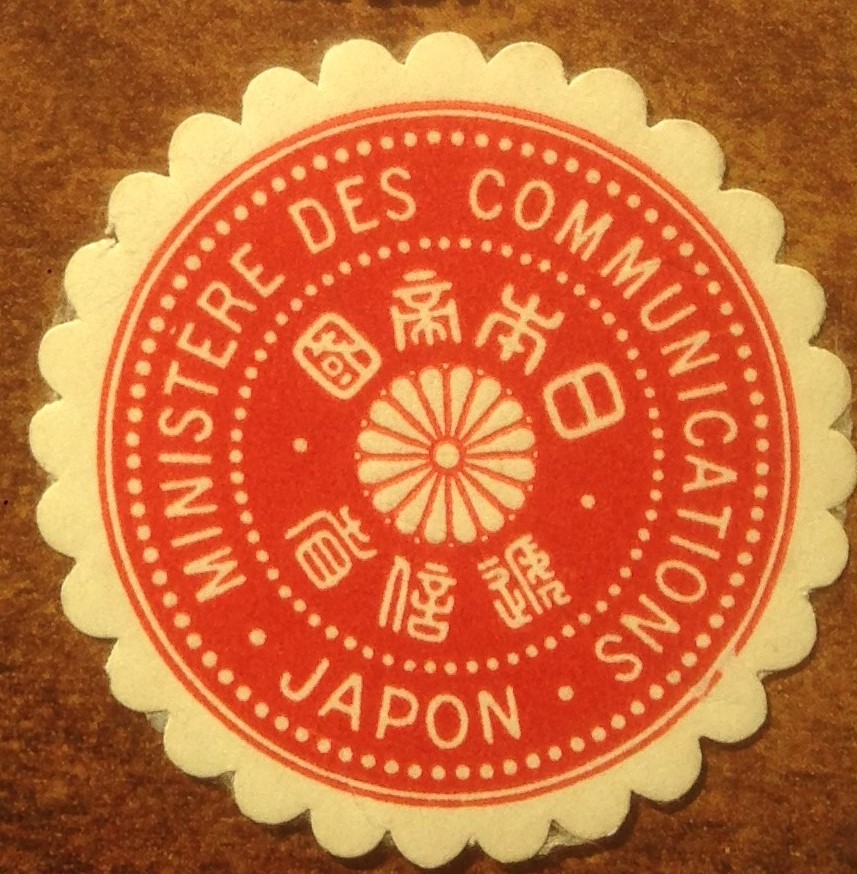
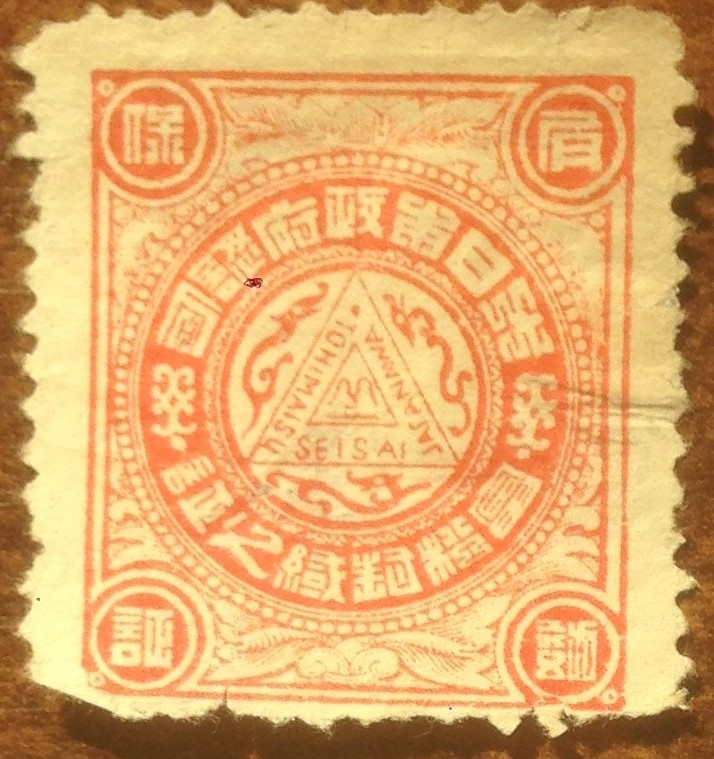
Image 4: unidentifiable label from Ministry of Telecommunications, usage to be investigated
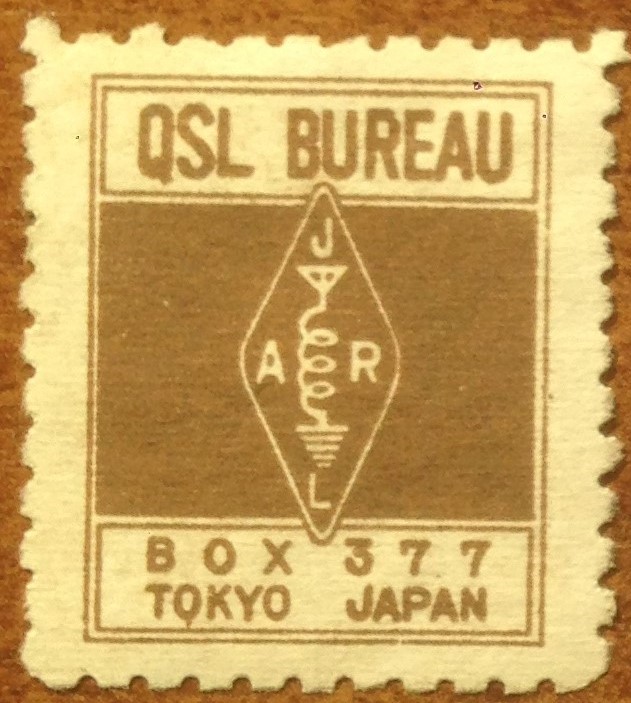
Image 5: label of QSL bureau - something related to amateur radio Q-code, especially the "QSL" acknowledging receipt ?
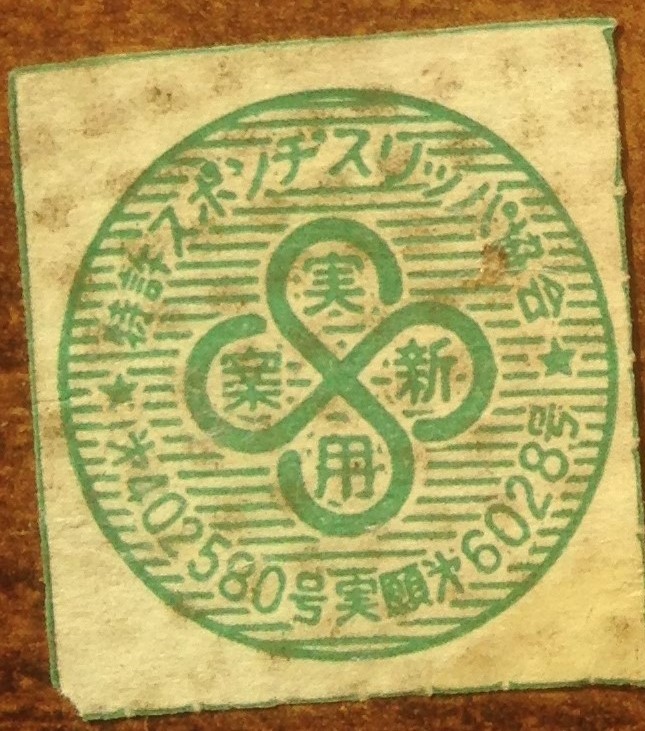
Image 6:patent label of Sponge Slipper association
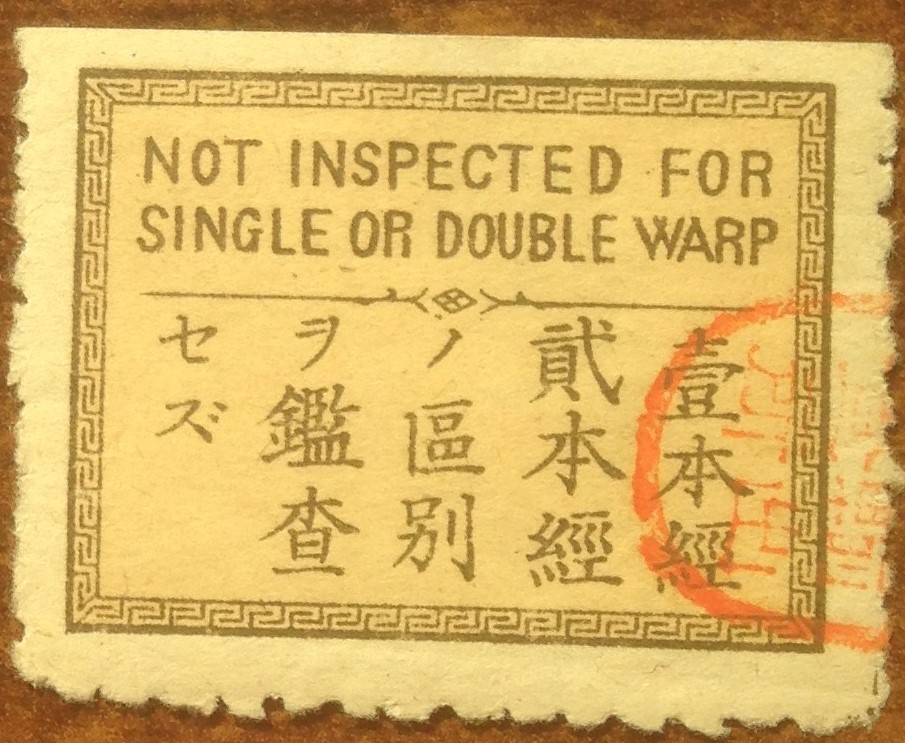
Image 7: unidentifiable inspection label; the red chop reads as "inspection passed"
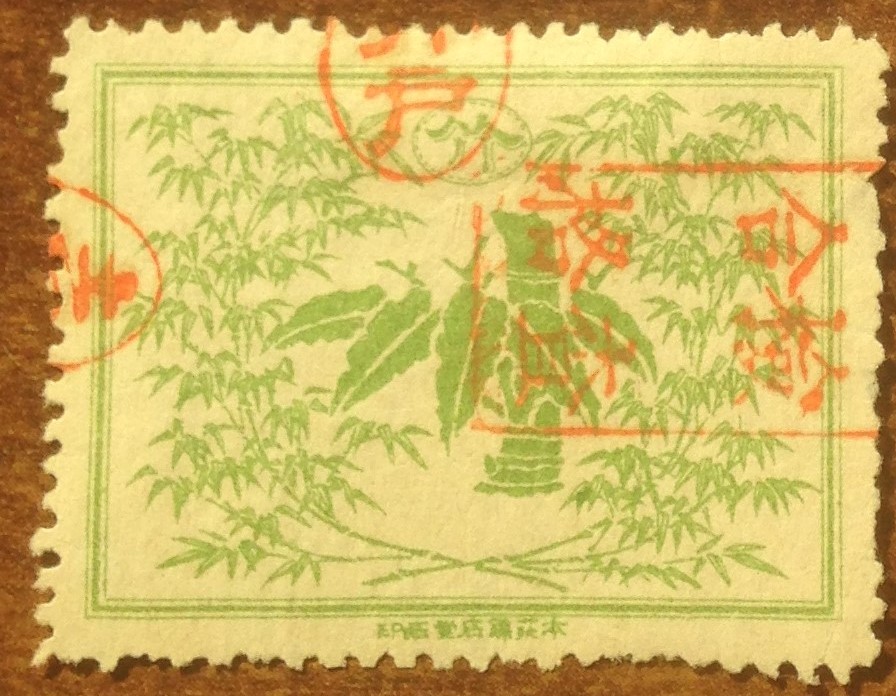
Image 8; unidentifiable label; something related to thread, fabrics or wire fabrication ???
Image 9: seal label of unidentifiable company; the lower inscription could be read as "Tomi - ? Seal label"
Image 10: Kiryu Silk Fabric Export Industrial Union inspection label; Kiryu is a city located in Gunma prefecture, and is well known by its long history of silk textile manufacturing.
- Hironobu
|
|
Send note to Staff
|
|
|
Valued Member
United States
66 Posts |
|
|
Hi Hironobu,
Thank you for this great information! This helps me a lot.
D Andow
|
|
Send note to Staff
|
|
|
Valued Member
United States
66 Posts |
|
|
Regarding the Shizuoka Lacquerware Trade Union inspection label, do you have an idea about why it has the character for "matsu" (pine tree) in the middle?
Regarding the savings label, probably from WW2 period, were these provided by a bank, the Japanese PO as a part of postal savings, or by some other institution? As far as I know, there were no such labels in the USA. |
|
Send note to Staff
|
|
|
Valued Member
Japan
353 Posts |
|
|
Hello dandow, Quote:
Regarding the Shizuoka Lacquerware Trade Union inspection label, do you have an idea about why it has the character for "matsu" (pine tree) in the middle? I think this "Matsu" indicates that this product is the highest quality. We often use "Matsu" (pine), "Ta-Ke" (bamboo) and "Ume" (Japanese apricot/ plum) for grading, nowadays especially for Japanese food; Matsu is the top , followed by Ta-Kame and Ume. These three plants, combined and called as "Sho-Chiku-Bai", is a symbol for fortune and you can find this design in various occasions especially in ceremonial situations. Quote:
Regarding the savings label, probably from WW2 period, were these provided by a bank, the Japanese PO as a part of postal savings, or by some other institution? As far as I know, there were no such labels in the USA Although I have no further information of this label, I reckon that this was issued by private bank or institutions to encourage people to go for savings. During the wartime, Japanese government promoted savings as a national activity to support the budget for military and industrial activities. Japanese PO also got involved in this promotion through slogan cancels, which I shall post some examples later this weekend. Hope this helps ! - Hironobu |
|
Send note to Staff
|
|
|
Valued Member
United States
66 Posts |
|
|
Thank you very much! I forgot about the sho-chiku-bai classification of quality. I am looking forward to seeing your savings labels.
Best,
D Andow
|
|
Send note to Staff
|
|
|
Valued Member
Japan
353 Posts |
|
|
Hello dandow, observations for the remaining labels;
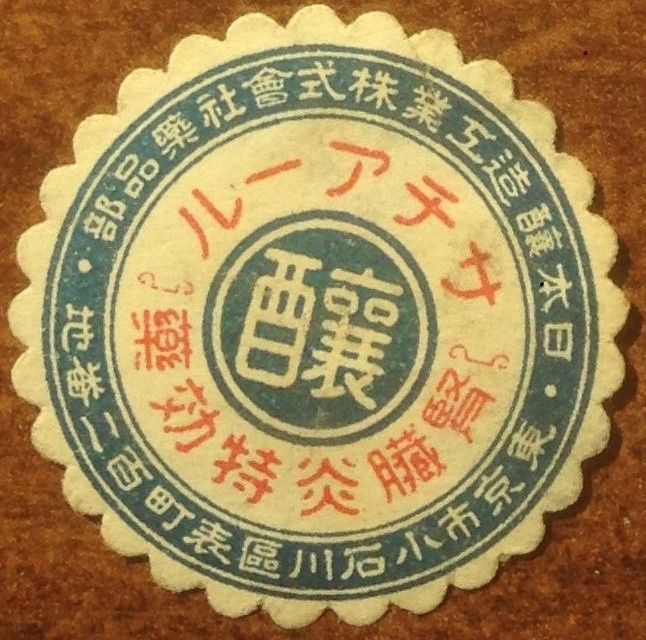
Image 11: seems to be a product label of kidney disease medicine "Sachi Aa-Ru" by Japanese Brewery Industrial Co. Ltd.
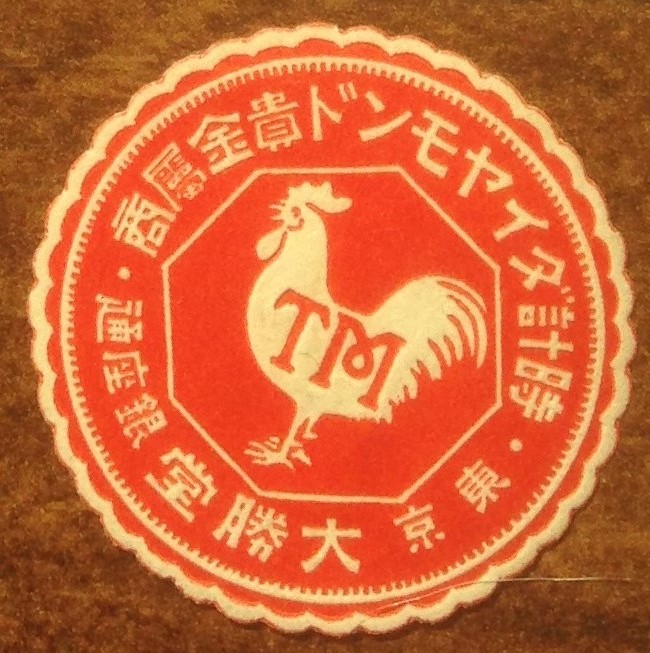
Image 12: seems to be a company label of "Tai-Shou-Dow", a clock / diamond / jewelry company located in Ginza, Tokyo. (This company still do exist!)
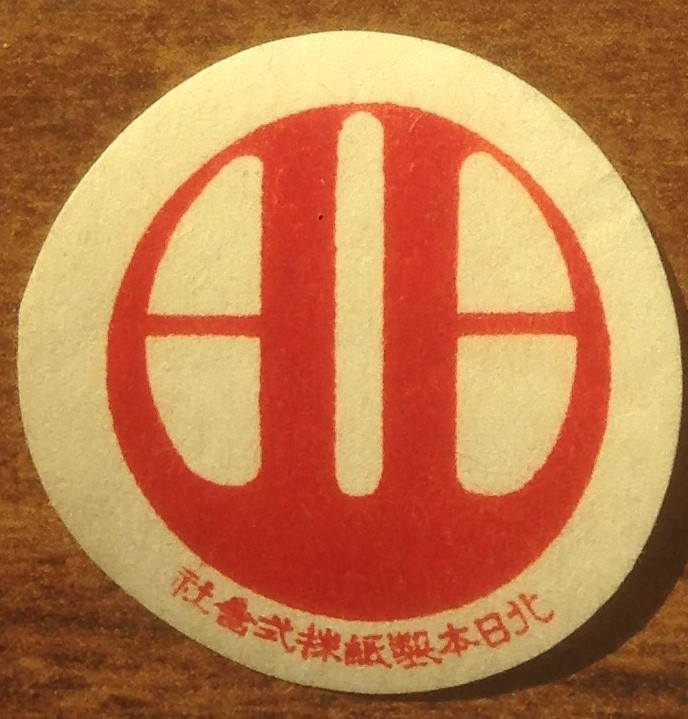
Image 13: seems to be a company Label of North Japan Paper Manufacturer Co. Ltd.
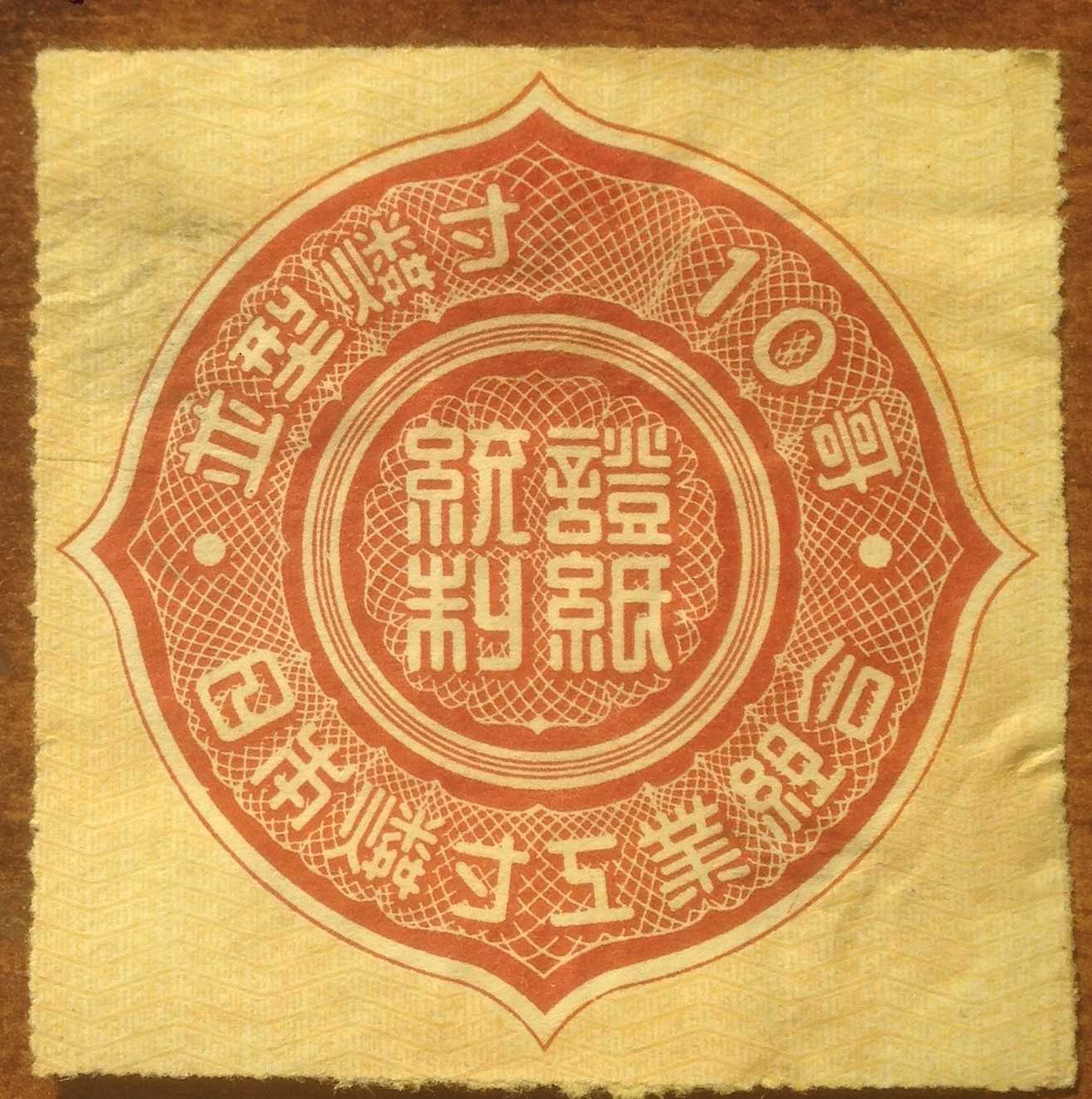
Image 14: Control label for match. This should be listed in Shimomura, which I will have a look later this weekend.
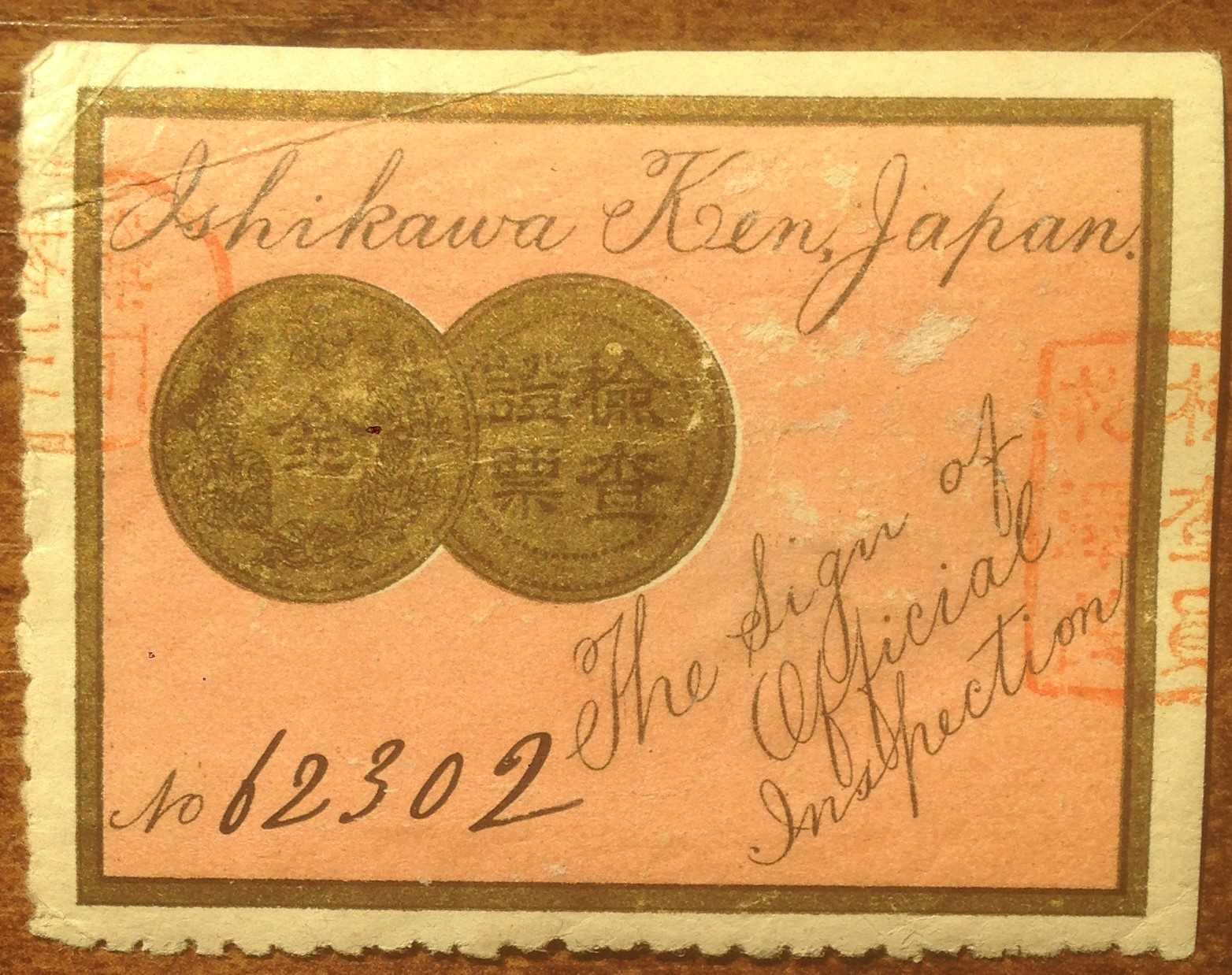
Image 15; inspection certificate label of Kanagawa prefecture. Not certain for which product this label has been used.
Image 16: label of Inoue-Kanzo company, Kobe, a well known shop of matchbox labels and stamps in the early days of Japanese philately. The label itself is printed by "Kobe match production company" and thus I reckon this is a matchbox label.
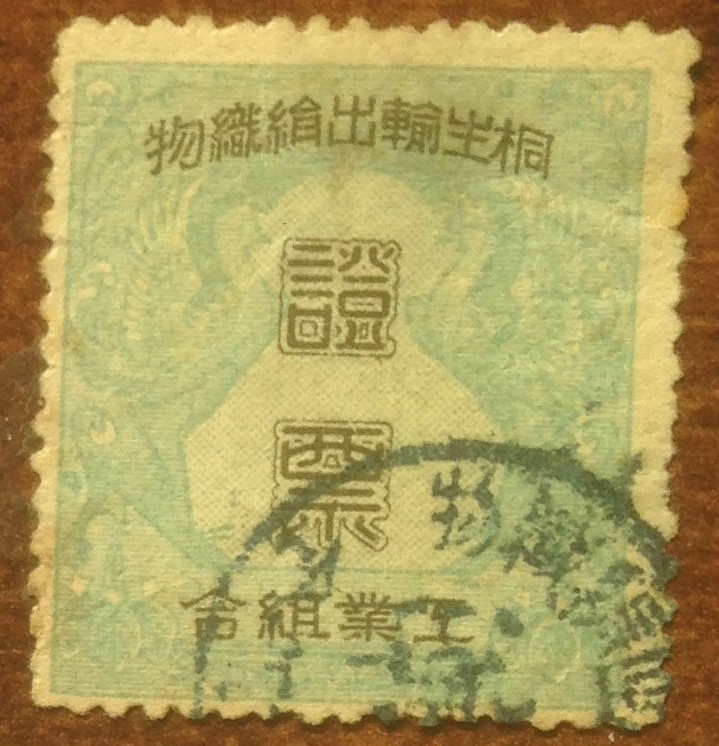
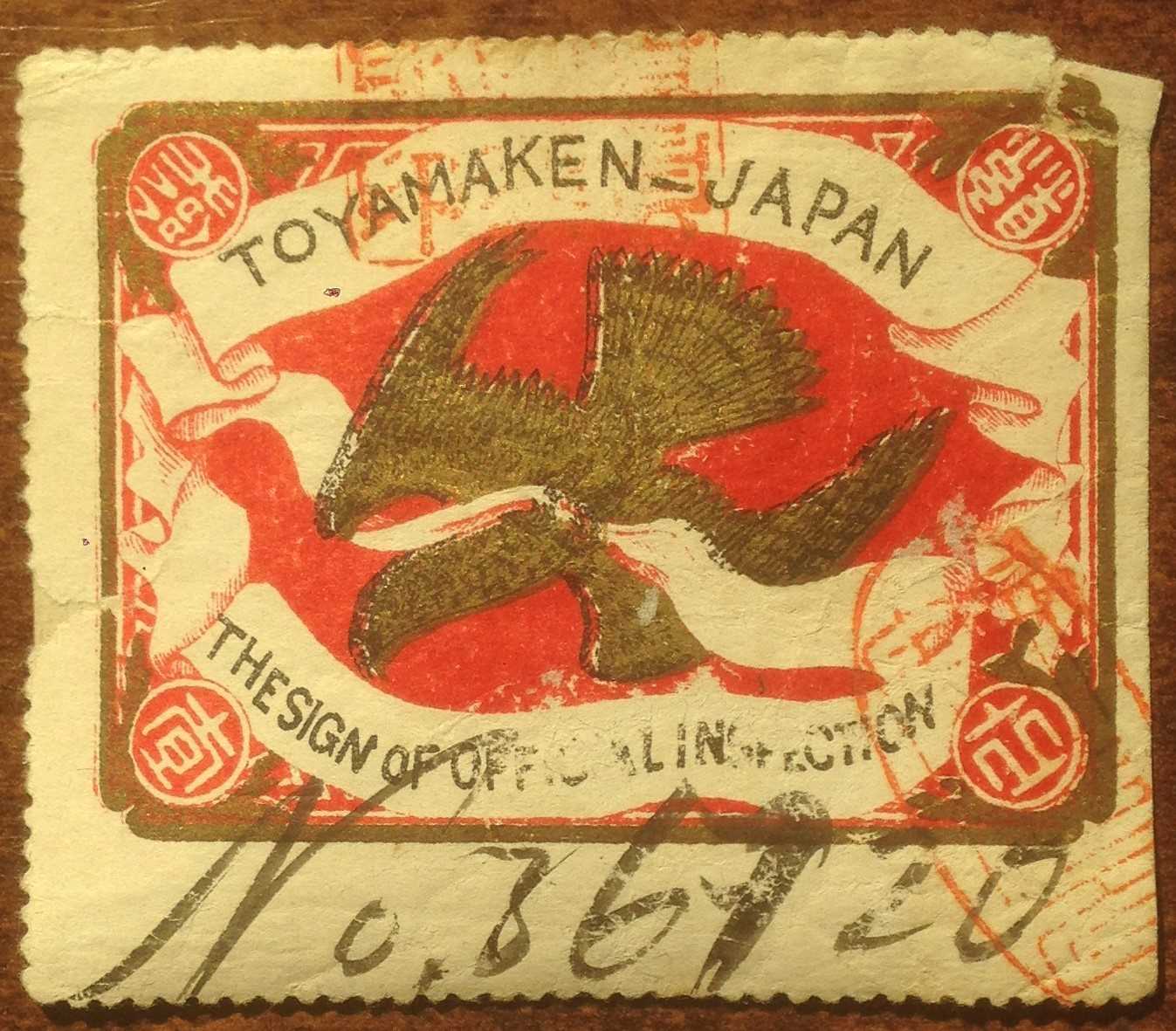
Image 17: Inspection certificate label of Toyama prefecture. I reckon this label was used for export textile, one of the major industries of Toyama prefecture.
Image 18: Obviously a label of Imperial Hotel, Tokyo. Judging from the size (aspect ratio) I reckon this to be a matchbox label. Neat design indeed.
- Hironobu |
|
Send note to Staff
|
|
|
Valued Member
Japan
353 Posts |
|
|
Hi dandow and all, apologies for going really off-topic; The Sho-Chiku-Bai classification is most often found today for Una-Jyu (grilled eel on rice… yummy);  And an example of the menu I've picked for the Web, showing Superb Matsu > Matsu > Take > Ume, which I believe is the standard order and applied to the Shizuoka label.  However besome people do use opposite way, e.g. Superb Ume > Ume > Take > Matsu !  So be aware of the two styles if you're planning to enjoy eel in Japan :-) - Hironobu |
|
Send note to Staff
|
|
|
Valued Member
United States
66 Posts |
|
|
Thank you very much again for this information! My limited knowledge of Japanese makes it very difficult for me to figure out the labels. Your most recent answers raise a couple of questions
On Image 11: seems to be a product label of kidney disease medicine "Sachi Aa-Ru" by Japanese Brewery Industrial Co. Ltd. How is it that the Japanese Brewery Industrial Co. would have kidney disease medicine?
On Image 12: seems to be a company label of "Tai-Shou-Dow", a clock / diamond / jewelry company located in Ginza, Tokyo. (This company still do exist! ). Any idea why they use a chicken/rooster as the logo of the company?
Thanks again! |
|
Send note to Staff
|
|
|
Valued Member
Japan
353 Posts |
|
|
Hello dandow, here's my thoughts after some detective works; Quote:
On Image 11: seems to be a product label of kidney disease medicine "Sachi Aa-Ru" by Japanese Brewery Industrial Co. Ltd. How is it that the Japanese Brewery Industrial Co. would have kidney disease medicine? I think it has to do something with enzyme. A quick search on Web shows that certain enzymes are indeed found to be effective to kidney disease; although I don't think that such scientific evidence was available at that time there might be some experience-based knowledge that certain brewery products aided the disease. Hope someone with M.D. might help (I have a Ph.D. but medicine is totally out of my knowledge...) Quote:
On Image 12: seems to be a company label of "Tai-Shou-Dow", a clock / diamond / jewelry company located in Ginza, Tokyo. (This company still do exist! ). Any idea why they use a chicken/rooster as the logo of the company? One possibility might be coming from a Chinese proverb, "Be the head of a chicken but not the tail of a cow" (in Japanese, "Kei-Kou Gyuu-Go"). This proverb means that you should better be the leader, even if the organization (or a company) is small, than to be a part of a larger organization, and thus the symbol of a rooster is often used in company logos, such as Kincho Co.Ltd, a insecticide products manufacturer well known by its mosquito coils. https://www.kincho.co.jp/en/- Hironobu |
|
Send note to Staff
|
|
|
Valued Member
United States
66 Posts |
|
| |
Replies: 11 / Views: 1,135 |
|



 Posted 07/25/2021 8:02 pm