| Author |
 Replies: 240 / Views: 91,179 Replies: 240 / Views: 91,179 |
|
|
|
Bedrock Of The Community
United States
28826 Posts |
|
|
Bedrock Of The Community
United States
28826 Posts |
|
|
Kosovo 2022 Prehistoric Art of Vlashnjë The stamp and minisheet show rock paintings found in the cave of Mrizi Kobaja. These paintings include spirals and abstract animal figures and are dated from Neolithic era to Bronze Age. 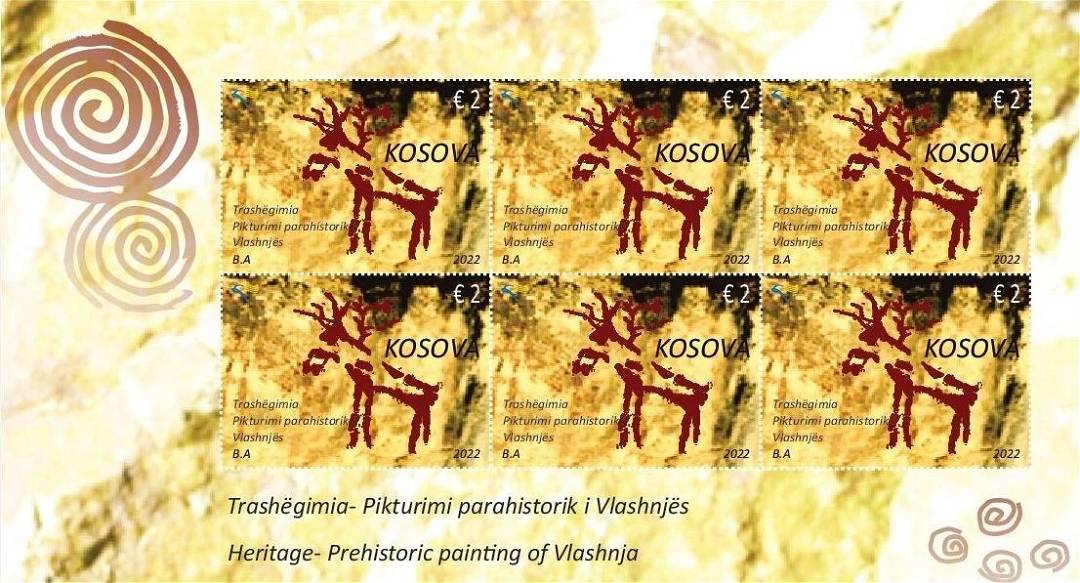 |
Send note to Staff 
|
|
|
Bedrock Of The Community
United States
28826 Posts |
|
|
China 2017 Hongshan Culture Hongshan culture spanned a region from Inner Mongolia to Liaoning Province in northeastern China. This Neolithic culture ( ca. 4700-2900 BC) is renowned for its exquisite jade (nephrite) artifacts found at burial sites. and its social organizations are seen as important precursors to later Chinese civilization. 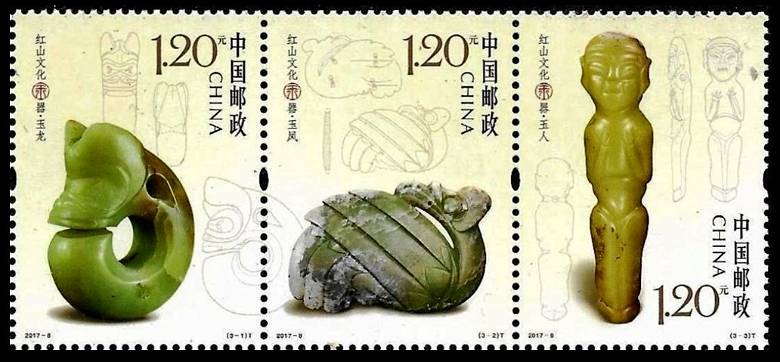 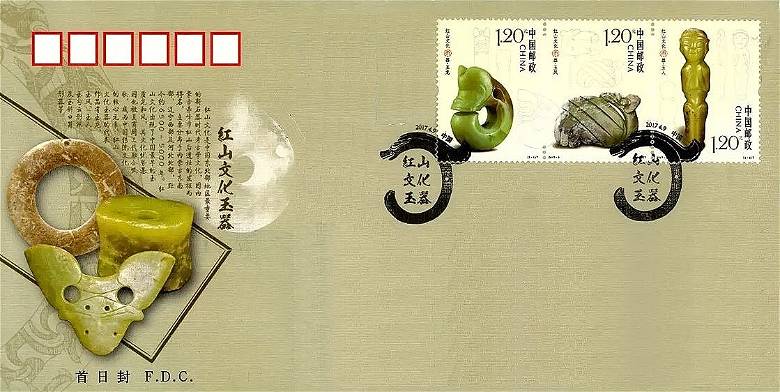 |
|
Send note to Staff
|
|
|
Bedrock Of The Community
United States
28826 Posts |
|
|
China 2025 Ancient Chinese Calligraphy The minisheet features Zhuan inscription inside a bronze wine vessel dated to the Erlitou period, an early Bronze Age culture ( ca. 1900 to 1500 BC) in the Yellow River valley in northern China.  |
|
Send note to Staff
|
|
|
Bedrock Of The Community
United States
28826 Posts |
|
|
Vietnam 1986 Bronze Artifacts from Hung Vuong Age The stamp set and minisheet feature bronze vessels and tools from Dong Son culture, a Bronze Age civilization centered along the Red River Valley and Red River Delta of northern Vietnam. 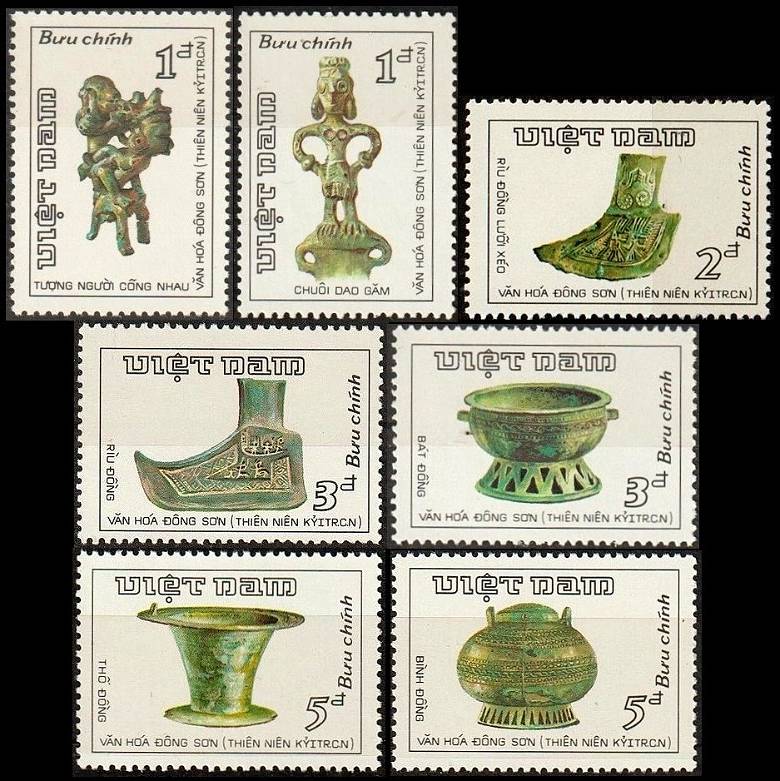  |
|
Send note to Staff
|
|
|
Bedrock Of The Community
United States
28826 Posts |
|
|
China Postal Stationary - Banpo Museum Banpo Museum is located in Xi'an, Shaanxi, China. The museum preserves the excavation site of Banpo Village, a typical Neolithic matriarchal community of the Yangshao Culture which existed along the middle reaches of the Yellow River from around 5000 to 3000 BC. 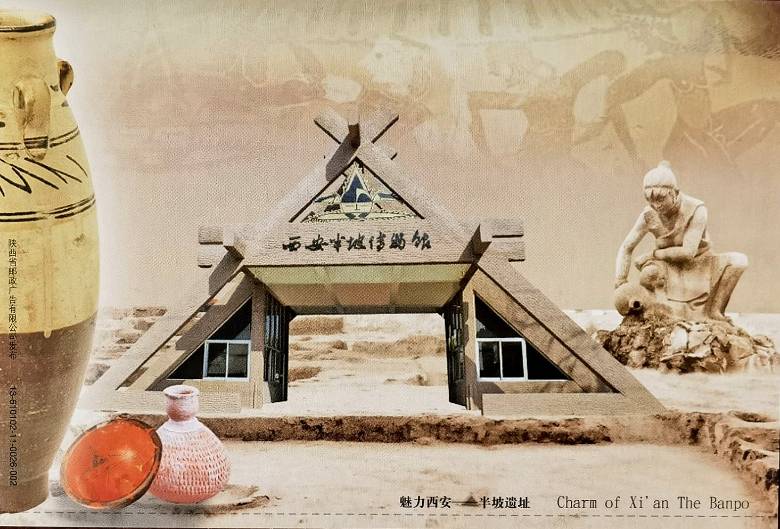 |
|
Send note to Staff
|
| Edited by KuoLC5310 - 08/16/2025 2:55 pm |
|
|
Bedrock Of The Community
United States
28826 Posts |
|
|
Ukraine 2025 EUROPA - National Archaeological Discoveries Scythian culture (7th to 3rd centuries BC) was a vibrant and influential nomadic civilization of the Eurasian steppe. The minisheet and FDC depict anthropomorphic Scythian stele (5th century BC) which reproduces the image of a Scythian warrior, Scythian swords and daggers (5th-4th centuries BC), and bronze utensils. The warrior statue comes from a Scythian mound near the village Novovasylivka of Mykolaiv region. 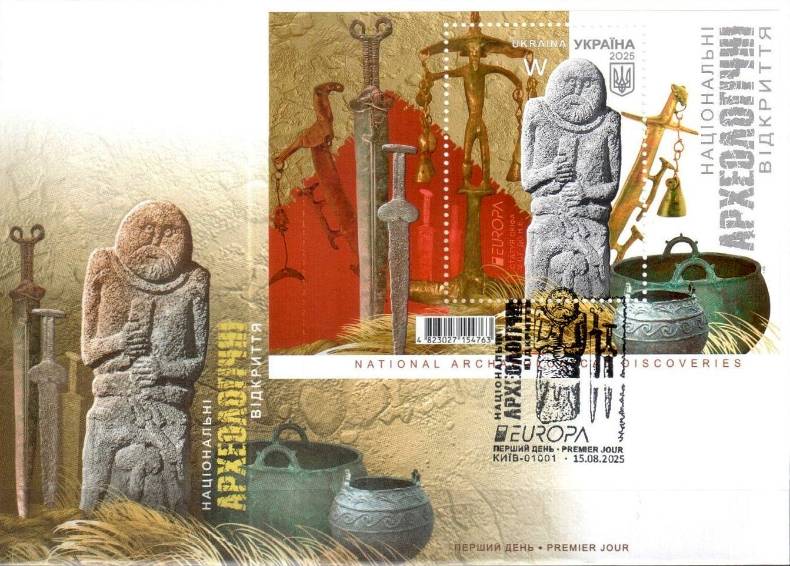 |
|
Send note to Staff
|
|
|
Bedrock Of The Community
United States
28826 Posts |
|
|
Nepal 2025 Punch-mark Coin Tilaurakot is a well-preserved archaeological sites in South Asia. Artifacts from this site are dated to as early as 1100-600 BC (Painted Grey Ware culture) and 600-500 BC (Northern Black Polished Ware culture). The stamp features silver punch-mark coins produced and circulated in this region around 500 BC and later. 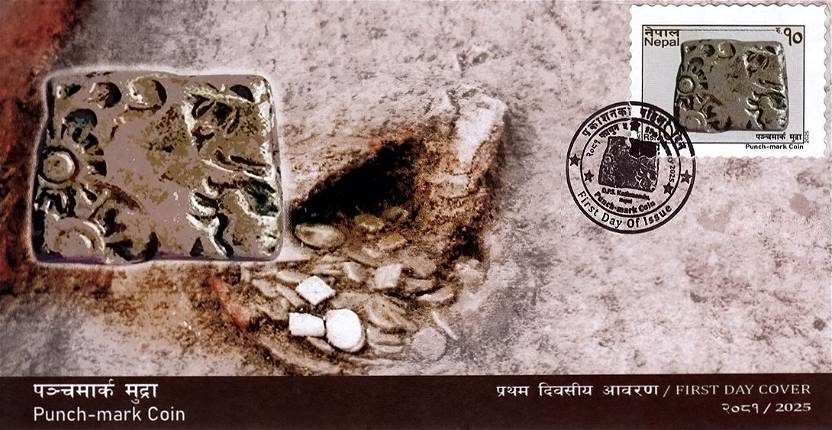 |
|
Send note to Staff
|
|
|
Bedrock Of The Community
United States
28826 Posts |
|
|
China 2023 National Archaeological Parks Liangzhu Culture (3300–2300 BC) was the last Chinese Neolithic jade culture in the Yangtze River Delta region. The culture was highly stratified, as jade, silk, ivory and lacquer artifacts were found exclusively in elite burials, while pottery was commonly found in the burial plots of ordinary people. Its jade articles often combine god figures with animal masks as the main motif. 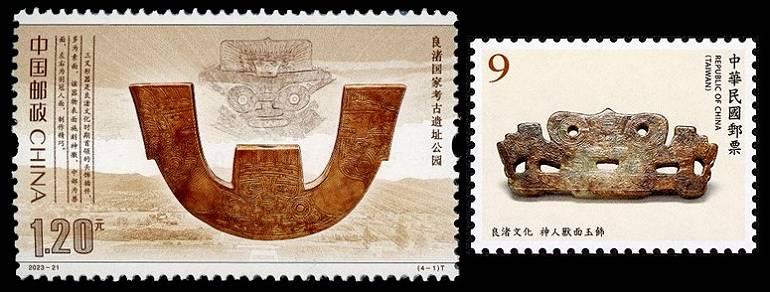 |
|
Send note to Staff
|
|
|
Bedrock Of The Community
United States
28826 Posts |
|
|
Jordan 2004 Statues from Ain Ghazal Ain Ghazal is a a Neolithic archaeological site located in Amman. The settlement is dated between 8300 and 7500 BC, with a prime era at around 7000 BC. Ain Ghazal is renowned for a set of anthropomorphic statues modeled in white plaster around a core of reed and twigs. These statues consist of both full figures and busts, some of which uniquely feature two heads. 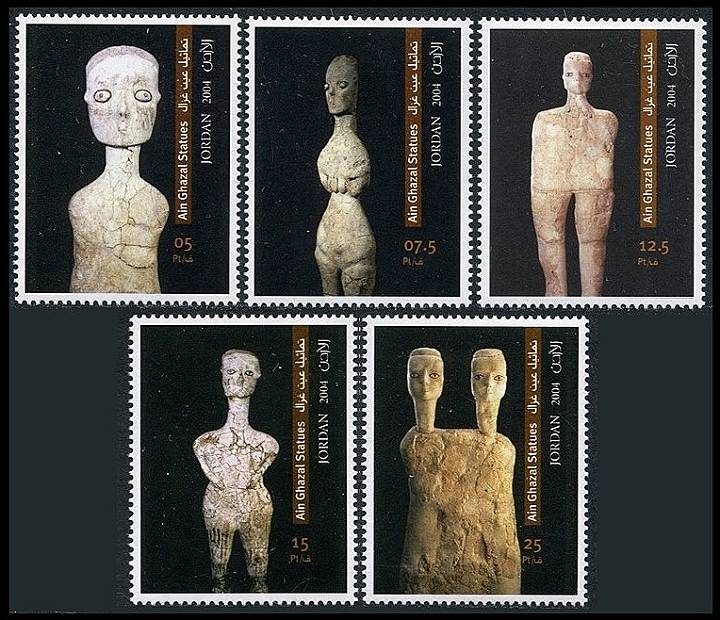 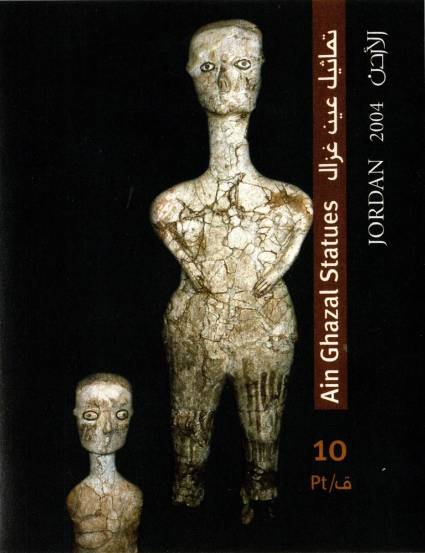 |
|
Send note to Staff
|
|
|
Bedrock Of The Community
United States
28826 Posts |
|
|
China 1996 Hemudu Archaeological Site Hermudu is located on the Chinese coast, just south of the Hangzhou Bay in modern Zhejiang province. The Neolithic culture (5500-3200 BC) is known for rice cultivation, woodworking for stilt houses, black pottery, and art related to bird and sun worship. The stamp set features animal bones for farming, wooden pieces for construction, wooden oars for transportation, and ivory craft for religious ceremony. 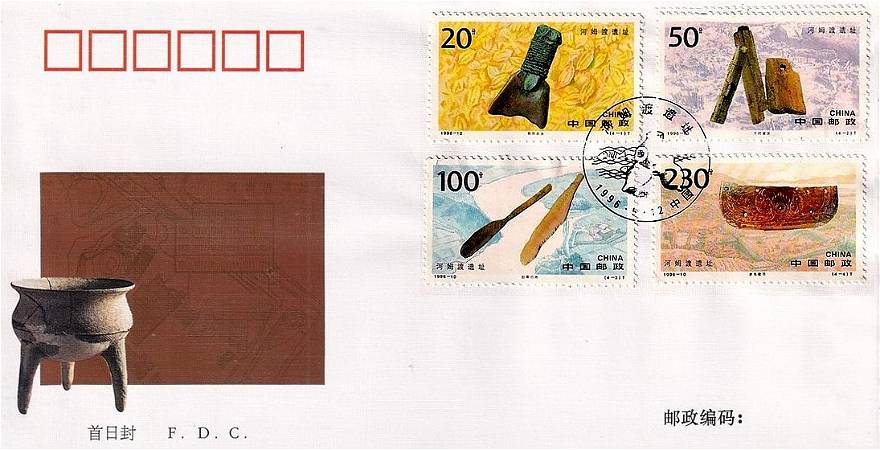 |
|
Send note to Staff
|
|
|
Bedrock Of The Community
United States
28826 Posts |
|
|
United Arab Emirates 2024 Hili Archaeological Park Hili features significant Bronze Age ( c. 3000-1300 BC) and Iron Age ( c. 1300-300 BC) remains, showcasing early oasis culture in southeastern Arabia with tombs, settlements, and ancient falaj irrigation systems, The stamp set shows Hili Grand Tomb from the Bronze Age (around 2000 BC) and mud-brick circular buildings. 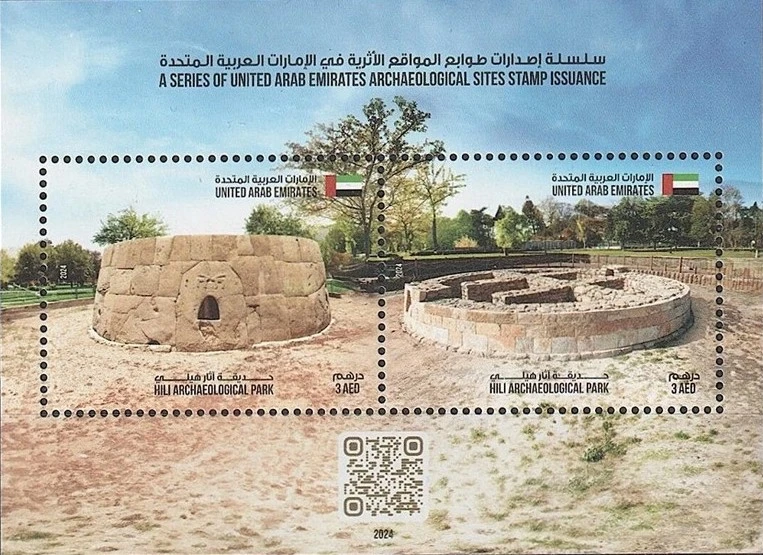 |
|
Send note to Staff
|
| Edited by KuoLC5310 - 01/11/2026 8:22 pm |
|
|
Bedrock Of The Community
United States
28826 Posts |
|
|
Spain 2026 Archaeology Castro de las Cogotas is a Celtic settlement and its necropolis located in the province of Avila. Excavations at the site have identified two periods of occupation: Cogotas I (between 1200 and 800 BC, Late Bronze Age) and Cogotas II (between 400 and 100 BC, Iron Age). The site is characterized by stone-based dwellings, with a system of walls and urban layout. 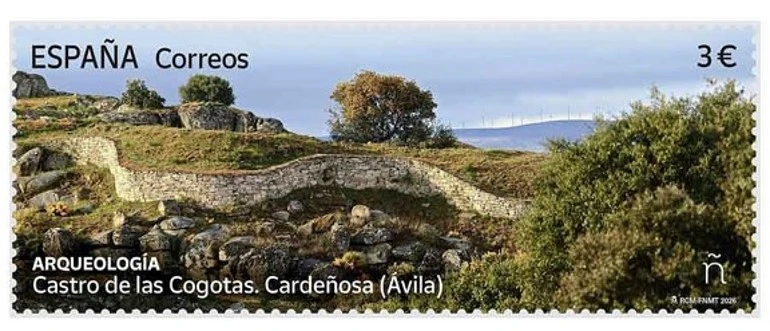 |
|
Send note to Staff
|
| Edited by KuoLC5310 - 02/26/2026 3:55 pm |
|
|
Bedrock Of The Community
United States
28826 Posts |
|
|
Greece 2014 Greek Presidency of the Council of the European Union Iklaina is a significant Late Bronze Age ( ca. 1600-1100 BC) archaeological site in Messenia, Greece. The major findings include over 2000 Mycenaean fresco fragments, and the oldest Linear B Tablets in Europe. The site exhibits early city-stste evidence and urban infrastructure. 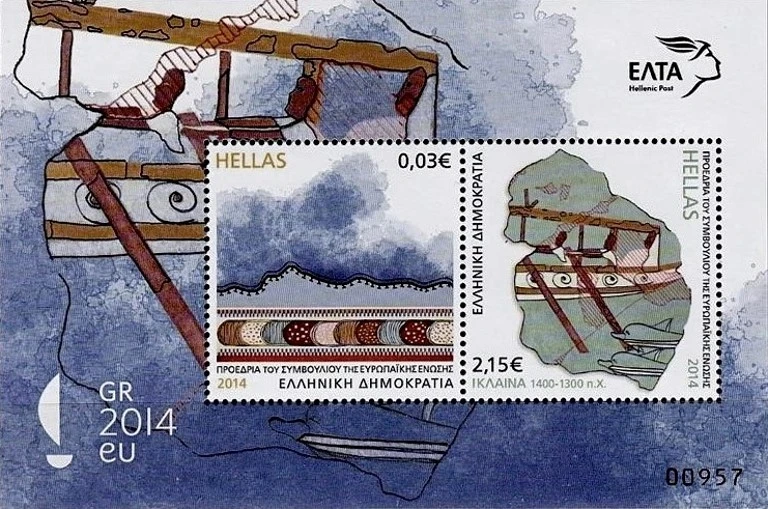 |
|
Send note to Staff
|
| Edited by KuoLC5310 - 04/02/2026 2:17 pm |
|
|
Bedrock Of The Community
United States
28826 Posts |
|
|
Albania 2009 New Archaeological Discoveries Tuma e Kamenicës is an archaeological site on the edge of the Kamenica hills in the southern side of the Korçë Plain. The sit features graves dated to Bronze Age (1300-1050 BC) and Early Iron Age (1050-750 BC). The stamp shows an overall view of a grave and artifacts found on the site. 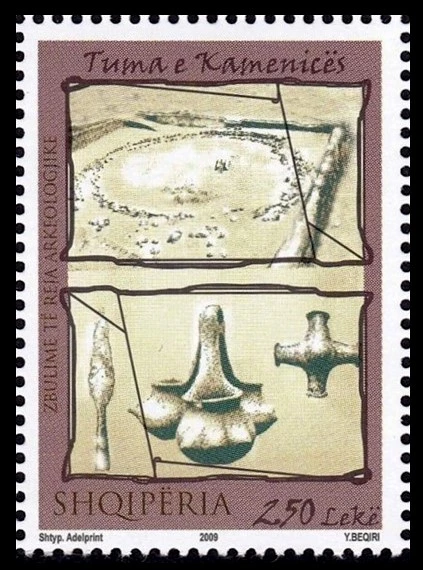 |
|
Send note to Staff
|
| Edited by KuoLC5310 - 04/02/2026 10:20 pm |
|
|
Replies: 240 / Views: 91,179 |
|




 Posted 06/25/2025 08:20 am